




The cultural festival arc kicks off with exactly the kind of over-the-top romantic scheming I expect from Akina, but it’s the fallout between Tougo and Poem that gives the episode its weight. Episode 10 throws a school-wide prom party into the works, weaponizes the vice president’s ongoing vendetta against “illicit relationships,” and somehow finds time to unpack Izubuchi’s backstory with Nadeshiko. And yeah, Poem tells Tougo not to call her by her first name anymore. The show’s comedy hasn’t gone anywhere, but that one line stings more than any punchline.
Akina Unleashes Her Cultural Festival Master Plan
Akina is the cultural festival executive. Of course she is. The moment she peels away a fake disguise and announces her authority, Tasaki and Poem immediately recognize the danger: a free-range Akina with institutional power. She doesn’t disappoint, shooting down suggestions like maid cafés and haunted houses with a dismissive “Be quiet, amateurs.” Her grand proposal? A prom dance party, complete with trait-matching cards, a prom king and queen vote, and a luxury prize. The pitch is soaked in her signature blend of romance-obsessed sincerity and comedic megalomania. She’s studied “countless cultural festivals” and concluded that proms are the apex of high school love opportunities.
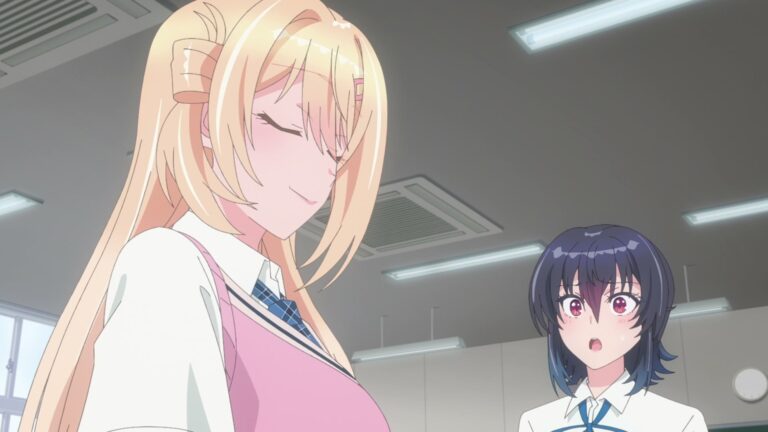
What sells the bit is how quickly student council president Nadeshiko co-opts the idea and scales it up. She waltzes in, calls the prom “entertaining,” and within seconds the student council will distribute cards, book professional dancers, and handle the prize. Akina, who moments ago was a tyrant, becomes a flustered subordinate sputtering “As you command!” Poem’s dry observation that all the vague elements solidify at once is perfect. Nadeshiko has a habit of steamrolling situations with cheerful authority, and seeing her match Akina’s energy while completely outclassing her in confidence is a delight.
Vice President Kaoru and the War on Illicit Relationships
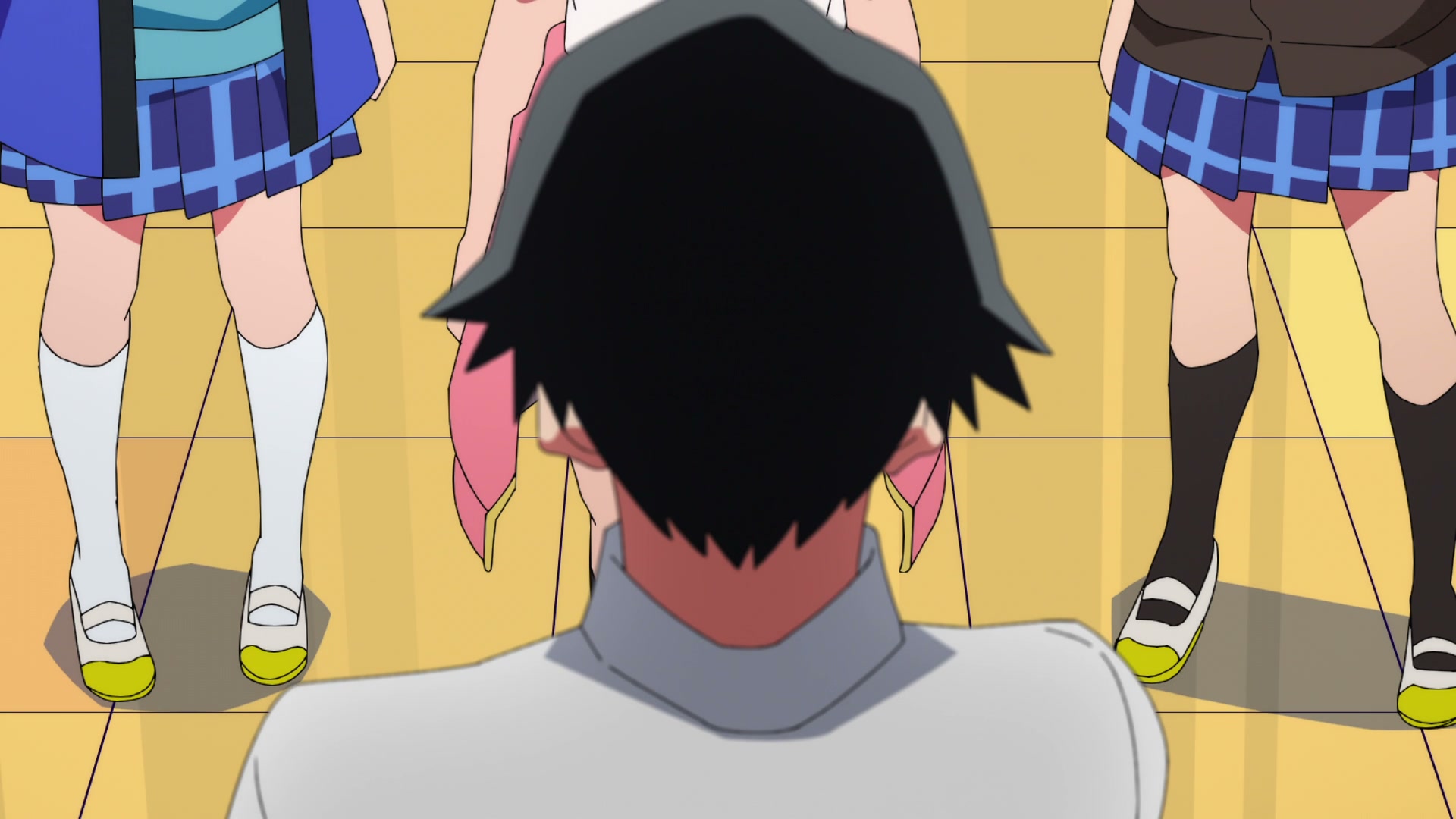
Kaoru’s return as the antagonist here makes sense given his character, but the episode gets extra mileage out of how absurd his reasoning becomes. He’s still nursing the emotional hangover from the beach episode, telling himself that “if it’s going to be this painful, this sad, then I don’t need love.” He turns that frustration outward, labeling the prom a “breeding ground for illicit relationships” and ordering the class monitors to regulate it into oblivion. The new guidelines are comedy gold: a two-meter “student distancing” rule to prevent close bodily contact, and a concern about “droplet transmission” of illicit relationships through conversation, so the gymnasium is downgraded to small empty classrooms. The show treats the joke with a straight face, visualizing couples trying to dance and chat from absurd distances while Kaoru’s monitors bark “Sir! Yes, sir!”
Kaoru’s logic is obviously ridiculous, but the show doesn’t just laugh at him. Nadeshiko later acknowledges that he’s trying to make the festival better in his own way. For their year, this is the last student council job, and Nadeshiko wants to bring him around rather than override him with her authority. It’s a quiet reminder that Kaoru isn’t a cartoon villain. He’s a repressed, earnest guy who has no healthy outlet for his own feelings and is projecting that mess onto school policy. The episode doesn’t fix him here, but it leaves the door open for something more than just a punchline.
“Don’t Call Me by My First Name”
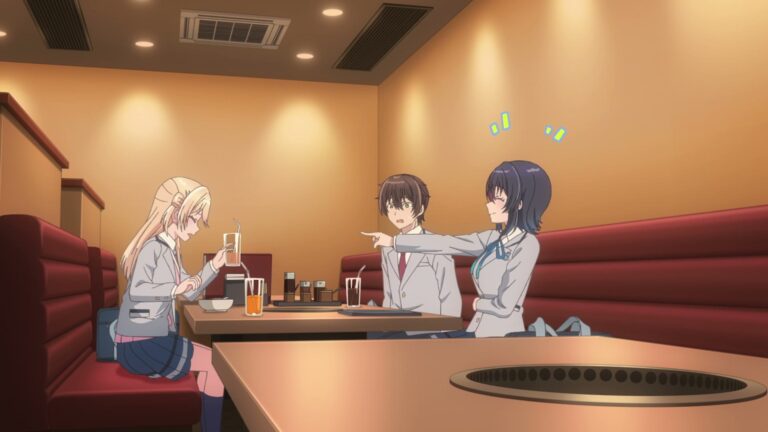
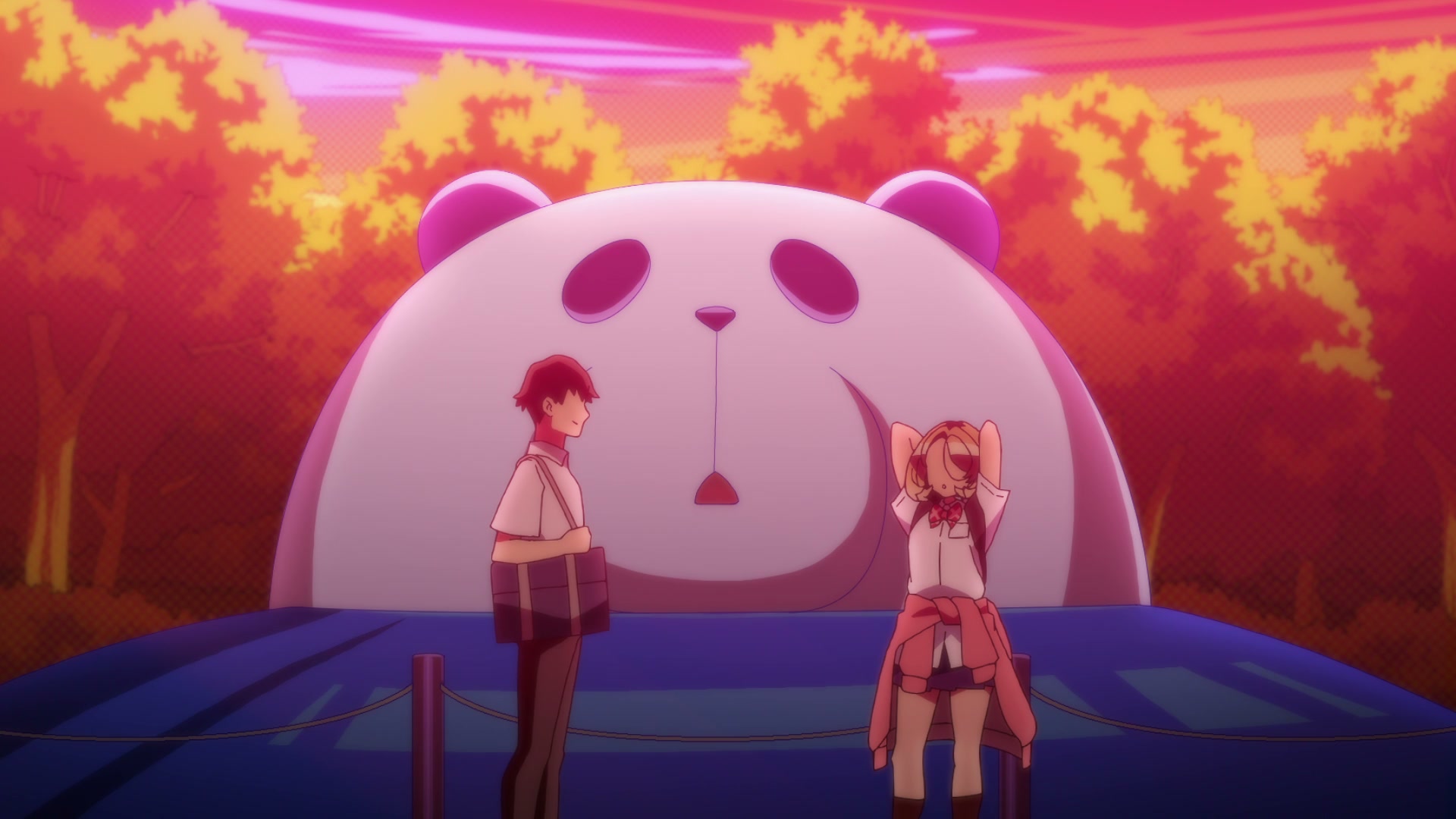
Tougo gets caught squarely in the crossfire. As a class monitor, he’s on the receiving end of Kaoru’s orders to crack down on the prom. He’s also Poem’s boyfriend, and he already told her he was rooting for her and her friends. The scene where he delivers Kaoru’s list of demands to the planning headquarters is painful because Tougo clearly hates doing it. He stammers, he looks miserable, and he keeps trying to qualify that he doesn’t want to hinder them. Poem’s reaction is swift and cold: “Then you’re our enemy.” She pulls back the first-name intimacy she’d granted him, telling him not to call her “Poem-san.” The echo of his earlier encouragement, “You really do care for your friends, Poem-san,” suddenly feels like a knife twist. Tougo’s devastated face is one of the most expressive moments he’s had since his confession. He’s not good at navigating conflicting loyalties, and this one leaves him frozen.
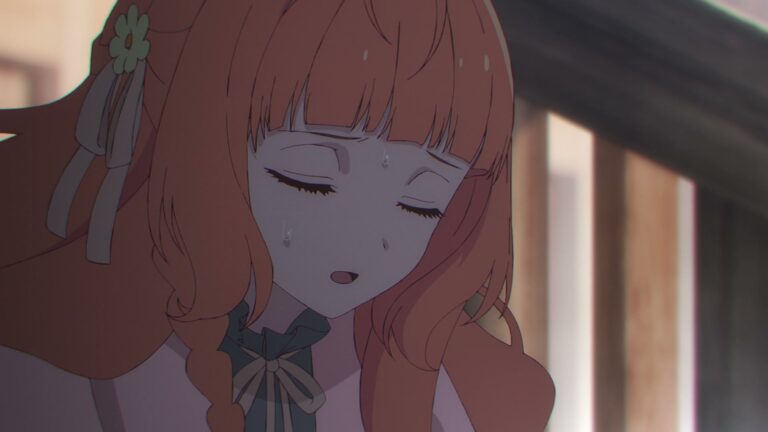
The emotional beat lands because the episode doesn’t milk it with melodrama. Poem storms off, Tasaki checks on her, and Poem claims it’s fine. She’s clearly not fine, and the episode cuts to her internal voice calling him “stupid overzealous klutzy ramen-headed Tougo.” That kind of frustration, the anger that’s half affection and half hurt, feels true to a young relationship where both people are still figuring out how to be on the same team. Tougo’s final line in the segment, “What am I supposed to do?” hangs there without an answer.
Izubuchi’s Backstory and the Gorilla President
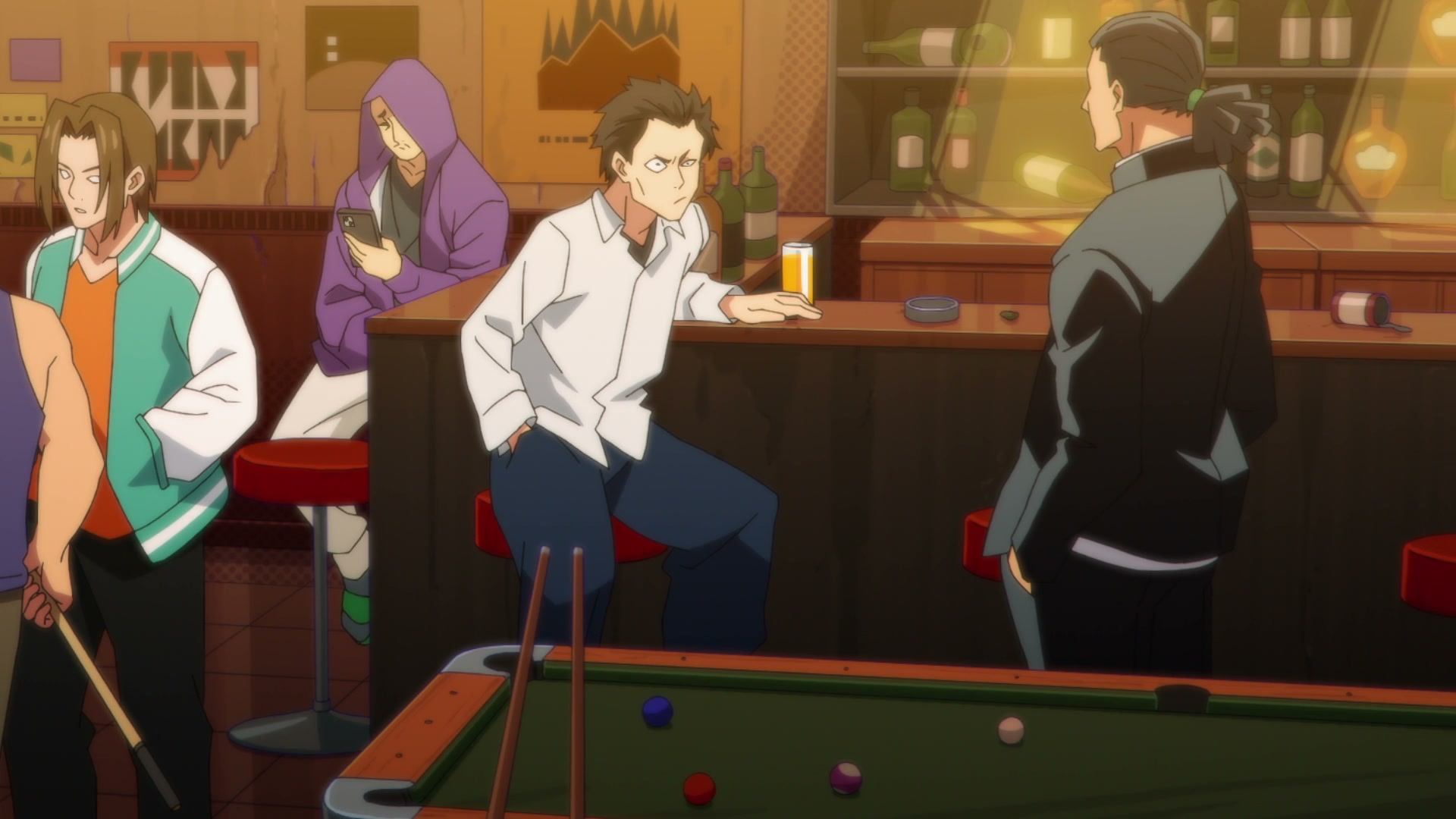
In the middle of the tension, the episode drops a flashback that reframes Izubuchi’s entire character. The girls are curious about the rumored relationship between Nadeshiko and Izubuchi, and what they get is a story about a middle school “mad dog” who picked a fight with the wrong person. Nadeshiko beat him so thoroughly that he hallucinated death and thought he was going to die. The visual of him beaten on the ground, vision fading, is surprisingly grim for this series. The crucial twist is that it wasn’t Nadeshiko who changed him. A stranger in a white coat appeared, gave him first aid, called an ambulance, and left. Izubuchi decided then that breaking things was easy, but saving them was worth aspiring to. That’s why he wears the health rep armband. Nadeshiko’s casual “I beat you good, didn’t I?” and Izubuchi’s immediate fury that she didn’t actually reform him is a perfect comedic release after the heavy flashback. But the core of the scene is genuine: Izubuchi’s identity as a health representative isn’t a gag. It’s a deliberately chosen path with real weight behind it.
The exchange also reinforces Nadeshiko’s weirdness. She genuinely doesn’t see the problem with having pummeled him unconscious, and she cheerfully claims indirect credit for his transformation anyway. The girls’ earlier suspicion that Nadeshiko might have a soft spot for Kaoru gets another layer here. Nadeshiko deflects with a shrug, admitting he’s “not bad” but that he doesn’t see her as a woman. Considering her casual approach to everything from swimsuits to watermelon crushing, the show leaves her own feelings ambiguous. She’s an enigma, and that’s probably the point.
Tougo’s Quiet Corner
The episode doesn’t resolve the Tougo-Poem rift by the end. Instead, it lets Tougo sit with his dilemma. His line “What am I supposed to do?” is repeated, and his expression suggests he understands the depth of the mess. He likes Poem. He respects her friends. He also takes his duties seriously. The rules he’s enforcing are absurd, but he’s the kind of person who struggles to ignore orders from a superior, even when his heart isn’t in it. That internal conflict, the rigidity that once made him a solitary hall monitor, is now causing real emotional damage to the one relationship he values most. The show isn’t punishing him; it’s testing whether he can bend.
The Festival Arrives
After the storm, the episode slides into the final stretch with a light touch. Poem’s family insists on coming to the cultural festival, and her younger sister Mirai declares the whole family will attend. Rhyme is back to being Dad, and Poem’s panicked demand that they not peek at her class’s production is the kind of domestic warmth that grounds the series. It’s a subtle reminder that even when Tougo and Poem are at odds, her life is full and boisterous. The episode ends with the narrator announcing the festival’s arrival, and a brief shot of Tougo’s class preparing a library café with Tsukishima being molded into a reluctant butler. The atmosphere is charged with unfinished business. The prom party is still on, Kaoru hasn’t been convinced, and Poem is still calling Tougo an enemy. The stage is set for a cultural festival full of collisions.
Where I land on this episode: it’s a strong transition piece that balances series comedy with genuine character friction. The Akina-Nadeshiko alliance is a joy, the Izubuchi flashback adds unexpected depth, and the central conflict between duty and personal connection gives Tougo a real challenge. The prom regulations are ridiculous enough to be funny, but the personal cost isn’t brushed aside. That’s exactly the tone this series does best.
Screenshots

← Episode 9 | All Ponkotsu Fuuki Iin to Skirt-take ga Futekisetsu na JK no Hanashi Season 1 posts →