




The Episode That Finally Lets the Dam Break
For eleven episodes, Shunkashuutou Daikousha – Haru no Mai has been a show about people frozen in place. Rousei, unable to face Hinagiku. Sakura, locked inside her hatred. Hinagiku herself, split into two selves and unsure which one is real. Even the insurgent threat felt like a slow, creeping cold rather than a sudden fire. S01E12 changes that. It is not a quiet thaw. It is an explosion, a confession, a rescue, and a long-overdue reunion, all packed into twenty-three minutes that feel like the season finally exhaling.
The episode picks up exactly where the last one left off: Ishihara has just told Rousei and Itechou that going to the Agency building will kill them. The two men are frozen, logic and desperation at war. What follows is not a long debate. Ishihara, cornered and terrified, finally lays everything bare. Her parents are high up in Kasai. They sent her to die. They killed her brother as punishment for her previous escape attempts. The confession lands hard because Ishihara has been a background presence until now, a winter staffer who seemed nervous but harmless. Watching her break down, apologizing for deceiving people who “treated me like a person,” recontextualizes every small interaction she had with Rousei and Itechou. She was never just a mole. She was a hostage.
Rousei’s response is the first real turning point. He does not hesitate. He places Ishihara under his protection, swears an oath to the gods of the four seasons, and asks her to side with him. It is the same instinct that made him form ice flowers for a dying girl ten years ago. He sees someone trapped and reaches out, even when the tactical move would be to distrust her. The oath itself is a nice touch: Rousei, the Agent of Winter, invoking the four seasons together. It quietly signals that the estranged Agents are still part of one system, one promise.
Ishihara gives them the intel they need. Kasai’s leader, the mistress, is infatuated with Hinagiku and plans to recapture her before blowing up the Four Seasons Agency. The decoy team dressed as NPSO forces is already inside. The clock is ticking. Rousei and Itechou move.
Misuzu’s Backstory Is a Knife Twisted Slowly
The episode does something structurally bold here. While Rousei and Itechou race toward the Agency, we cut away to Misuzu’s past. It would be easy to resent a flashback that interrupts a rescue, but this one earns its place. Misuzu has been a looming threat since Nadeshiko’s kidnapping, a woman who orders Agents taken alive and calls them “just like her.” Now we see why.
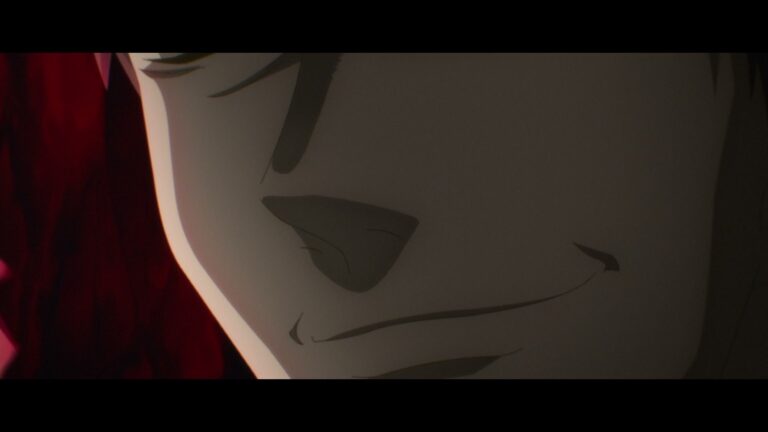
Her story is a gut punch. A young Misuzu, assaulted by a man who blamed her short skirt, asks a question that the show does not soften: “Why would he assume he couldn’t be on the receiving end of violence? Because he’s stronger? More important?” She kills him. The framing is not triumphant. It is cold, matter-of-fact, and deeply unsettling. Misuzu’s logic is a mirror of the world’s logic turned back on itself, and the show lets the horror of that symmetry sit without commentary.
Then comes the marriage, the pregnancy, the plea to Mikami for help, and the loss of the baby. The sequence is fragmented, almost impressionistic, with Misuzu’s internal voice repeating “I can do it. I know pain.” By the time she declares she will “kill a god, threaten the government, and change the world,” the viewer understands that Misuzu is not a cartoon villain. She is a woman who was broken and decided to break the world in return. Her obsession with Hinagiku as a daughter is not random. It is the shape of her own lost motherhood, twisted into possession.
The flashback also recontextualizes the earlier “mother” insurgent who held Hinagiku captive. Misuzu’s methods, the drug, the talk of starting a family to breed new Agents, all echo that captivity. The show is drawing a direct line: the same pathology, different women, same victim. Hinagiku has been running from this her whole life.
Hinagiku’s Internal War Reaches Its End
The most painful stretch of the episode takes place inside Hinagiku’s mind. The present Hinagiku, the one who has been calling herself a replacement, confronts her past self, the girl who gave up during captivity. The past Hinagiku is exhausted, hollow, ready to die. The present Hinagiku begs her to fight, to keep going, to think of Rousei-sama. The past self refuses. “I’ll leave him to you.”
This is the moment the series has been building toward since Hinagiku first described herself as a fake. The split was never a gimmick. It was survival. One self endured the unendurable by going away. The other self emerged to live in the aftermath. Now, with Misuzu closing in and the old trauma resurfacing, the two selves finally speak. The past Hinagiku asks if the present one is going to die. The present Hinagiku says, “All right.” And then the past self calls Misuzu “Mother” and walks into compliance, leaving the present Hinagiku to carry everything.
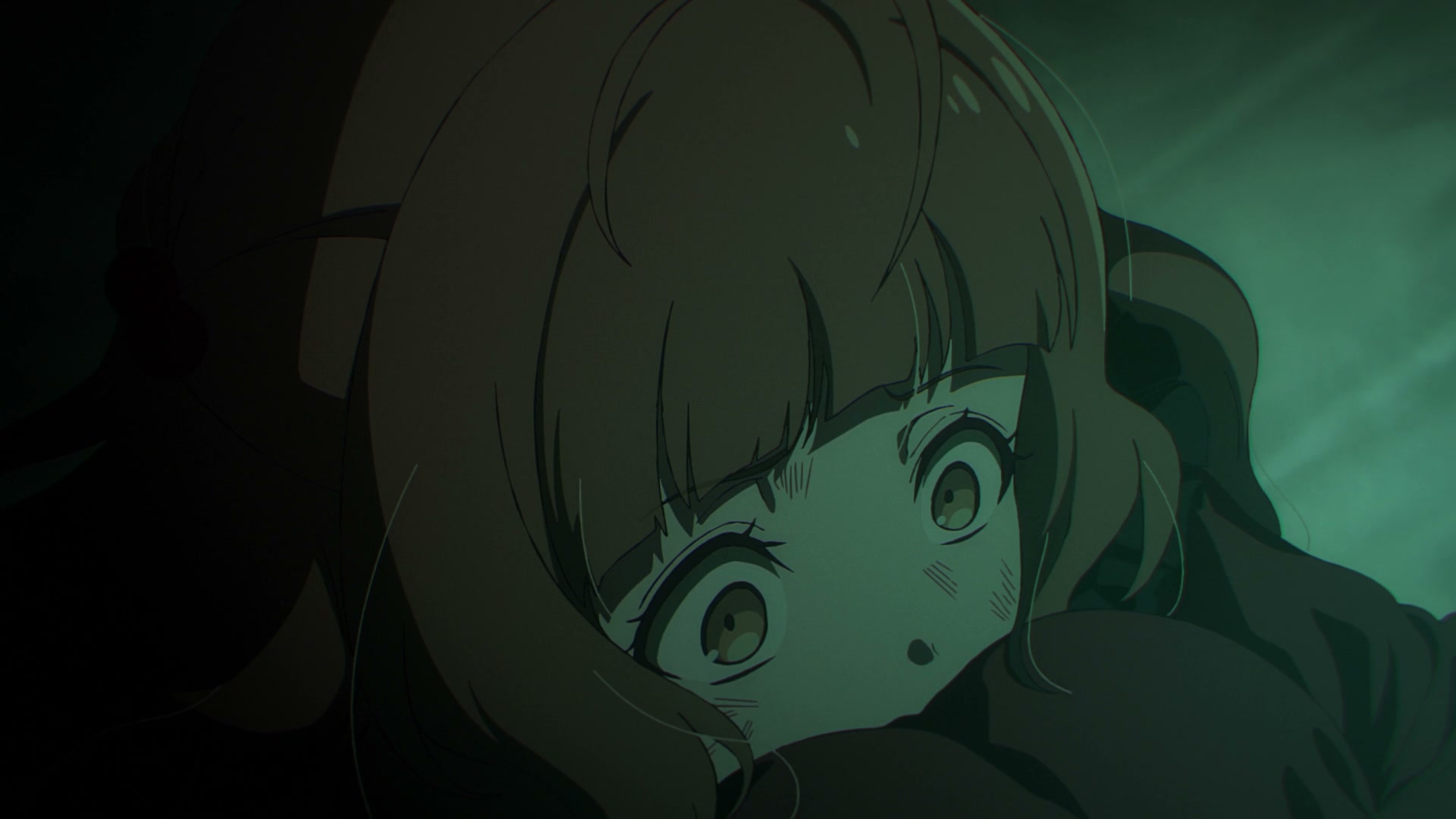
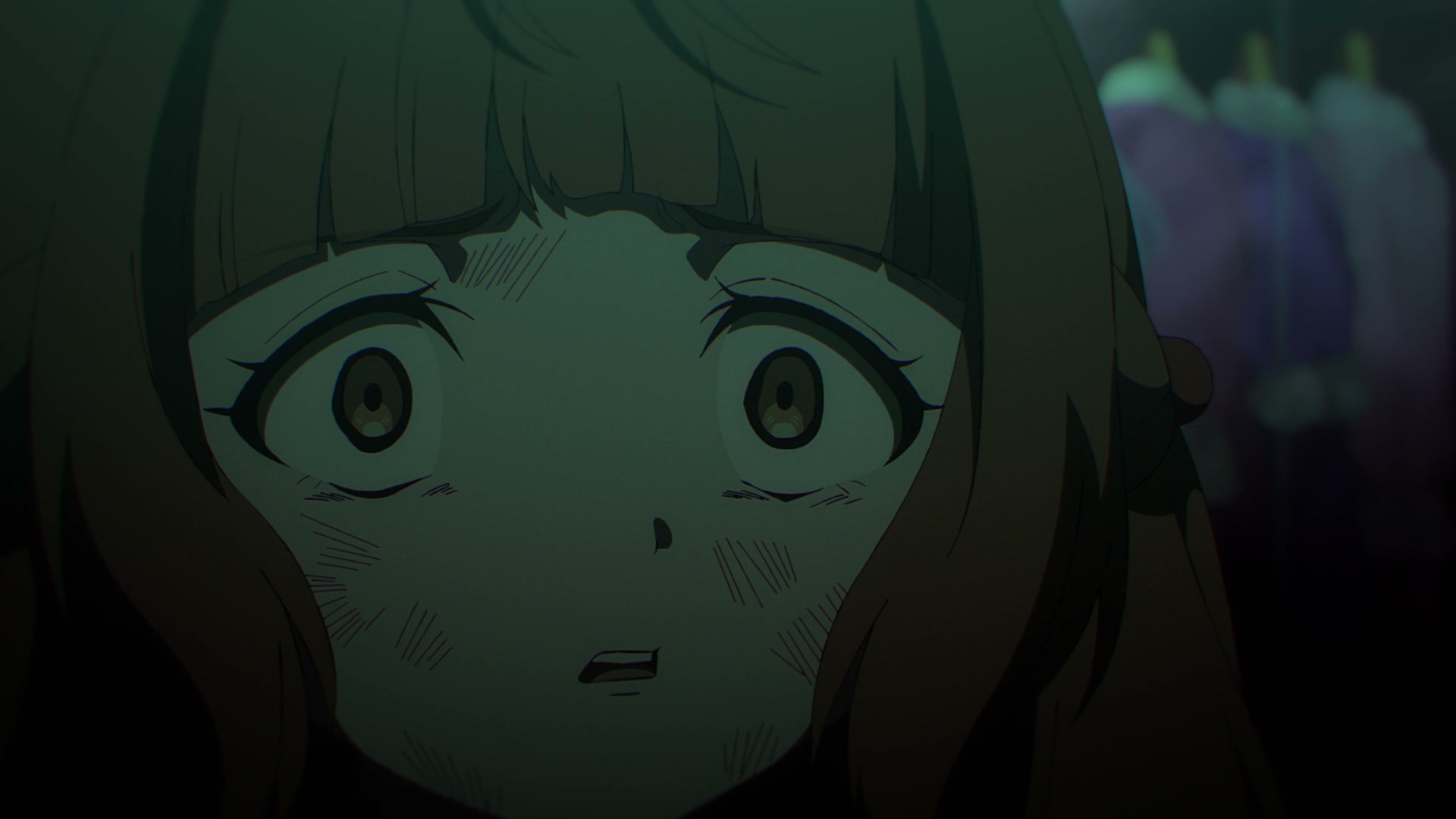
What happens next is not a fusion. It is a passing of the torch. The past Hinagiku, the one who destroyed a hideout and escaped at six years old, gives her strength to the present Hinagiku. The present Hinagiku wakes up, looks at Misuzu, and asks, “Why did you kill Hinagiku?” The question is directed at the woman who tried to erase her, but it is also directed at the past self who gave up. The answer is not spoken. It is in the fact that Hinagiku is still standing, still asking, still fighting.
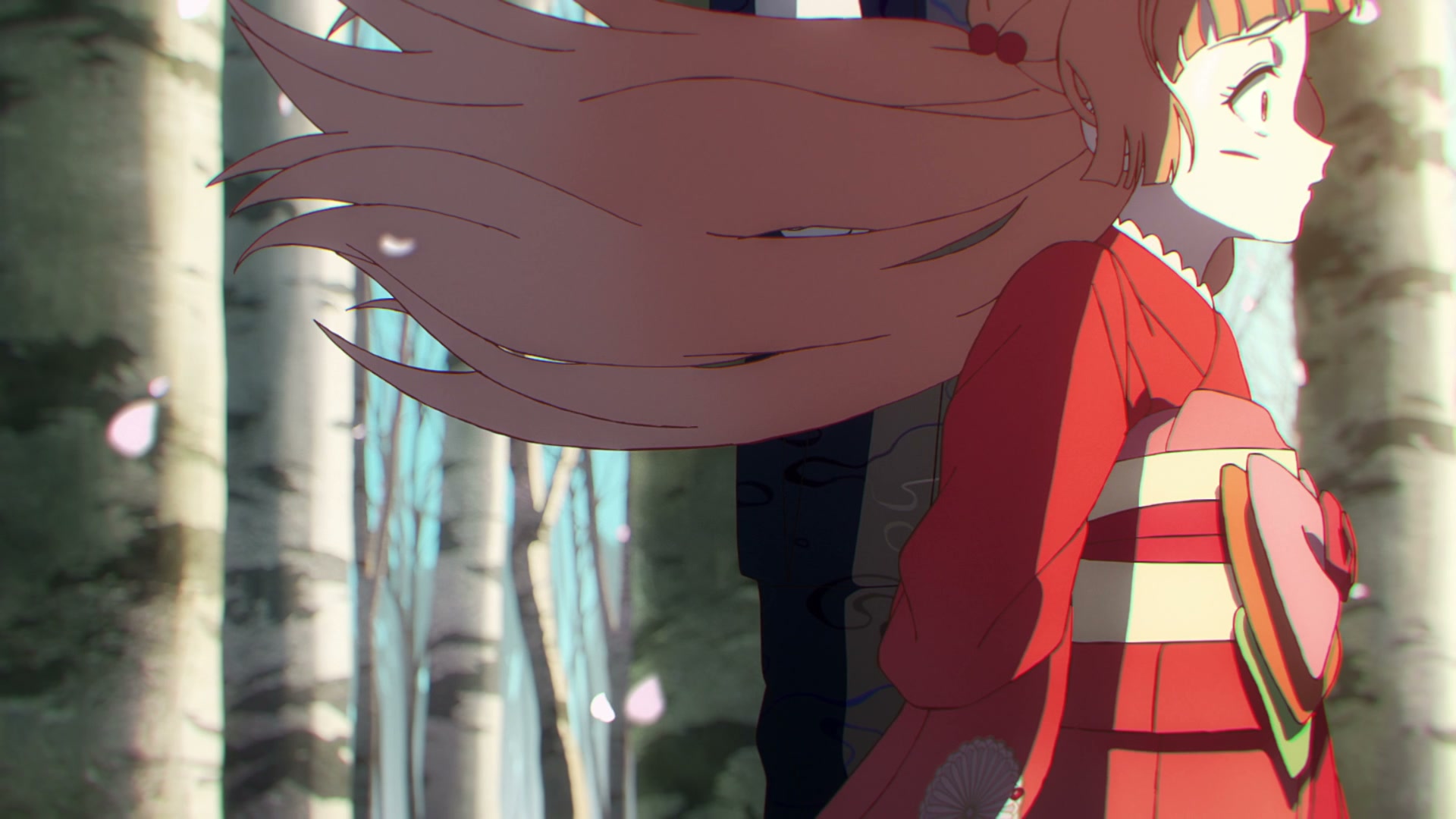
The visual direction in this sequence is worth noting. The past scenes have a washed-out, almost overexposed quality, like memories bleached by time. The present is sharper, colder. When Hinagiku finally screams “Why?!” and lunges at Misuzu, the animation snaps into a raw, almost ugly intensity. It is not a pretty fight. It is a child clawing at her abuser, and the show does not stylize it into something heroic.
The Rescue and the Weight of a Decade
Rousei and Itechou arrive at the Agency building in a vehicle Rousei bought off a “curious bystander” for three million. Itechou’s deadpan “I definitely didn’t raise you right” is the first real laugh in an otherwise harrowing episode, and it lands because their dynamic has always had this undercurrent of exhausted affection. Rousei’s reply, “Forget your ‘right mind,’ Itechou. We’re going crazy,” is the thesis of the entire rescue. They are not thinking. They are moving.
Inside the building, Sakura is in full protective meltdown. Her internal monologue fractures into overlapping voices: “I have to protect her,” “What should I do?”, “Somebody help me.” She is a sword with no target, a guard whose Agent is slipping away. Then Itechou reaches her. He says her name, twice, calm and steady. “Sakura, it’s me. Are you all right?”
This is the first direct contact between Itechou and Sakura since their estrangement. The running context has established that Sakura cut all ties after the search for Hinagiku ended, that she cannot forgive him. But in this moment, with the building burning and Hinagiku in danger, Sakura does not push him away. She lets him in. The show does not linger on it. There is no tearful reconciliation. There is just a man who broke a promise a decade ago, standing in front of the woman he wronged, and being allowed to help. That restraint is exactly right. Some wounds do not heal in a single scene. They just stop bleeding long enough to let you move.
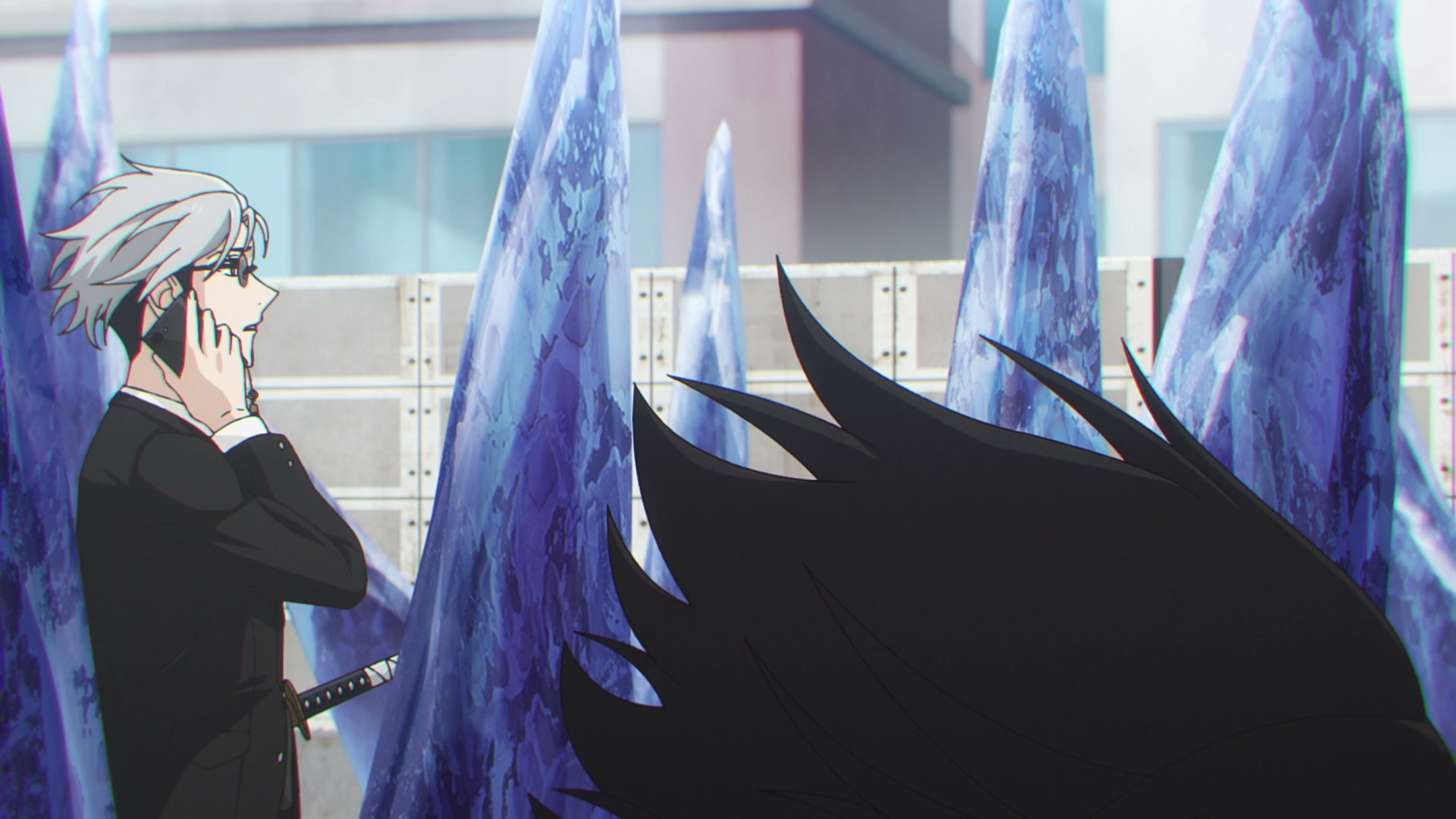
Rousei, meanwhile, is doing what he has always done: making ice flowers. His internal monologue, “I’ve made thousands, tens of thousands, of flowers out of ice,” is not a boast. It is a reminder that his power has been his only way of reaching Hinagiku for ten years. Every blossom he sent was a message he could not deliver in person. Now he is using that same power to carve a path to her.
Rindou’s Parallel Mission and the Season’s Open End
The episode does not forget Nadeshiko. While the main rescue unfolds, Rindou and the others have located Kasai’s headquarters. The main force is away, attacking the Agency. Rindou, who spent most of the season as a cold, dismissive guard, is now charging toward the enemy base alone, calling Nadeshiko’s name. The parallel is deliberate. Rousei is saving his spring. Rindou is saving his autumn. The four seasons are finally acting as one, even if they are scattered across different battlefields.
Ruri’s brief appearance, calling Rousei “Mr. Gloomy the Blizzard Man” and telling him to confess his love to Hinagiku, is a small but necessary moment of warmth. It reminds the viewer that the Hazakura sisters are still in this fight, that the summer bond is not broken. Ruri’s advice, “You’ve kept girls at arm’s length for ten years, like you’re saving yourself for her,” is the kind of blunt observation only another Agent could make. She sees Rousei’s isolation because she lived in her own version of it.
The episode ends with Rindou’s declaration: “I’ll be there soon, Nadeshiko!” It is not a cliffhanger in the cheap sense. It is a promise. The season has been about people making promises and breaking them, about vows made under snow and oaths sworn to gods. Rindou’s line carries that weight. He failed Nadeshiko once. He will not fail again.
Where This Leaves the Season
S01E12 does not tie up every thread. Nadeshiko is still captive. Misuzu’s fate is not shown on screen, though Hinagiku’s attack and the rescue imply she is stopped. The Higan Nishi faction, Nagatsuki’s conflicted loyalties, the political paralysis of the capital, all remain open. But the episode closes the central emotional arc of the season: Hinagiku and Rousei are finally in the same place, alive, and the decade of silence is over.
The final image, if the screenshots are any guide, is likely Hinagiku asking where everyone is, and the answer being that they are right there. After ten years of believing no one would come, someone did. That is not a tidy resolution. It is a beginning. And for a show that has spent so long in winter, a beginning feels like spring.
Screenshots
← Episode 11 | All Shunkashuutou Daikousha – Haru no Mai Season 1 posts →
[…] ← Episode 12 | All Shunkashuutou Daikousha – Haru no Mai Season 1 posts → […]