





Introduction
The “rich girl meets ordinary boy” setup has been a staple of romantic comedy anime for decades. From the absurdist action of Hayate the Combat Butler to the psychological warfare of Kaguya-sama: Love Is War, the genre keeps finding new angles on the same fundamental fantasy. A young man of modest means finds himself thrust into the orbit of a wealthy, powerful young woman, and through a combination of circumstance and genuine connection, they grow closer.
Saijo no Osewa takes this premise and plays it surprisingly straight. The title translates roughly to “Young Lady’s Caretaker,” and that’s exactly what the series delivers. Tomonari Itsuki, a high school student whose parents have abandoned him after stealing his savings, becomes the personal caretaker to Konohana Hinako, the sole heiress to a 300 trillion yen conglomerate. His job is to maintain her public image as a perfect lady while managing her true self in private: a lazy, demanding, emotionally needy girl who cannot drink from a plastic bottle without spilling.
What makes this series work is its sincerity. The premise invites comedy, and the series delivers plenty of it, but it also takes its characters seriously. Hinako’s dual nature isn’t just a gimmick for laughs. It’s a psychological burden that causes her to collapse from stress, that prevents her from forming genuine friendships, that traps her in a role she never chose. Itsuki’s position as a fake heir and real servant creates constant anxiety about discovery and belonging. The other heroines, Tennoji Mirei and Miyakojima Narika, carry their own weights: Mirei’s desperate need to prove herself worthy of her adopted family, Narika’s social anxiety that everyone misreads as hostility.
This series is for viewers who enjoy character-driven romantic comedy with genuine emotional depth. It rewards patience and attention, developing its relationships gradually and treating its themes with more care than its light novel aesthetics might suggest. If you come for the fantasy of a beautiful heiress who needs you to wash her hair and feed her snacks, you’ll get that. But you’ll also get a thoughtful exploration of class, performance, and the nature of care.

Story and Themes
The Architecture of Performance
The central theme of Saijo no Osewa is the relationship between performed identity and authentic self. Japanese culture has specific terms for this dynamic: tatemae (建前), the public face one presents to the world, and honne (本音), one’s true feelings. Every major character in the series navigates this tension in different ways, and the series systematically explores the costs of maintaining these performances.
Hinako’s case is the most extreme. In public, she is the perfect lady: poised, gracious, academically brilliant, unfailingly polite. She helps struggling classmates, participates in business luncheons, and presents herself as the ideal of aristocratic refinement. In private, she is radically different. She refuses to eat vegetables, demands snacks and sweets, sleeps constantly, and clings to Itsuki like a koala. The series doesn’t present either version as the “real” Hinako. Both are performances that serve different purposes. The public performance serves the family’s needs, maintaining the image of the perfect heiress. The private collapse is the space where she can finally relax.
What makes this treatment sophisticated is the recognition that performance isn’t inherently false. Hinako’s public persona reflects genuine aspects of her character: her intelligence, her grace, her ability to connect with others. These aren’t lies. They’re capacities she possesses but can only exercise under specific conditions. The tragedy is that maintaining the public performance exhausts her capacity to be anything else, leaving her private self as a kind of collapse rather than a genuine alternative.
Mirei’s performance is more internalized. As the adopted daughter of the Tennoji family, she has constructed her entire identity around being worthy of a family that chose her. Her competitive drive, her affected speech patterns, even her dyed golden hair are all attempts to embody an ideal of aristocratic excellence that she believes will justify her adoption. This is a performance so complete that it has consumed the performer. When she confesses that she “stopped really looking” at her parents’ feelings because engaging with them was harder than being “the Tennoji family heiress,” it’s a devastating admission of emotional avoidance.
Itsuki’s performance as an IT company heir is the most overtly artificial. He is literally lying about his background. Yet the series treats this deception with surprising sympathy. Itsuki isn’t deceiving others out of malice or ambition. He’s doing what he must to survive. His performance is a survival mechanism, and the series suggests this is true of all performance to some degree. We all present versions of ourselves that serve our needs, and the line between “authentic” and “performed” is blurrier than we might like to admit.
Class Consciousness and Social Mobility
The series demonstrates a sophisticated understanding of class dynamics that goes beyond simple “rich vs. poor” dichotomies. Itsuki’s position as an “ascended commoner” at Kiou Gakuin is inherently unstable. He is close enough to the elite to observe their world intimately, yet distant enough to recognize its absurdities. His observation that the school’s students possess “a tolerance that comes from total confidence” encapsulates the invisible barriers that separate old money from new, the genuinely privileged from the merely wealthy.
The “ascended commoner” support group that Taisho and Asahi form represents a middle ground. These are families who have achieved wealth but lack generational pedigree. Their enthusiasm for learning about “commoner customs” like the three-second rule demonstrates how cultural capital operates differently from financial capital. What’s mundane to Itsuki becomes exotic and amusing to them, highlighting how class isn’t just about money but about shared experiences and assumptions.
The resentment that Itsuki’s position invites is also explored. A classmate named Nada bluntly tells him that he’s seen as a “suck-up” who ingratiates himself with the school’s elite girls. This accusation cuts deeply because it contains a kernel of truth. Itsuki’s position does require him to maintain relationships with powerful families. The series doesn’t dismiss this resentment as mere jealousy. It acknowledges that Itsuki’s position is genuinely uncomfortable, that his relationships with Hinako and the others are necessarily colored by the power differential between them.
The arranged marriage plotline with Mirei adds another dimension to the class analysis. When her father proposes the engagement, she agrees out of a sense of duty. The idea that she might marry for love is never seriously considered. Her marriage is a transaction that will benefit the Tennoji family. This isn’t presented as villainy but as the natural operation of class logic. The ultra-wealthy don’t marry for love. They marry for advantage, and love is a luxury they cannot afford.
The Nature of Care
The series consistently interrogates what it means to care for someone. Is care a professional service, a form of love, or something in between? Itsuki’s role as caretaker blurs these categories in productive ways.
Initially, Itsuki’s care for Hinako is purely professional. He is paid to manage her, and he does so competently. But as their relationship deepens, his care transcends the professional. He genuinely wants her to be happy, healthy, and fulfilled, not just because it is his job but because he has come to care for her as a person. This evolution is the heart of the series.
The Japanese concept of omotenashi (おもてなし) is relevant here. This approach to hospitality goes beyond mere service to encompass genuine care for the guest’s wellbeing. Itsuki’s care for Hinako goes beyond executing tasks to anticipating her needs. He knows when she’s tired, when she needs comfort, when she’s pushing herself too hard. This kind of attentive care is both a professional skill and a form of love, and the series refuses to draw a clear line between them.
The series also explores care as a form of mutual dependence. Hinako needs Itsuki’s care, but Itsuki also needs Hinako. Her trust in him, her affection, her presence in his life all provide emotional connection that he has never had before. This mutuality complicates the simple narrative of caretaker and charge. Itsuki isn’t just providing care. He’s receiving it as well.
Symbolism and Recurring Motifs
Several recurring motifs carry symbolic weight throughout the series.
The Three-Second Rule: What begins as a comedic bit, with Itsuki teaching Hinako that dropped food is still edible if picked up within three seconds, becomes a symbol of the gap between commoner and elite experience. It represents the ordinary joys and small freedoms that Hinako has never experienced. When she invokes the rule at a business luncheon after a pastry falls, the moment becomes catastrophic. Her private self and public performance collide, and the result nearly costs Itsuki his job and Hinako her future.
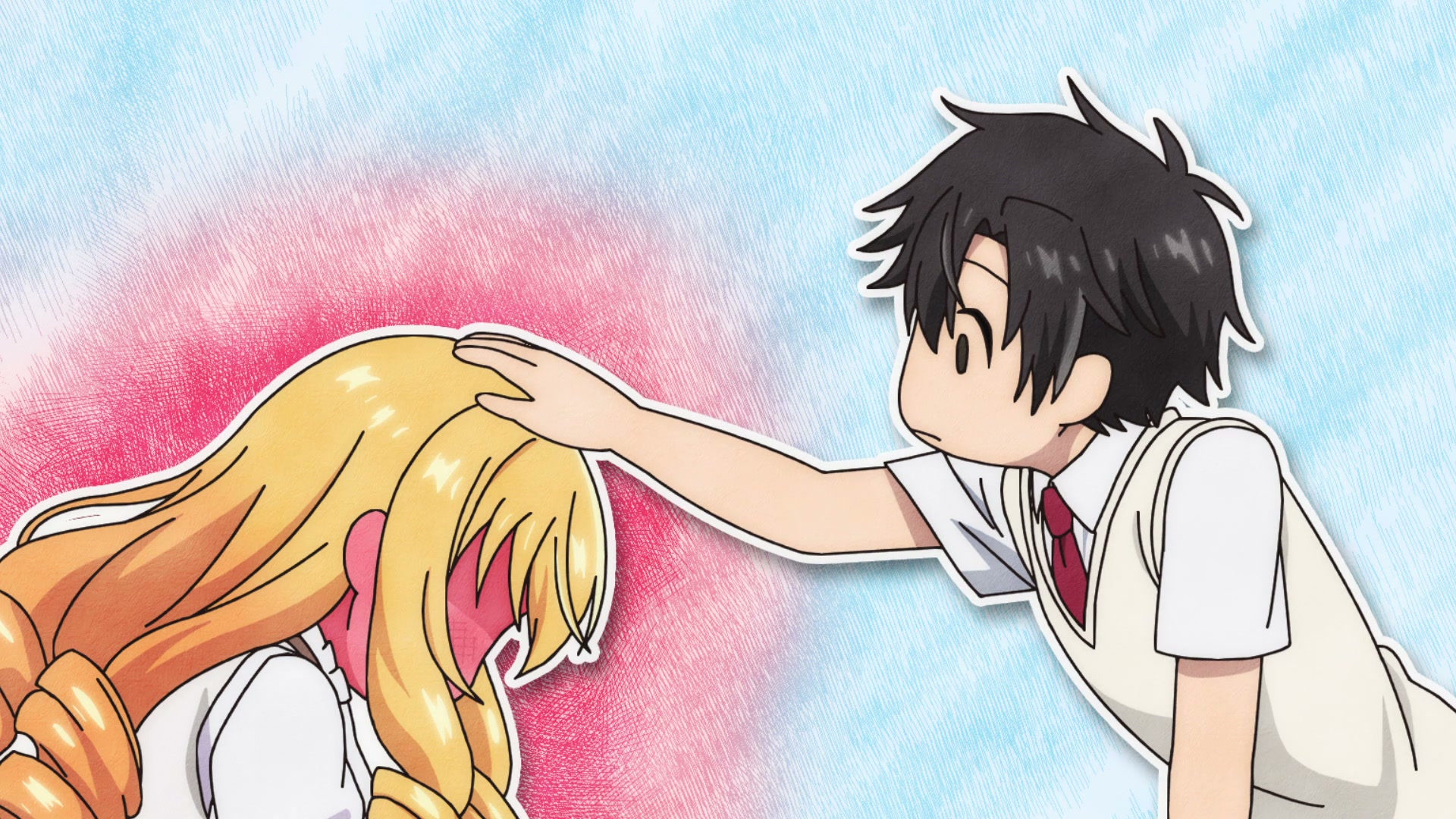
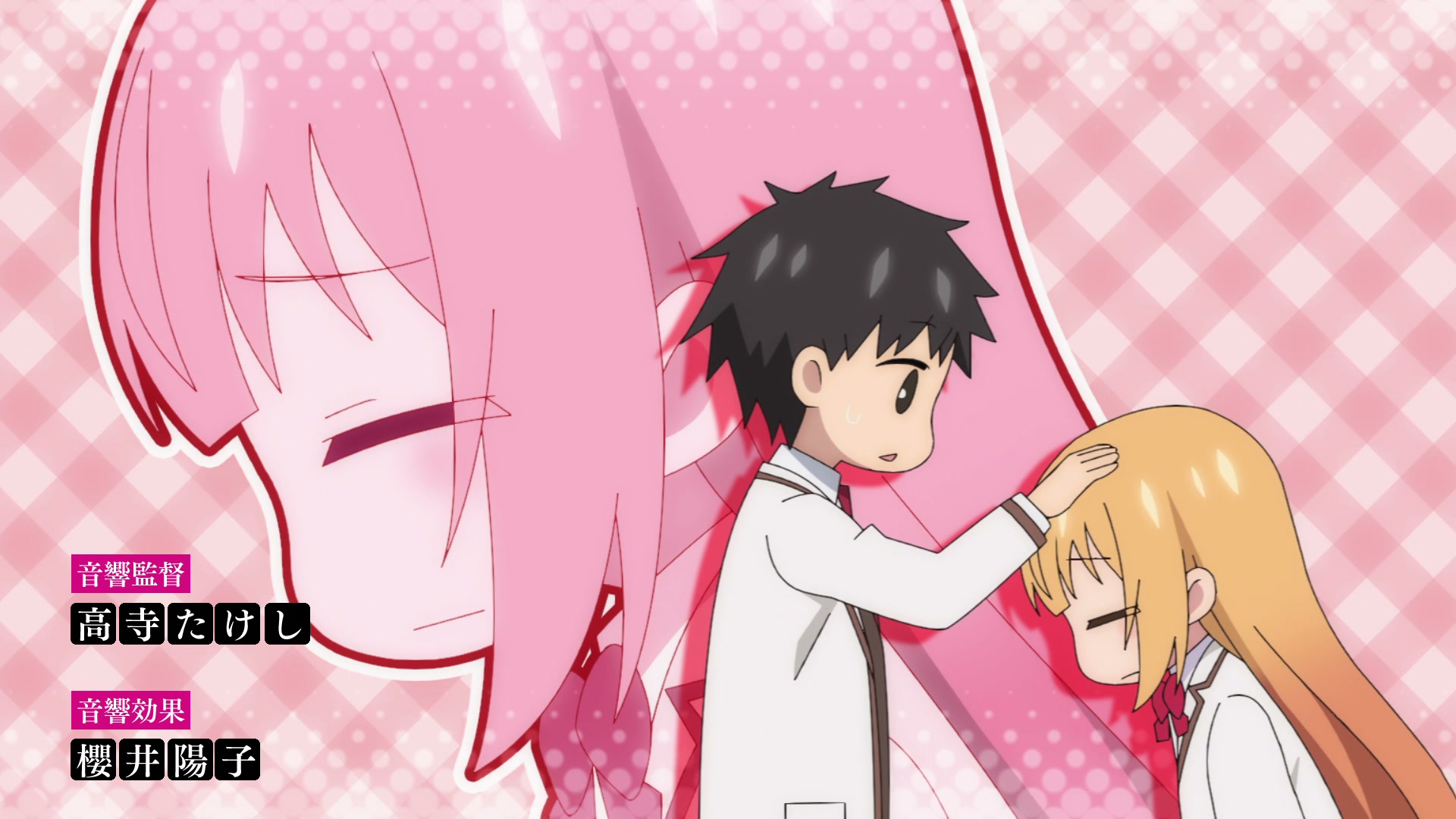
The Head Pat: The gesture of patting someone’s head recurs throughout the series as a symbol of care and comfort. Itsuki pats Hinako’s head when she’s tired or distressed. He pats Narika’s head when she needs reassurance. Mirei demands a head pat as a way of claiming equal treatment with Hinako. The gesture represents a form of care that transcends words, a physical expression of “I’m here, I see you, you’re okay.”
The Bath: The bathing scenes, always in swimsuits at Shizune’s insistence, represent a space of unusual intimacy between Itsuki and Hinako. The bath is a liminal space where normal social boundaries are suspended, where vulnerability is permitted. Itsuki washing Hinako’s hair, Hinako demanding he join her in the bath, these moments represent a domestic intimacy that goes beyond the professional relationship they’re supposed to have.
The Mansion: The Konohana family’s second home, which is Itsuki’s primary residence, symbolizes both the wealth that separates Hinako from ordinary life and the isolation that wealth imposes. The mansion is huge, luxurious, and completely unlike anything Itsuki has experienced. Yet it is also a kind of prison for Hinako, a space where she is constantly monitored and managed. The mansion represents the golden cage of privilege.
Narrative Structure and Pacing
The series follows a clear three-act structure across its twelve episodes. The first three episodes establish the premise and core relationships, introducing Itsuki’s situation, Hinako’s dual nature, and the school setting. The middle episodes deepen the complexity, introducing Mirei and Narika more fully, developing the romantic tensions, and exploring the psychological costs of performance. The final episodes integrate the various threads, bringing the characters together for the sports competition that serves as a culmination.
This structure is effective, but it does mean that some elements receive less development than others. Mirei’s arc feels compressed. Her introduction, her tutoring of Itsuki, her adoption revelation, her confrontation with him, and her decision to refuse the engagement all occur within a relatively short span. A longer adaptation might have given these beats more room to breathe.
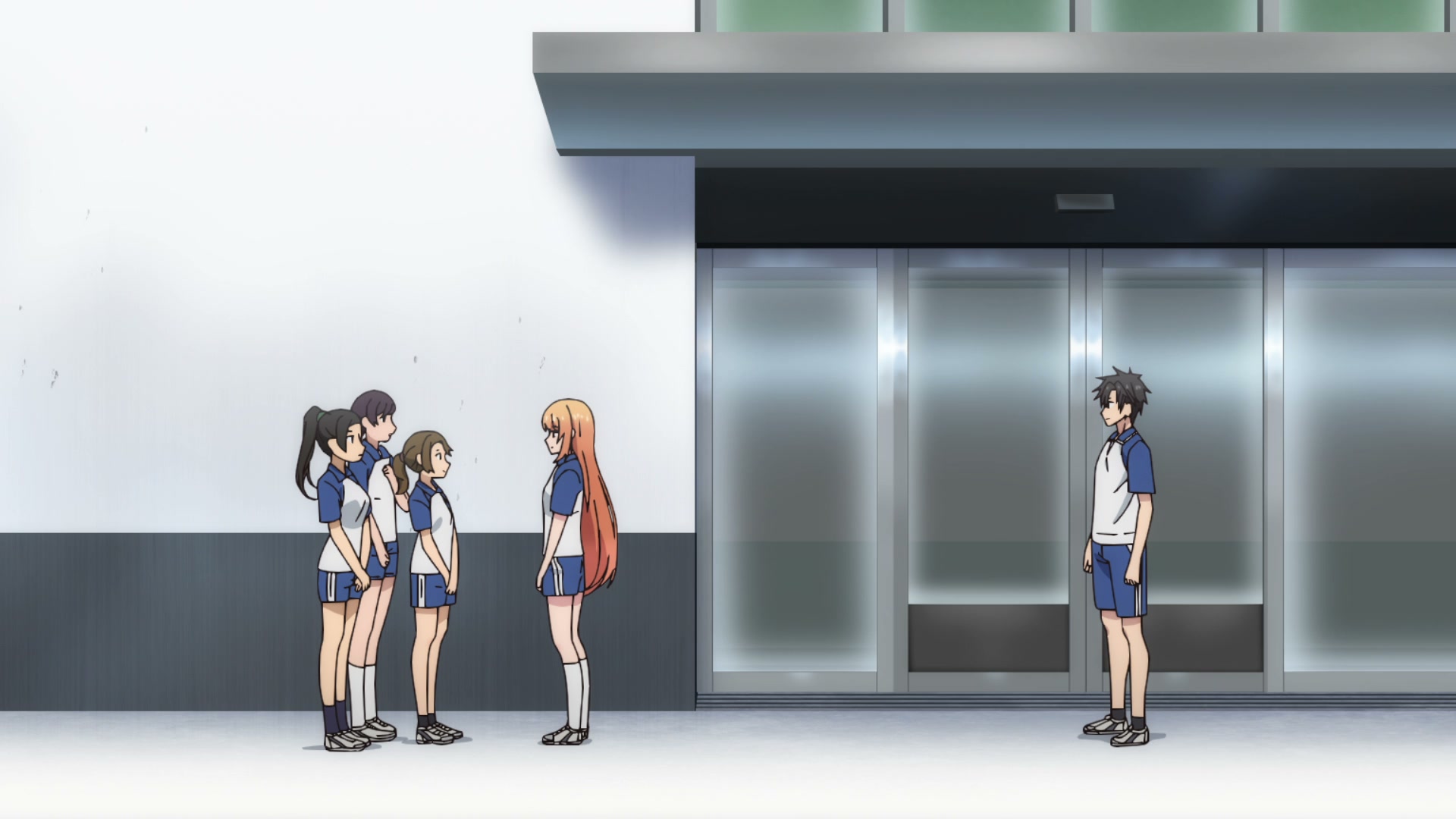
The sports competition arc in the final episodes serves as an effective climax. Narika’s kendo competition, in particular, provides a satisfying emotional payoff for her arc. The crowd’s changed reaction to her victory, from fear to admiration, demonstrates how far she has come.
Adaptation Considerations
As an anime-only viewer, I cannot speak to how faithfully this adaptation follows its source material. The series is based on a manga or light novel, and adaptations inevitably involve changes: compression of storylines, reordering of events, addition or removal of scenes.
What I can say is that the anime stands on its own as a coherent narrative. The pacing feels deliberate, with each episode building on the previous one to develop characters and relationships. The twelve-episode season covers a significant arc, from Itsuki’s introduction to the Konohana household through the sports competition that serves as a culmination, and this arc feels complete in itself.
If there are complaints from source readers about skipped content or changed characterization, I cannot evaluate those complaints without access to the source material. What I can say is that the anime version works as a self-contained story, and that any changes made for adaptation purposes don’t appear to have damaged the core narrative.
Characters
Tomonari Itsuki
Itsuki begins the series in a state of profound displacement. His parents have abandoned him after stealing his savings, leaving him with nothing but the instinct to survive. This backstory is crucial to understanding his character. He is someone who has never had stability, never had anyone to depend on, and has learned to survive through sheer determination and adaptability.
His acceptance of the caretaker role is purely pragmatic. Twenty thousand yen per day, room and board, and school enrollment represent salvation from imminent homelessness. Yet the series quickly reveals that Itsuki’s capacity for care transcends mere employment. His behavior during the kidnapping, shielding Hinako, tending to her scraped knee, offering his lap as a pillow, demonstrates an instinctive protectiveness that predates any formal arrangement.
Itsuki’s emotional journey across the series is one of increasing self-awareness and intentional investment. Initially, he performs his role without questioning its implications. He follows Shizune’s instructions, maintains his cover story, and manages Hinako’s demands with patient efficiency. But as he grows closer to Hinako and the others, his investment becomes genuinely personal. His declaration that he wants to “become worthy of you” represents a shift from obligation to aspiration. He no longer merely wants to keep his job. He wants to be the person Hinako deserves.
What makes Itsuki compelling as a protagonist is his emotional availability. Unlike the heroines, who are constrained by their performances and social positions, Itsuki is relatively free to express his feelings. He tells Hinako she is precious to him. He challenges Mirei’s assumptions about her parents. He encourages Narika to be herself. This emotional openness is both a strength and a vulnerability. It makes him trustworthy, but it also exposes him to manipulation and hurt.
His relationships with the three heroines are distinct and well-differentiated. With Hinako, there is domestic intimacy and the weight of daily care. With Mirei, there is intellectual partnership and mutual challenge. With Narika, there is shared history and the awkwardness of reconnection. The series wisely avoids forcing a definitive romantic resolution, allowing these relationships to exist in productive tension.
Konohana Hinako
Hinako is a fascinating protagonist because her flaws are so extreme they become endearing. She is lazy, demanding, emotionally constipated, and completely dependent on others for basic tasks. Yet her vulnerability, her desperate desire for connection, her fear of abandonment, and her willingness to trust Itsuki completely make her sympathetic rather than insufferable.
The gap between her public and private selves is the source of both comedy and pathos. The series doesn’t judge her for this duality. Instead, it presents it as a survival mechanism she has developed to navigate an impossible situation. Her collapse after the disastrous business luncheon isn’t just about stress. It’s about the fundamental incompatibility between who she is and who she’s expected to be.
Beneath her demanding exterior lies profound loneliness. She has never had real friends. The people who surround her at school are hangers-on attracted by her status. Her caretakers have all quit within weeks, unable to handle her demands or form genuine connections. She is isolated within her own privilege.
Her attachment to Itsuki is therefore both natural and desperate. He is the first person who has accepted her as she is without judgment, who has stayed past the point where others have fled, who has seen her at her worst and remained. Her declaration that he is “all I need” is not romantic hyperbole but a statement of genuine dependence.
Hinako’s emotional development over the series is gradual and uneven. She begins as someone who treats Itsuki as a convenient object. But as their relationship deepens, she begins to recognize her feelings for him as something more than simple dependence. Her embarrassment when he sees her drooling, her request that he stop providing wake-up calls, her flustered reaction when he pats her head at the party, these all indicate a growing awareness of him as a person rather than a function.
Tennoji Mirei
Mirei is the series’ most complex character, and her arc is arguably the most emotionally resonant. Initially presented as a rival to Hinako, she is revealed to be someone who has constructed her entire identity around being “worthy” of the Tennoji family. Her competitive drive, her affected speech, even her dyed hair are all attempts to embody an ideal of aristocratic excellence.
Her adoption revelation recontextualizes everything. She is not trying to maintain a legacy but to earn one. The pressure she puts on herself isn’t from external expectations but from internal insecurity. She believes that being adopted means she must constantly prove her worth, that her place in the Tennoji family is contingent on her performance.
This pressure is entirely self-imposed. Her parents have never suggested she needs to earn their love. But Mirei cannot accept love that feels unearned. When Itsuki helps her realize that her parents care about her happiness, not her performance, it’s a genuine breakthrough.
Her romantic feelings for Itsuki develop naturally from their tutoring sessions and shared experiences. Her statement that she’ll “see to it that you choose me” is both confident and vulnerable. She’s declaring her intention while acknowledging the competition. She knows she is not the only one who cares for Itsuki, and this awareness of rivalry, and her determination to win despite it, reveals a capacity for romantic feeling that she has long suppressed.
Miyakojima Narika
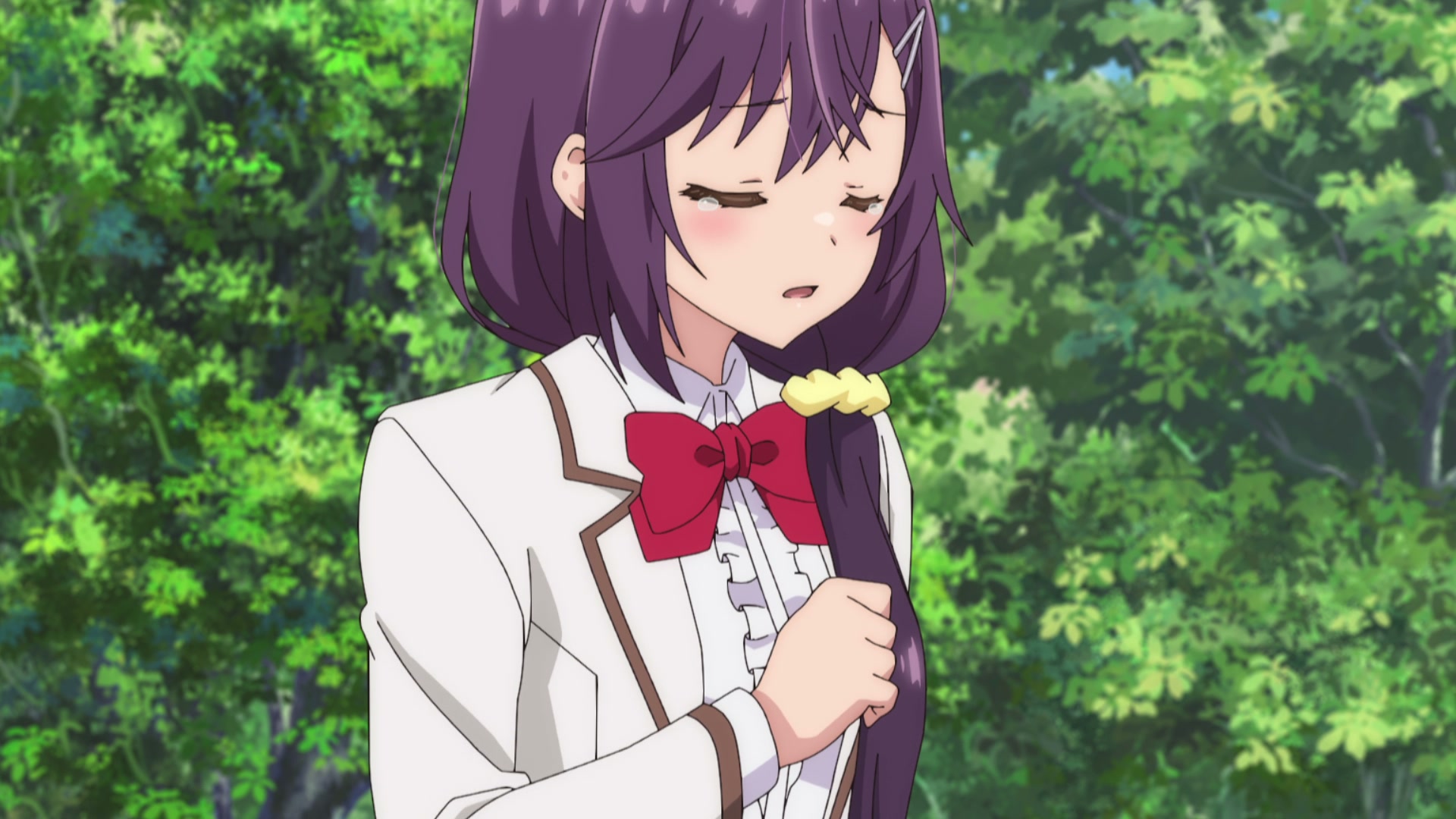
Narika serves as both a connection to Itsuki’s past and a parallel to Hinako’s present. Like Hinako, she is trapped by others’ perceptions. In her case, the assumption that she is a violent yakuza rather than a socially anxious girl. Her struggle to make friends despite her intimidating appearance is played for comedy but rooted in genuine pain.
Her connection to Itsuki dates back to their childhood. When Itsuki was ten, his mother took him to stay with her estranged family, the Miyakojima household. Young Itsuki became caretaker to young Narika, a cowardly girl terrified of the outside world. He took her on secret excursions to candy shops and parks, showing her the joys of ordinary life. They were discovered, and Itsuki and his mother were expelled from the household. Narika never forgot him.
This history creates a bond that is both deep and complicated. Narika’s feelings for Itsuki are intertwined with gratitude, admiration, and the intensity of childhood memory. Her declaration that “you’re the only one for me” at the sports competition is the culmination of this history. It is both a confession of romantic feeling and a statement of dependence.
The series handles this with sensitivity, allowing her to express her feelings without forcing a resolution. Her growth, from isolated loner to someone with genuine friendships, is satisfying precisely because it doesn’t depend on romantic reciprocation. She learns to connect with others beyond Itsuki, and this expansion of her world is presented as a genuine triumph.
Supporting Characters
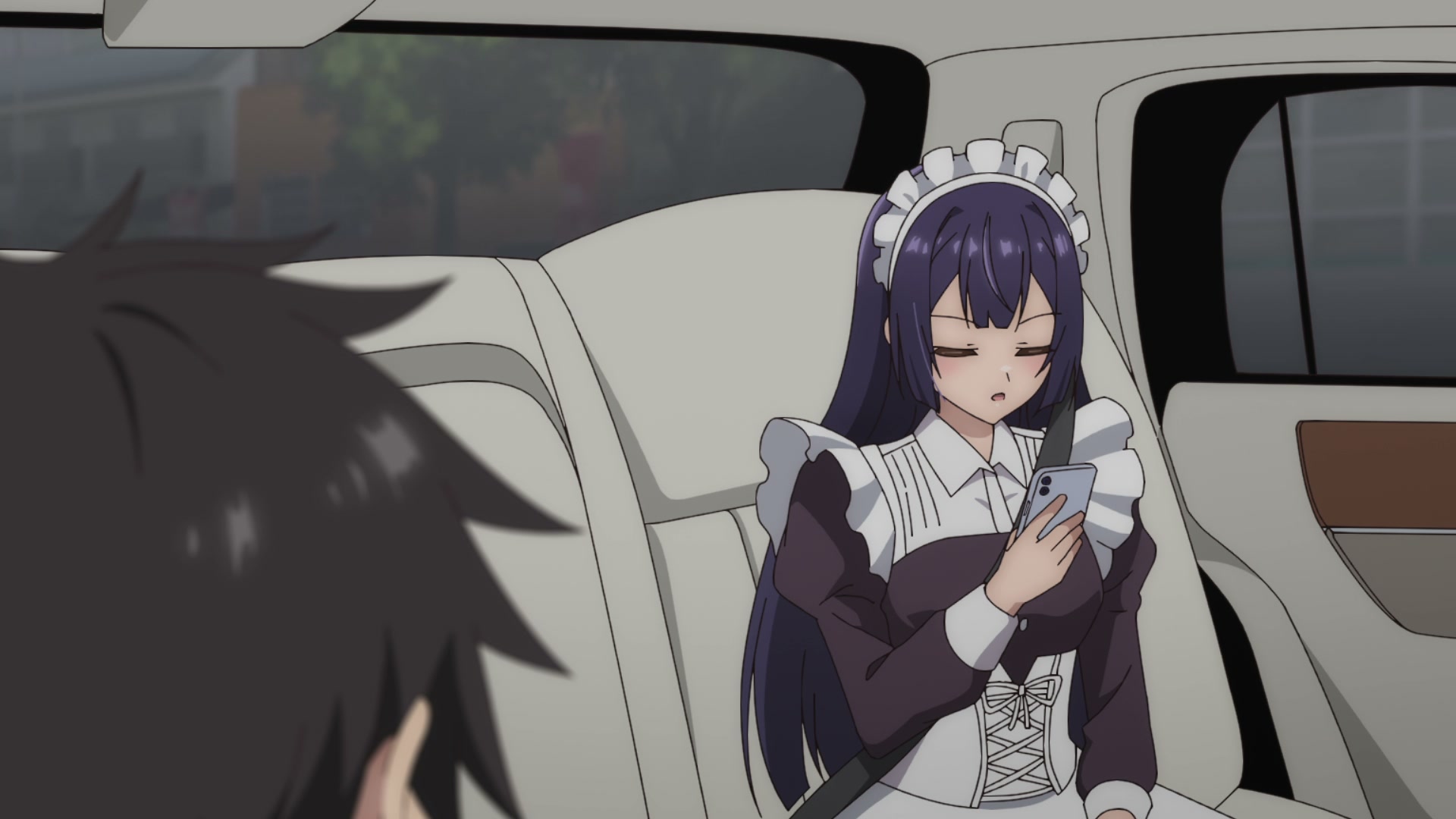
Tsurumi Shizune deserves mention as the series’ secret weapon. As Hinako’s maid and Itsuki’s mentor, she is the practical backbone of the Konohana household. Her deadpan delivery, her martial arts skills, her willingness to provide “ED medicine” (revealed to be vitamins) as a test of Itsuki’s character, she is consistently entertaining.
But Shizune is more than comic relief. Her loyalty to Hinako, her growing trust in Itsuki, and her nuanced understanding of the family’s dynamics make her a genuinely wise figure. Her statement that she is “on Her Ladyship’s side” while serving Kagen-sama reveals the moral complexity of her position. She serves the family while advocating for the individual.
Konohana Kagen is a complex figure. A father who genuinely loves his daughter but cannot express that love in ways she can understand. His treatment of Itsuki is pragmatic. He hires Itsuki because Hinako seems comfortable with him, fires him when he becomes a liability, and rehires him when his connections prove valuable. He is not sentimental. He evaluates people based on their utility to the family. Yet he is not heartless. He is genuinely pleased when Hinako makes friends, and he recognizes her talents even as he struggles to express pride in her.
The parents of Mirei and Narika serve as foils to Kagen. Tennoji Masatsugu and Tennoji Hanami clearly prioritize their daughter’s happiness over family expectations. Miyakojima Musashi‘s overprotectiveness masks genuine concern. These different parenting styles illuminate the various ways that family can both support and constrain.

Visuals and Animation
Art Direction and Overall Style
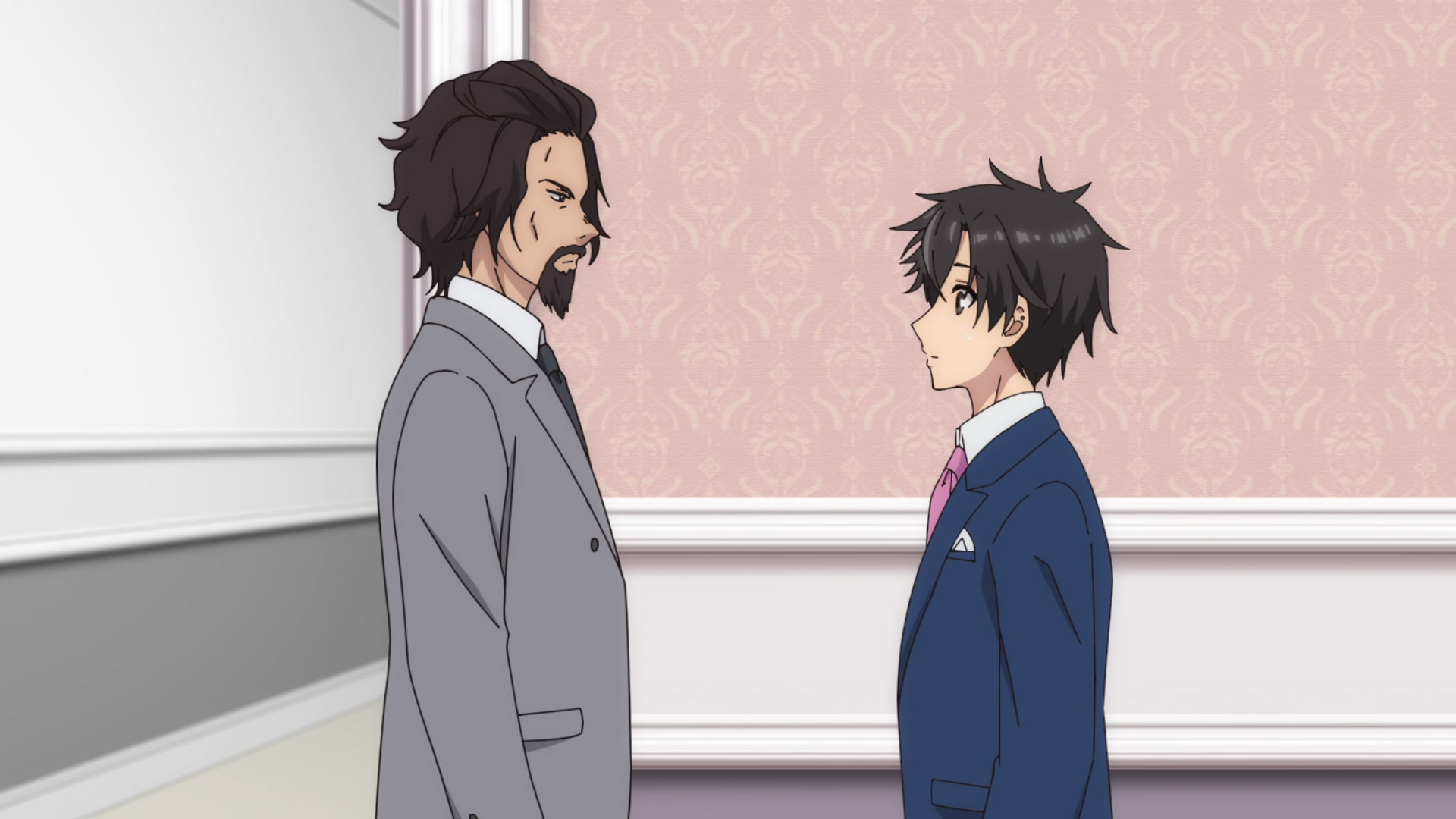
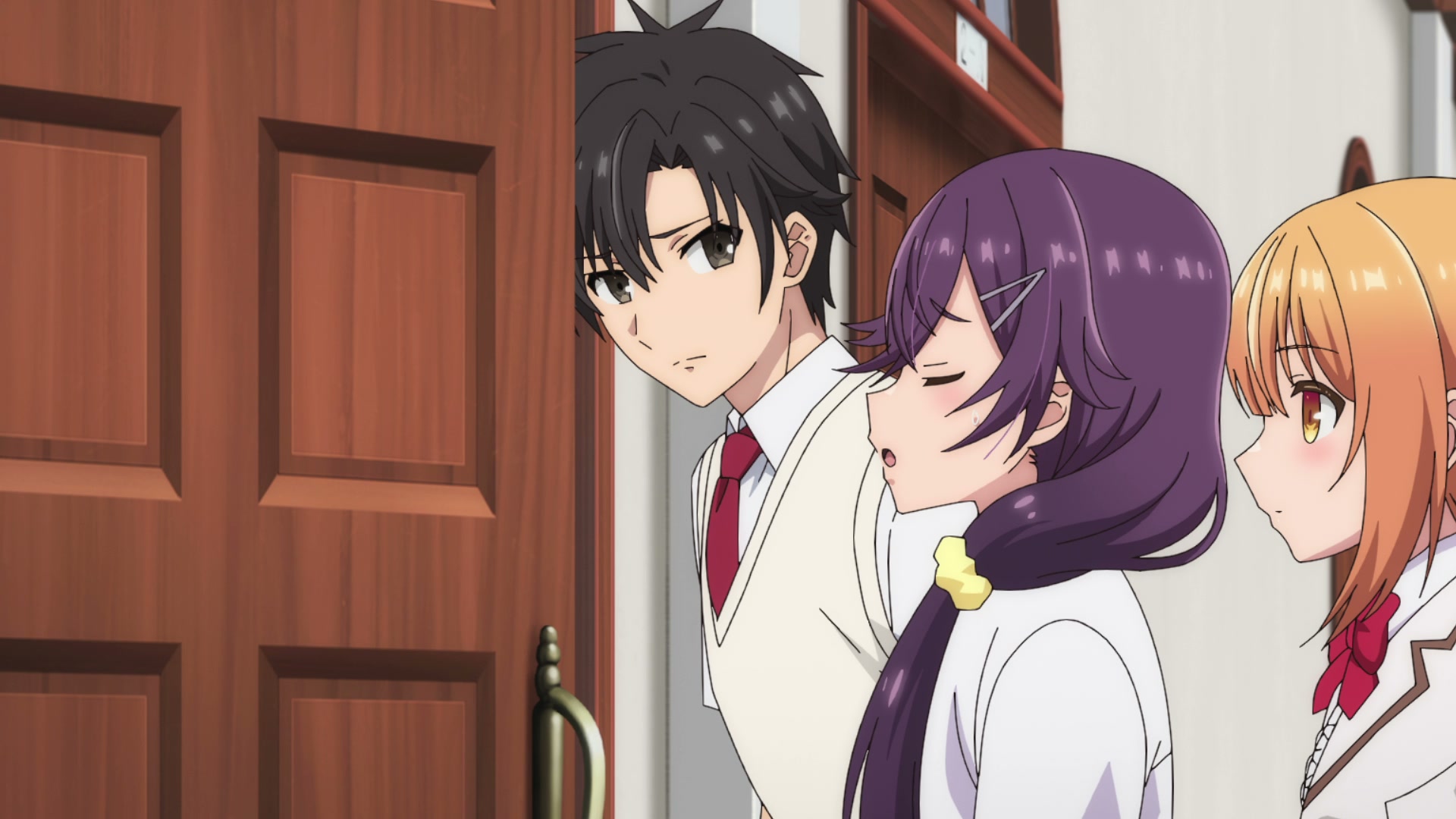
The series employs a clean, polished digital animation style typical of contemporary romantic comedy and slice-of-life productions. The aesthetic is bright and airy, prioritizing clarity and character readability over gritty texture or heavy atmospheric effects. The linework is thin, consistent, and crisp, avoiding the sketchy or rough textures seen in more indie or artistic productions.
This approach has both strengths and limitations. On the positive side, it creates a visually pleasant experience that never distracts from the character interactions. The clean aesthetic suits the series’ tone. It’s a story about relationships and emotional growth, not action or spectacle, and the visual style supports this focus.
On the negative side, the style is somewhat generic. It adheres closely to industry standards for high-quality light novel adaptations without taking significant stylistic risks. Viewers familiar with the genre will find the visual language immediately recognizable, which can be comforting or disappointing depending on one’s perspective.
Character Design and Consistency
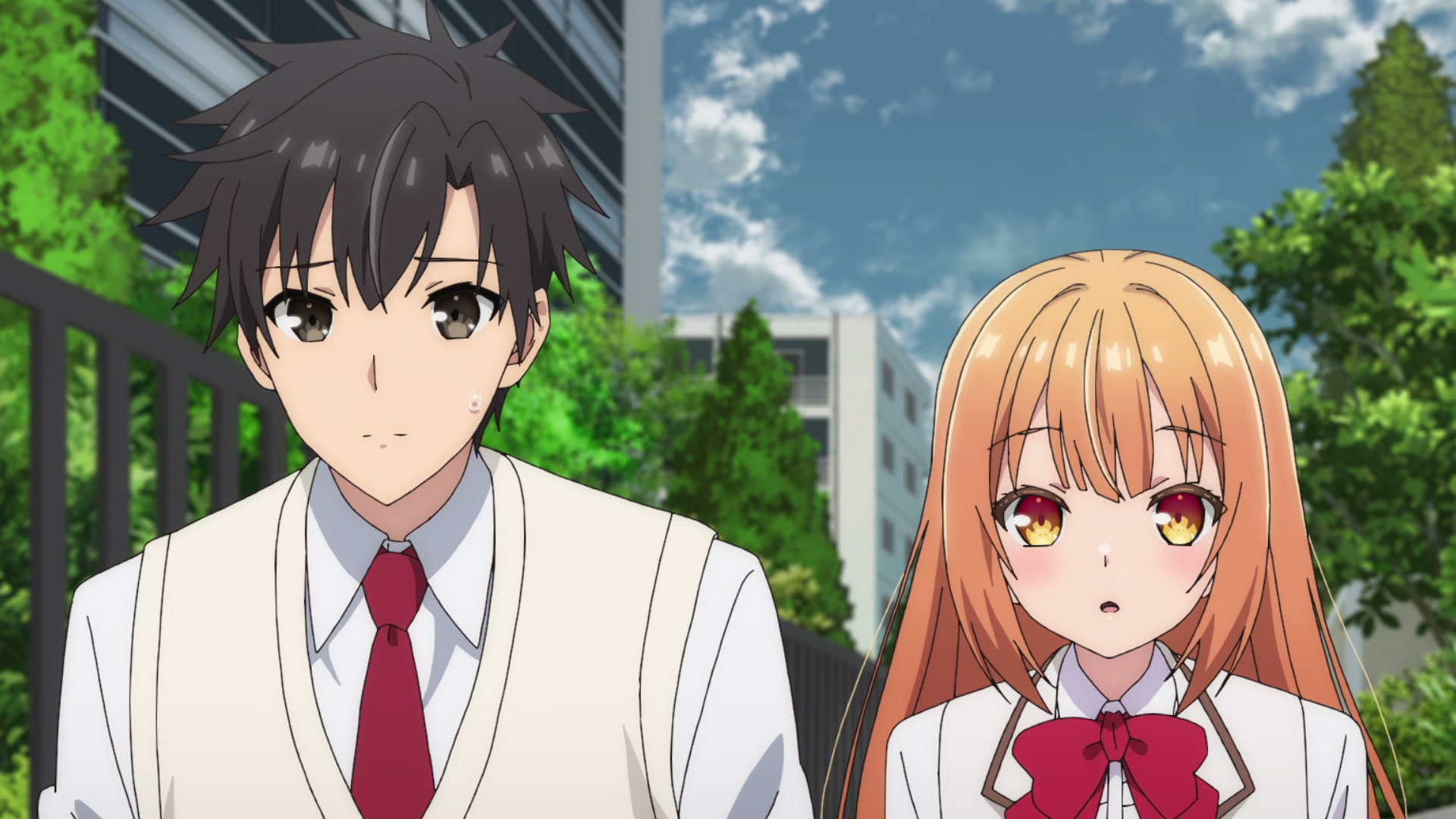
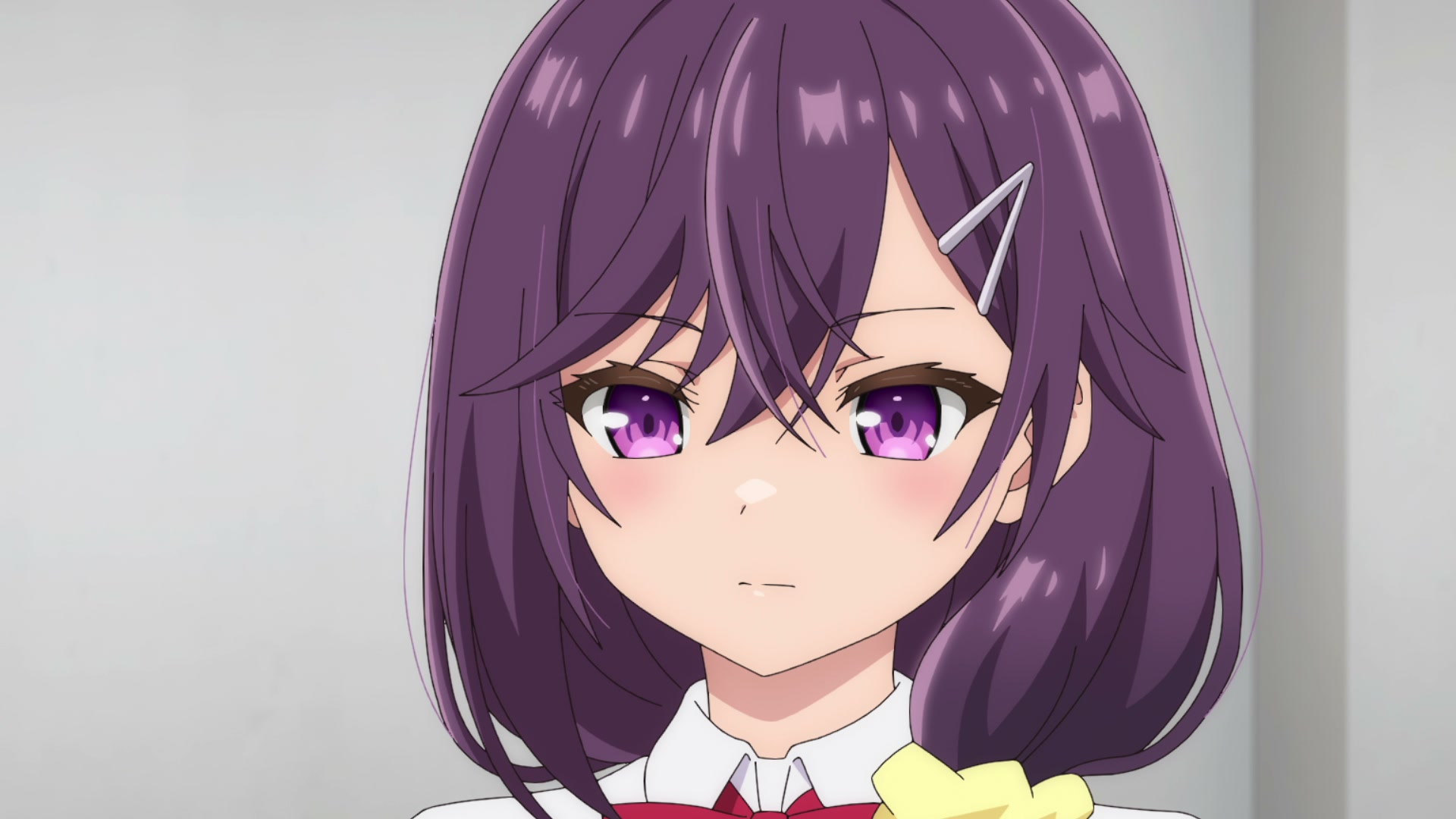
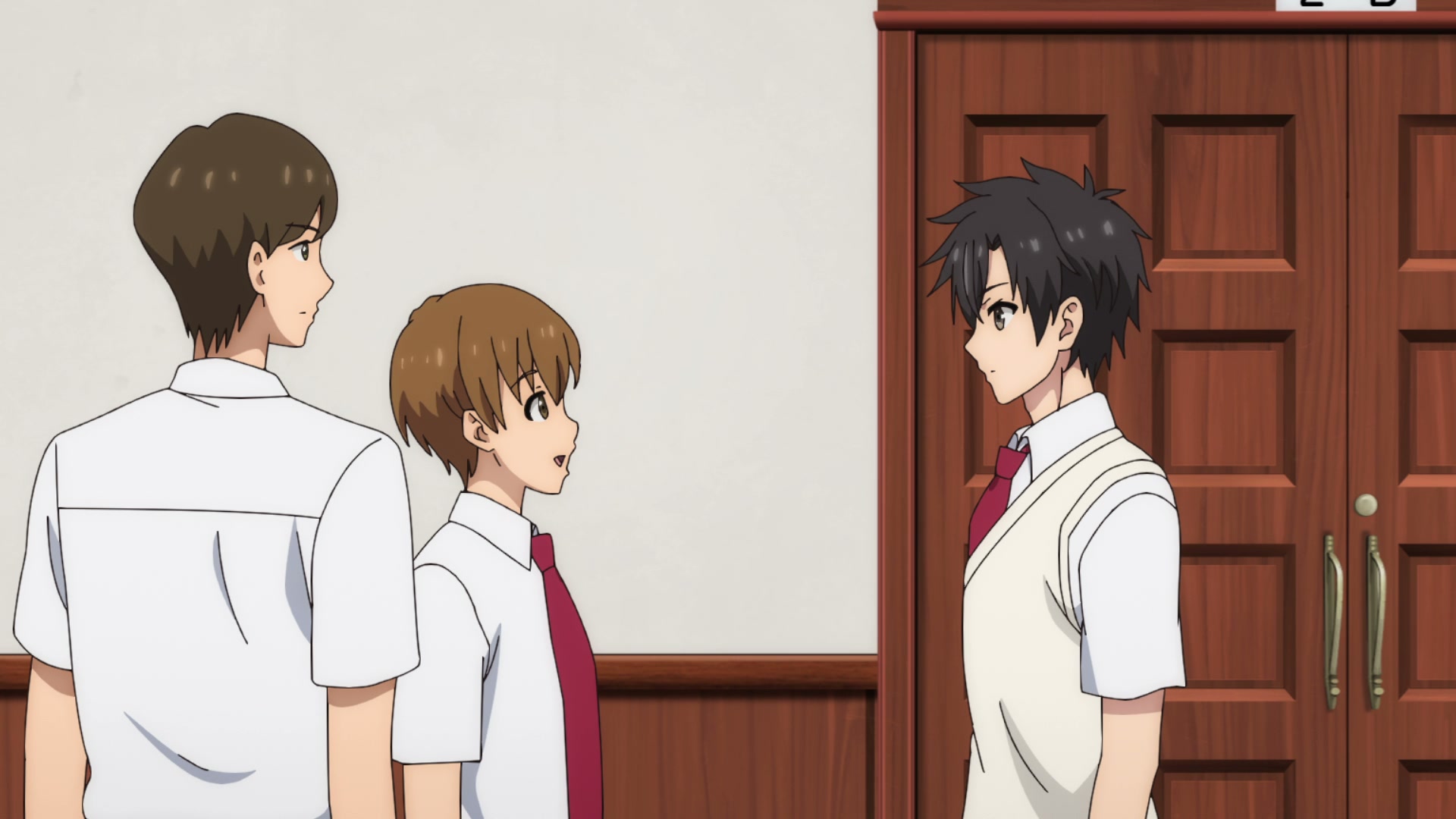
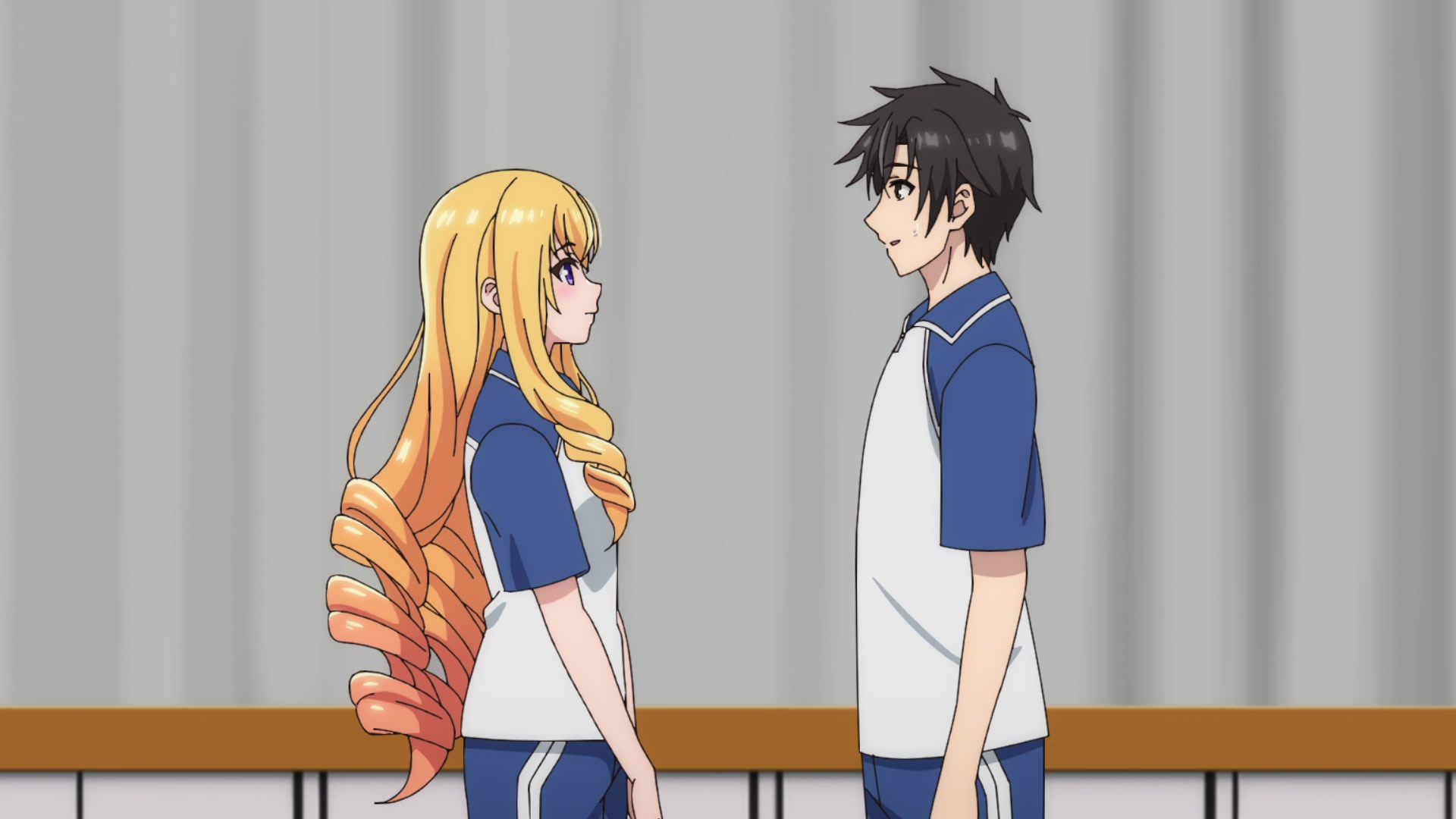
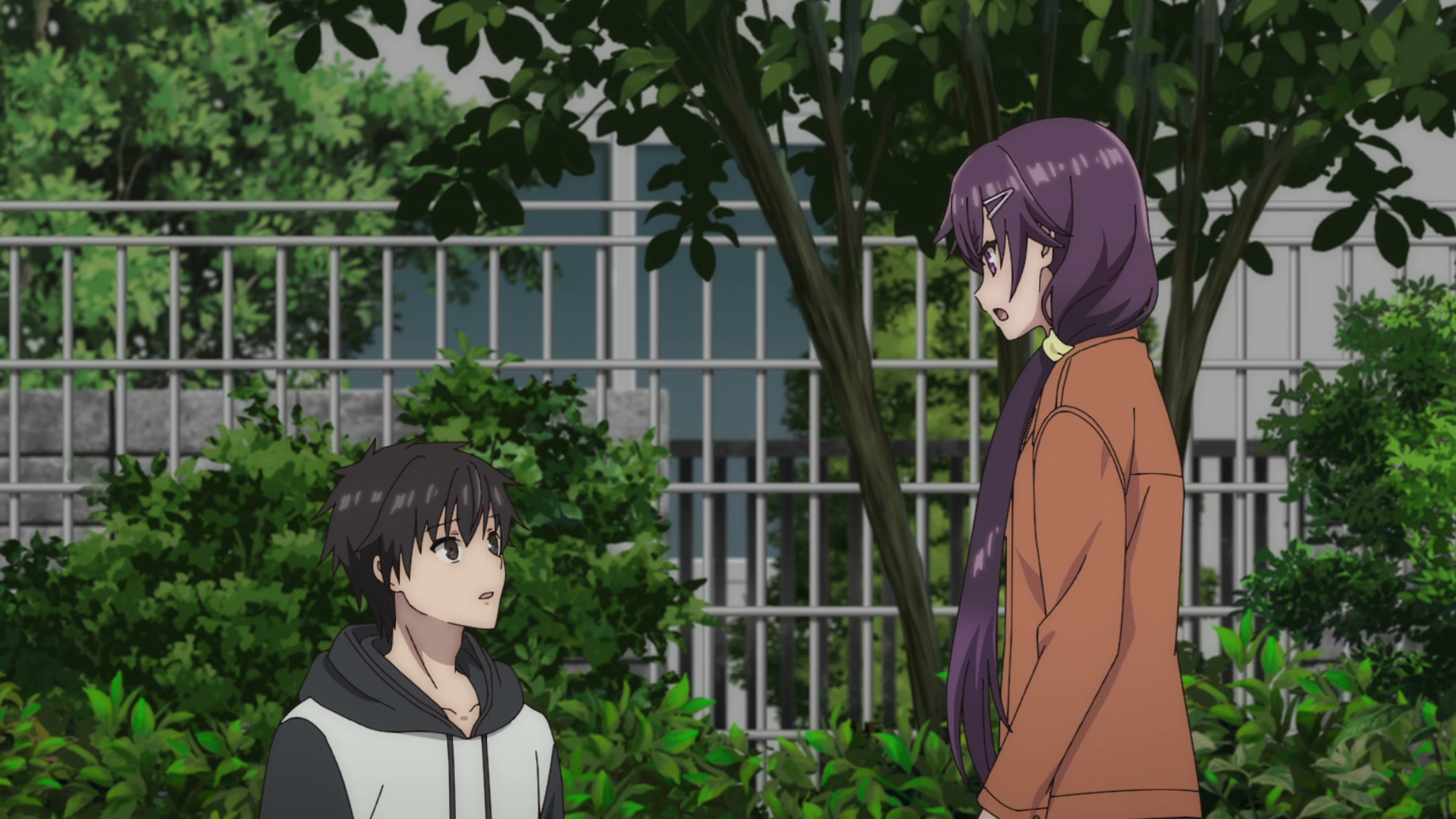
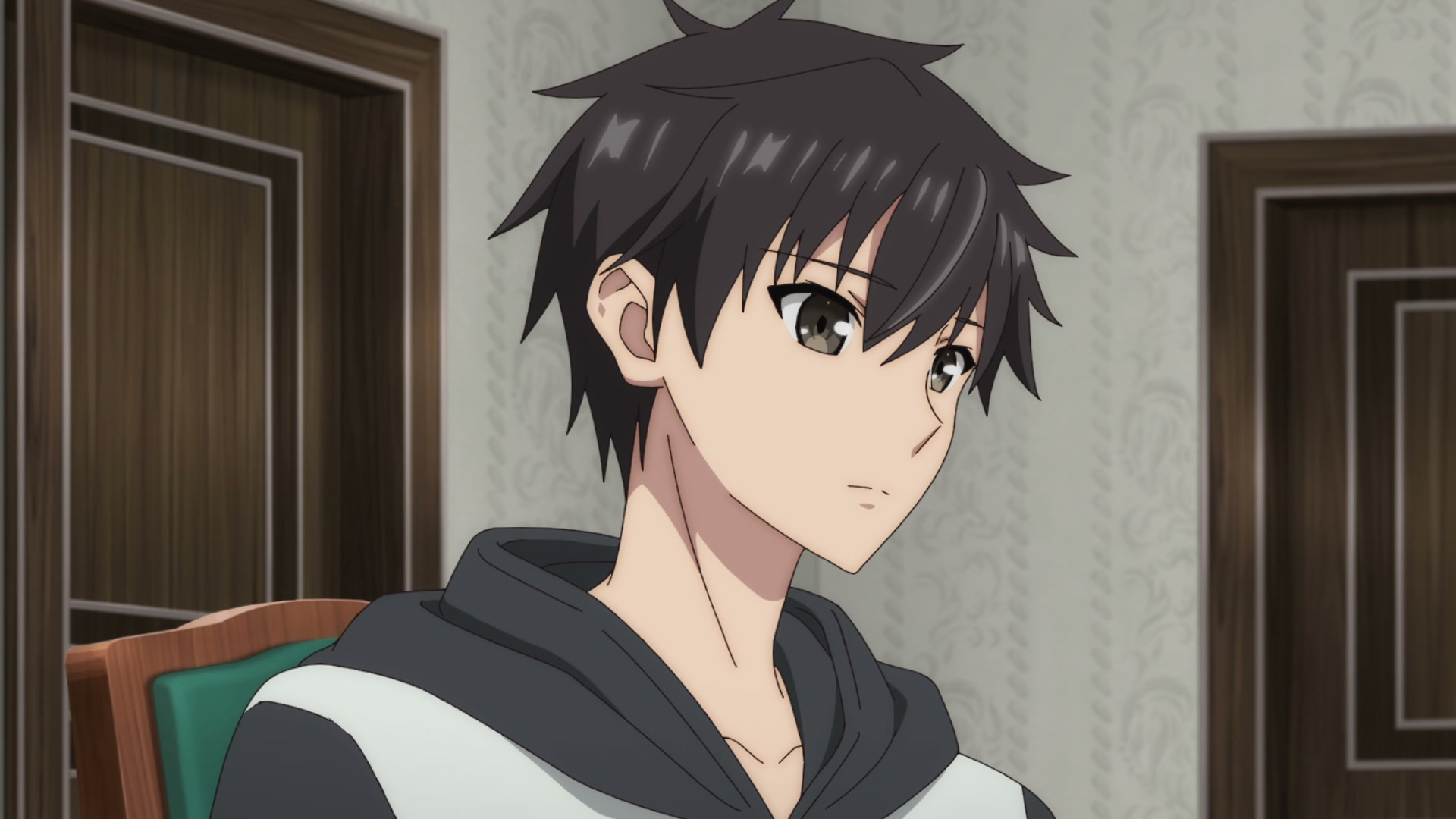
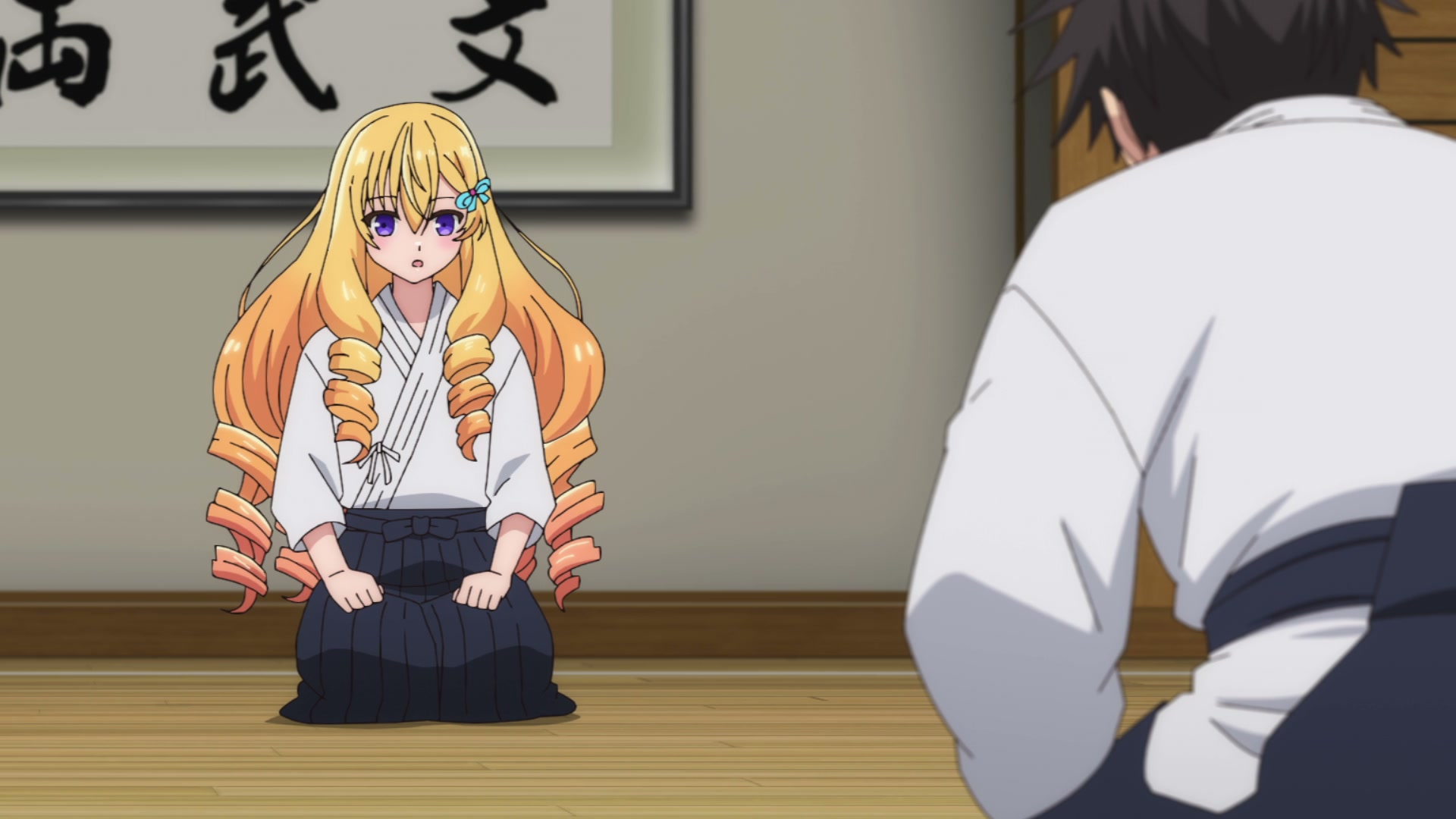
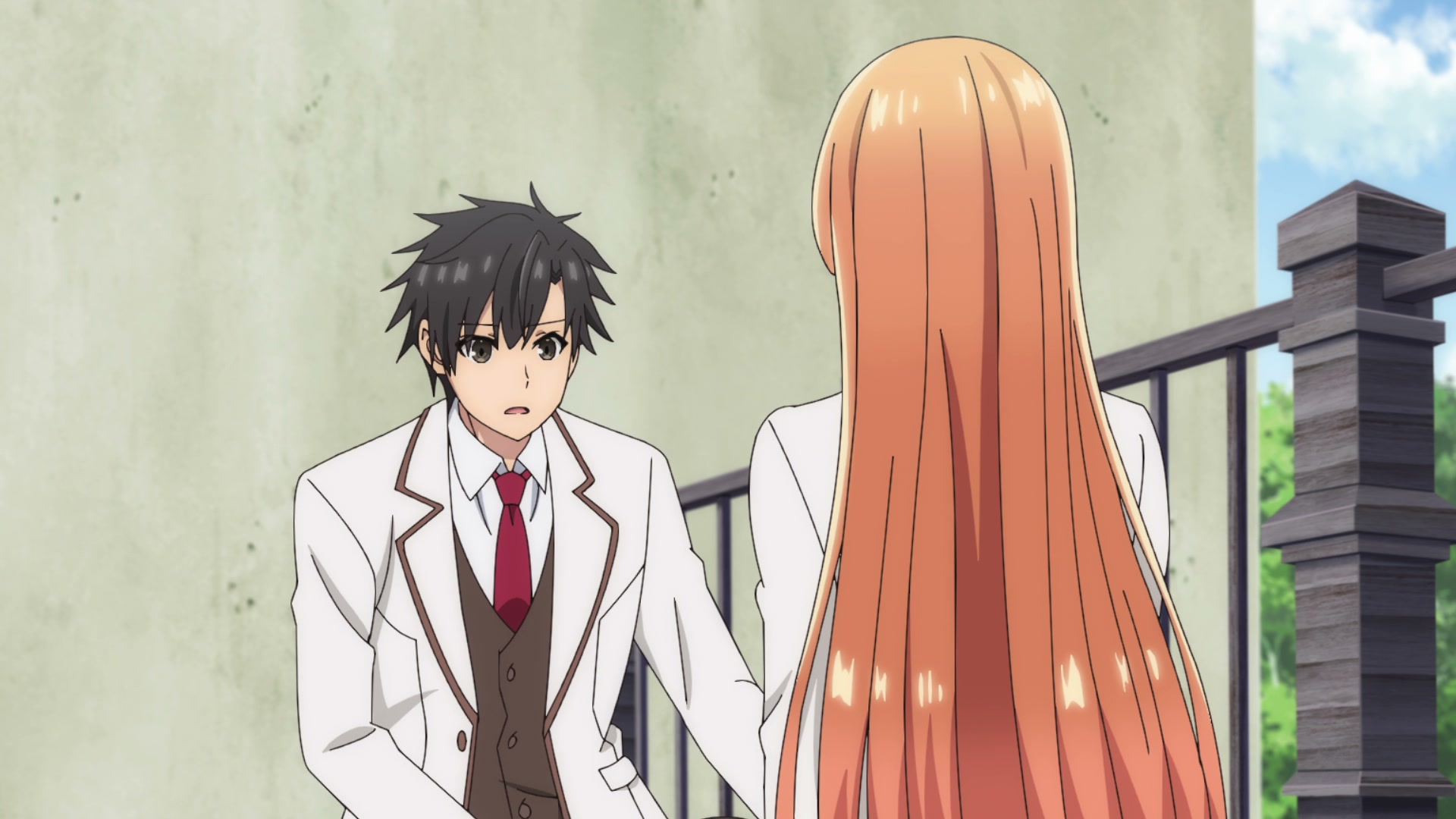
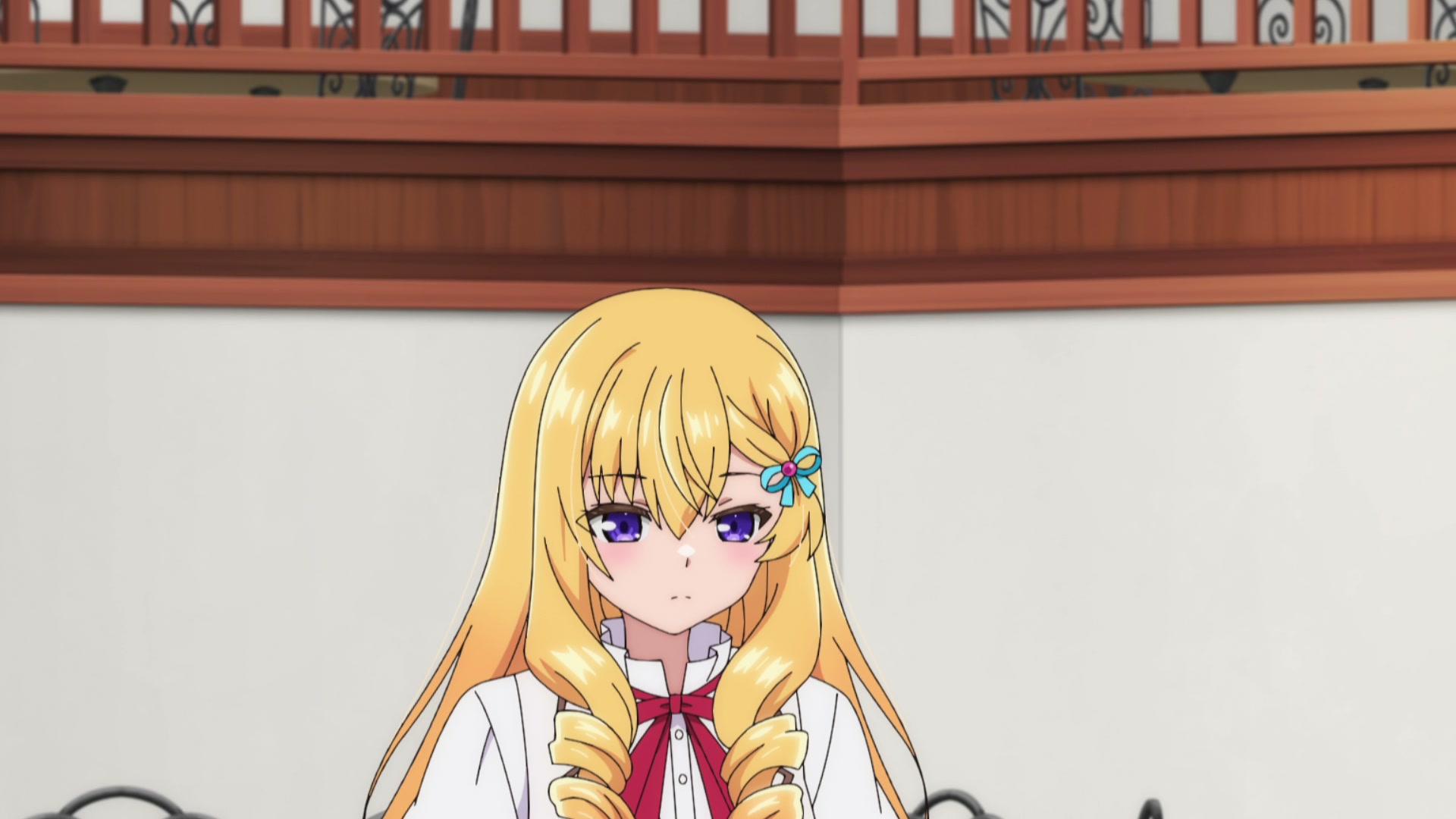
Character designs follow modern conventions with distinct silhouettes and color coding to ensure immediate recognition across a varied cast. The visual identity relies heavily on hair design, ranging from Itsuki’s spiky black hair to female leads distinguished by purple bobs, blonde spiral “drill” curls, and orange hues. These designs persist consistently across a wide variety of costumes, including Western-style private school uniforms, casual wear, gym tracksuits, traditional Japanese garments, and even kendo gear.
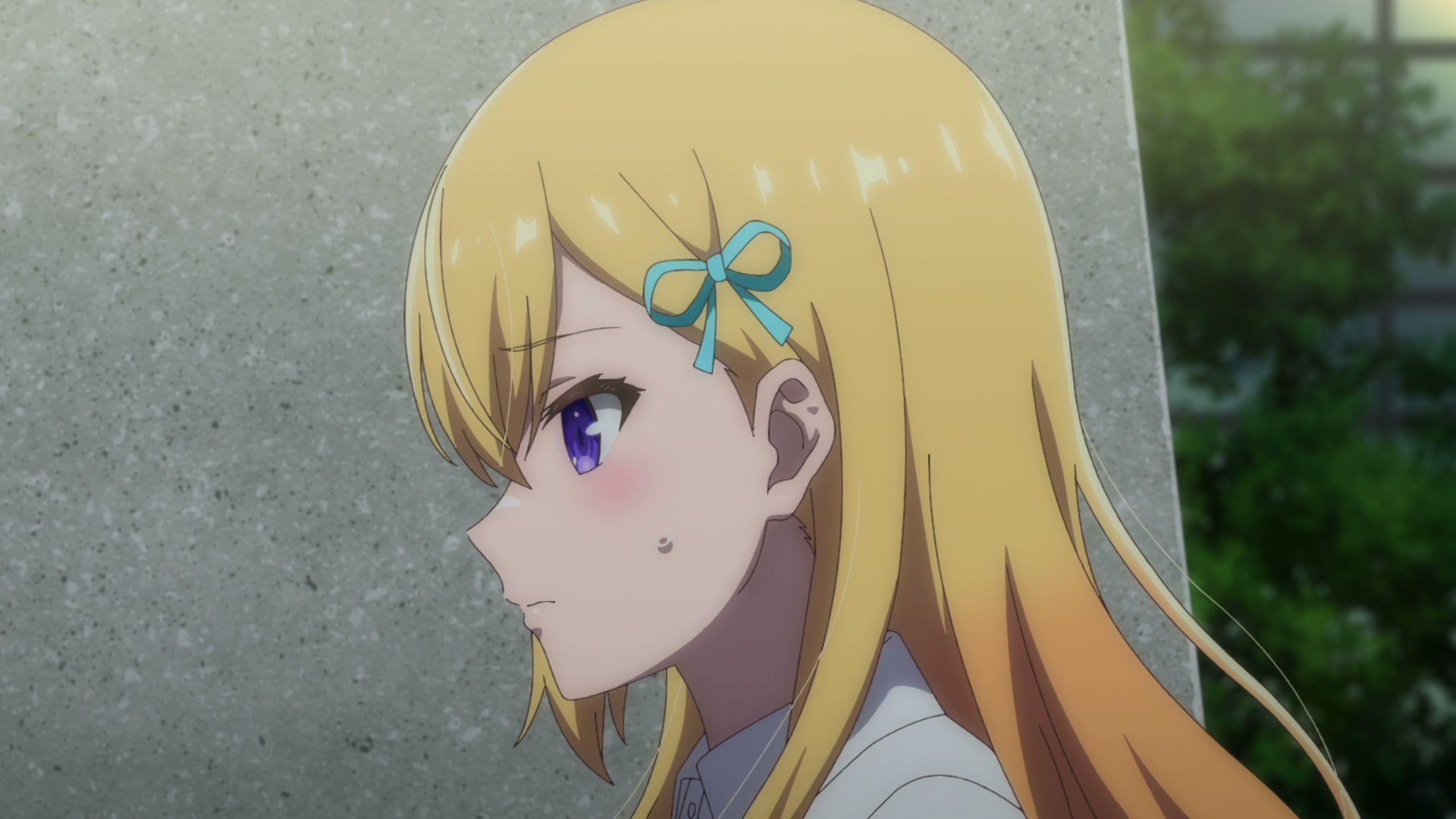
The rendering of characters is high-quality, with a noticeable emphasis on glossy elements. Hair features prominent, sharp highlights suggesting high-quality digital compositing. Eyes are a focal point, rendered with detailed gradients and multiple light reflections to give them a jewel-like quality. This attention to detail in the character rendering elevates the otherwise conventional designs.
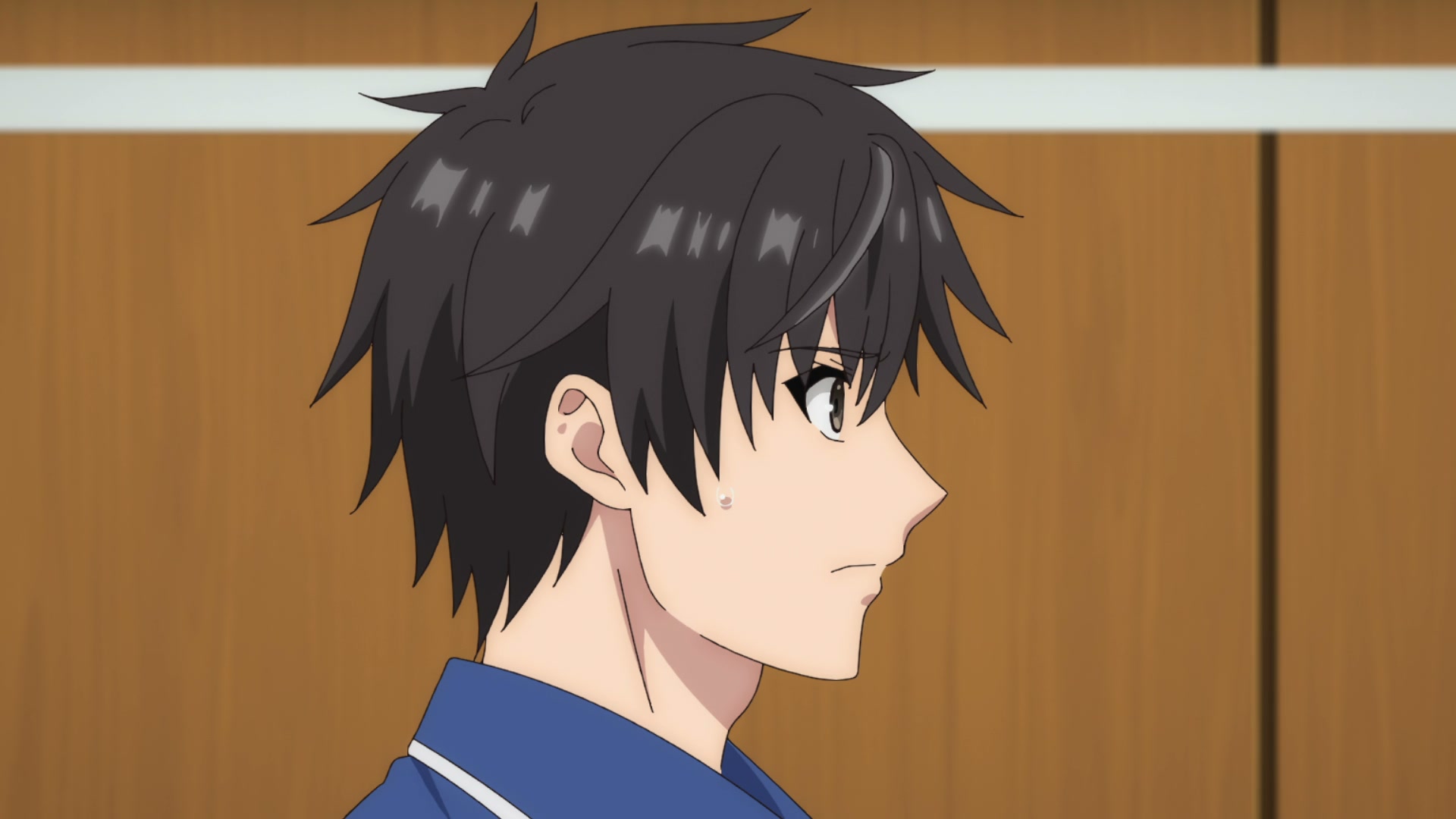
The male protagonist’s design is notably generic, the “everyman” look that serves to ground the more eccentric female leads. This is a deliberate choice that serves the narrative function of making Itsuki relatable to the audience, but it does mean he lacks visual distinctiveness compared to the heroines.
Facial Expressions and Character Acting
This is arguably the strongest aspect of the visual presentation. The series showcases a wide dynamic range in character acting, blending drama and comedy through visual shorthand.
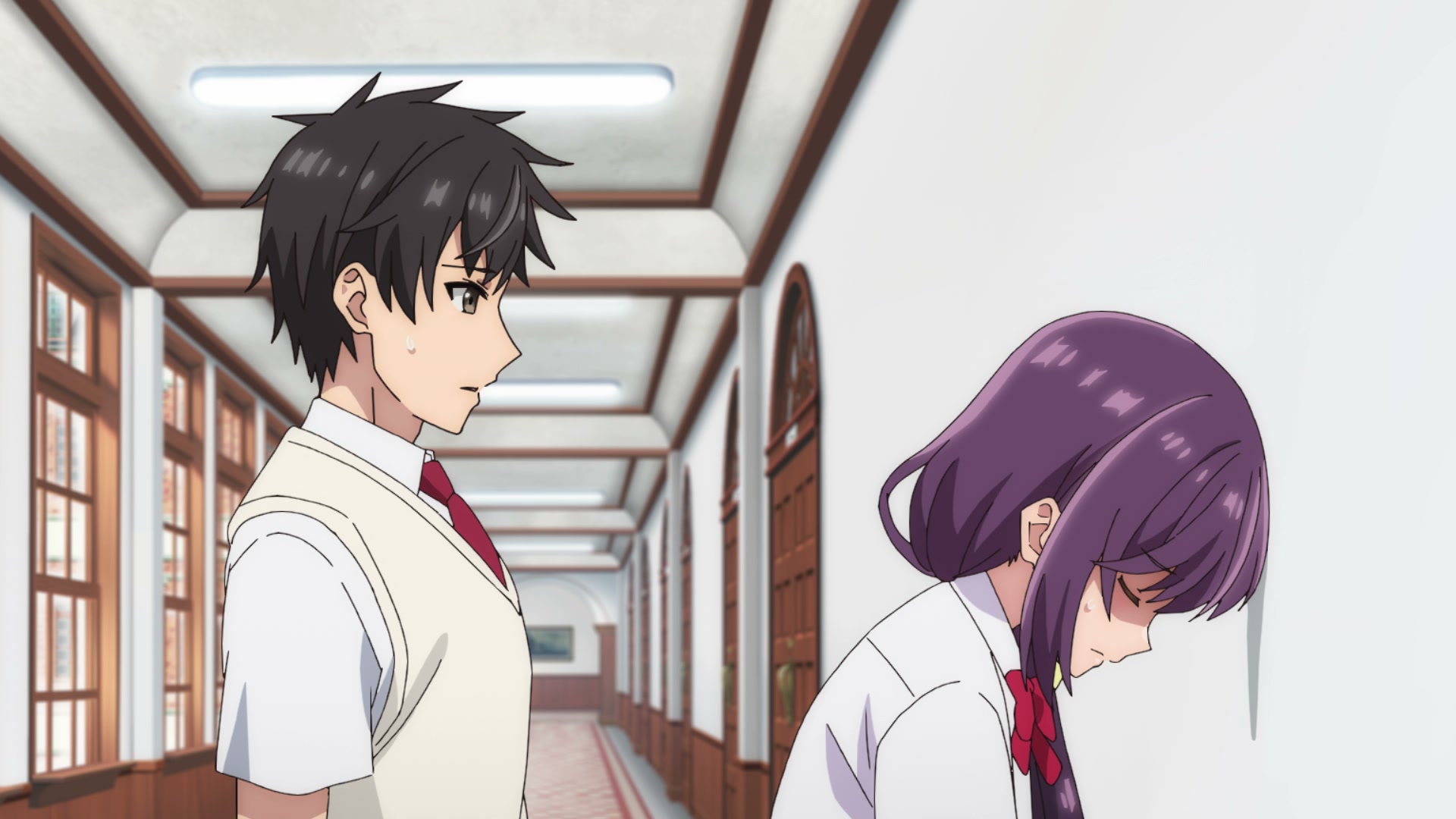
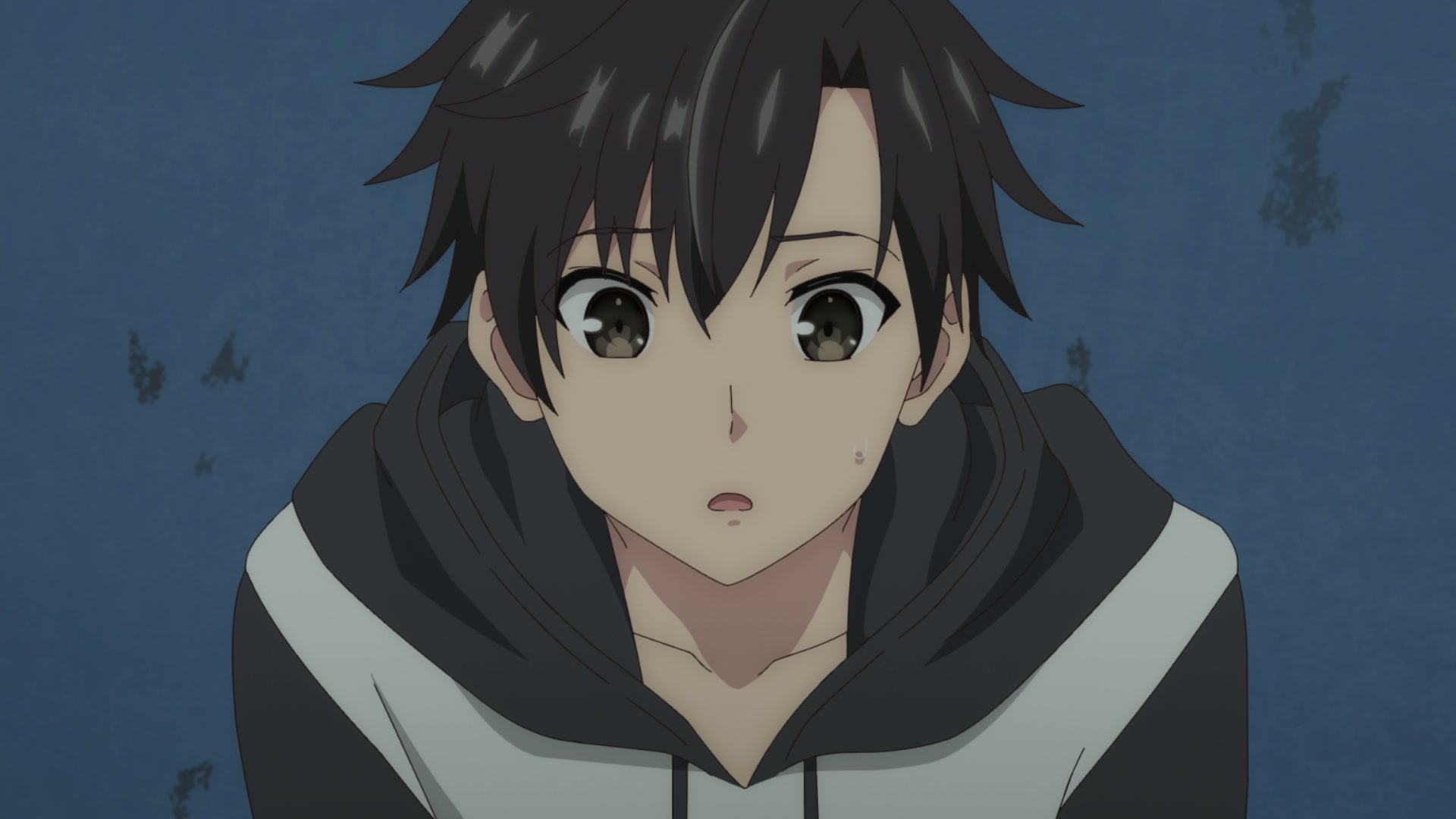
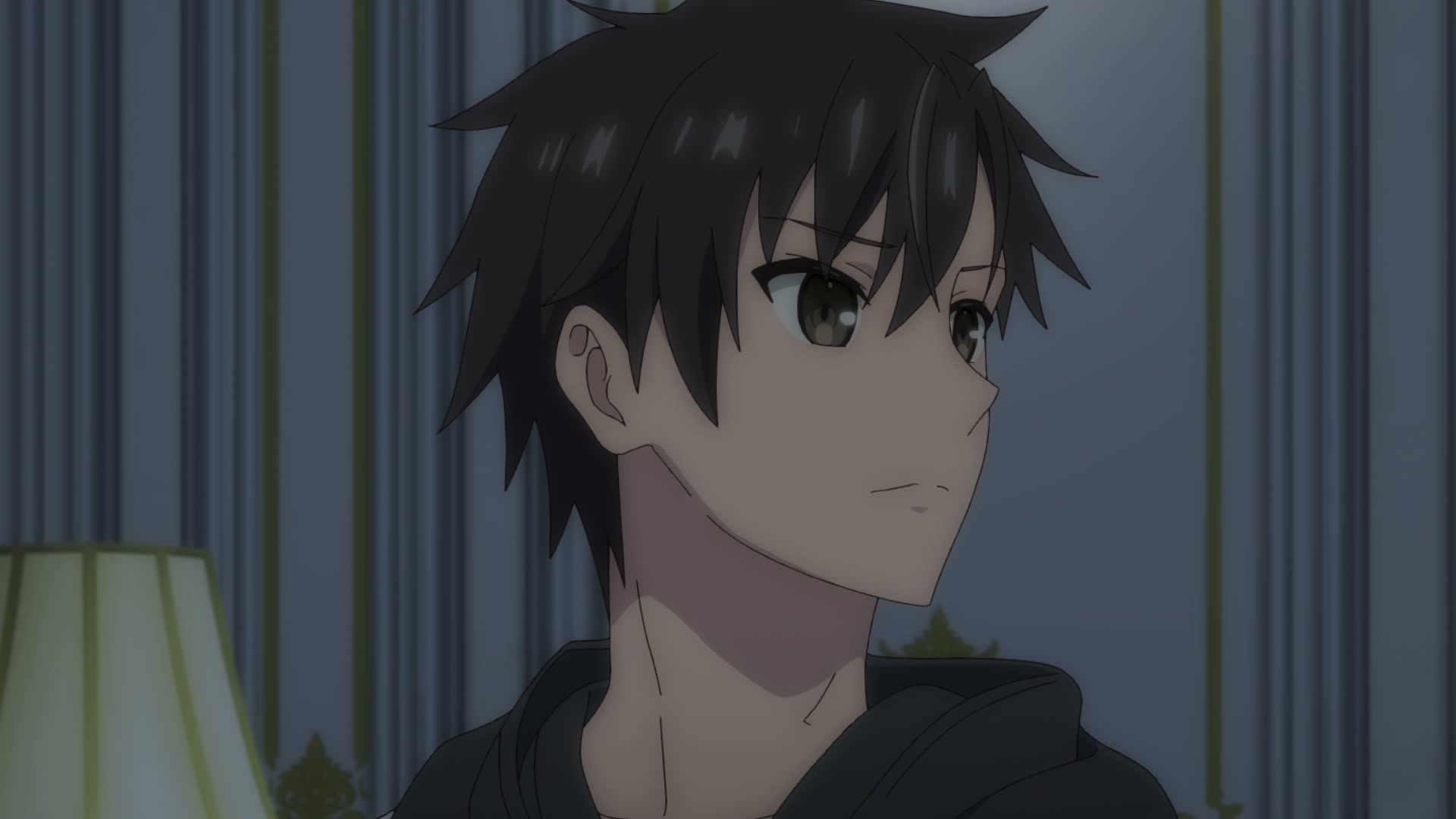
Subtle emotional nuances are often conveyed through small cues rather than dialogue. Closed eyes, slight blushes, hand placement on the chest, and shifts in eye direction communicate shyness, vulnerability, or contemplation effectively. Itsuki’s expressions are often restrained, relying on slight shifts in mouth shape to convey concern.
Conversely, the series is willing to break visual realism for comedic effect. This includes super-deformed or chibi shifts, blank white eyes, exaggerated panic, and standard anime tropes like sweat drops to indicate nervousness. This range allows the series to shift between comedy and drama without losing the audience’s engagement.
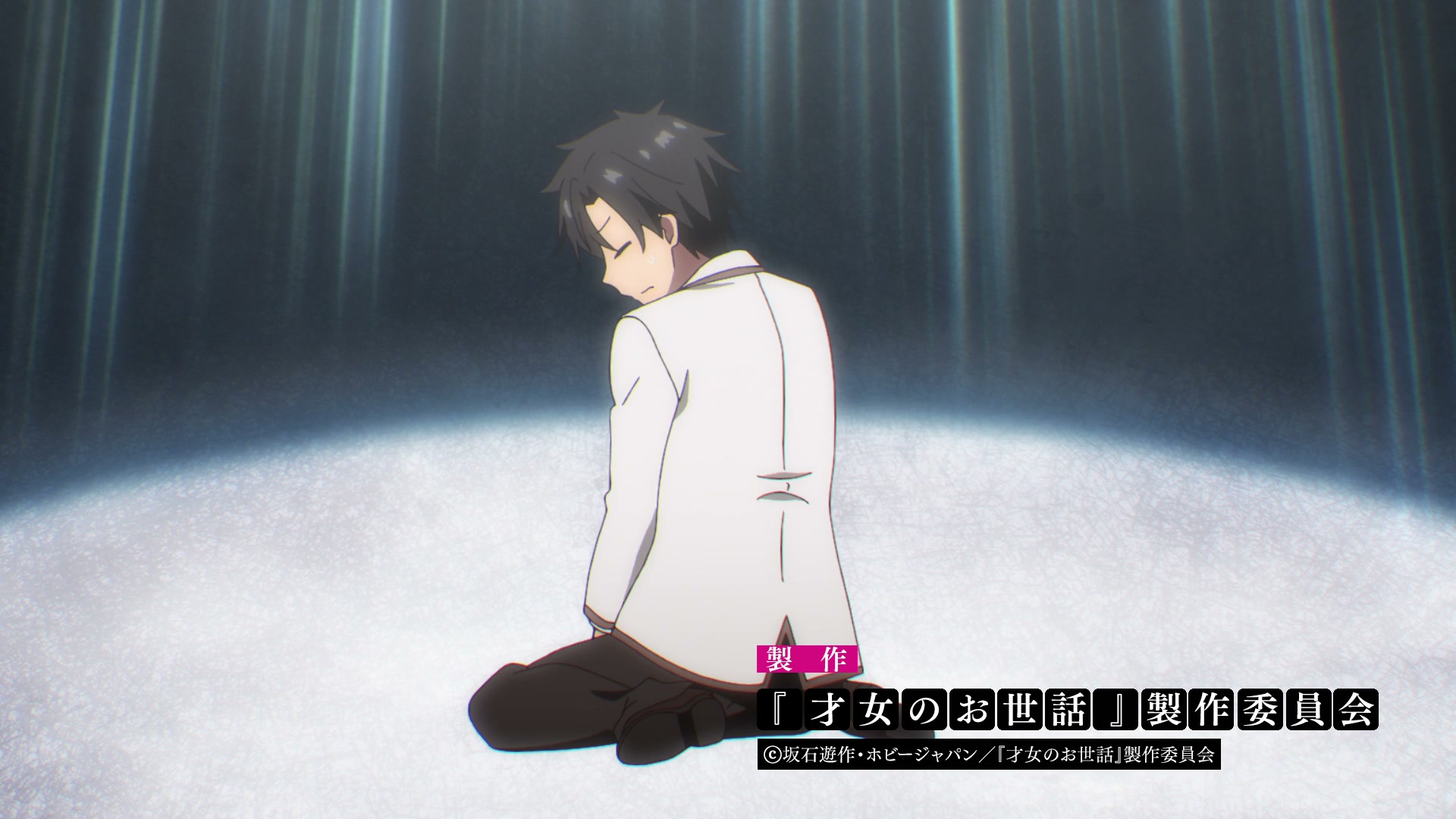
In heavier moments, the acting shifts to convey despair or exhaustion, such as kneeling shots or bowed heads indicating submission. The facial acting balances the soft, approachable character designs with genuine emotional weight when required.
The voice acting deserves particular praise for handling the dual nature of several characters. Hinako’s voice shifts dramatically between her public and private selves, while Mirei’s affected speech patterns become noticeably more natural when she’s speaking honestly. These vocal performances add layers of meaning that the visuals alone can’t fully capture.
Background Art and Environments
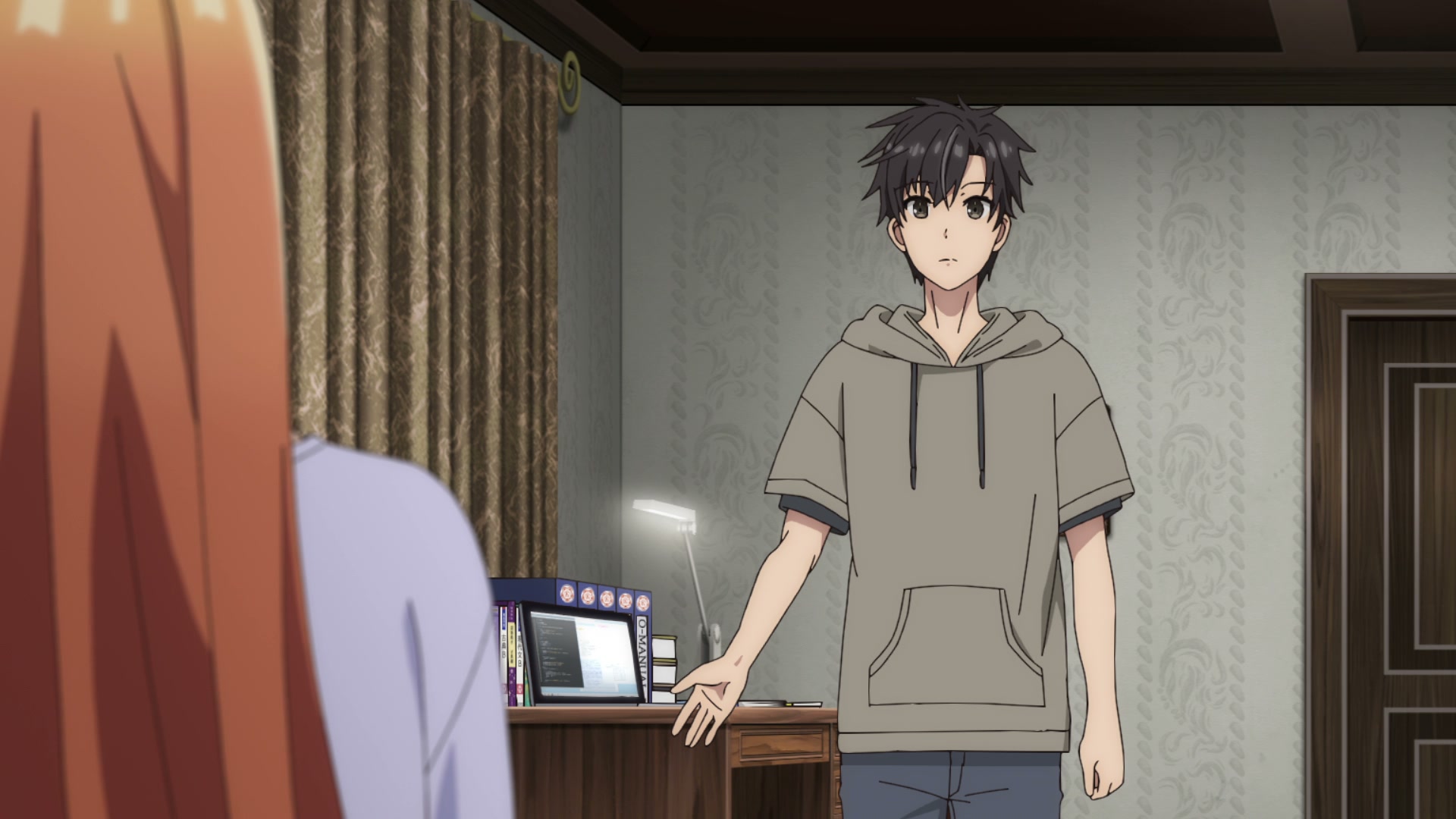
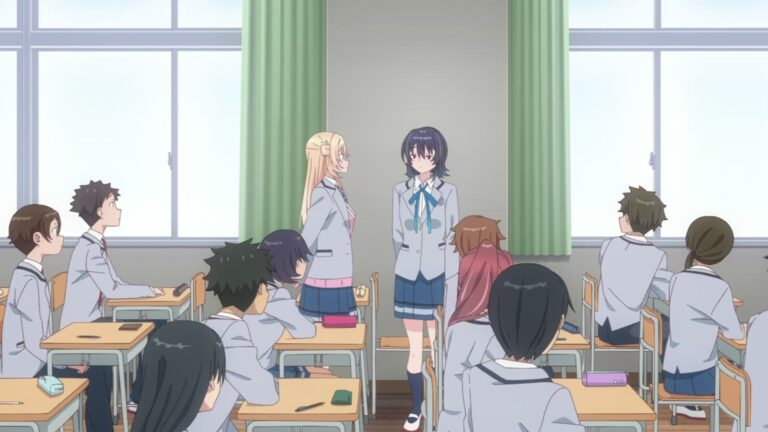
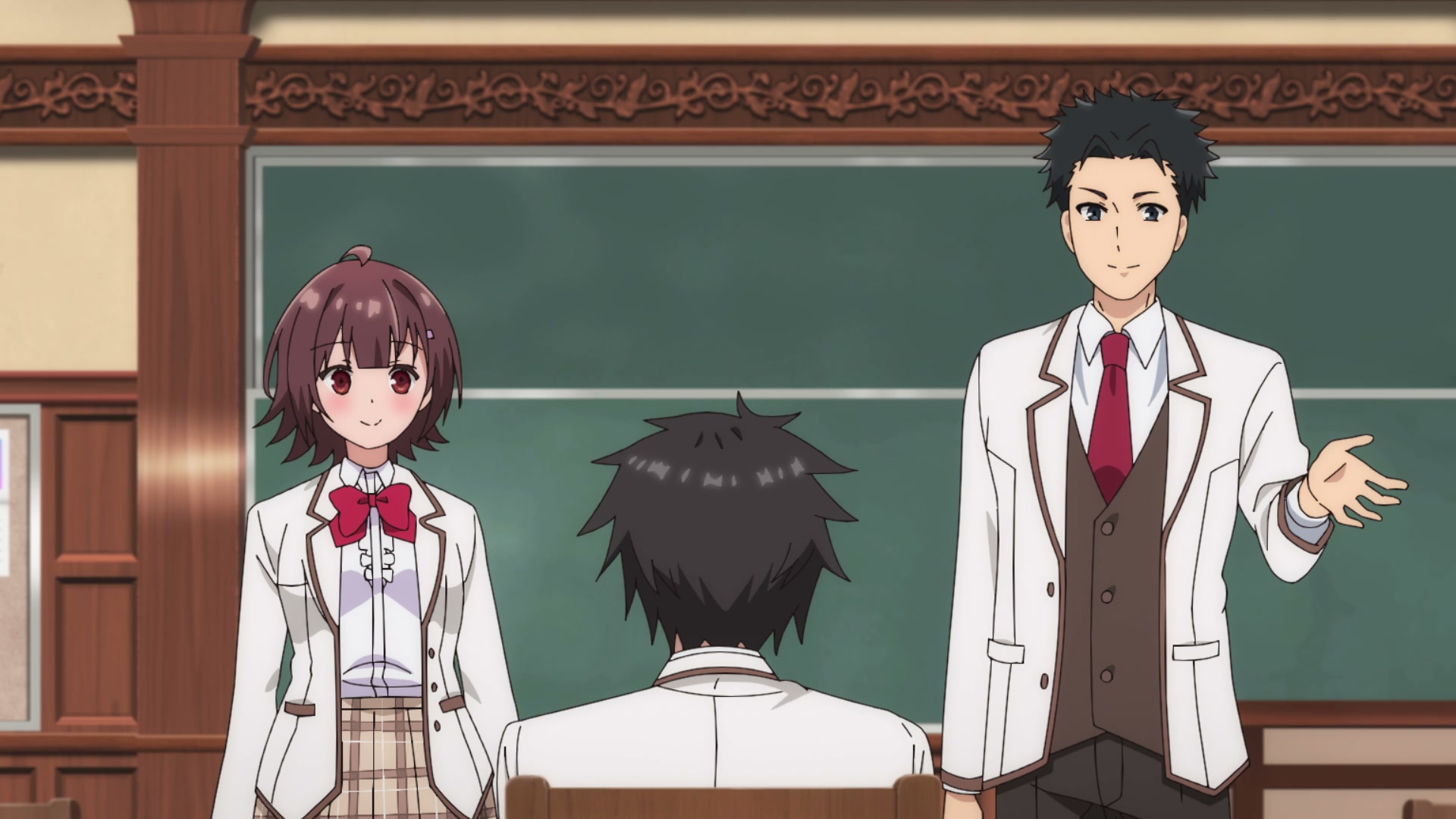
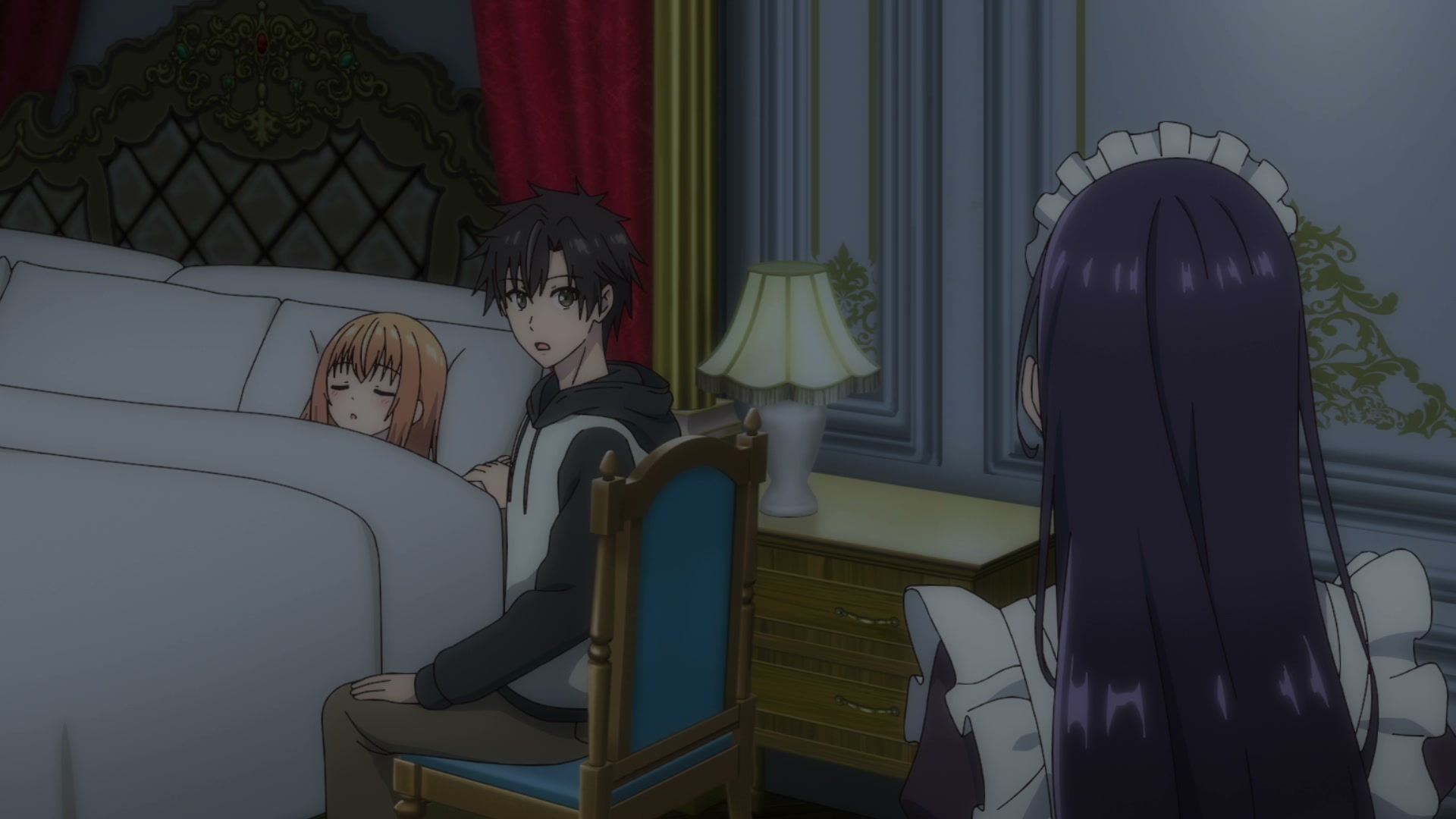
The background art is functional and supportive, though it varies significantly in complexity depending on the setting. Interiors often indicate a setting of wealth or prestige. Classrooms feature ornate dark wood molding rather than sterile generic looks, and bedroom scenes showcase detailed furniture, elaborate headboards, and heavy drapery. Patterned wallpaper and wooden doors suggest upscale or traditional settings.
School hallways utilize strong one-point perspective to create depth, drawing the viewer’s eye down the corridor, though walls are often plain white. Gymnasiums and dojo settings are rendered with warm wood textures and simple grey curtains.
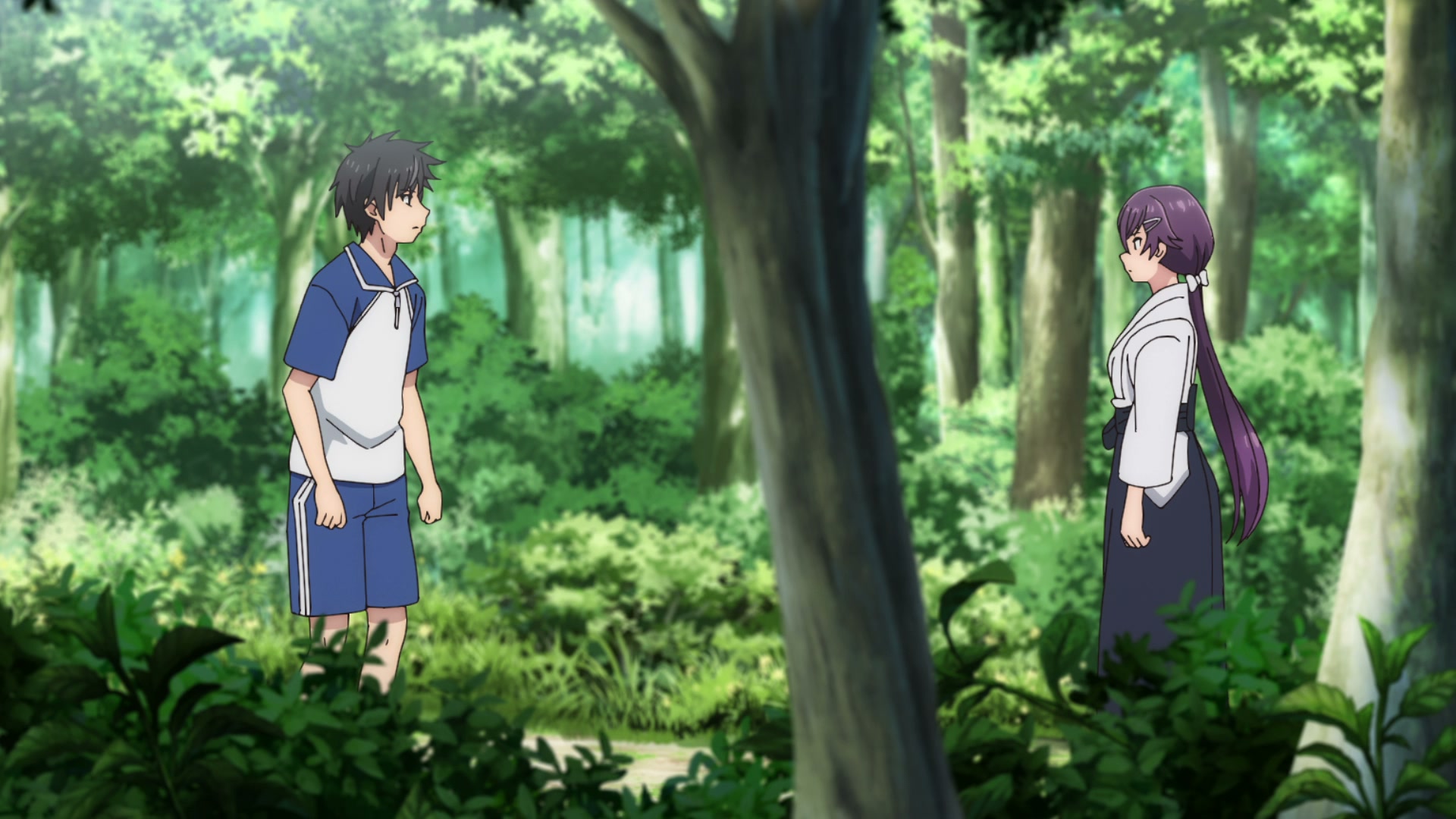
Outdoor scenes show a step up in artistic effort. Lush, layered greenery and dappled sunlight filtering through trees create a softer, more romantic atmosphere than the sterile school halls. Atmospheric perspective is used effectively in sky shots, utilizing vibrant saturated blues and fluffy clouds to create serene or melancholic moods.
Generally, the background art integrates well with the characters, avoiding the cut-out look that plagues lower-budget productions. However, some close-ups utilize simple textured backgrounds to keep the focus entirely on character reactions.
Lighting, Color, and Atmosphere
The color script demonstrates a clear distinction between sequences, using lighting to dictate tone. Daytime and indoor dialogue scenes utilize a bright, high-key palette with flat, even lighting. Greens and blues dominate outdoor scenes, creating a fresh daylight atmosphere. This lighting is functional but rarely atmospheric, sticking to a standard “daytime TV” look that can feel slightly static.
Night sequences shift dramatically to a cooler, low-key atmosphere. Bedroom scenes are bathed in deep blue ambient light simulating moonlight, contrasting effectively with the warm, yellow glow of bedside lamps. This lighting choice successfully conveys quiet, intimate, and slightly tense moods.
Certain moments utilize high-contrast lighting with spotlight effects or cool, blue-tinted backgrounds to suggest high emotional stakes or internal monologue. A top-down shot of a car uses bright headlight blooms against a dark, grainy road texture, feeling more cinematic than the dialogue-heavy shots.
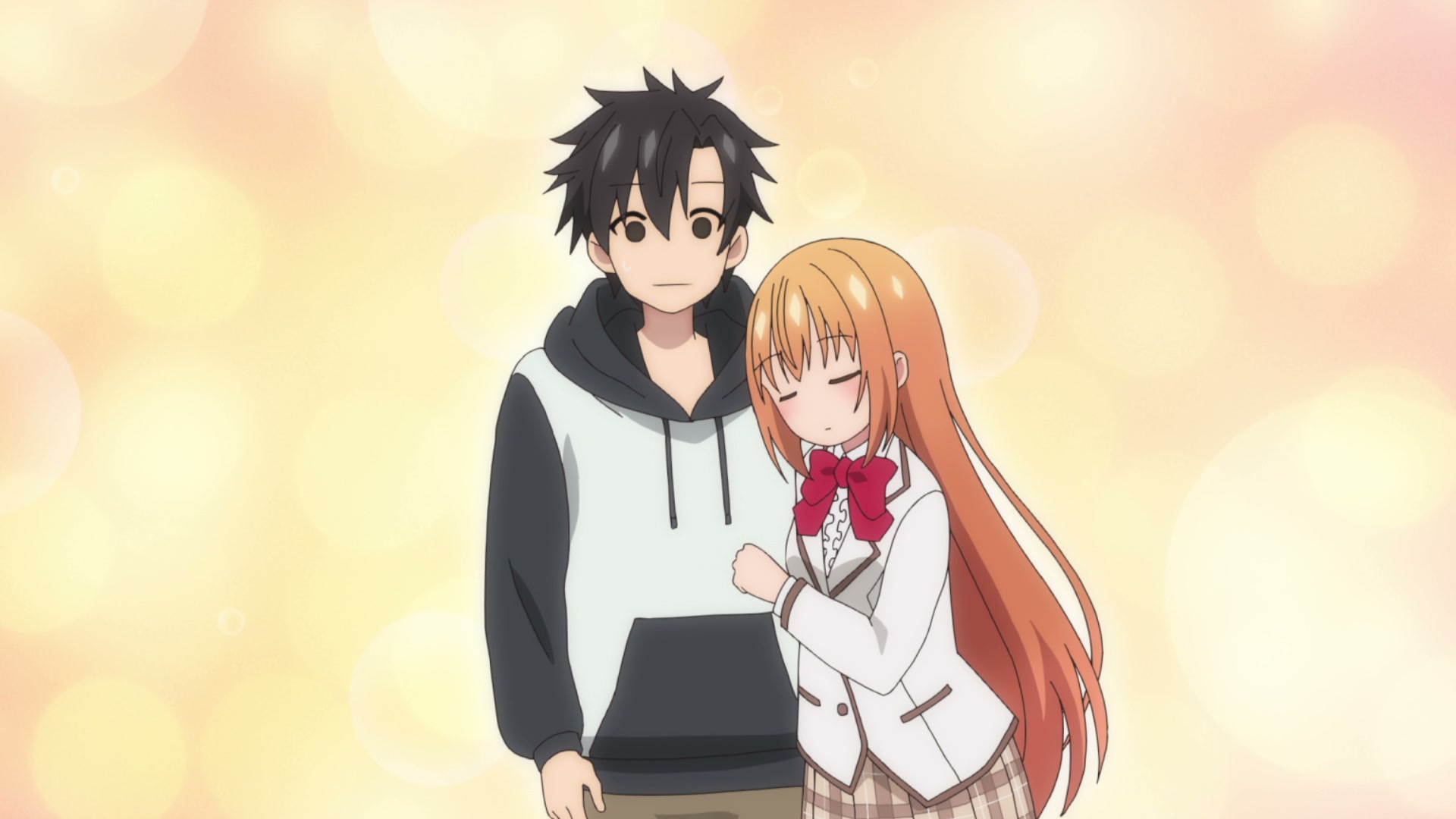
Some sequences employ soft, warm bokeh backgrounds, yellow and orange circles, to create a dreamy atmosphere, contrasting with stoic character expressions.
Special Visual Elements
A distinct visual duality exists within the production. While the narrative scenes utilize the standard clean anime aesthetic, the series frequently cuts to a highly stylized “scrapbook” aesthetic for specific segments, likely ending sequences, eyecatches, or internal monologues. These frames utilize a cutout aesthetic where characters have thick white borders, resembling stickers or paper dolls against abstract patterns like pink checkers or textured gradients.
This signals a shift in tone to something more comedic or abstract. The scrapbook aesthetic serves a narrative function beyond mere decoration. It represents the characters’ interior lives, their private selves existing in a space separate from the narrative’s “real” world. The thick white borders around the characters suggest both their isolation and their self-consciousness. They are framed, contained, unable to escape the boundaries of their performed identities.
Static Scenes vs. Weak Animation
It’s important to distinguish between static scenes that fit the series’ tone and genuinely weak animation or composition. Many of the “static” moments in this series are deliberate choices that serve the narrative. Conversation scenes where the camera holds on characters’ faces to capture subtle emotional shifts, quiet moments where stillness conveys contemplation or tension, these are not failures of animation but successful applications of restraint.
The series is fundamentally about relationships and internal states, and excessive motion would distract from this focus. When the camera holds on a character’s face during an emotional beat, it’s inviting the audience to attend to the subtleties of expression that convey meaning.
Where the animation does feel weak is in moments that call for movement but don’t receive it. The sports competition sequences could have benefited from more dynamic animation to convey the physicality of the events. The martial arts training sessions similarly feel under-animated, relying on cuts and speed lines rather than showing the full motion of the techniques.
The difference is one of intent. Static scenes that serve the narrative are strengths. Static scenes that result from budget limitations are weaknesses. The series has examples of both, but the former outweigh the latter.

Sound and Music
Opening and Ending Themes
The opening theme sets the tone for the series effectively, balancing the comedic and romantic elements with an upbeat tempo and bright instrumentation. The visuals accompanying the opening introduce the main cast and establish the series’ aesthetic, using the same clean, polished style that characterizes the show itself. The character introductions in the opening serve as a quick guide to the dynamics at play: Hinako’s dual nature, Mirei’s competitive pride, Narika’s athletic intensity, and Itsuki’s position at the center of it all.
The ending theme takes a softer approach, slowing the tempo and focusing on more intimate imagery. This shift matches the series’ pattern of balancing comedy with genuine emotional weight. Where the opening promises fun and romance, the ending reminds viewers of the quieter moments that give the series its depth.
Voice Acting Performance
The seiyuu work in this series deserves particular recognition, especially for the female leads who must navigate dual performances of their own. Hinako’s voice actress handles the dramatic shift between her public and private selves with impressive skill. The public Hinako speaks in measured, elegant tones, each word carefully chosen and precisely delivered. The private Hinako is entirely different: casual, clipped, often whining or demanding. The contrast is stark enough that it would be easy to forget these are the same person, yet the performance maintains a consistent underlying quality that ties the two versions together.
Mirei’s voice actress faces a similar challenge with her character’s affected speech patterns. The formal, almost archaic vocabulary and precise diction gradually soften as Mirei relaxes around Itsuki and the others. This vocal evolution mirrors her emotional development, with the affectation becoming less pronounced as she grows more comfortable being herself.
Narika’s performance captures the character’s social anxiety effectively. The stuttering, the false starts, the way her voice occasionally rises in panic before she catches herself, all of these contribute to a portrait of someone who desperately wants to connect but cannot overcome her nervousness. When she relaxes, especially around Itsuki, her voice settles into a more natural register, and the contrast is both audible and touching.
Itsuki’s voice actor has the more challenging task of playing a relatively ordinary character who serves as the audience’s point of identification. The performance avoids excessive emotional display while still conveying the character’s genuine warmth and growing confidence. The subtle shifts in his tone when speaking to different characters, more formal with Hinako in public, more casual in private, more encouraging with Narika, more challenging with Mirei, demonstrate an understanding of the character’s relationships that enhances the writing.
Sound Direction and Atmosphere
The sound direction uses ambient audio effectively to establish setting and mood. The Konohana mansion has a particular quality to its silence, a hush that suggests both luxury and isolation. The school scenes are livelier, with the murmur of student voices and the echo of footsteps in hallways creating a sense of a populated space. These environmental sounds do subtle work in reinforcing the themes of the series, the contrast between Hinako’s gilded cage and the relative freedom of the outside world.
Comedic moments are punctuated with appropriate sound effects, the standard anime vocabulary of exaggerated reactions and physical comedy. These effects are used judiciously, never overwhelming the dialogue or undercutting the emotional weight of serious scenes. The balance between comedic and dramatic sound design reflects the series’ overall tonal strategy.


Overall Verdict
Saijo no Osewa is a series that rewards attention. The surface pleasures, the comedy, the romance, the character interactions, are immediately accessible. But the deeper themes emerge through careful viewing. The series works on multiple levels, satisfying both casual viewers looking for entertainment and more engaged viewers interested in its exploration of class, identity, and care.
The greatest strength of the series is its emotional honesty. It doesn’t pretend that love solves everything or that authenticity is easy. It suggests that the struggle for genuine connection is worthwhile, even when that struggle is messy and incomplete. The characters don’t achieve perfect happiness or complete self-understanding. They make progress, and that progress feels earned because we have witnessed their struggles.
The open-ended conclusion is appropriate for a story about ongoing relationships rather than definitive resolutions. Itsuki’s final reflection, that he hopes to someday “walk side-by-side with them all,” acknowledges that his journey isn’t complete, that belonging is a process rather than a destination. It’s a fitting end for a series that values growth over perfection and connection over status.
This series will appeal to viewers who enjoy character-driven romantic comedy with genuine depth. If you liked series like Kaguya-sama: Love Is War for its psychological insight or Hayate the Combat Butler for its class-conscious comedy, you’ll find much to appreciate here. If you’re looking for pure wish-fulfillment fantasy without complications, the series might frustrate you. The fantasy is present, but it’s a fantasy with consequences.
Viewers who are sensitive to fanservice should note that the series includes bathing scenes and occasional suggestive moments, though these are handled with relative restraint. The focus remains on character relationships rather than titillation, and the emotional context of these scenes matters more than their surface appeal.
I would rate this series 8 out of 10. It doesn’t revolutionize its genre, but it executes its premise with skill and sincerity. The characters are memorable, the themes are substantive, and the emotional payoffs feel earned. It’s a solid example of what the romantic comedy genre can achieve when it takes its characters seriously.
The image that stays with me after finishing the series is that scrapbook aesthetic, those cutout figures with thick white borders against abstract backgrounds. It captures something essential about these characters. They are framed, contained, separated from the world by the performances they maintain. But within those frames, they are vibrant and alive, their emotions rendered in bright colors and bold patterns. The series suggests that we are all, in some sense, cutout figures navigating our own frames. The goal isn’t to escape the frame but to find people who can see us clearly within it.

Gallery