


Classic shoujo manga are back in the spotlight. Recent announcements include TV anime adaptations of Hikawa Kyouko’s Kanata Kara and Shinohara Chie’s Ten wa Akai Kawa no Hotori, as well as a live-action drama adaptation of Hiwatari Saki’s Boku no Chikyuu o Mamotte. Shoujo manga magazine anniversary projects and exhibitions marking manga artists’ careers are also continuing, drawing fresh attention to beloved older works.
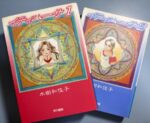
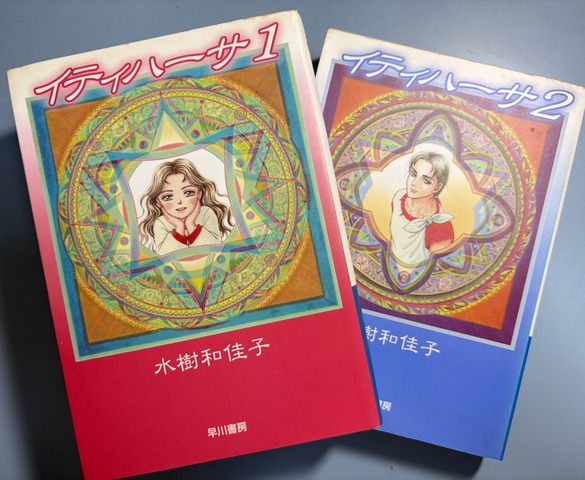
Against that backdrop, one title worth revisiting is Mizuki Wakako’s Itihasa. Serialization began in the shoujo manga magazine Bouquet in 1986. After the serialization was discontinued, the story was completed in 1999 with a newly drawn final volume. The series spans 15 volumes, and the Hayakawa Bunko JA edition collects it in 7 volumes.
Set in Japan roughly 12,000 years ago, Itihasa is an SF grand romance about a war between gods and humans. Across its sweeping story, it asks fundamental questions: What is a god? What is a human?
The appeal is not only scale. When read as a child, the beauty of the gods and the powerful turns of the plot may stand out first. Later, the same scenes can take on different meaning, because Itihasa is also a work that asks what people believe and why they seek salvation.
Spoiler warning: The following section touches on story details from Itihasa.
Visible Gods and Invisible Gods: The Story Begins in a Single Village
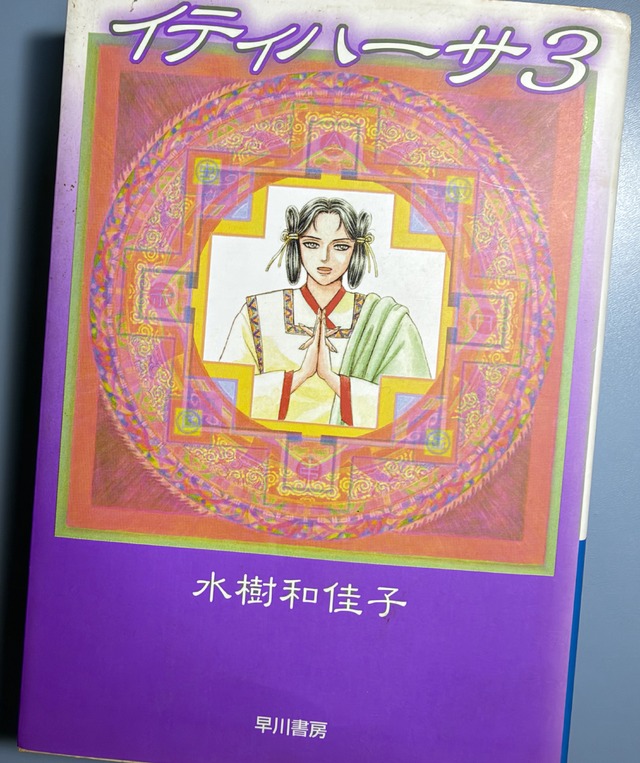
The story is set in ancient Japan, roughly 12,000 years ago, in an era when people could come into contact with gods.
Takano, a boy living in a village that worships invisible gods, one day finds an abandoned baby. He names her Tooko, and she is raised as his younger sister. Beside them is Aohiko, a thoughtful and intelligent figure who observes things calmly. Takano and Tooko have trusted him since childhood, looking up to him as an older brother and teacher, and Aohiko becomes a key presence in the story.
Seven years later, the peaceful village is attacked by people who worship visible gods. The surviving Takano, Tooko, and Aohiko eventually meet others who oppose the visible gods and are drawn into a conflict over the gods.
The contrast between “visible gods” and “invisible gods” is central. Gods are often imagined as beings humans cannot see, but in this work they actually exist and intervene directly in the human world. Even so, beings called gods are not necessarily allies to humans. As people are caught in the conflicts among gods, the story asks what they should believe and how they should live.
A tragedy in one village opens the way to a larger conflict among gods and the mystery behind it. Alongside the launch of that grand narrative, readers are invited to ask, “What is a god?”
The Beauty of the Gods—and What It Hides
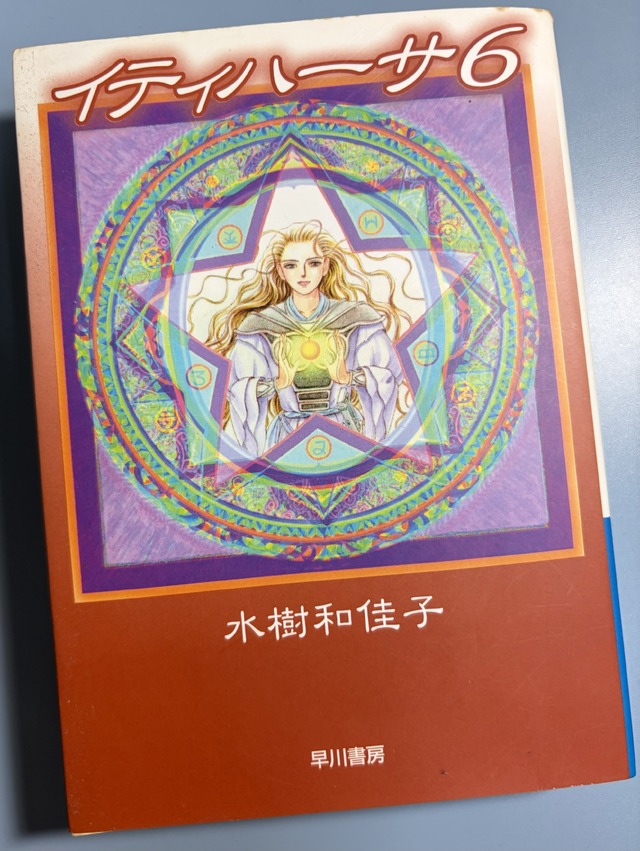
One of the pleasures of Itihasa is the beauty with which Mizuki Wakako draws the gods. Some appear divine and captivating; others have wild, frightening forms. The vivid differentiation gives the gods a powerful presence.
Their appearance is not merely decorative. Why do humans worship one being and fear another? Does a visible form really express the essence of that being? The story’s treatment of divine beauty raises questions that echo modern lookism, and as the reader continues, those questions connect to the work’s core theme of faith.
To be captivated by beauty—what if even that feeling were produced by someone’s design? The story leaves such questions with the reader without immediately revealing its core.
Takano, Tooko, and Aohiko: Destinies Intertwine
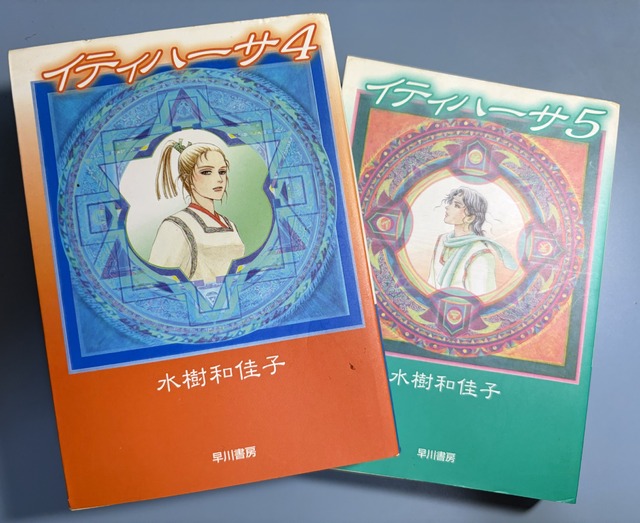
The work is not carried by the large framework of a war among gods alone. Takano, Tooko, Aohiko, and the other characters each travel with their own feelings and conflicts, and that journey is a major attraction.
Having lost his village, Takano seeks power to protect Tooko. Aohiko, who does not wish to kill, doubts whether he should join the gods’ conflict. The desire to protect loved ones and hesitation about taking part in a fight are both understandable, and that makes their choices difficult to answer simply.
Tooko, too, faces a great destiny. As her past and the mystery of a being deeply connected to her come to light, the story takes on dimensions that cannot be reduced to a simple battle between good and evil.
People met along the journey and the intentions of the gods’ followers become entangled, and the characters’ positions gradually change. Relationships cannot always be sorted into ally and enemy, and there are moments when what they believed begins to waver.
As individual fates link to the world’s larger mystery, the story steadily expands in scale.
A Grand Mythological SF Epic About Faith and Human Choice
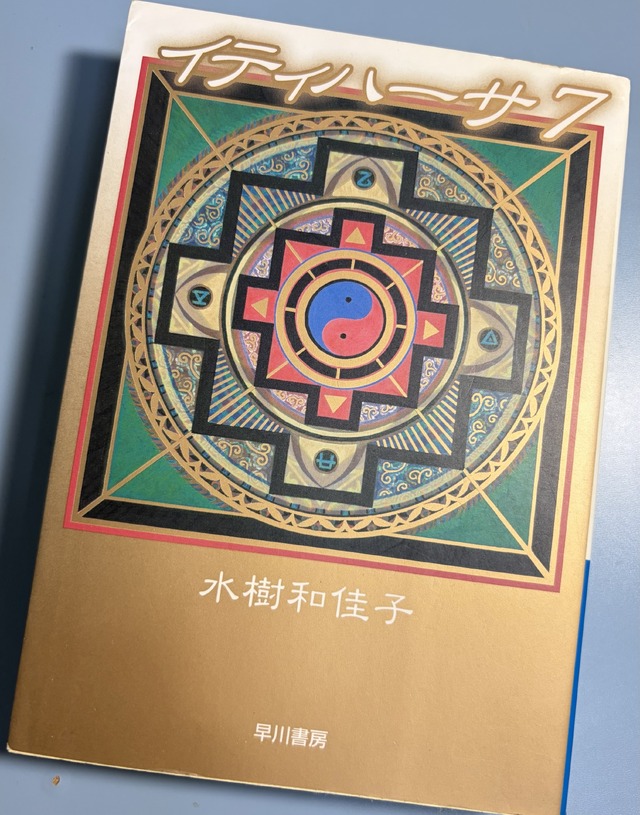
Itihasa’s strength lies in being a grand fantasy with gods while continuing to ask what it means to be human. What do people believe? Is what stands before them truly worthy of belief? Could the righteousness one believes in hurt someone else?
Because the world is one in which gods actually exist and directly affect human destinies, these questions feel urgent. Believing in a god can bring salvation, but faith can also create conflict and strife. Seeking power to protect someone can lead to hurting someone else.
As the story advances, the conflict among gods stops being merely a question of which side should win. As the secrets of the gods are revealed, questions about the very origins of the world and the nature of humanity come to the surface.
Although the series was drawn in the 1980s and 1990s, its themes of faith, power, conflict, and human choice remain close to modern readers. The way its grand setting overlays the repeated patterns of human behavior is another part of its appeal.
Within the framework of shoujo manga, Itihasa blends mythological imagination with SF worldbuilding. At its foundation are not only battles among gods but universal human questions: what to believe, whom to live with, and what kind of world to choose.
With classic shoujo manga drawing renewed attention, Itihasa is a work readers who have not yet encountered it should consider picking up. Its grand story and the beautiful gods that make readers reluctant to stop turning the pages are both worth experiencing—and one can hope that someday they will also be enjoyed in a new anime form.