



Introduction
There is a special class of anime that understands something fundamental about human passion. Not the grand, socially sanctioned passions like love of family or country, but the weird ones. The niche ones. The obsessions that make a person’s heart race for reasons they could never fully explain to a stranger at a dinner party. Ore, Twintails ni Narimasu is that rare series that takes one man’s all-consuming adoration for a hairstyle and treats it with the gravity usually reserved for epic fantasy sagas. The result is something that shouldn’t work on any level, yet somehow emerges as one of the most sincere, uproarious, and emotionally coherent anime comedies of the 2010s.
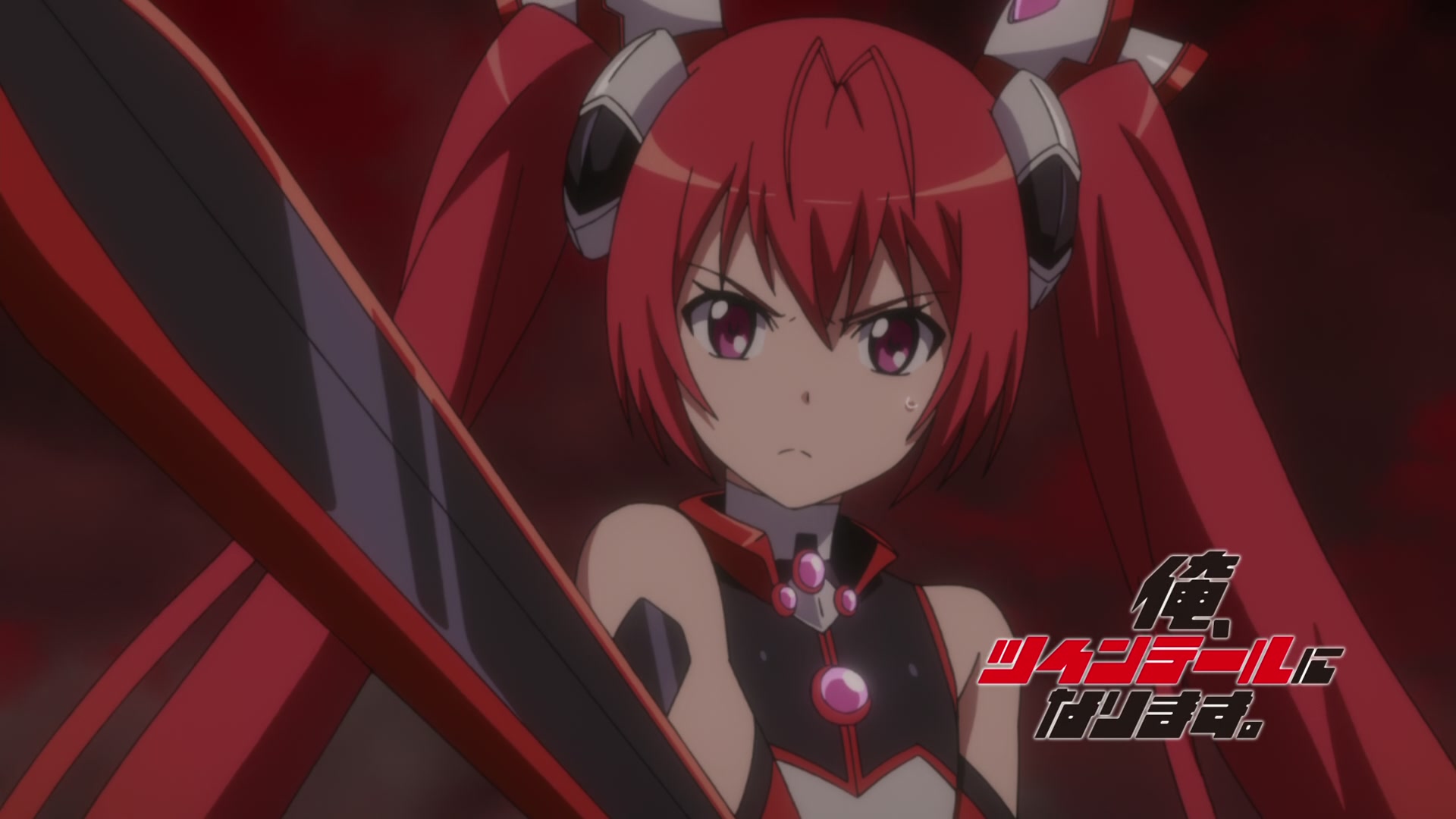
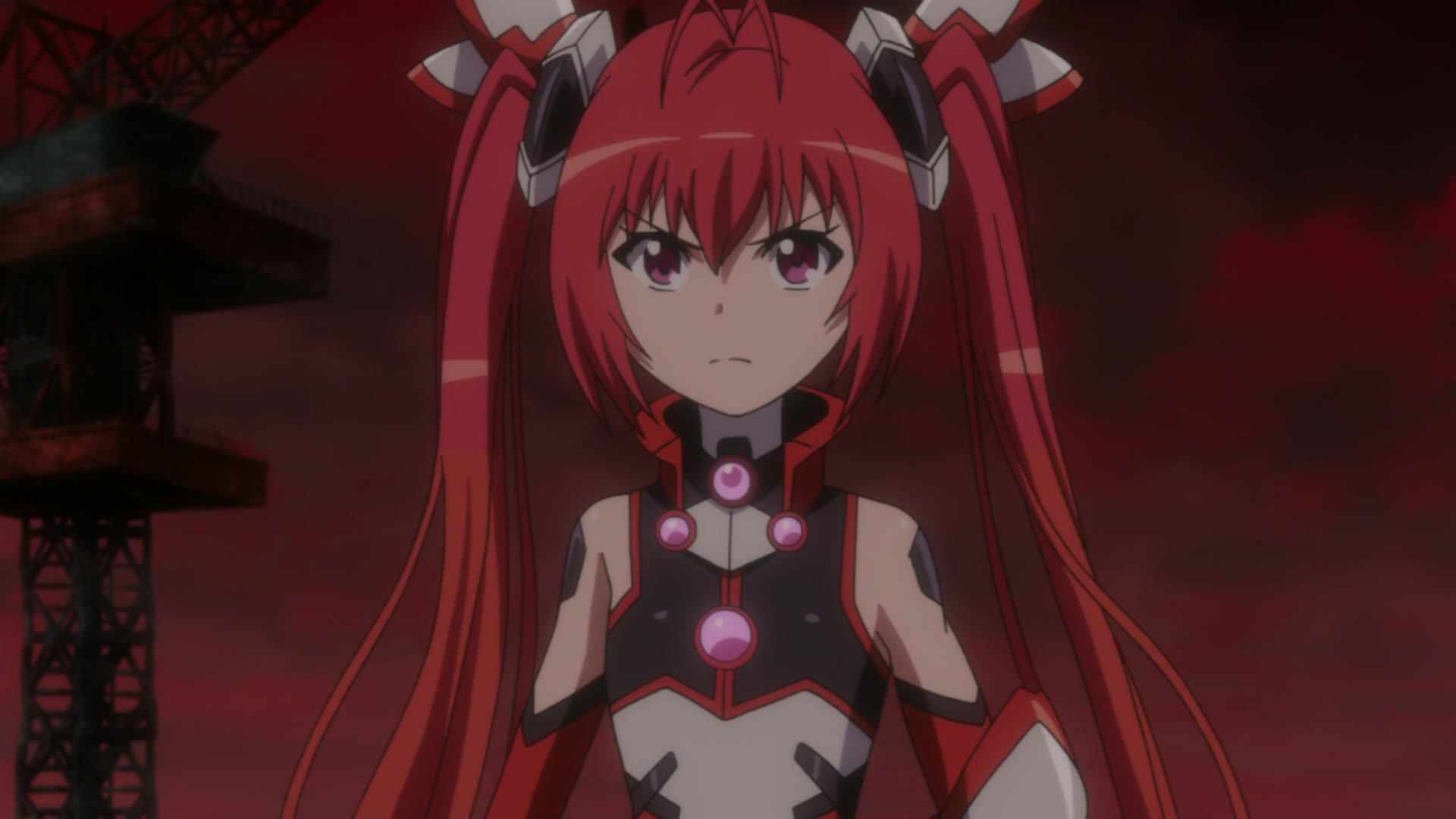
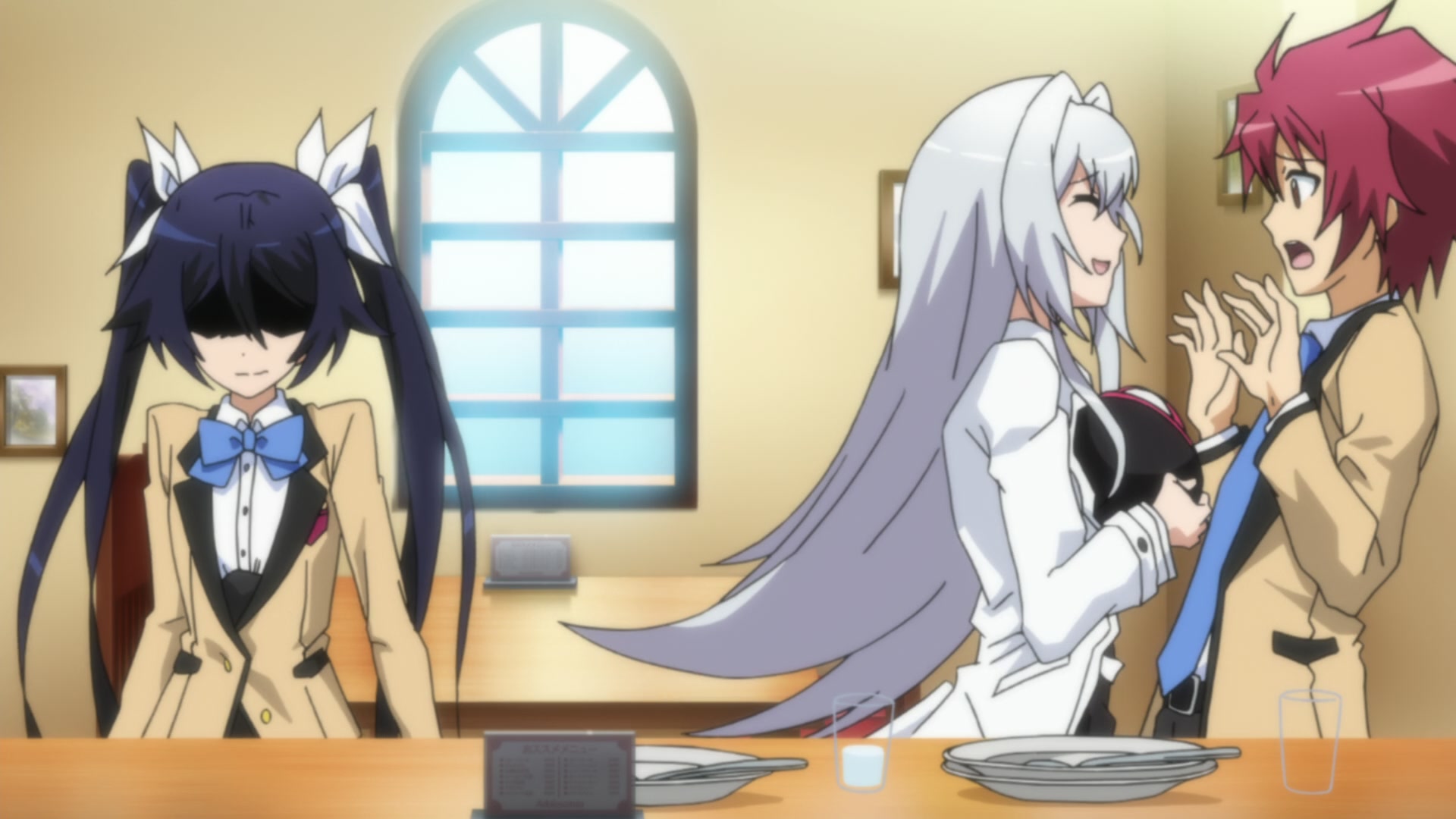
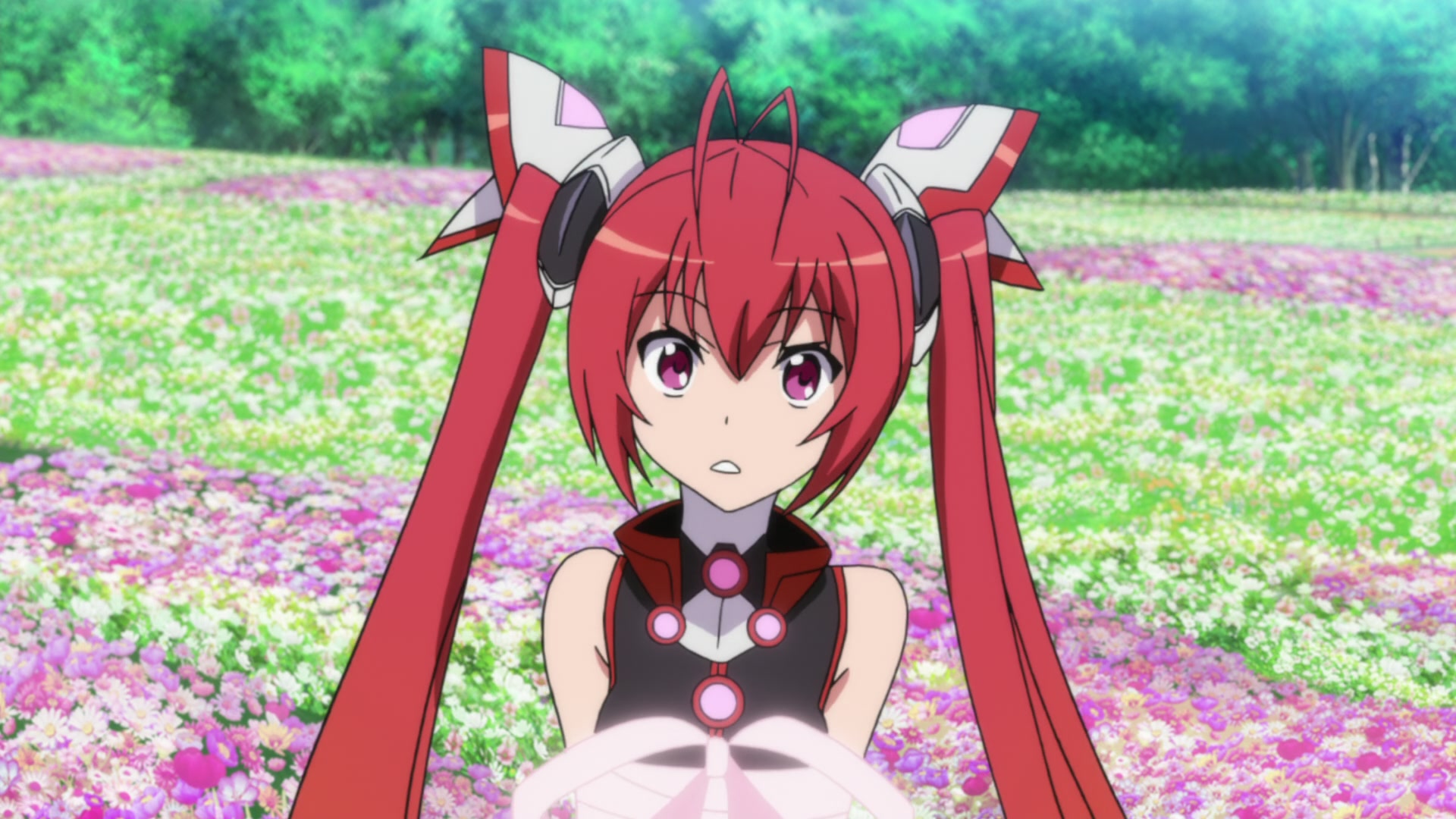
The premise sounds like a Mad Libs exercise gone wrong. Mitsuka Souji is a high school boy whose love for twintails transcends preference and enters the realm of spiritual devotion. When interdimensional beings called the Ultimegil begin invading Earth to steal “trait powers”—the energy generated by humanity’s love for specific things, with twintails being the most potent—a mysterious scientist named Thouars recruits Souji as Earth’s defender. The catch is that the transformation bracelet she gives him turns him into a prepubescent girl with gravity-defying crimson twintails. What follows is twelve episodes of tokusatsu-inspired battles, harem romantic comedy, and a surprisingly thoughtful meditation on identity, community, and the things we choose to protect.
This is an anime for people who understand that the line between “passion” and “perversion” is often just a matter of perspective. It’s for those who grew up watching Super Sentai and Kamen Rider, who understand the language of transformation poses and color-coded hero trios, and who can appreciate a show that earnestly asks whether loving someone and loving their twintails are fundamentally different things. If you can accept the absurd premise with an open heart, you’ll find one of the most rewarding anime originals of its era.

Story and Themes
Narrative Architecture
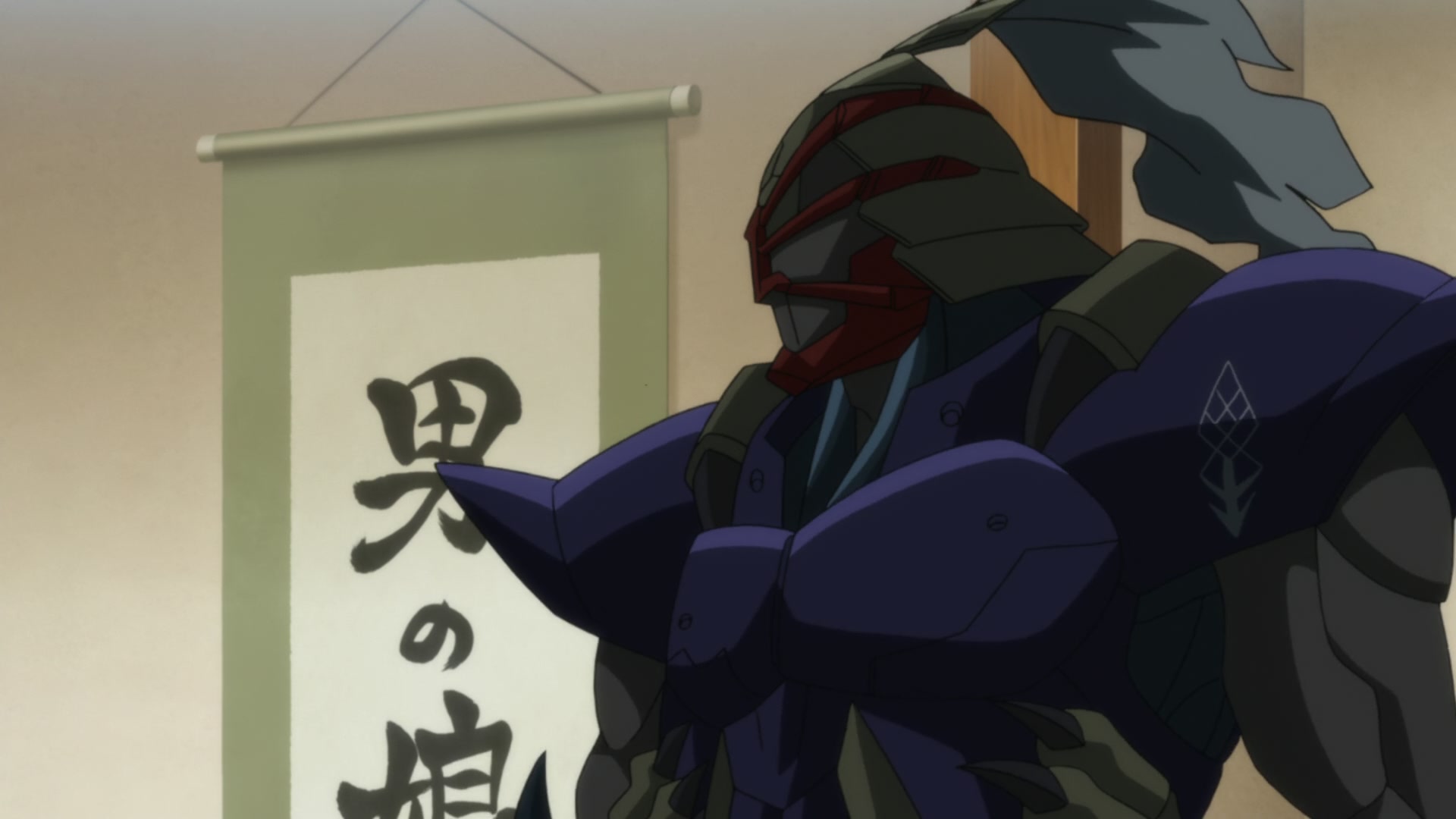
The series follows a deceptively simple structure. Each episode introduces a new Ultimegil commander with a hyper-specific fetish—dolls, ribbons, bloomers, literature—who attacks the city to harvest the corresponding trait power. Souji and his growing team intercept them, battle ensues, and the threat is neutralized. This monster-of-the-week format, borrowed directly from tokusatsu television, provides a sturdy skeleton on which the show hangs its character development and thematic exploration.
What elevates this structure is the accumulating weight of consequence. Early victories are clean and triumphant, but by the middle stretch, the narrative begins questioning its own premise. The fourth episode introduces a devastating revelation through the honorable swordsman Dragogildy: the previous world’s Tail Blue fought the same fight, and her success in spreading twintail love actually accelerated the invasion. Victory itself becomes suspect. The show dares to ask whether its heroes’ actions are protecting the world or preparing it for the slaughter.
This moral complexity intensifies when Darkgrasper enters the picture. She’s a human woman, a former admirer of Thouars who joined Ultimegil under a negotiated truce—they would never steal the “glasses trait” from any world they invaded. Her mission to spread glasses appreciation through an idol career mirrors Souji’s twintail protection, creating a conflict with no clear villain. Both are fighting to preserve something the world considers trivial, and both are willing to reshape society to do it.
The final arc pivots inward entirely. After Darkgrasper kisses Tail Red, Souji begins losing his twintail power. His body transforms into a girl even outside the suit, and he sinks into a crisis of faith, convinced that his momentary attraction to feminine lips over twintails constitutes a betrayal of everything he holds sacred. The external conflict recedes as the show asks its most important question: what happens when the thing that defines you seems to abandon you?
The Philosophy of Trait Power
The Ultimegil are not conquering worlds in the traditional sense. They leave buildings standing and populations alive. What they take is far more intimate: the capacity to love specific things. A girl who once adored dolls no longer understands why she ever cared. A woman who felt beautiful in bloomers discards them without a thought. The worlds left behind are physically intact but spiritually hollowed out.
This concept resonates because it externalizes a genuine human fear. We are all collections of small loves, niche interests, and private passions. If those were stripped away, we would technically still be ourselves, but something essential would be gone. The series argues that these “trivial” attachments are in fact the building blocks of identity. When Souji defends twintails, he’s defending the right of every person to find meaning in whatever calls to them, no matter how incomprehensible it might seem to others.
The twintail trait is singled out as the strongest because twintails represent a particular kind of beauty that is simultaneously bold and vulnerable. They’re associated with youth, with femininity, with a certain unapologetic presentation of self. To wear twintails is to make a statement, however small. The show understands that such statements accumulate into a life.
Love, Expanded
Souji’s emotional journey is the series’ core triumph. He begins with a laser-focused obsession that excludes almost everything else. Girls exist as vehicles for twintails. His childhood friend Aika’s long-standing crush goes entirely unnoticed because he’s too busy cataloguing the curl pattern of her hair. Romance, sexuality, and interpersonal connection are irrelevant next to the transcendent beauty of twin-tied locks.
Darkgrasper’s kiss shatters this equilibrium. For the first time, Souji notices lips. He notices skin. He finds himself drawn to something beyond the hairstyle, and his entire self-concept crumbles. The show handles this with surprising nuance. It doesn’t frame his awakening attraction as “growing up” or “getting over” his fetish. Instead, it presents his panic as genuine and justified within his worldview. He feels like a priest who has broken his vows.
The resolution arrives through action. When Souji, trapped as a girl, ties his own hair into twintails for the first time, he learns that love is not merely a feeling but a practice. The girls who support him—Aika washing his hair, Erina letting him touch her twintails, Thouars gifting her precious hair clips—demonstrate that his love for twintails can encompass his relationships rather than compete with them. The final battle, where he wields new weapons born from Thouars’ hair clips, represents a synthesis. He is fighting with everyone’s love, not just his own.
Gender as Exploration
The gender transformation premise is played for comedy, but it also enables the story’s deepest insights. Souji doesn’t become a girl as wish fulfillment. The transformation is awkward, disorienting, and eventually terrifying when it happens involuntarily. The show mines humor from bathroom confusion and the logistics of suddenly having breasts, but it never treats the change as inherently degrading or shameful.
When Souji’s female form becomes permanent and separates into the persona “Solar,” the narrative enters genuinely unsettling territory. He’s losing himself, and the self he’s losing is the one defined by twintails. The resolution is elegant: his twintails were never in his body. They were in his heart, his history, his connections to others. The form doesn’t matter. The love does.
Characters
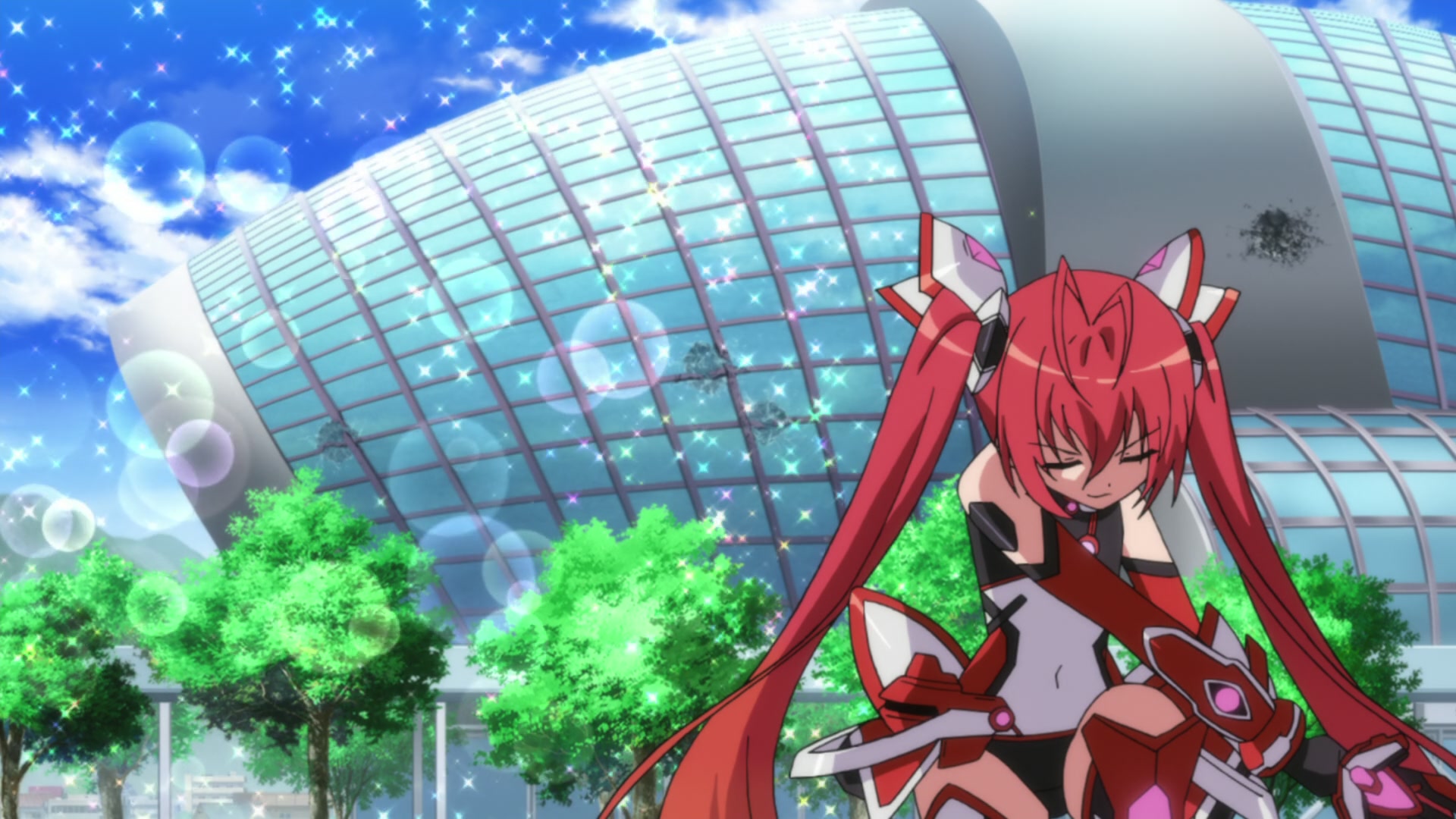
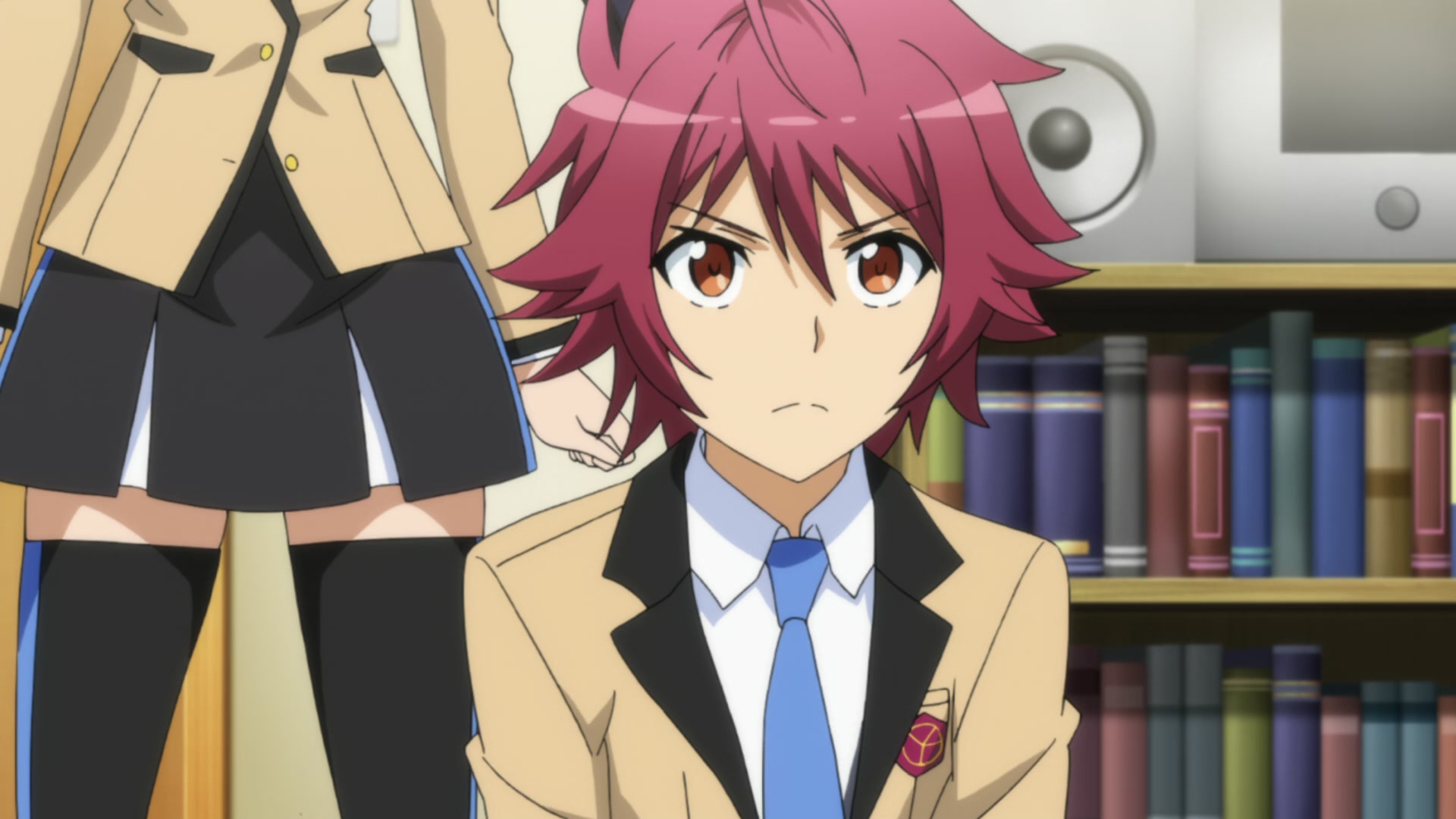
Mitsuka Souji
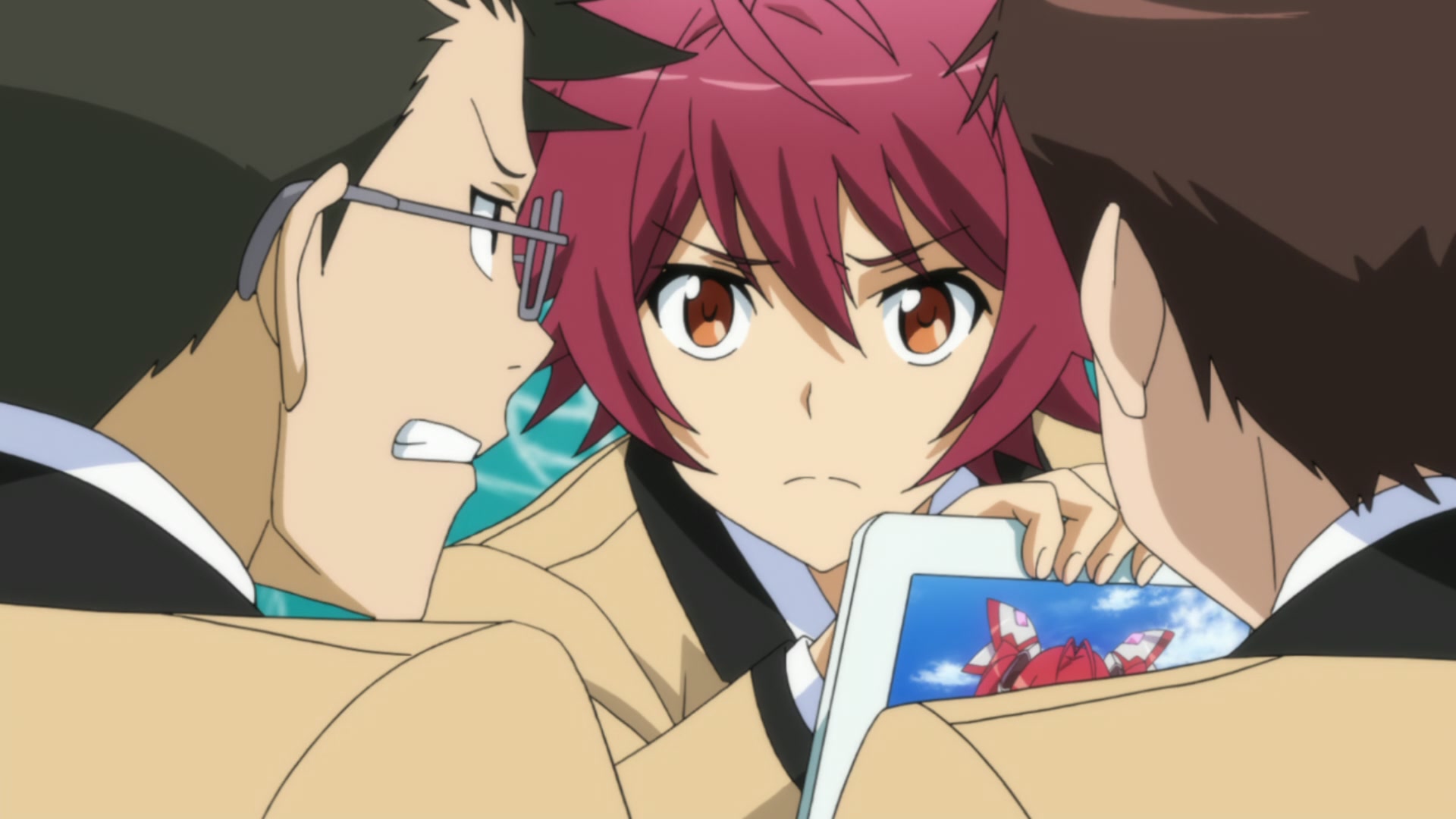
Souji is a miracle of character writing, a protagonist who could easily have been a one-note joke but instead becomes the series’ emotional anchor. His love for twintails is presented without irony or apology. When he monologues internally about the “noble and beautiful twintails” of student council president Shindou Erina, describing how they “dance in the air as they follow her movements,” the show invites us to laugh at the absurdity while simultaneously respecting the sincerity. Souji isn’t stupid. He knows his obsession is unusual. He simply doesn’t care.
His personality outside the fetish is gentle and somewhat passive. He’s easily dragged into situations by the forceful personalities around him. He’s kind without being a doormat, and he possesses a core of genuine courage that emerges when twintails are threatened. His declaration that he protects twintails first and the world only incidentally sounds like a punchline, but the series treats it as a legitimate ethical stance.
His crisis arc reveals hidden depths. The guilt he feels over noticing Aika’s lips shows how seriously he takes his commitments. He’s not just a pervert; he’s a pervert with a code. When he claws his way back to himself through the simple act of tying his hair, the moment lands with genuine catharsis.
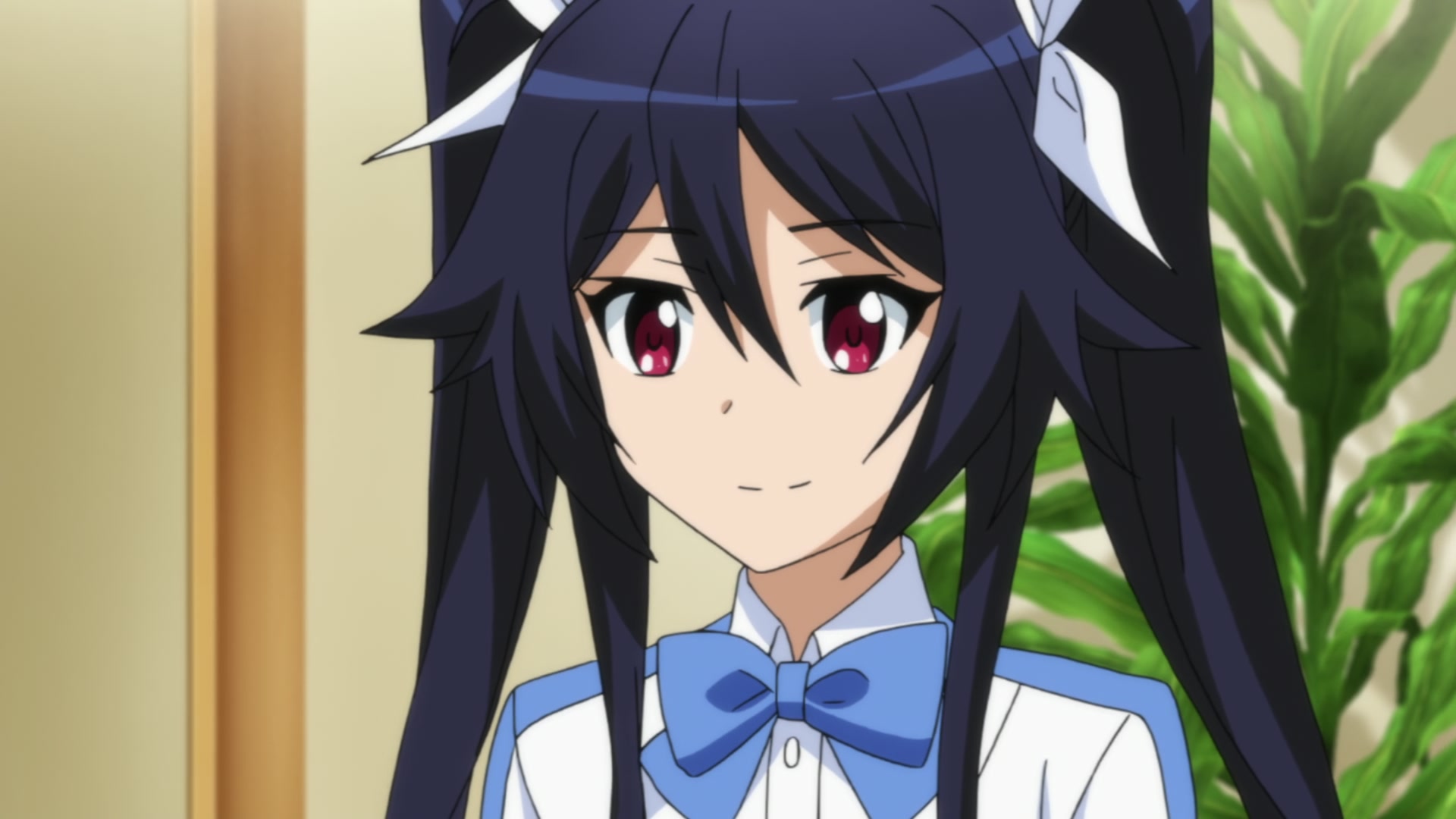
Tsube Aika
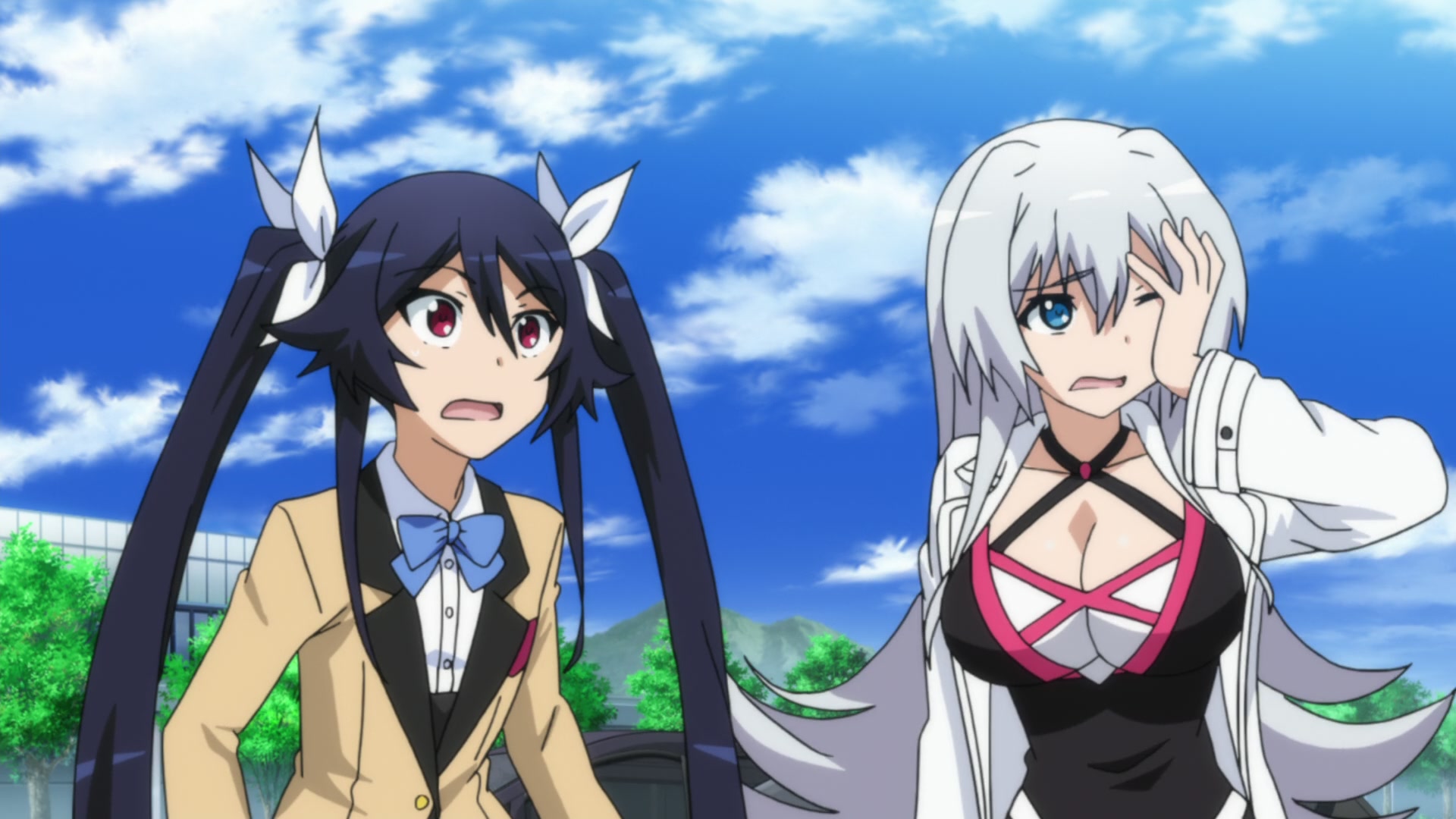
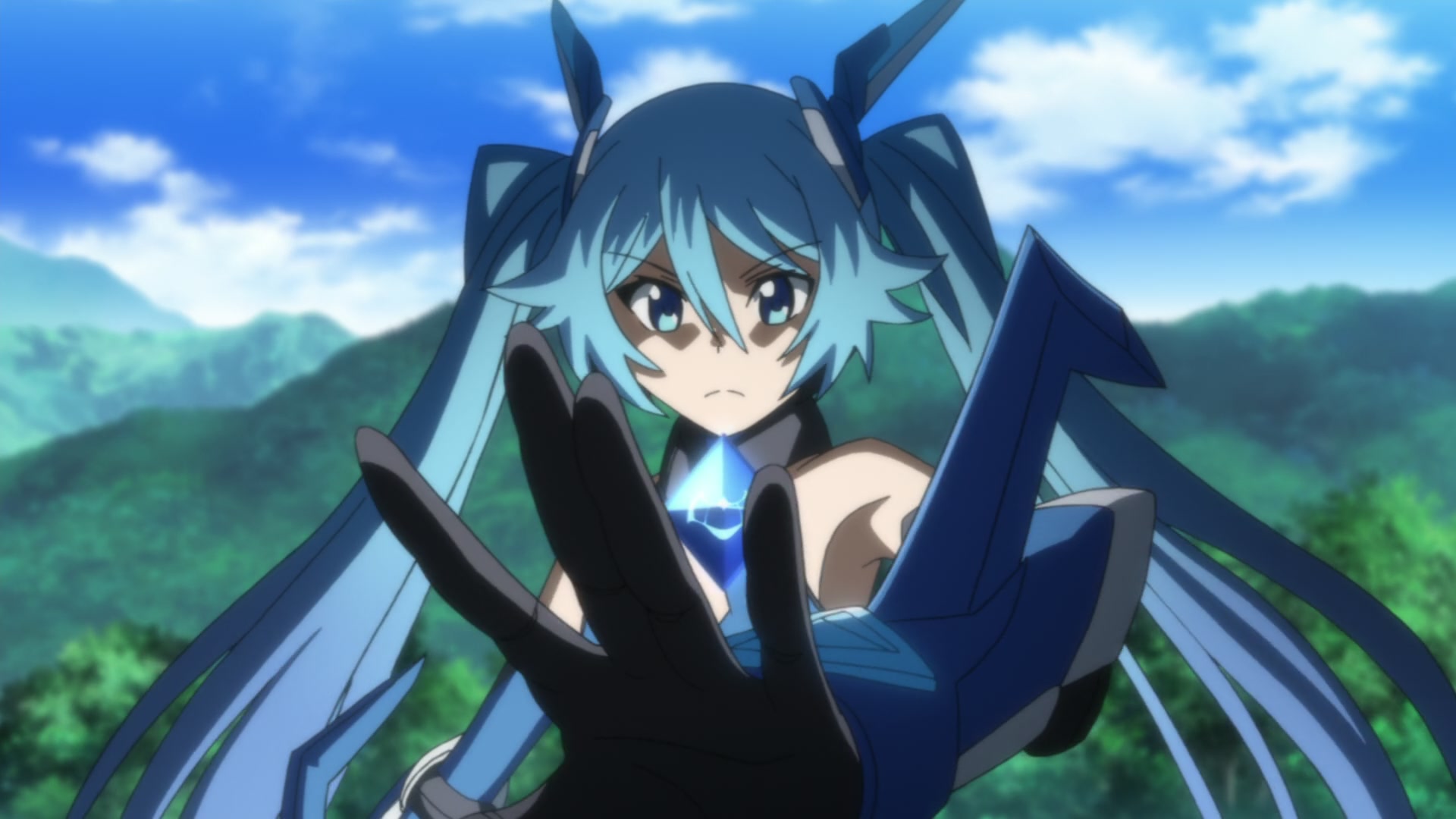
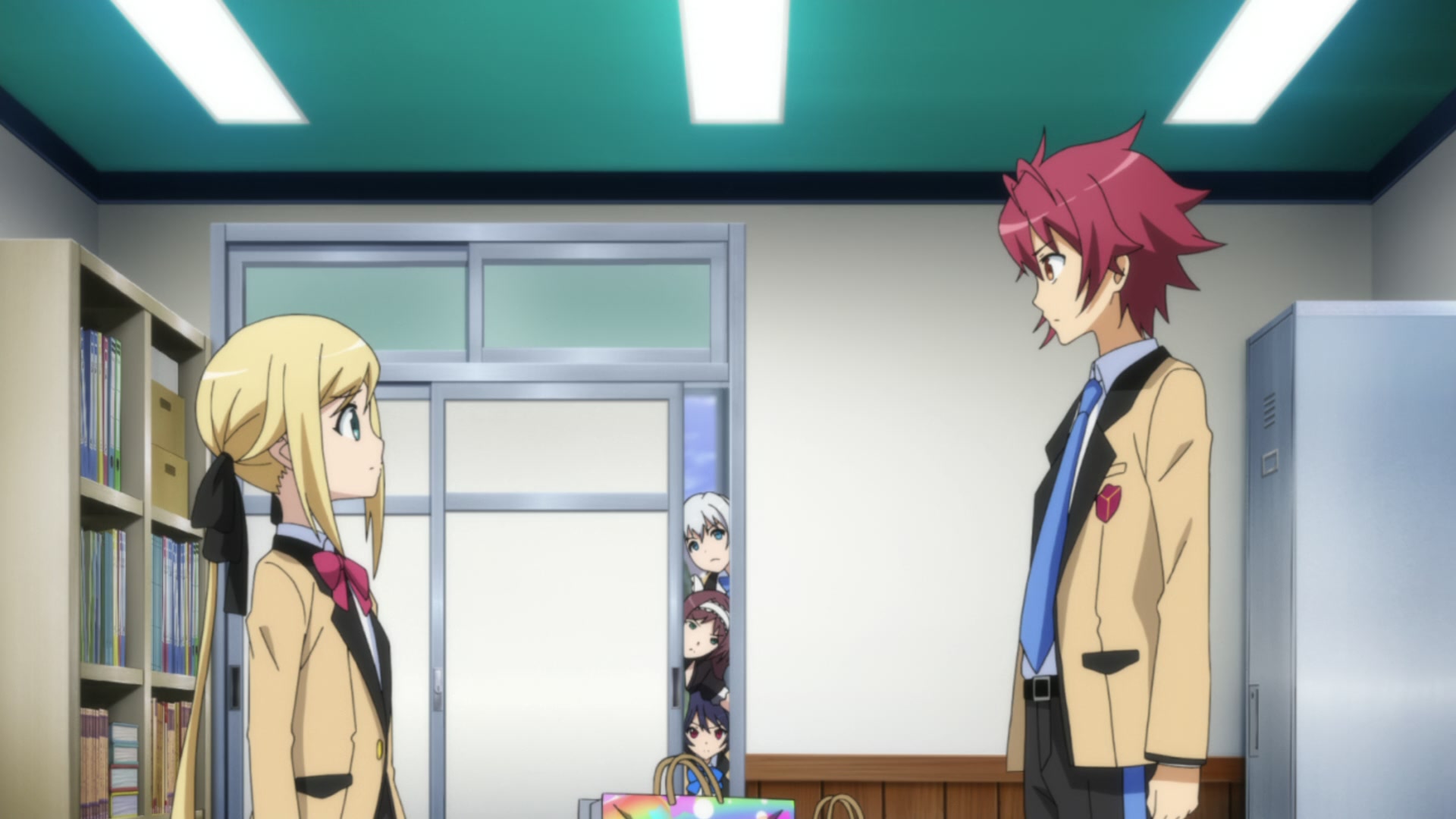
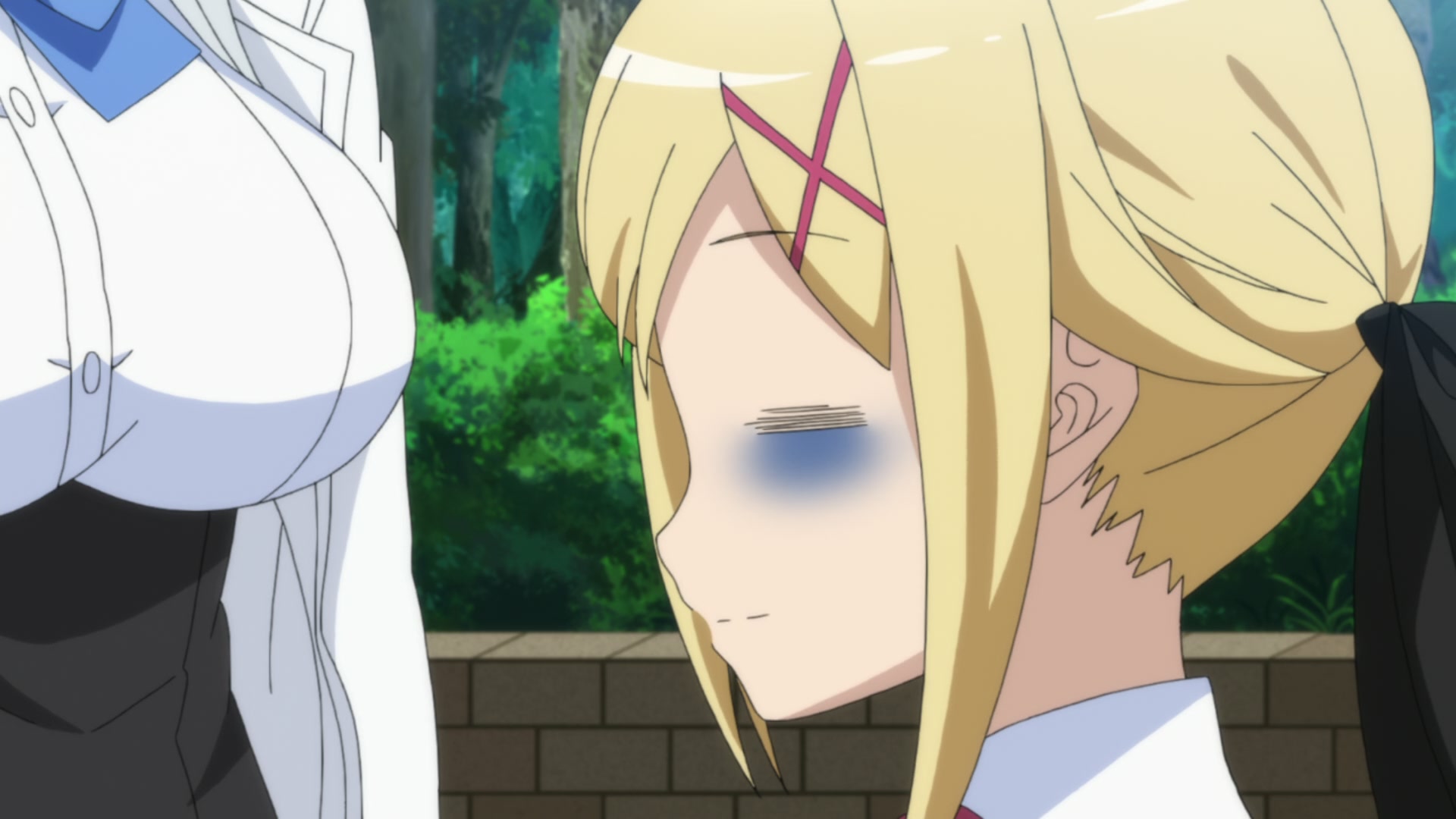
Aika is the classic childhood friend tsundere, but the writing gives her enough texture to transcend the archetype. Her primary wound is insecurity, specifically about her flat chest. The show milks this for comedy, but it also treats it as real pain. Her desperate attempt to use the big-breast Trait Tail Gear is played for laughs until the bracelet rejects her, at which point her breakdown becomes uncomfortably raw. Souji’s reassurance that the blue Gear has become inseparable from her heart is the kind of validation she’s needed for years.
Her relationship with Thouars evolves from hostility to genuine friendship. Early episodes feature Aika physically attacking Thouars for her perverted behavior, but by the end, they’re cooperating to help Souji through his crisis. Aika provides hairbands while Thouars provides clips. The symbolic union of their contributions reflects the emotional union they’ve achieved.
Aika’s finest moment comes when she destroys the fake Tail Red doll without hesitation. She can’t articulate her feelings for Souji, but she can protect his uniqueness with absolute certainty. It’s her love language, and the show understands that.
Thouars
Thouars is a deceptive character, initially appearing as a quirky pervert before revealing layers of tragedy and guilt. Her aggressive pursuit of Souji’s virginity is genuine, but it’s also a defense mechanism. She lost her own twintails—her identity, her power, her connection to everything she valued—and she’s desperately trying to bind herself to the person who now carries that power forward.
Her confession in the fourth episode recontextualizes the entire series. She’s not a scientist who happened to develop anti-Elemerian weapons. She’s the previous Tail Blue, a woman who fought the same fight and watched her world slowly die despite her victories. She sacrificed her twintail trait to create the Tail Gear Souji now wears, burning away her own identity to forge a weapon for someone else.
The gift of her hair clips to the transformed Souji is the show’s most poignant moment. These are the clips she wore when she still had twintails, the last physical remnant of her old self. Giving them away means trusting Souji completely with her legacy. When they become the catalyst for his new power, it’s a beautiful acknowledgment that her sacrifice was not in vain.
Shindou Erina
Erina’s arc is the most explicitly psychological. She has worn twintails her entire life because her mother, the school’s stern chairwoman, mandated them as a family tradition. She’s resented this imposition, feeling that the hairstyle makes her look childish and prevents others from taking her seriously. She loves heroes precisely because they embody the agency she lacks.
Souji’s admiration for her twintails bewilders her at first, then slowly transforms her. His insistence that her twintails are beautiful—not because tradition demands them but because they genuinely suit her—gives her permission to reclaim the hairstyle as her own choice. When she finally accepts the yellow Tail Gear and transforms, the result is explosively liberating. She strips off her armor in battle, calls Souji “Master,” and demands that he look at her body. This isn’t just fanservice. It’s the release of years of repression, a woman finally comfortable in her own skin.
Her willingness to use her own twintails to help Souji during his crisis—letting him touch them, helping tie his hair—completes the circle. The girl who hated her twintails now uses them to heal the person who taught her to love them.
Darkgrasper / Iisuna Anko
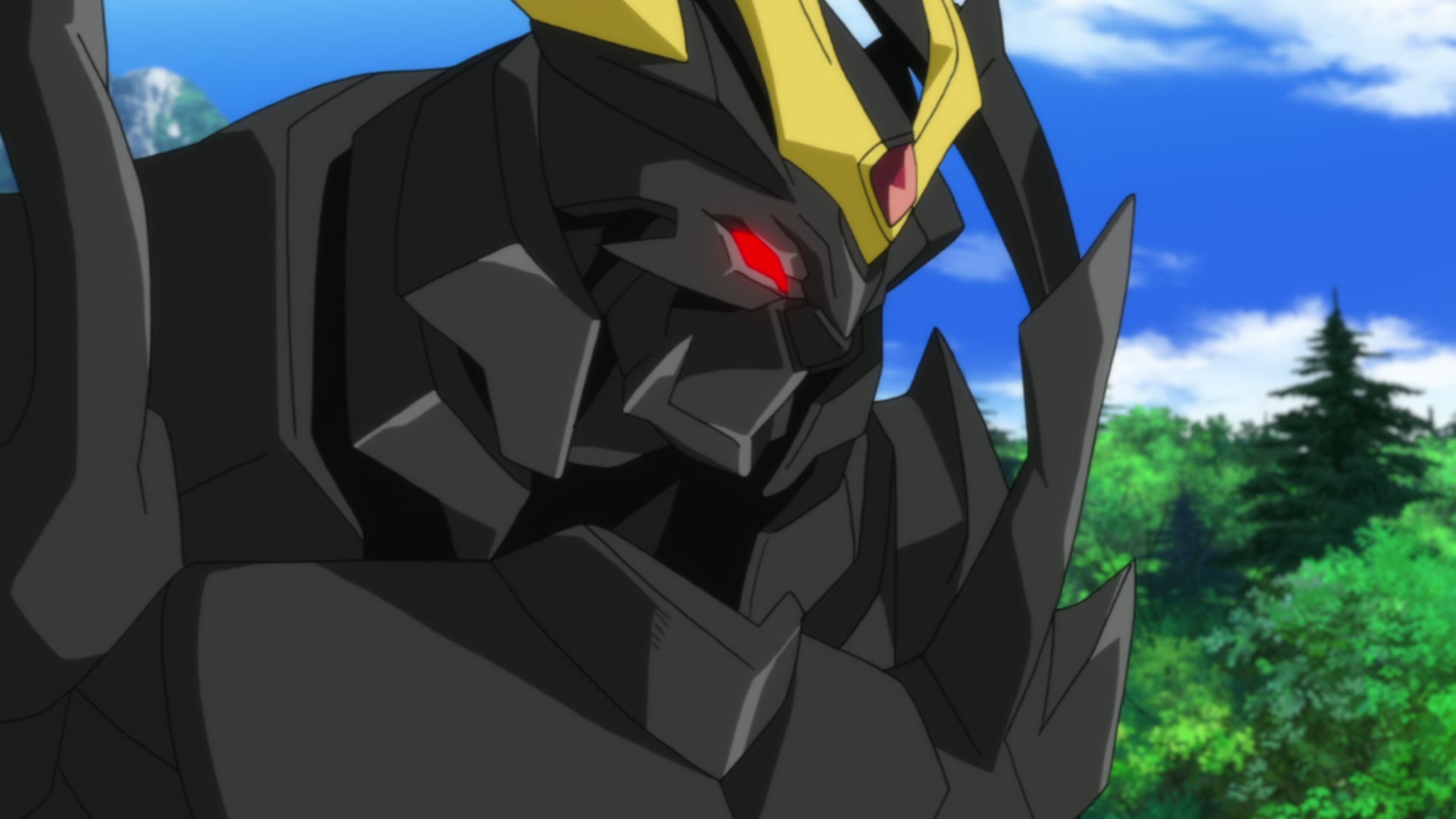
Iisuna is Souji’s dark mirror, a woman whose love for glasses parallels his love for twintails but curdles into something possessive and desperate. She joined Ultimegil to protect the glasses trait from extinction, making her mission structurally identical to Souji’s. The difference is methodology. Souji protects by defending. Iisuna protects by conquering.
Her kiss with Tail Red is the story’s pivot point, an act of violation that nevertheless awakens something in both parties. Iisuna transfers her obsessive affection from Thouars to Tail Red, setting up a romantic rivalry that extends beyond the series’ conclusion. She’s a tragic figure, isolated by the very intensity that defines her.
Supporting Cast
Souji’s mother deserves special mention as the show’s secret weapon. She’s cheerfully amoral about everything except her son’s happiness. She encourages Thouars to seduce him, pushes Aika and Erina to make romantic moves, and accepts the secret base and monster attacks with the enthusiasm of someone who always dreamed of being a hero herself. Her presence provides a stable foundation of unconditional acceptance that keeps the romantic chaos from becoming genuinely toxic.
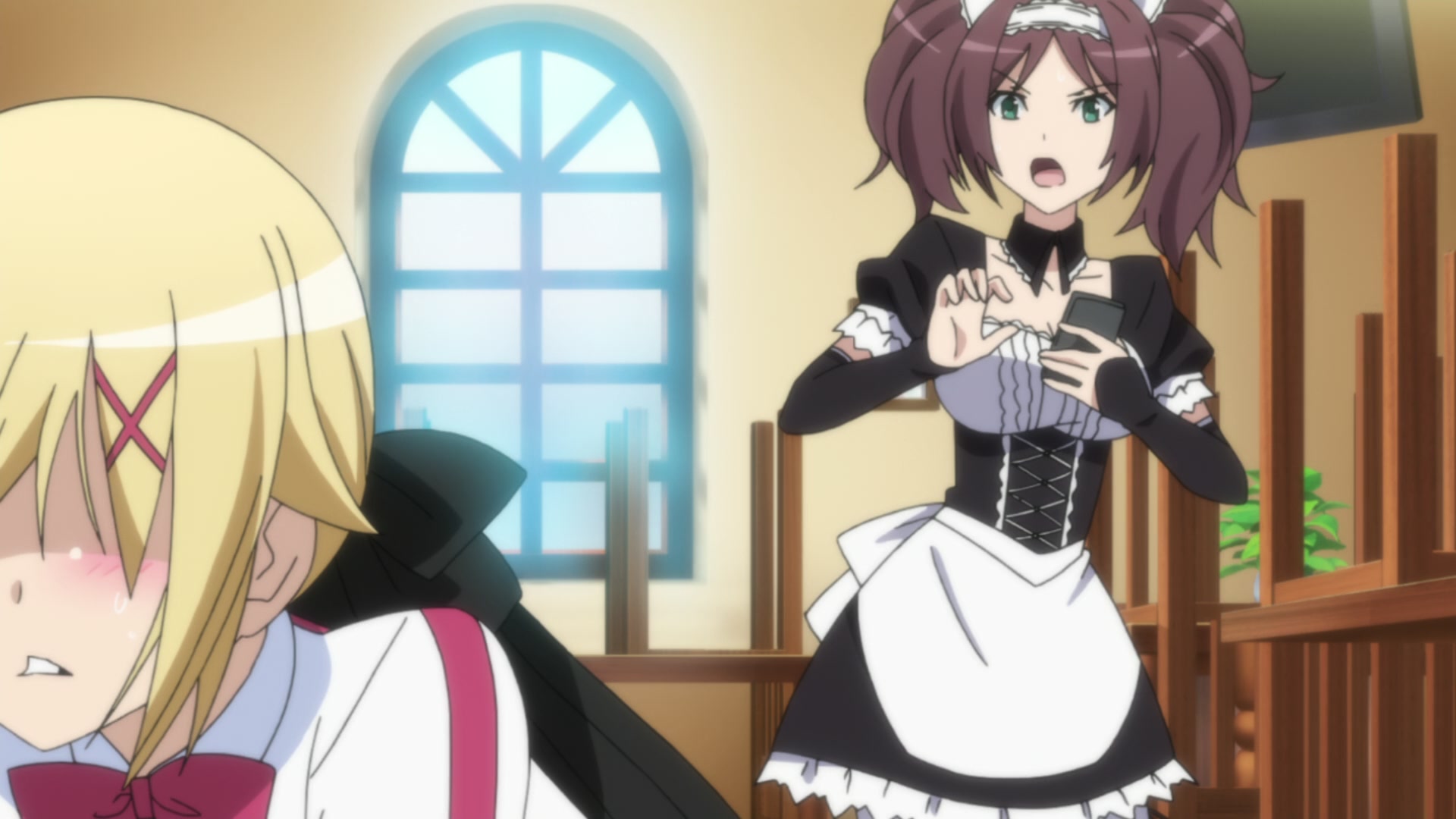
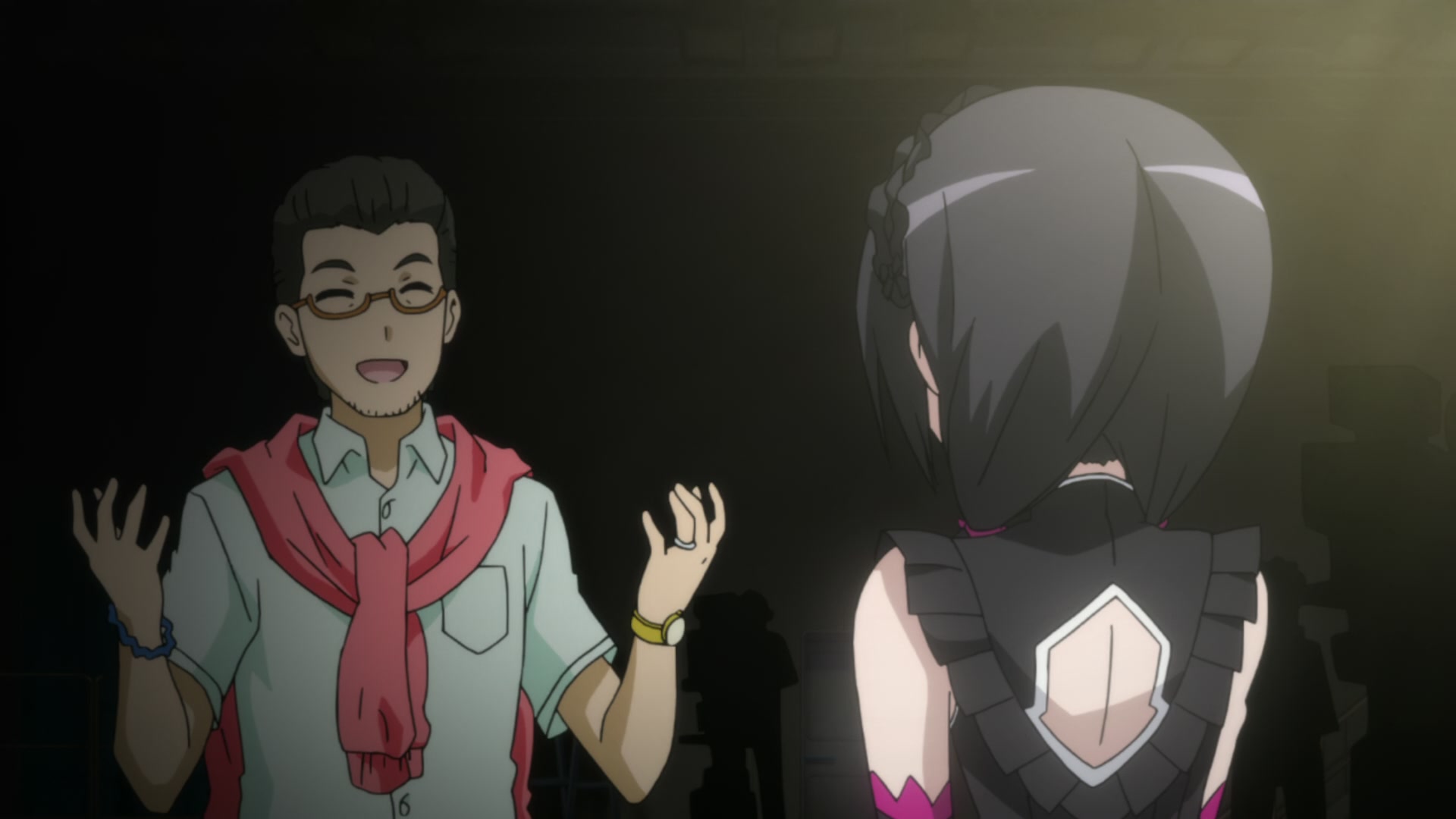
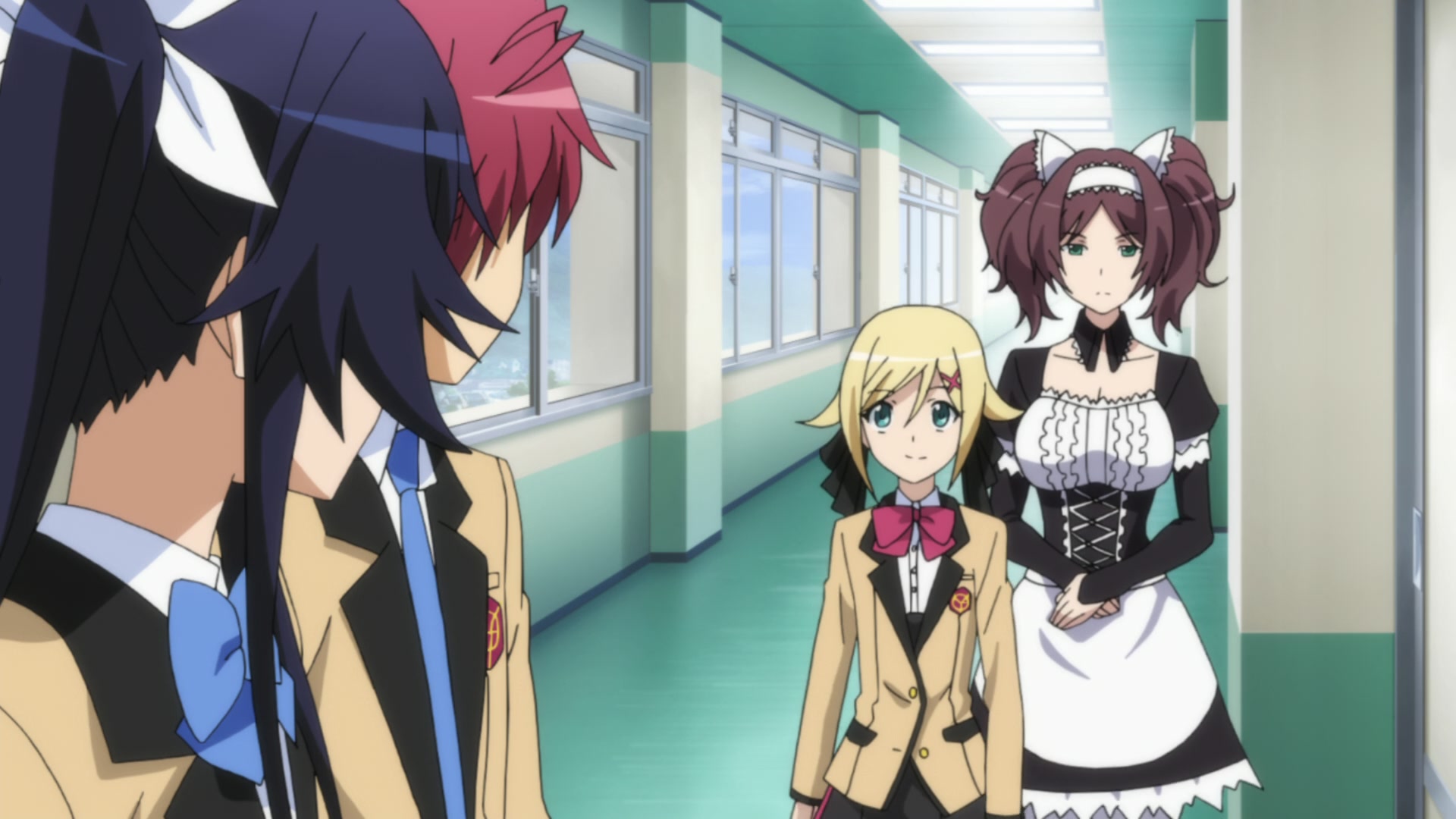
Mikoto, Erina’s maid and the club advisor, serves as the deadpan straight-man, her calm competence a contrast to the main cast’s chaos.

Visuals and Animation
Art Direction
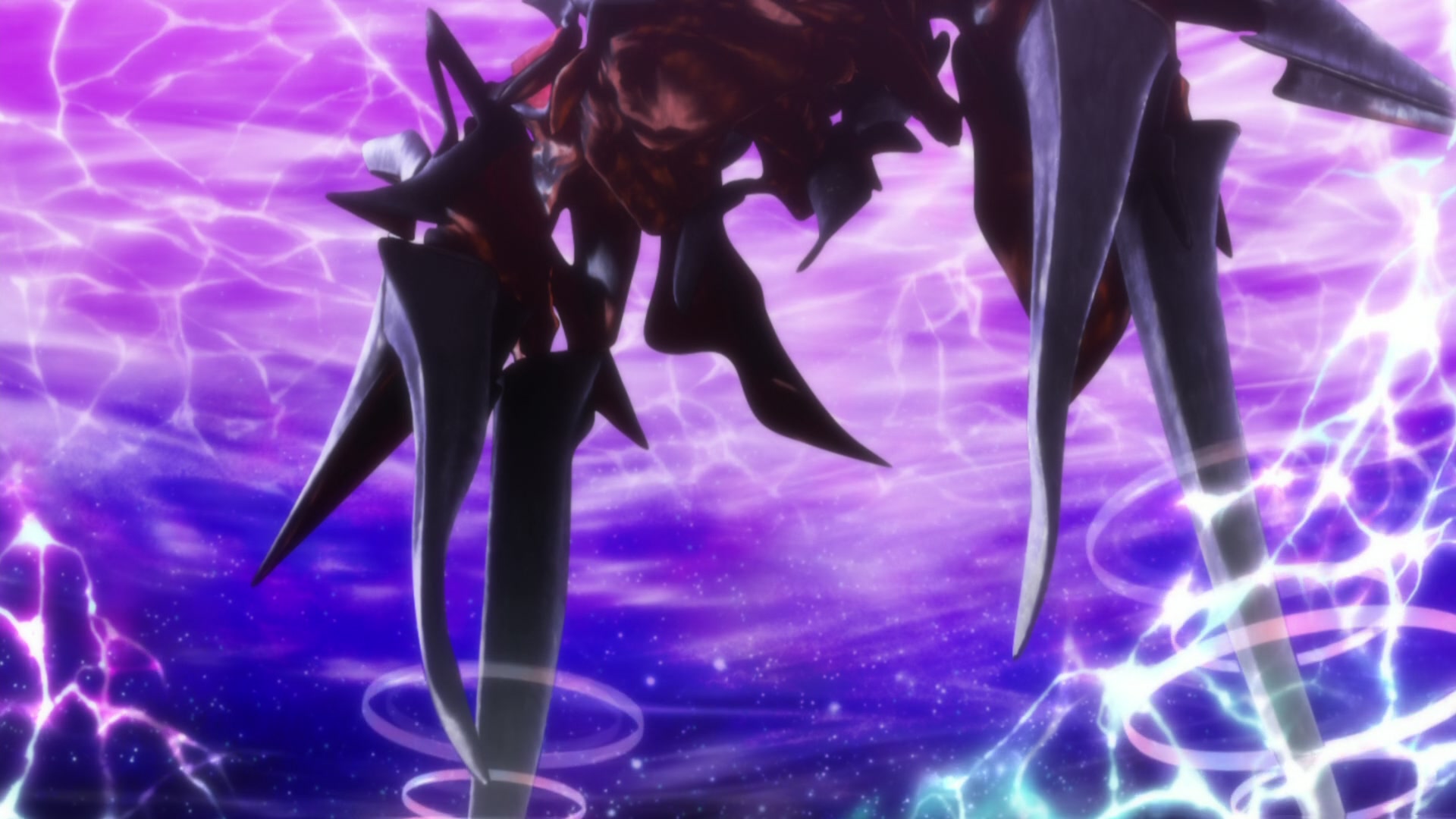
The visual identity of OreTwi is built on a striking duality. The everyday world is rendered in warm, inviting colors with soft lighting and conventional school-anime compositions. Classrooms, the curry shop, and domestic interiors feel grounded and familiar. When the action shifts to combat, the palette transforms dramatically. Blood-red skies, neon purple energy effects, and stark industrial environments signal entry into a heightened reality where the rules are different.
This contrast serves the narrative. Home is safe. The battlefield is alien and dangerous. The transition between these modes is often marked by transformation sequences that function as visual thresholds, the heroines’ bodies and costumes shifting as the world around them changes register.
Character Designs
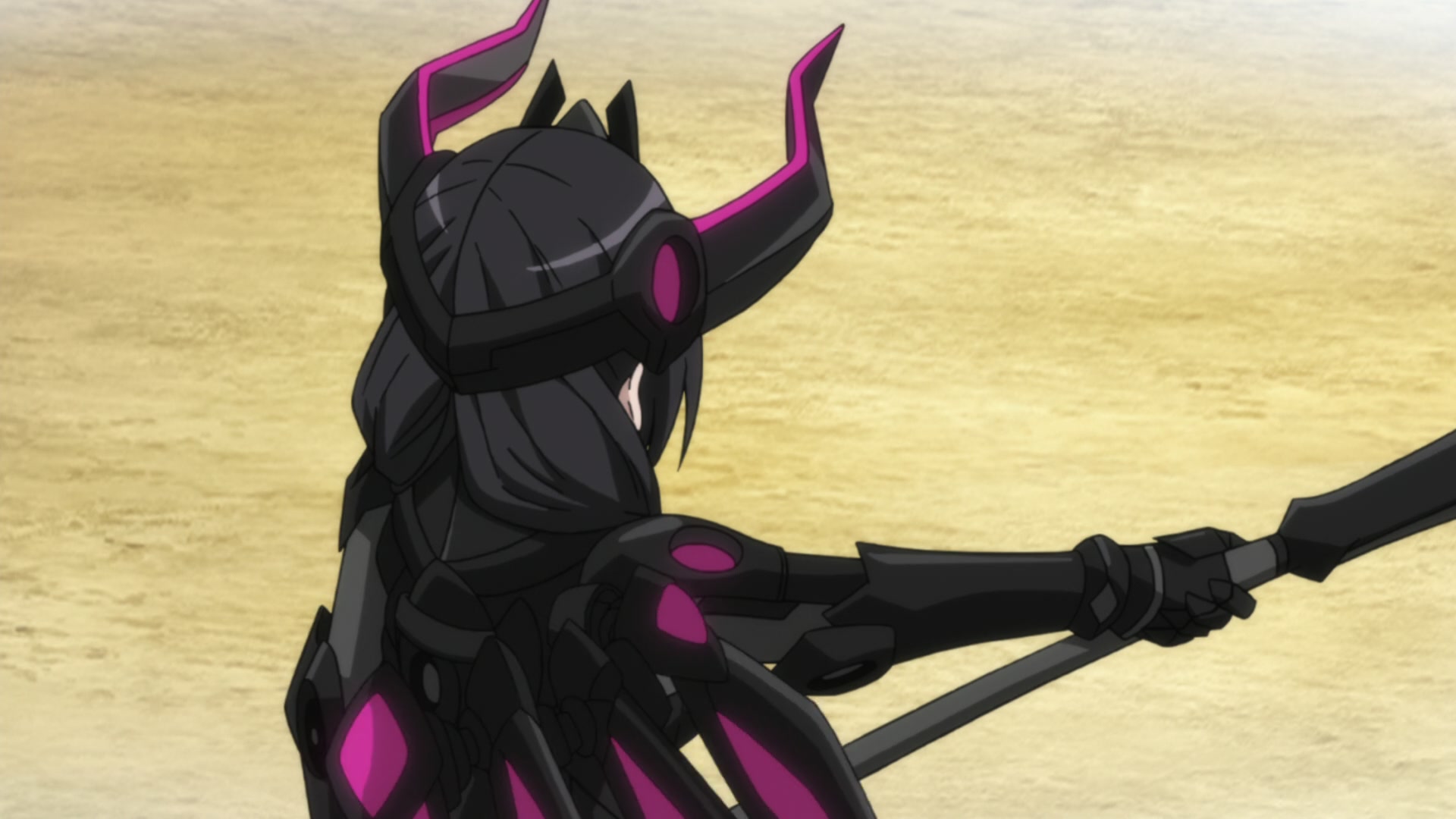
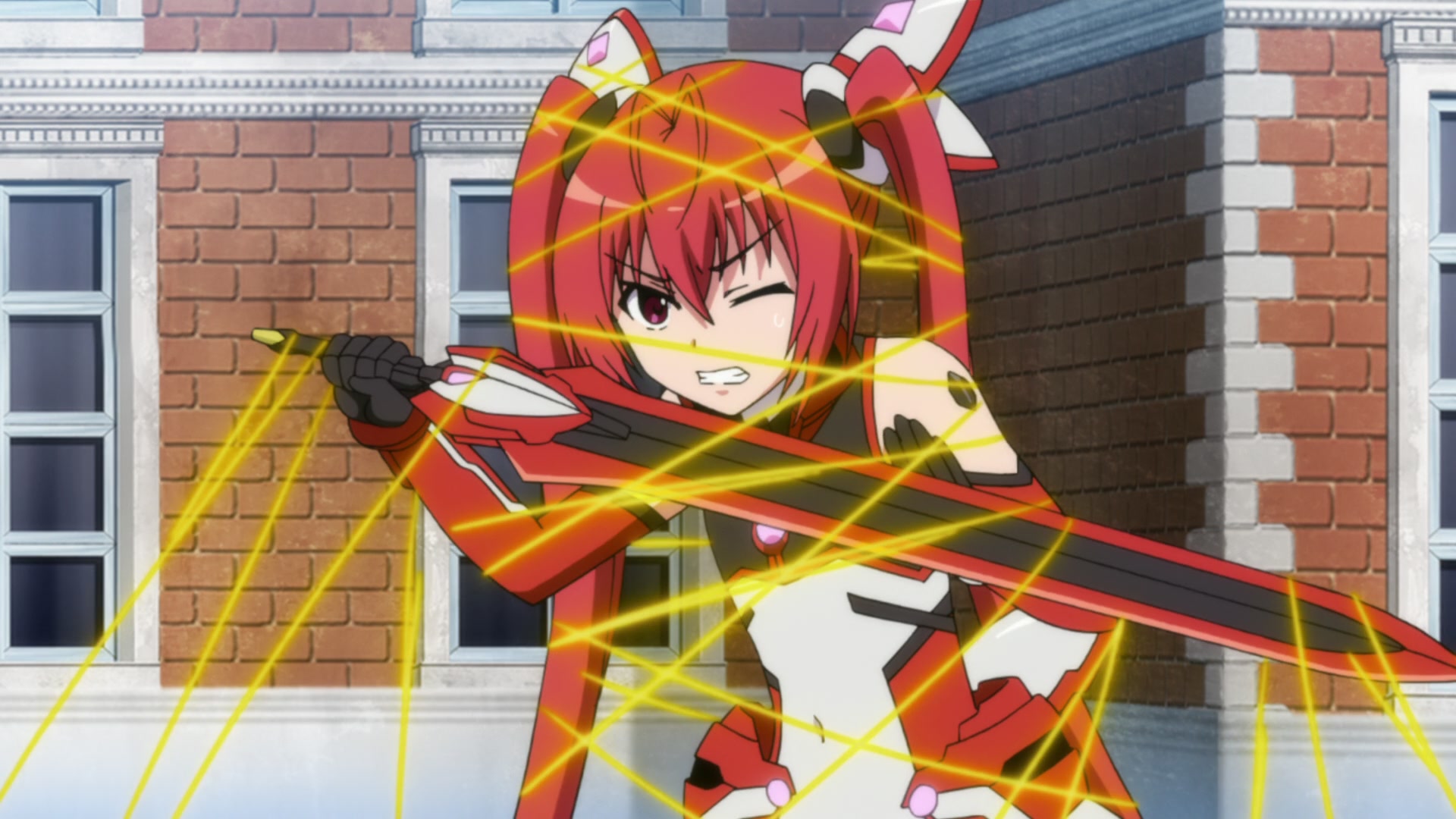
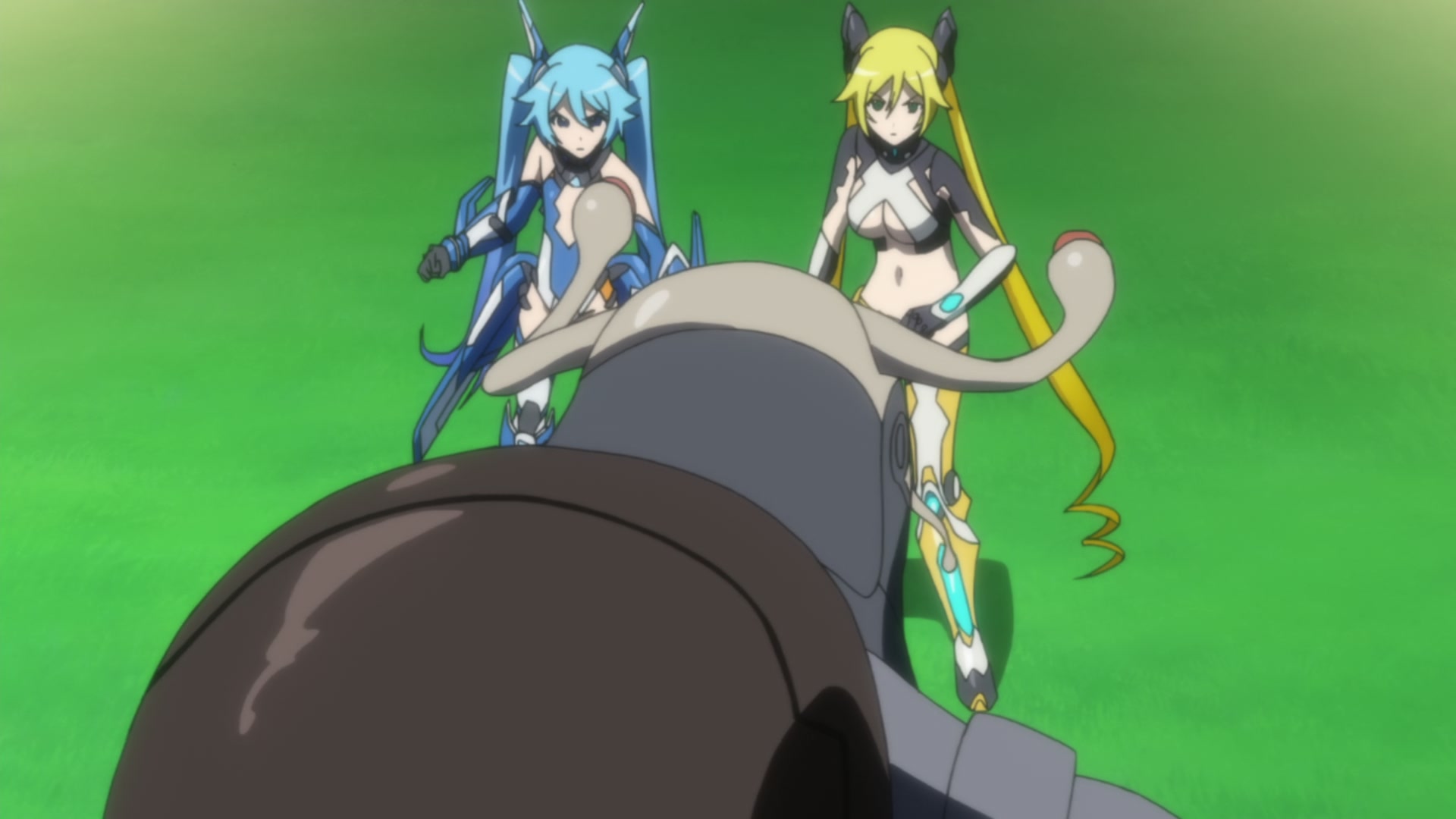
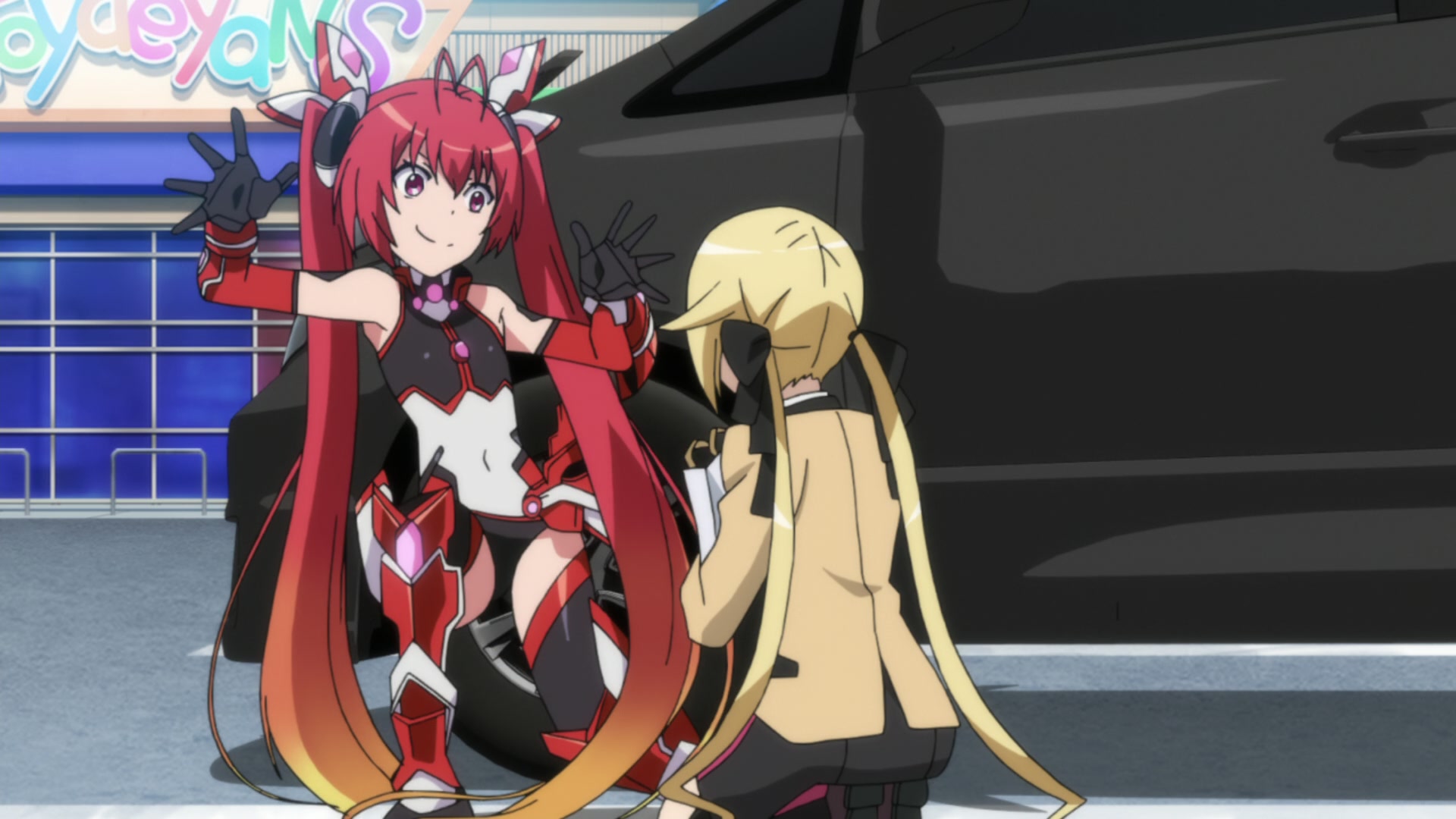
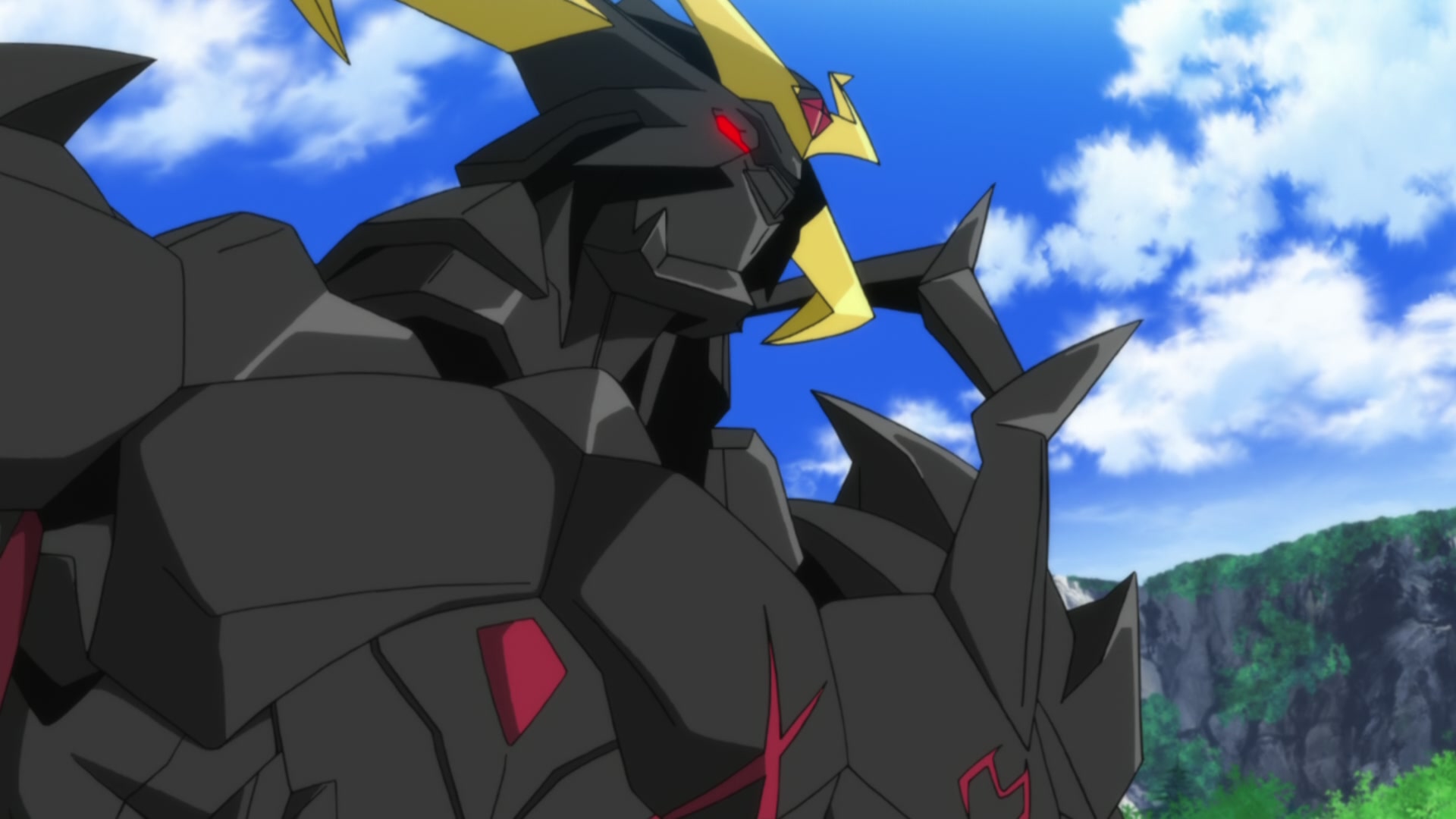
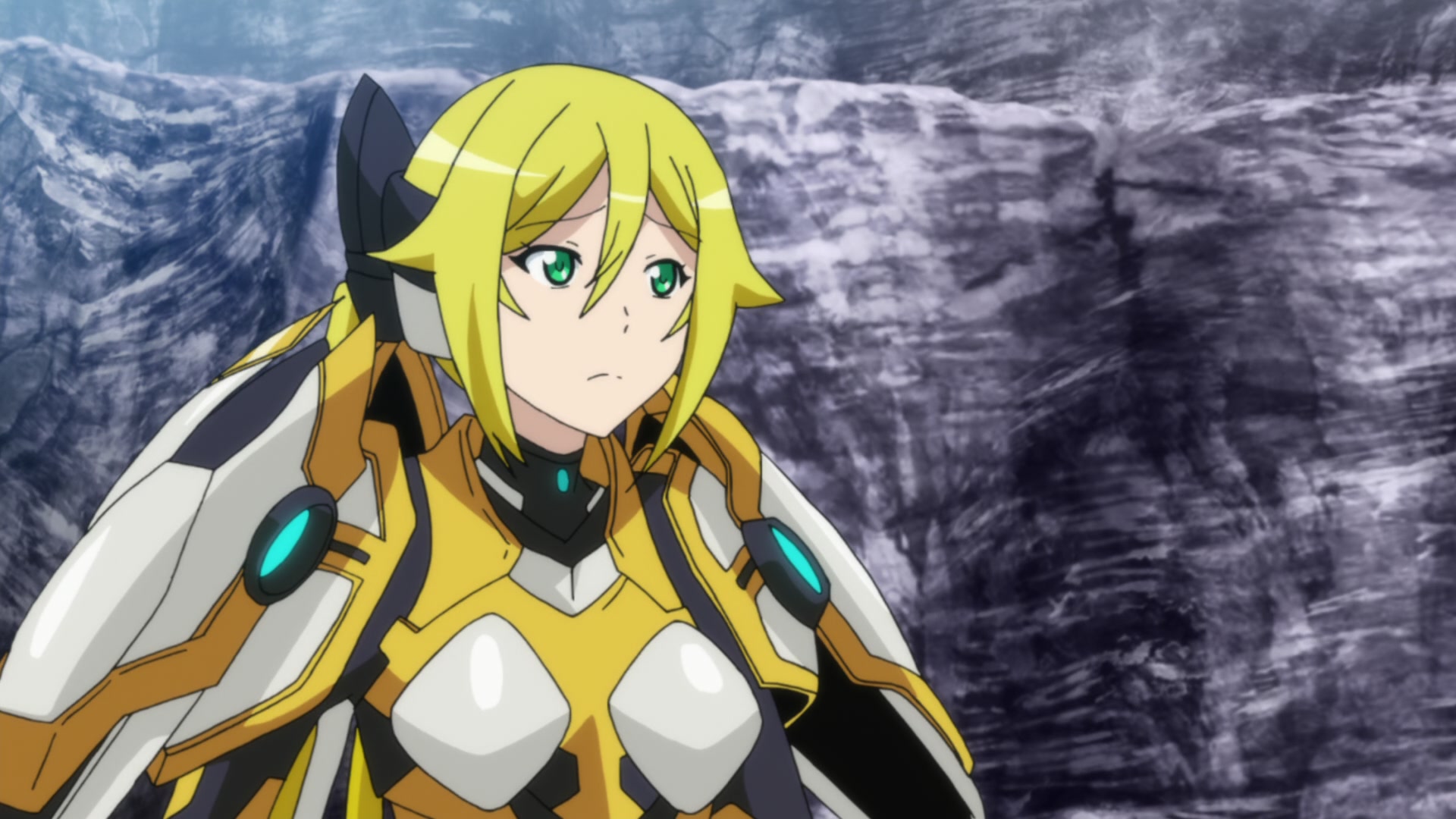
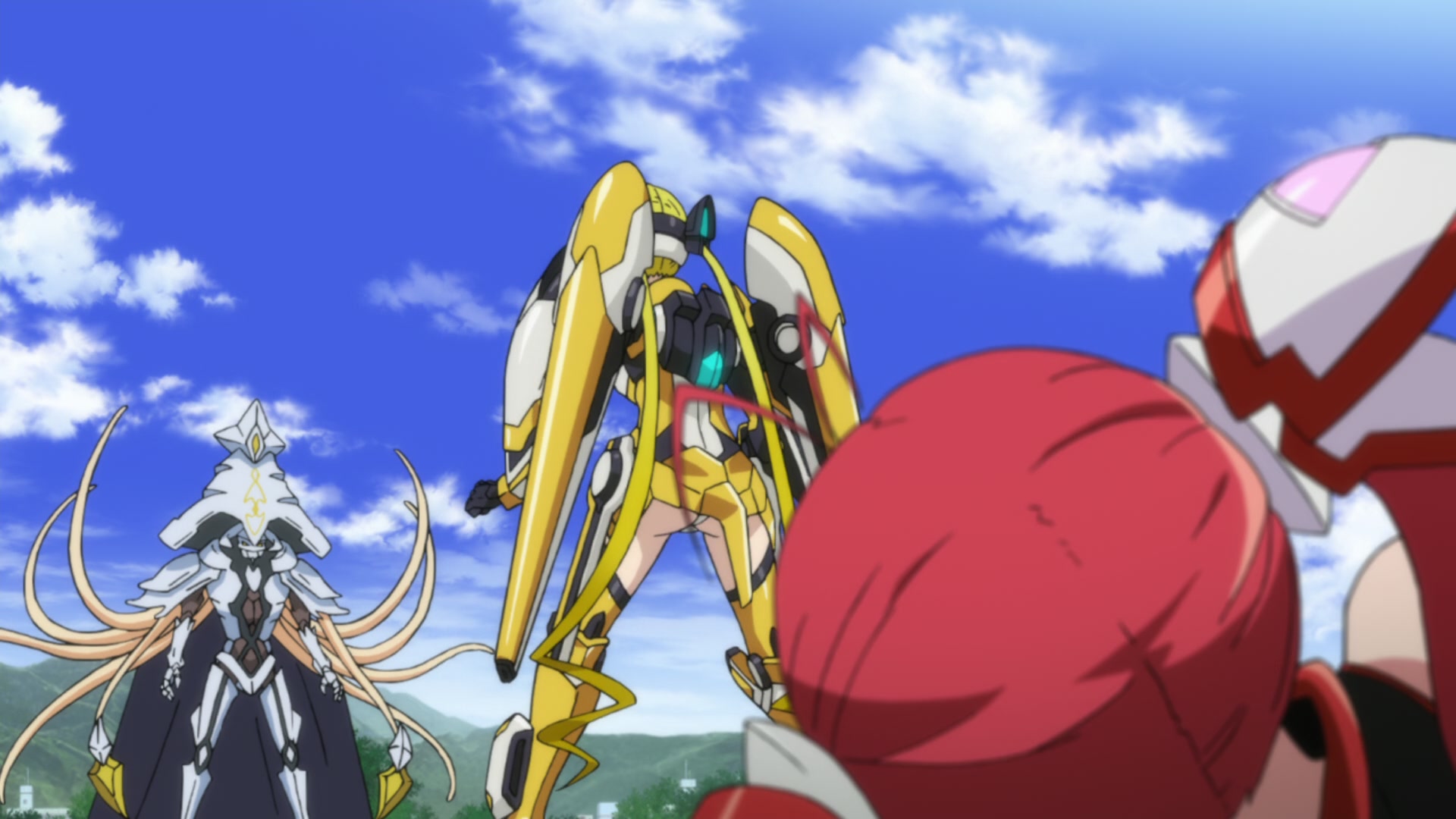
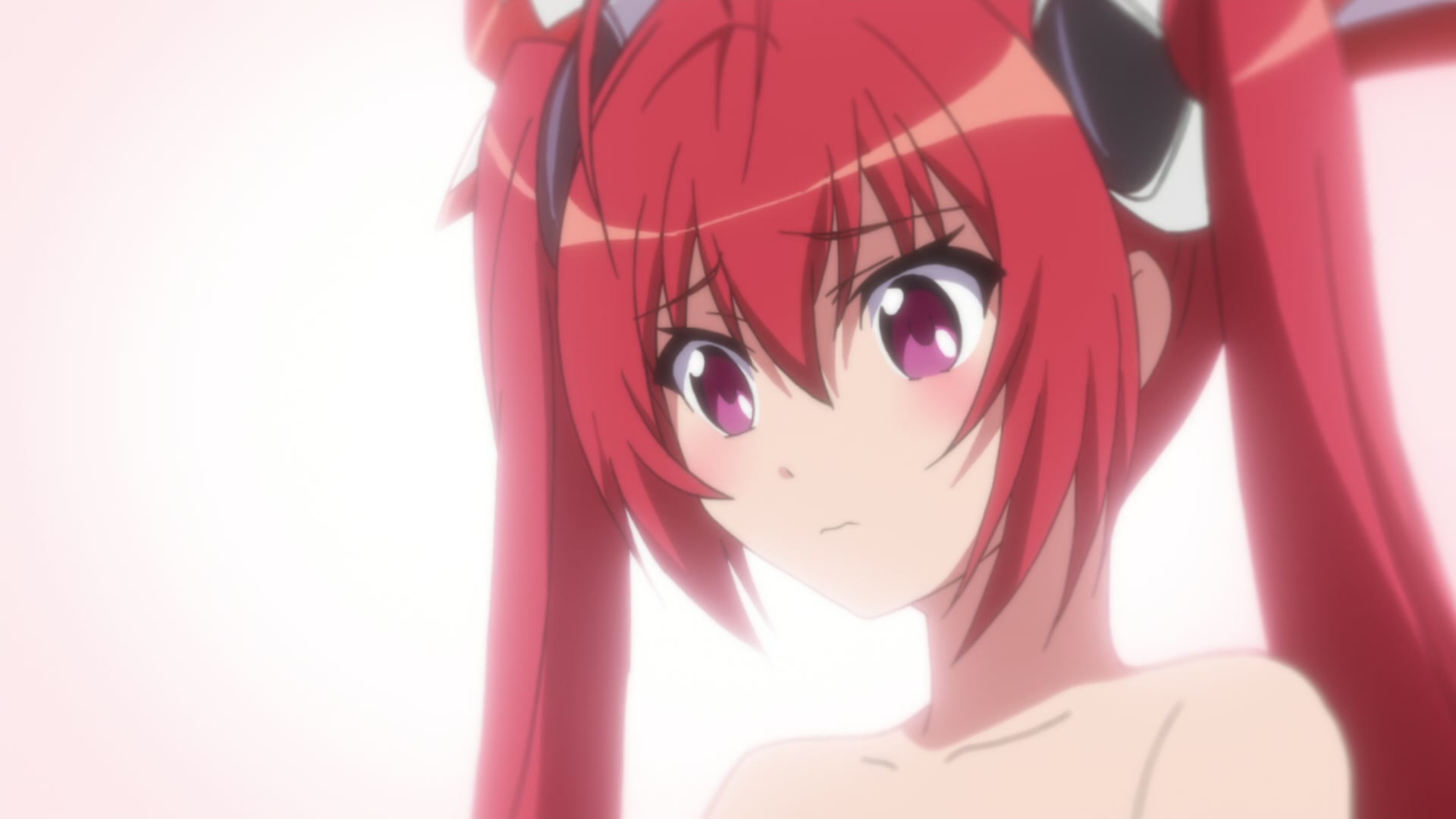
The main cast is defined by bold color silhouettes. Tail Red’s crimson, Tail Blue’s deep azure, and Tail Yellow’s golden armor make them instantly readable even in chaotic action scenes. The Tail Gears themselves are intricate, with layered plating, glowing energy ports, and a satisfying blend of mechanical weight and fantastical sleekness. The helmets or headpieces always accommodate the wearer’s twintails, integrating the hairstyle into the armor design rather than hiding it.
Civilian designs are simpler but effective. Souji is generic enough to be relatable while distinct enough to be recognizable. Aika’s perpetual scowl and Erina’s elegant poise communicate personality before any dialogue is spoken. Thouars’ white lab coat over casual clothes marks her as an outsider while still fitting into the school setting.
Animation Quality
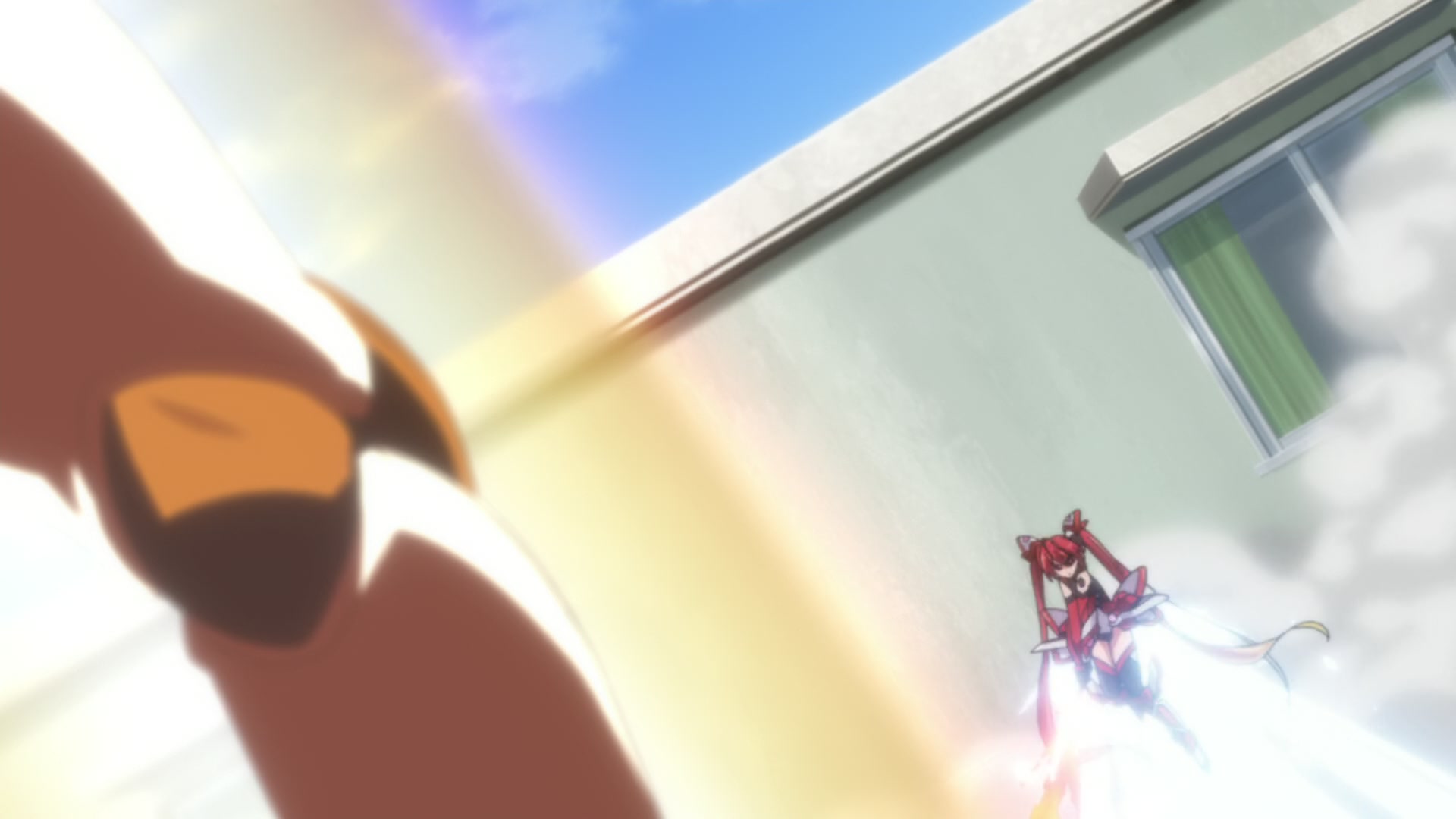
The series prioritizes its key moments. Transformation sequences are lavishly animated, with spinning camera work, particle effects, and detailed costume assembly that would feel at home in a higher-budget production. Finishing moves receive similar treatment, with dramatic lighting shifts, elaborate energy effects, and fluid character motion that sells the impact.
Downtime scenes rely more on holds and limited movement, but the strong character acting compensates. Facial expressions are a particular strength. The show shifts between modes effortlessly—exaggerated chibi faces for slapstick comedy, intense eyes with detailed irises for battle determination, soft blushes for romantic tension. The range keeps dialogue-heavy sequences visually engaging even when bodies aren’t moving much.
The production does show its budget constraints in certain areas. Background characters are often simplified and repetitive. Some slice-of-life interiors feel flat, with characters occasionally seeming disconnected from their environments. The heavy use of bloom and digital lens flares in action scenes sometimes masks limited animation, creating impact through post-processing rather than fluid motion. These are the compromises of a mid-budget television anime, and they’re deployed strategically. The money goes where it matters.
Backgrounds and Composition
Background art is strongest in exterior and atmospheric scenes. A flower field where Souji and Aika share a quiet moment, the neon-drenched cityscape during night battles, the industrial lairs of the Ultimegil—these environments are rendered with texture and care. Interior settings like classrooms and club rooms are more functional but use shallow depth of field effectively to maintain focus on characters.
The composition employs dynamic techniques that keep static scenes lively. Dutch angles during confrontations, foreground elements framing dialogue, and energetic posing all contribute to a sense of motion even when the animation itself is limited. The climactic image of Souji tying his twintails against a warm, golden sunset is composed with the care of a much more prestigious production.
Sound and Music
Opening and Ending Themes
The opening theme, “Gimme! Revolution” by Maaya Uchida, is an energetic pop-rock track that perfectly captures the series’ tone. It’s upbeat and catchy without being saccharine, with a driving beat that mirrors the show’s momentum. The visuals accompanying it showcase the main cast, their transformations, and snippets of action that prime the audience for the episode ahead.
The ending theme provides a softer counterpoint, focusing on character relationships and quieter moments. The shift from the opener’s bombast to the closer’s warmth mirrors the show’s own rhythm of explosive battles followed by domestic calm.
Voice Acting
The seiyuu cast delivers committed performances that elevate the material. The lead role of Souji/Tail Red is handled with particular skill, requiring the actor to shift between a boy’s natural register, a girl’s higher voice in the suit, and the flattened affect of the depowered Solar persona. These transitions are handled smoothly and contribute to the characterization.
Maaya Uchida brings the right mix of arrogance and vulnerability to Thouars, while Aika’s seiyuu captures the tsundere range from screeching rage to tender concern. Erina’s performer navigates the character’s duality between proper student council president and uninhibited exhibitionist with impressive control. The villains each receive distinct, memorable vocal characterizations that match their exaggerated designs.
Sound Design and Score
The soundtrack balances epic orchestral swells for battle sequences with lighter, comedic cues for domestic scenes. The transformation jingle is memorable and satisfying, and the sound effects for weapons summoning, energy blasts, and the clashing of blades provide appropriate weight. The audio mixing ensures that dialogue remains clear even during chaotic action, and atmospheric audio like wind, crowd noise, and environmental ambience grounds the more fantastic elements.
Overall Verdict
Ore, Twintails ni Narimasu is a series that knows exactly what it is and loves itself without reservation. That self-assurance is infectious. It commits to its absurd premise with such sincerity that the ridiculous becomes sublime. A boy who loves twintails more than life itself becomes a girl to fight aliens who want to steal humanity’s passion. This should not work. It works beautifully.
The show succeeds because it understands that the things we love, however niche or incomprehensible to others, are the things that make us who we are. Souji’s twintail obsession is played for laughs but also for tears. His relationships with Aika, Thouars, and Erina develop naturally from the soil of shared purpose and mutual support. The villains are not obstacles but mirrors, reflections of how love can curdle into possession or desperation.
The animation is sharp where it counts, the music is energetic and appropriate, and the voice acting commits fully to the tonal tightrope walk. The budget limitations are visible but strategically managed. Thematically, the series achieves a rare balance between comedy and genuine emotion, earning its moments of sincerity through sheer accumulated conviction.
This is an anime for the devoted. For those who grew up with tokusatsu, who understand the language of transformation heroes and color-coded teams, who can appreciate a show that asks whether your love for someone and your love for their twintails can coexist. It’s for anyone who has ever felt slightly embarrassed about something they love, and then decided to love it anyway. It’s funny, it’s weird, it’s surprisingly wise, and it’s absolutely unmissable for the right audience.
If you can accept a world where twintails are worth dying for, you’ll find a series worth living with.
Gallery