


Story and Themes
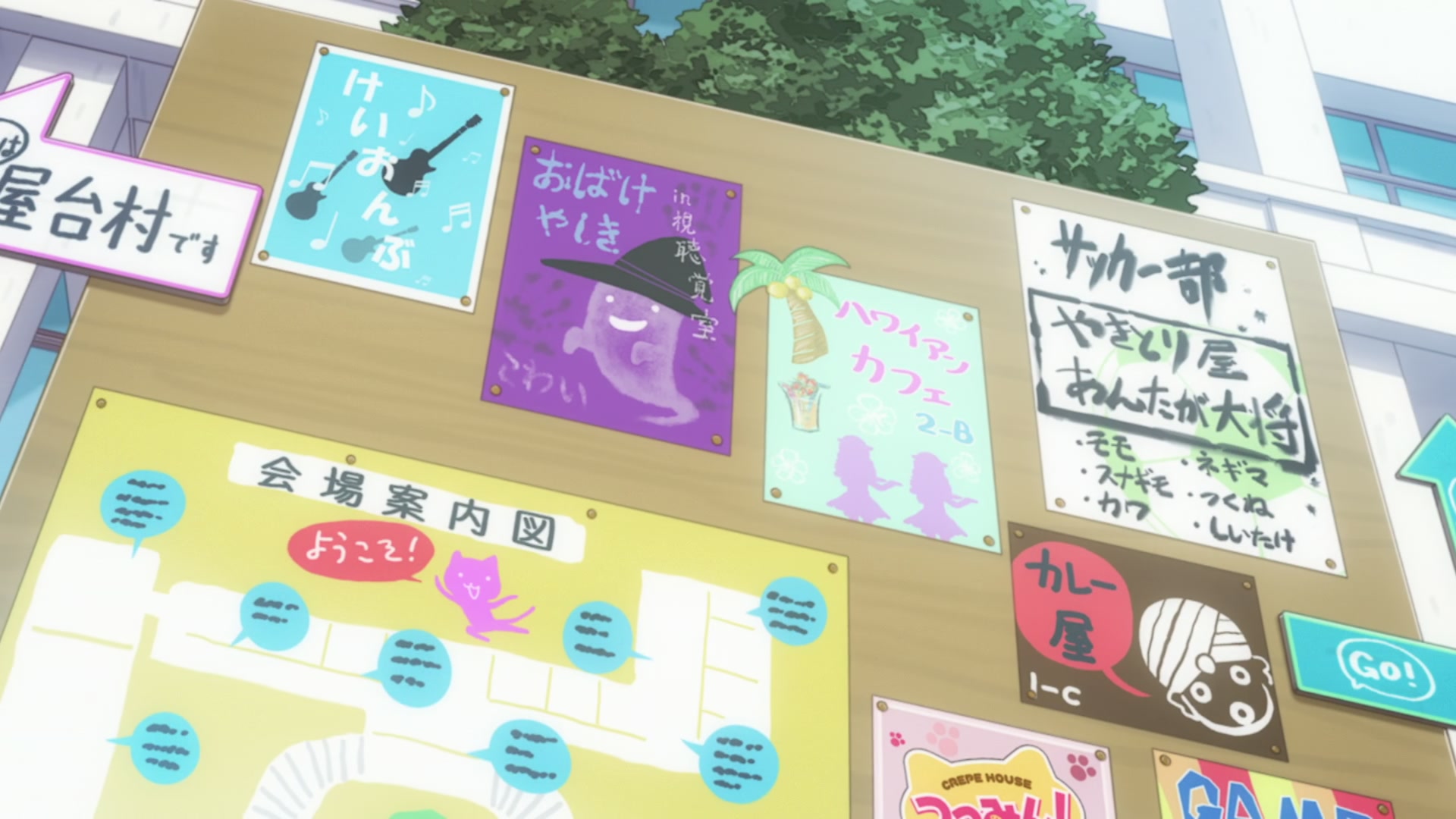
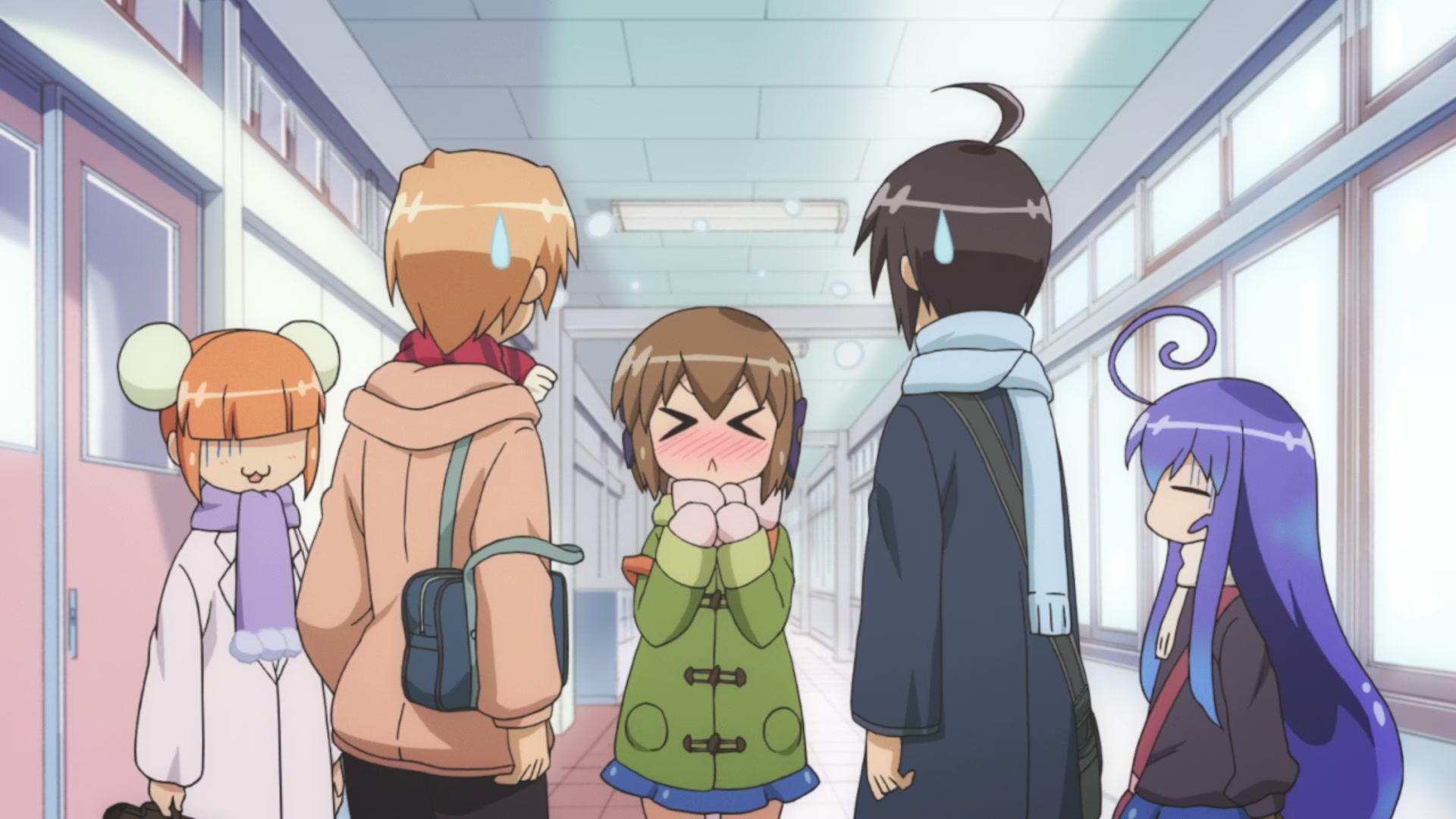
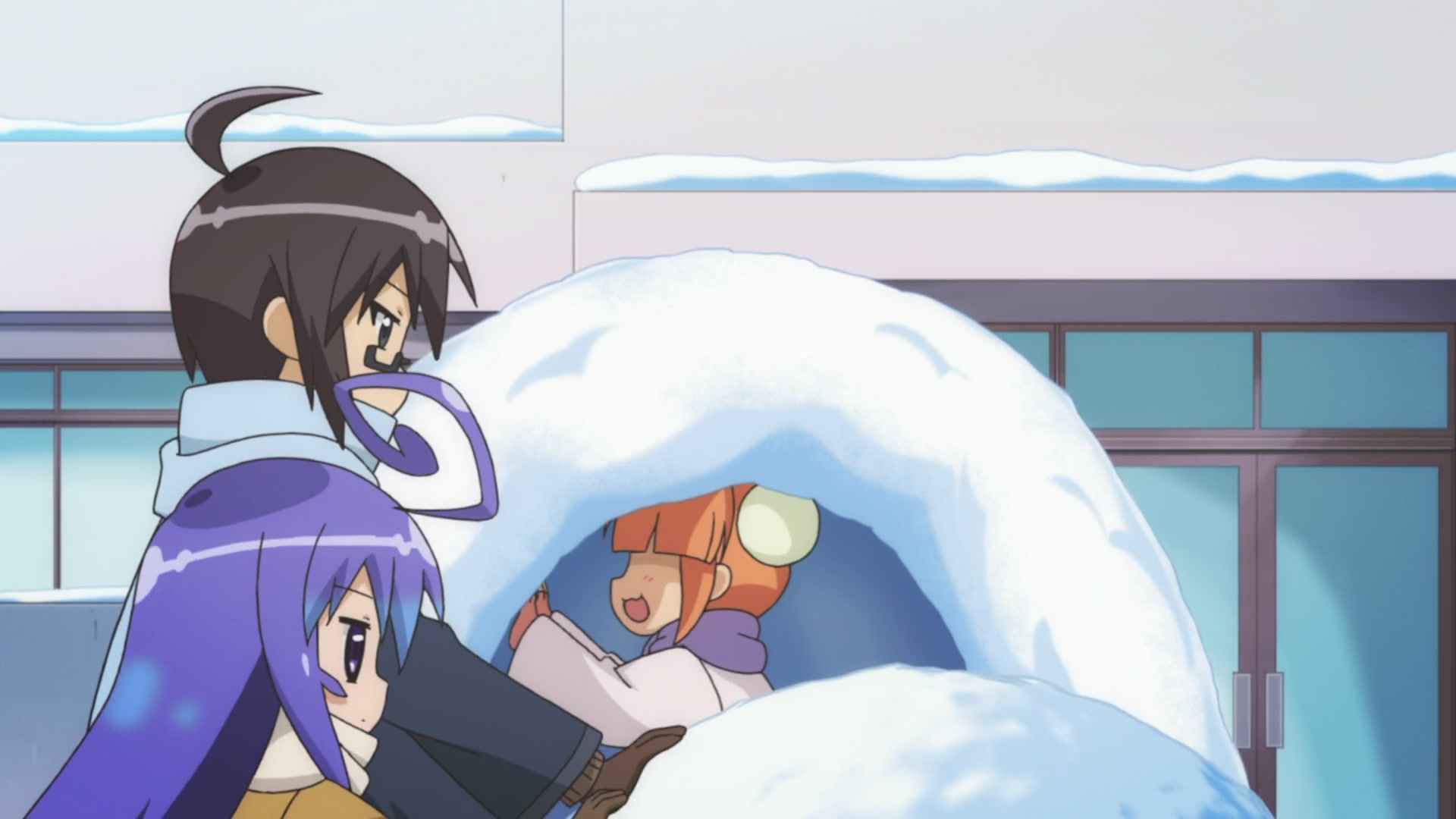
The narrative of Acchi Kocchi is unabashedly episodic, each instalment tethered to a particular seasonal event or daily school occurrence. Rather than constructing a grand plot arc, the series builds its emotional momentum through the patient accretion of small moments. We watch the characters clean the pool in early summer, pound mochi for New Year’s, sell crêpes at the school festival, and exchange chocolates on Valentine’s Day and White Day. The effect is a gentle, almost poetic sense of time passing—a seasonal calendar of youth that invites annual rewatching, much like how Japanese pop culture itself often associates specific media with specific times of year.
This seasonal framing is profoundly tied to Japanese cultural practice. The shrine visit of hatsumōde in Episode 11, with its purchase of good‑luck charms and the group’s playful wishes, is depicted with a warmth that needs no explanatory exposition. The candy‑cut crafts at the summer festival, the goldfish scooping, the shared yukata viewing—all are rendered with the nostalgic reverence of a culture that has long woven matsuri into its romantic storytelling. The intricate social code of Valentine’s Day and White Day, complete with “obligatory,” “romantic,” and even “friend‑eating” chocolate, is both explained through comedy and subverted through the characters’ own struggles. When Mayoi proposes turning “love‑fortune” (koi‑uranai) charms into “love‑expert” (koi‑tsukai) talismans, the pun captures the series’ delight in language play, a hallmark of the 4‑koma adaptation that feels authentic and unforced.
Beneath its bright surface, Acchi Kocchi spins several interwoven thematic threads. The most prominent is the unspoken language of love. Tsumiki and Io’s romance, such as it is, advances almost entirely without words of confession. Tsumiki bakes chocolate mousse because she knows Io dislikes plain chocolate; Io sews a cat costume specifically for her school festival appearance, staying up late to finish it. He jumps off a moving train to remain with her when she might be left behind, and on White Day, he presents her with a gummy candy bearing a tiny cat, murmuring, “I only put that on yours.” The series quietly argues that actions are a more honest language than speech, especially for characters who find verbal vulnerability nearly impossible. In a medium often criticised for telling rather than showing romance, Acchi Kocchi trusts its audience to read the signs.
Intertwined with this is the theme of found family and the solace of togetherness. Io’s parents are permanently away for work; Tsumiki’s home life is never shown, suggesting a quiet solitude. The Inui siblings—Sakaki and his serene older sister Miiko—offer Io a place at their table, their cake shop, Hatch Potch, becoming the group’s communal haven. When Tsumiki learns of Io’s situation, she quietly tells him, “I think I would want to do the same,” and Io, for once, visibly blushes. The series suggests that the true luxury of youth is not passionate romance alone, but the existence of people who will hold a seat for you, feed you, and drag you out to see the first sunrise of the year.
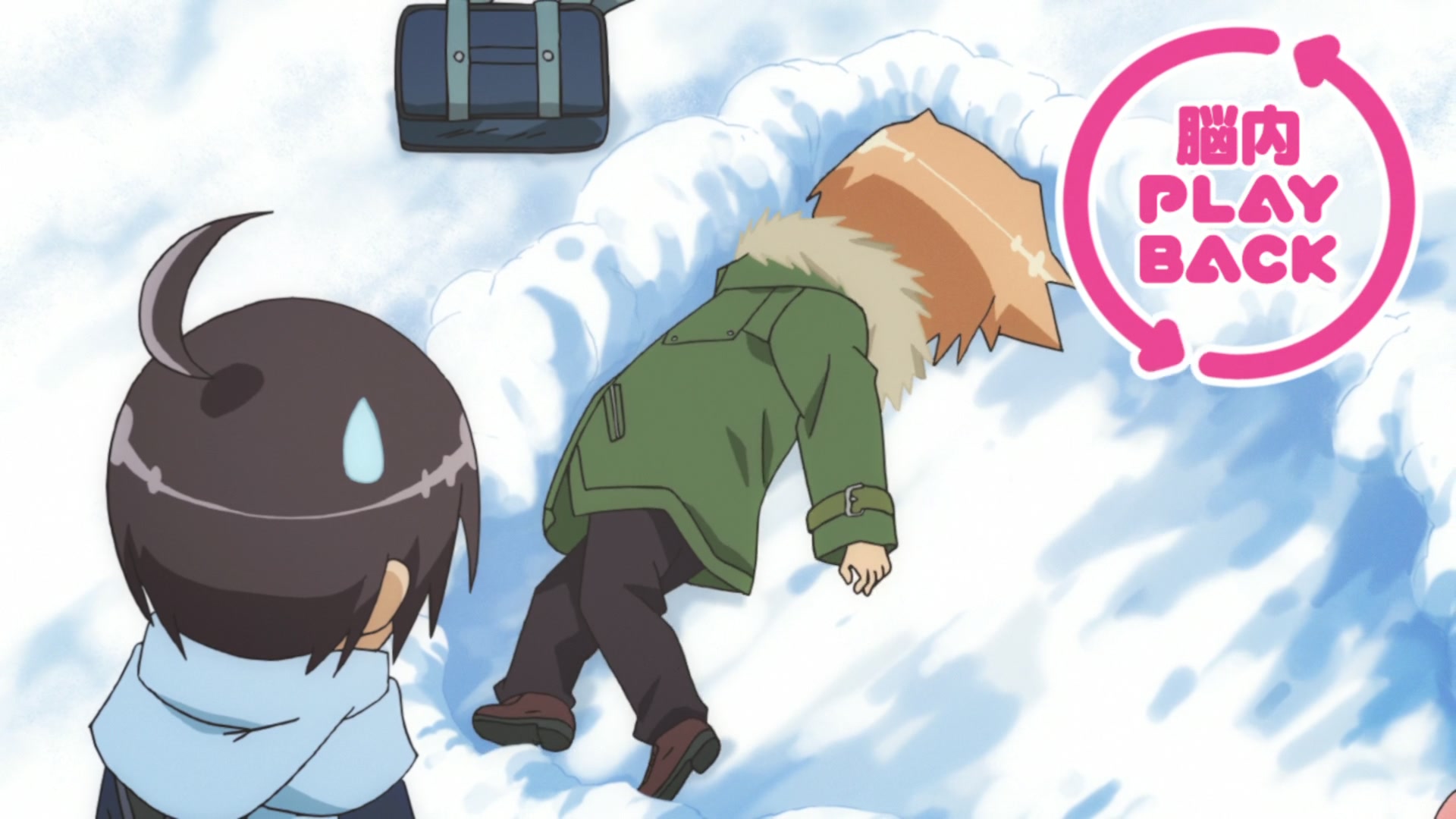
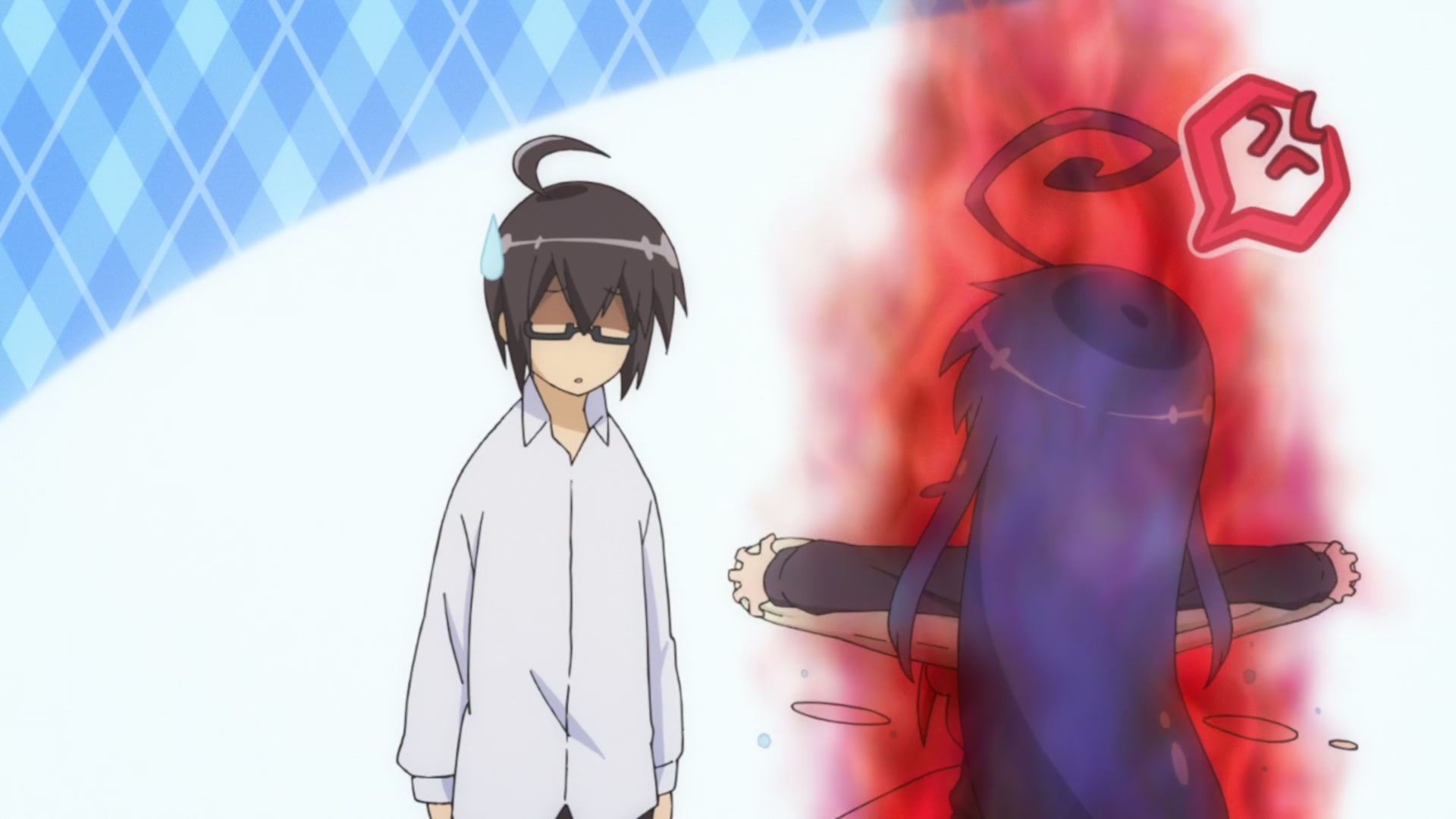
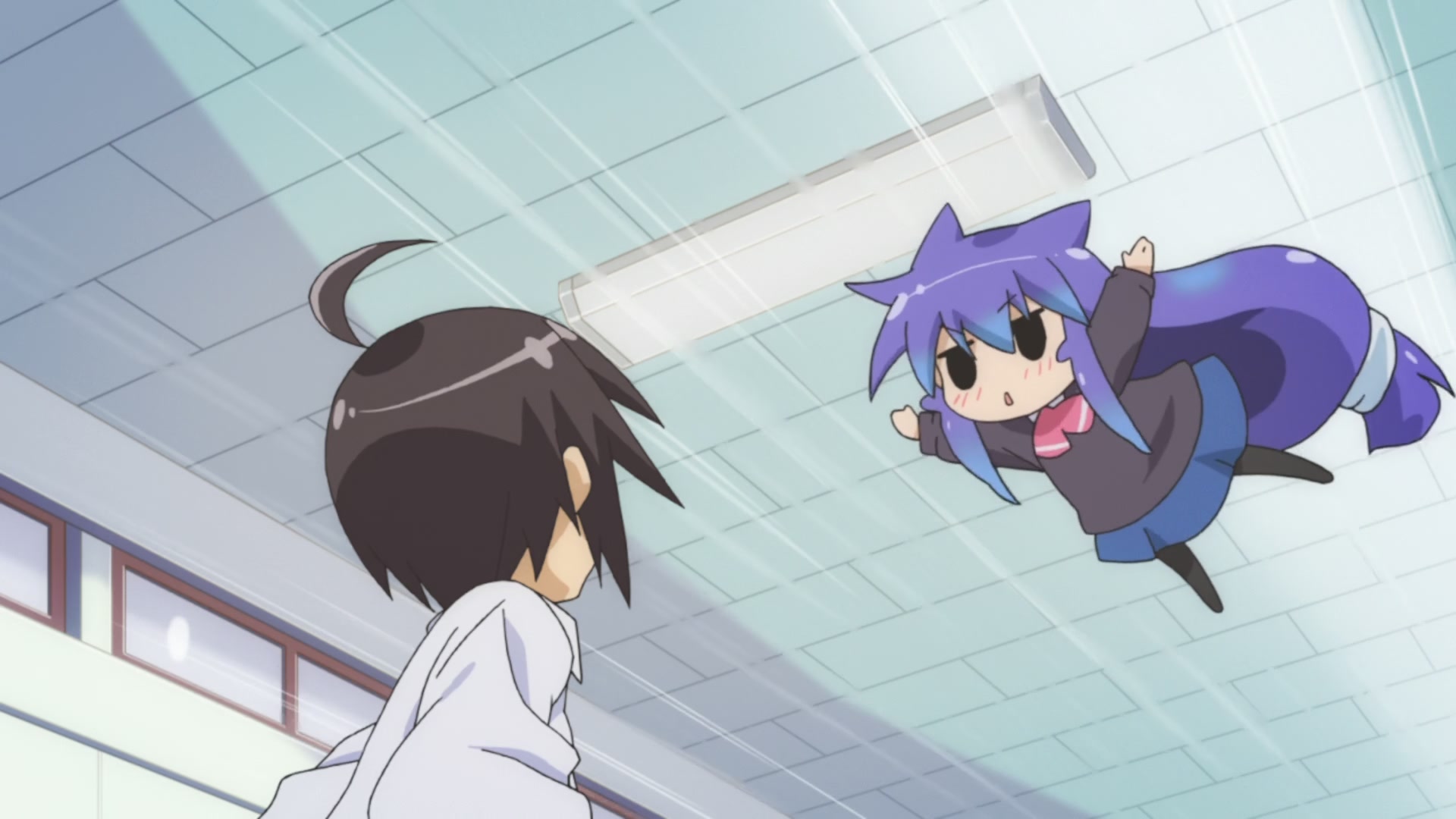
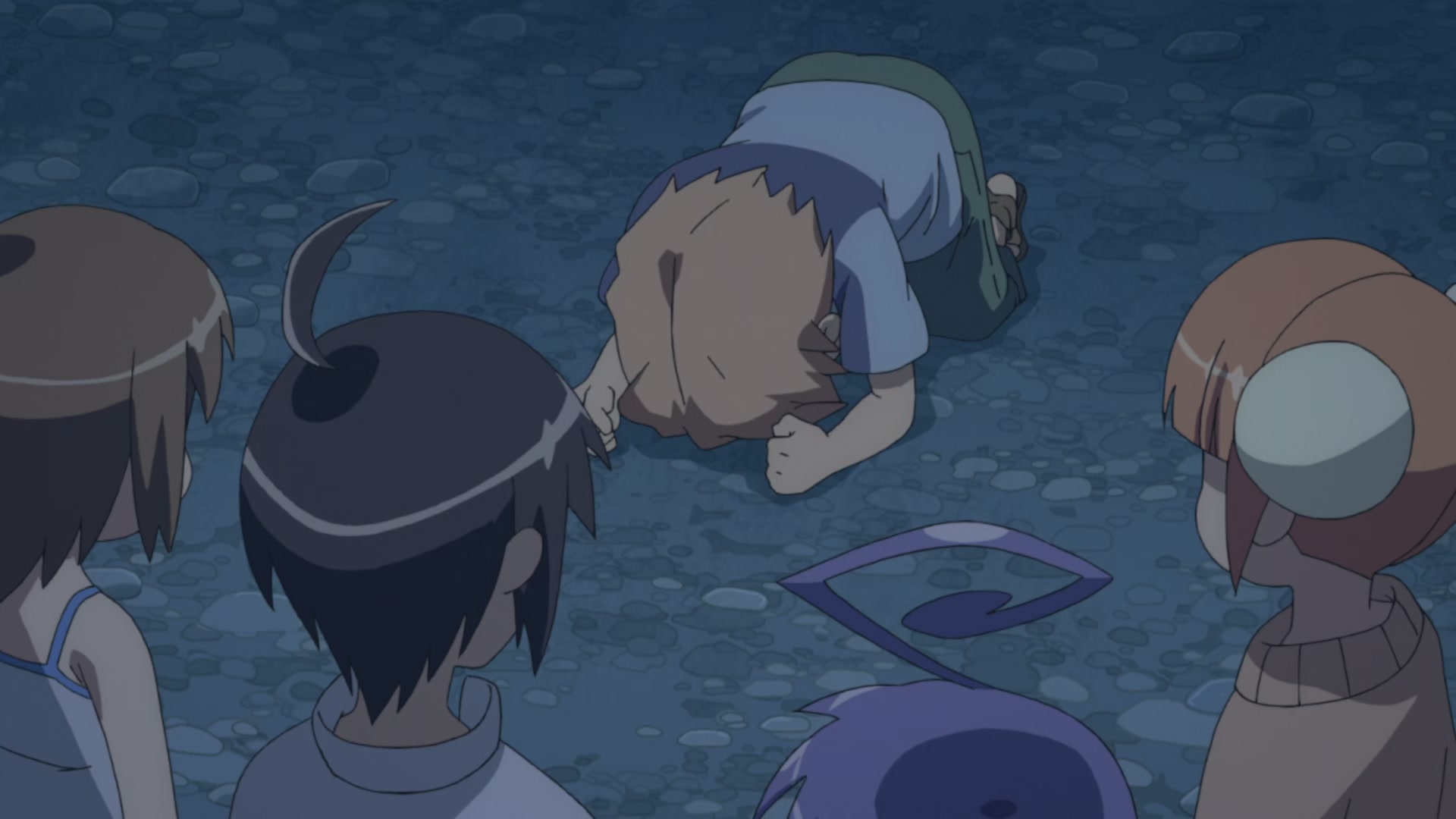
Physical comedy as emotional catharsis is another key motif. Tsumiki’s reflex punches—often sending Io flying—are not random violence but the body’s betrayal of her overflowing emotion. Mayoi’s “Mayoi Flag” that consistently impales Sakaki’s head is a running gag, but it also externalises the chaos of her overactive mind. Even Io’s deadpan chops to Sakaki’s head read as the affectionate reprimand of a brother. In Acchi Kocchi, when words fail, the body speaks, and the series’ cartoonish elasticity allows those blows to be absorbed without lasting injury—a comedic convention that, for the long‑time fan, recalls the golden age of 1990s romantic farces.
Adaptation Considerations
As a viewer who has not read the original 4‑koma, I cannot comment on what material may have been skipped, compressed, or rearranged. The anime presents a cohesive, self‑contained experience that feels fully shaped. The rhythm of the jokes—rapid set‑up and punchline, frequent cutaway gags, abstract visual asides—betrays its comic‑strip origins, but the emotional continuity between episodes, especially around the holiday markers, suggests a careful adaptation hand. Should source readers mourn the loss of certain side chapters, the anime at least gains a tight focus on the core five friends and the central romance, which never feels abandoned in favour of gimmicks.

Characters
Acchi Kocchi lives and breathes on the strength of its ensemble. Each character is a vivid, instantly recognisable archetype, yet the writing infuses those shells with enough specificity and heart that they transcend mere function.
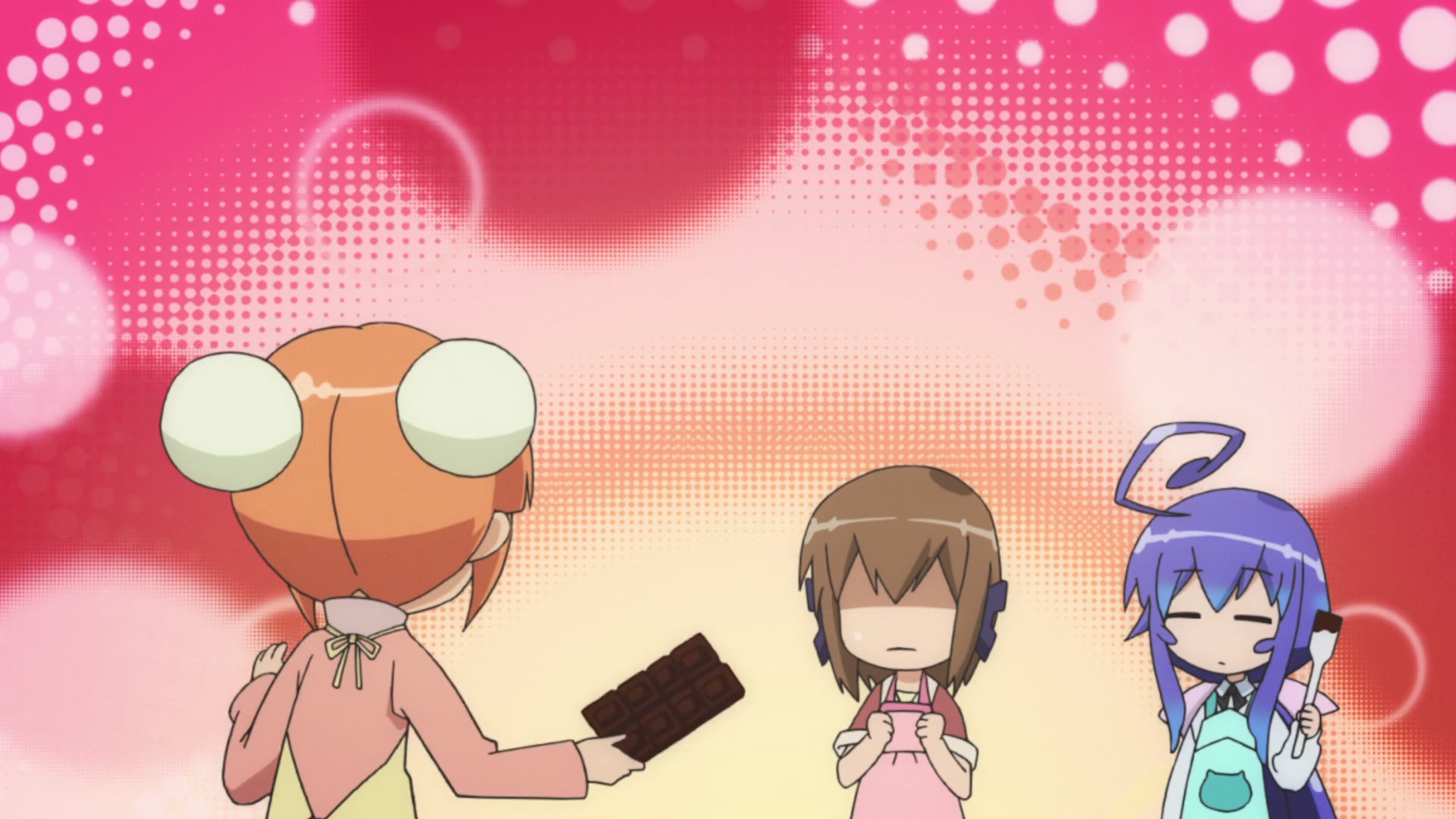
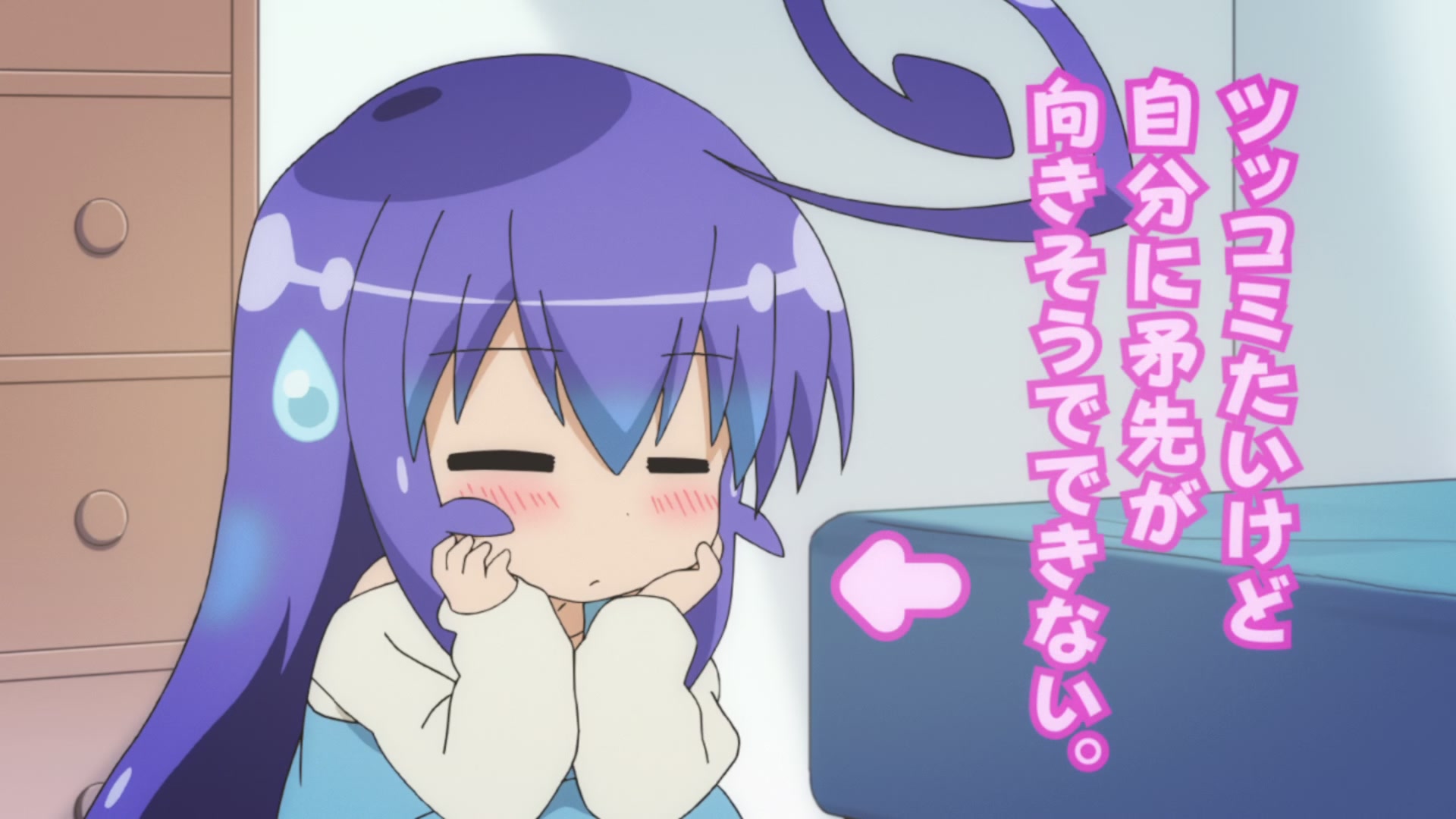
Miniwa Tsumiki is the quintessential tsundere, but her version of the archetype is unusually fragile. Small, constantly cold, and often compared to a cat—she meows, curls into warm spaces, and her hair sometimes seems to form feline ears—Tsumiki is a bundle of nervous energy around Io. Her attempts at sincerity self‑destruct spectacularly: in Episode 2, she gathers the courage to hand him Valentine’s chocolate only to accidentally floor him with a body blow; in Episode 6, she tries to compliment him and ends up babbling about “mattels.” Yet underneath the bluster is a genuinely kind, perceptive girl who cooks with Io’s preferences in mind and supports her friends without hesitation. Her arc is measured in tiny victories: accepting a plushie without denying she wanted it, letting Io sleep with his head on her lap, and finally, in the final episode, managing a whispered “Thanks for… the kitty” instead of a tsundere deflection. Tsumiki’s emotional transparency, despite her best efforts, makes her the beating heart of the series.
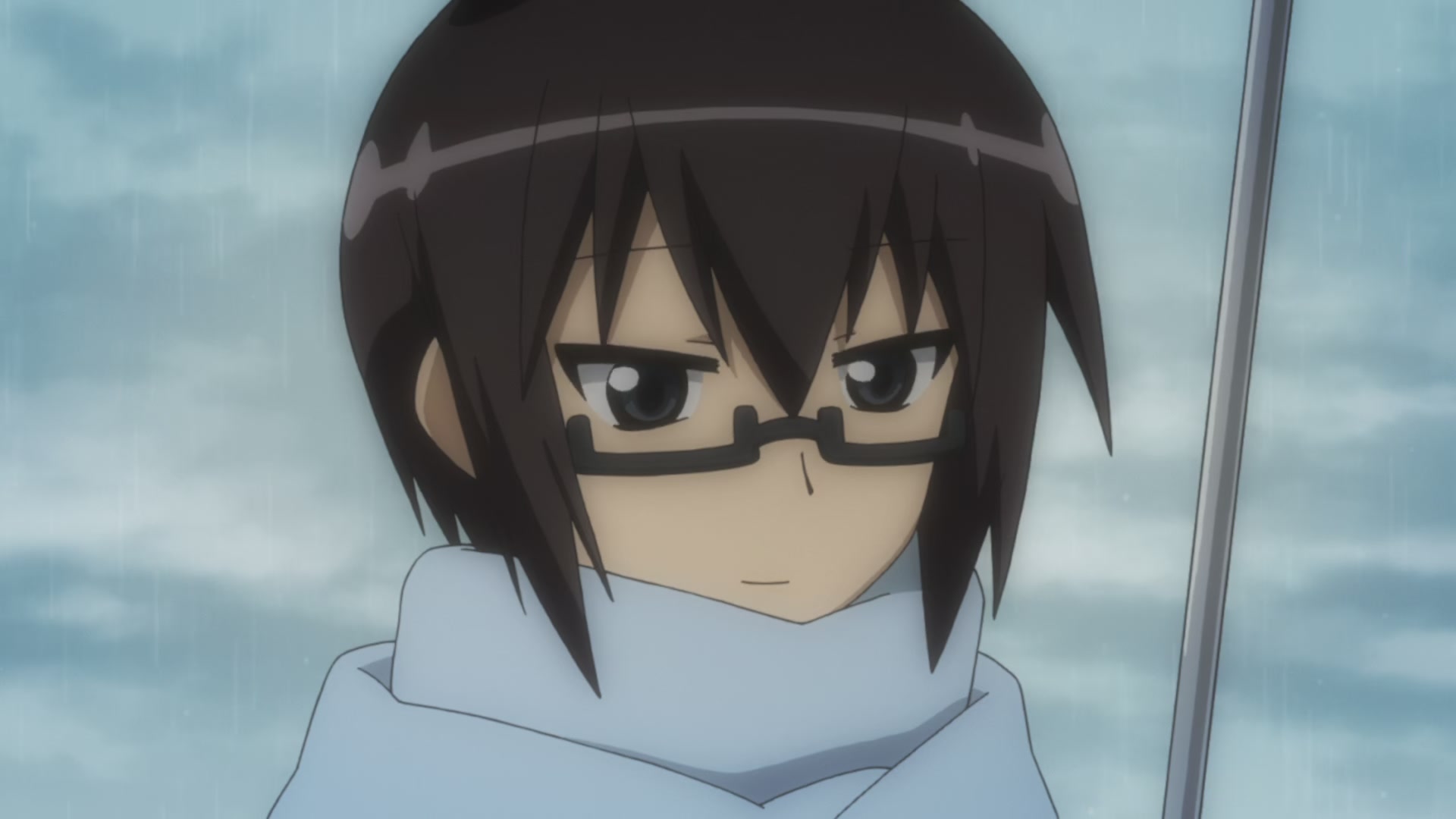
Otonashi Io is the stoic, bespectacled male lead who functions as the group’s emotional anchor. His kuudere demeanor—rare smiles, a monotone voice, a face that betrays little—hides an exceptionally nurturing nature. He cooks, sews, knits, and is a formidable gamer; his domestic skills are presented not as a joke but as a genuine part of his appeal. His tragic flaw is his romantic density: he interprets Tsumiki’s nosebleeds as illness, her blushes as cold, and remains ignorant of her feelings even when Mayoi spells them out. Yet paradoxically, Io is the one who delivers the series’ most devastatingly romantic lines, often without realising their impact. When he tells the group, “The briefest glimpse of your smiles is far more dazzling than any fireworks display,” it lands like a bomb because it emerges from his established character without a flicker of insincerity. Io’s isolation—parents away, living alone—is handled with subtlety, and his gradual, unconscious singling out of Tsumiki (the train jump, the cat costume, the personalised candy) forms the narrative’s romantic backbone.
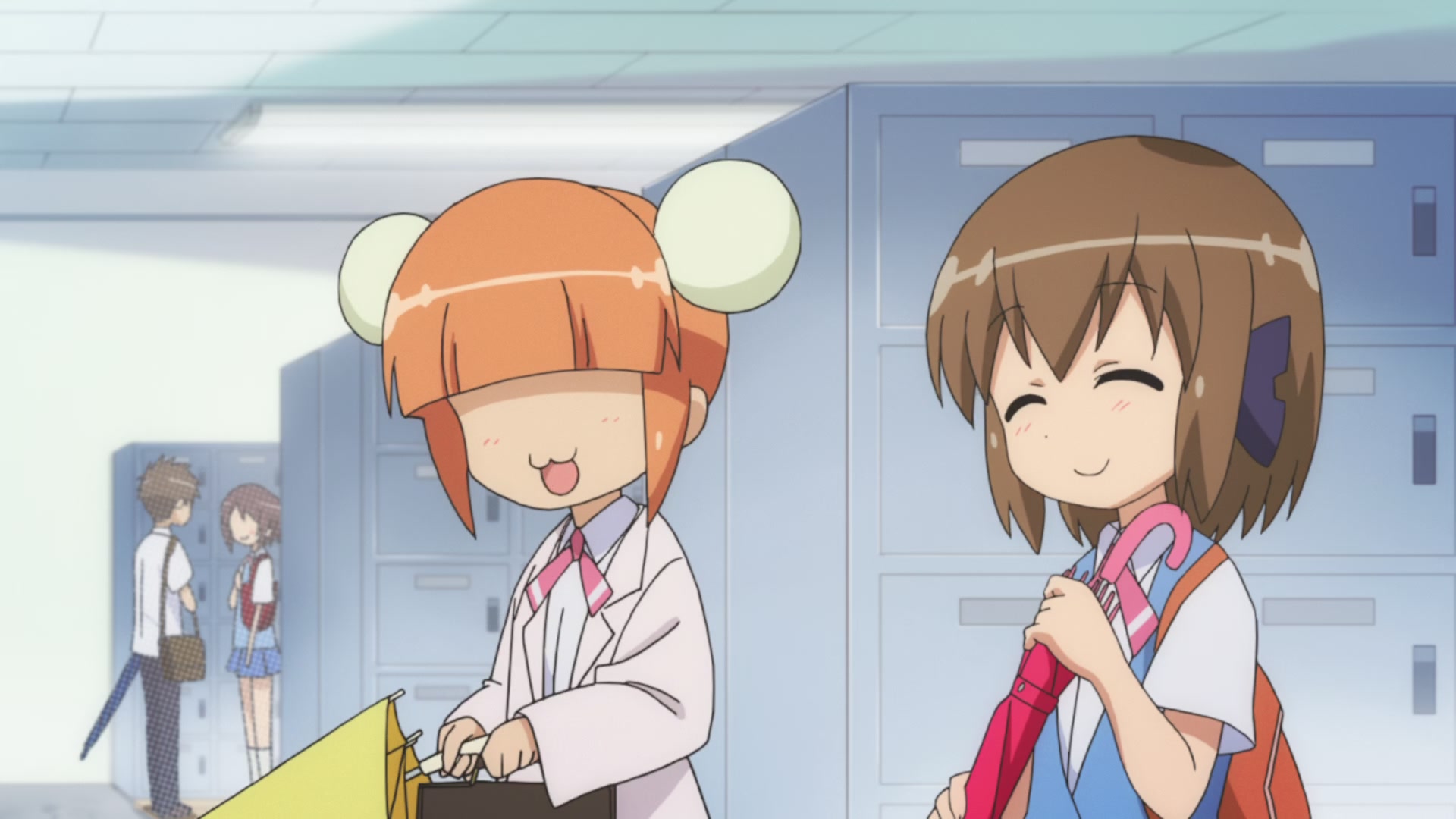
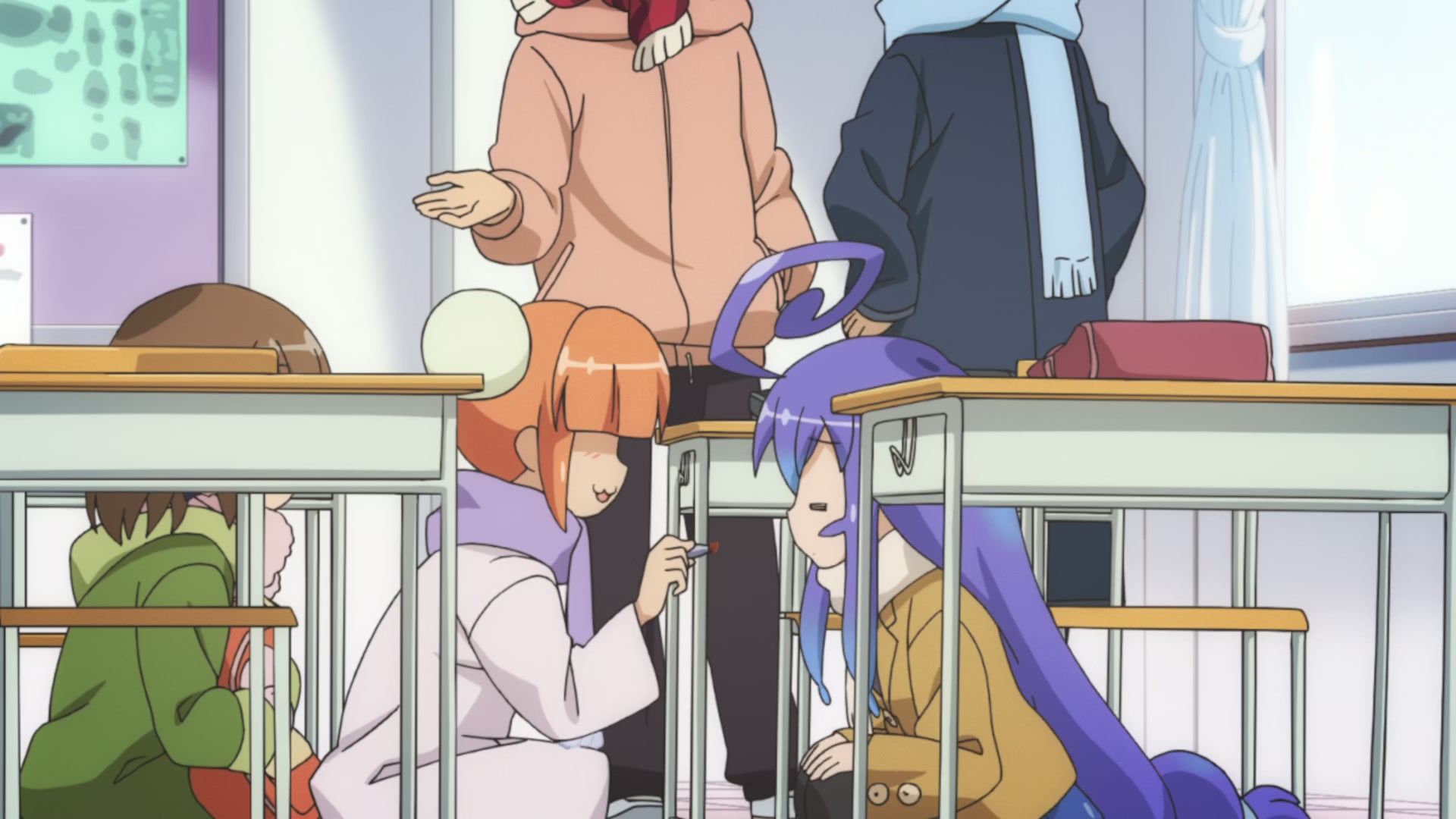
Katase Mayoi is the mad‑scientist cupid, a genki inventor who rarely removes her lab coat and whose gadgets—solar‑powered crêpe stalls, automatic snowball bazookas, passive radar arrays—add a layer of delightful absurdity. Her purpose is to stir the romantic pot, and she does so with relentless theatricality, often teaming with Sakaki to corner Tsumiki into blushing confessions or to tease Io into accidentally smooth lines. Yet Mayoi is no mere mischief‑maker. When she realises her cherished Christmas party conflicts with Io and Hime’s work, her immediate disappointment is quickly set aside; she offers to work alongside them, and even tells Tsumiki she can skip the party for a private Christmas with Io. This selflessness—offering up her own plan for a friend’s happiness—reveals the deep care beneath the chaos.
Inui Sakaki is Io’s best friend and Mayoi’s comedic partner‑in‑crime. His running obsession with “bare necks” is a goofy signature, but it also symbolises his willingness to be the fool to keep the mood light. Sakaki is the series’ resident jester, suffering slapstick injury after injury (impaled flags, misdirected rockets, frisbee decapitations) and bouncing back with a wisecrack. Beneath the clownery, however, lies a profound loyalty. He is the one who quietly informs Tsumiki of Io’s home situation, and he and Miiko have already offered Io a place to stay. His partnership with Mayoi is electric, a platonic double‑act that often functions as the audience’s surrogate, voicing exactly what everyone is thinking about the central couple.
Haruno Hime is the innocent heart, a dandere who faints at strong stimuli, apologises constantly for her perceived uselessness, and provides unwavering moral support to Tsumiki. Hime’s emotional transparency serves as a barometer for the series’ tone: when she is happy, the sun shines brighter; when she is scared (by a bear‑costumed Mayoi), the slapstick peaks. Her pure, uncomplicated admiration for Io occasionally triggers Tsumiki’s jealousy, but the tension is always played for gentle comedy rather than outright conflict. Hime’s growth lies in her increasing willingness to speak up—she directly tells Io he should be more considerate of Tsumiki’s feelings, a small but significant step for someone so timid.
Inui Miiko, Sakaki’s older sister and owner of Hatch Potch cake shop, is the serene matriarch. Her smile is described as “too bright,” and she moves through the series with an almost supernatural calm, offering cake, part‑time work, and a subtle, knowing eye. Miiko never pushes, but she knows exactly where to place people: putting Io in a Santa suit, pairing Tsumiki and Io at the Christmas stall, providing the kitchen for White Day baking. She is the gardener who waters the soil and trusts the plant to grow.
The supporting cast—the perpetually single, accident‑prone Kikue‑sensei; the enthusiastic hugger Miyama Kana; the sharp‑tongued Sakimori Saki and her tsundere counterpart Saibara Kyouya—fill out the world with parallel romantic comedy beats. Kikue‑sensei, in particular, serves as a poignant cautionary mirror: what if Tsumiki never acts, and ends up visiting hot springs alone? The subplot with Kyouya and Saki, where both parties are tsundere, acts as a comedic echo of the main couple while remaining distinct enough to avoid repetition.
Visuals and Animation
The visual identity of Acchi Kocchi is a testament to how a well‑directed slice‑of‑life comedy can turn limited animation into a stylistic strength rather than a liability. The series operates on two visual planes: a clean, conventional TV anime look for its standard scenes, and a flat, graphic‑heavy mode that prioritises comedic timing and emotional shorthand over realism.
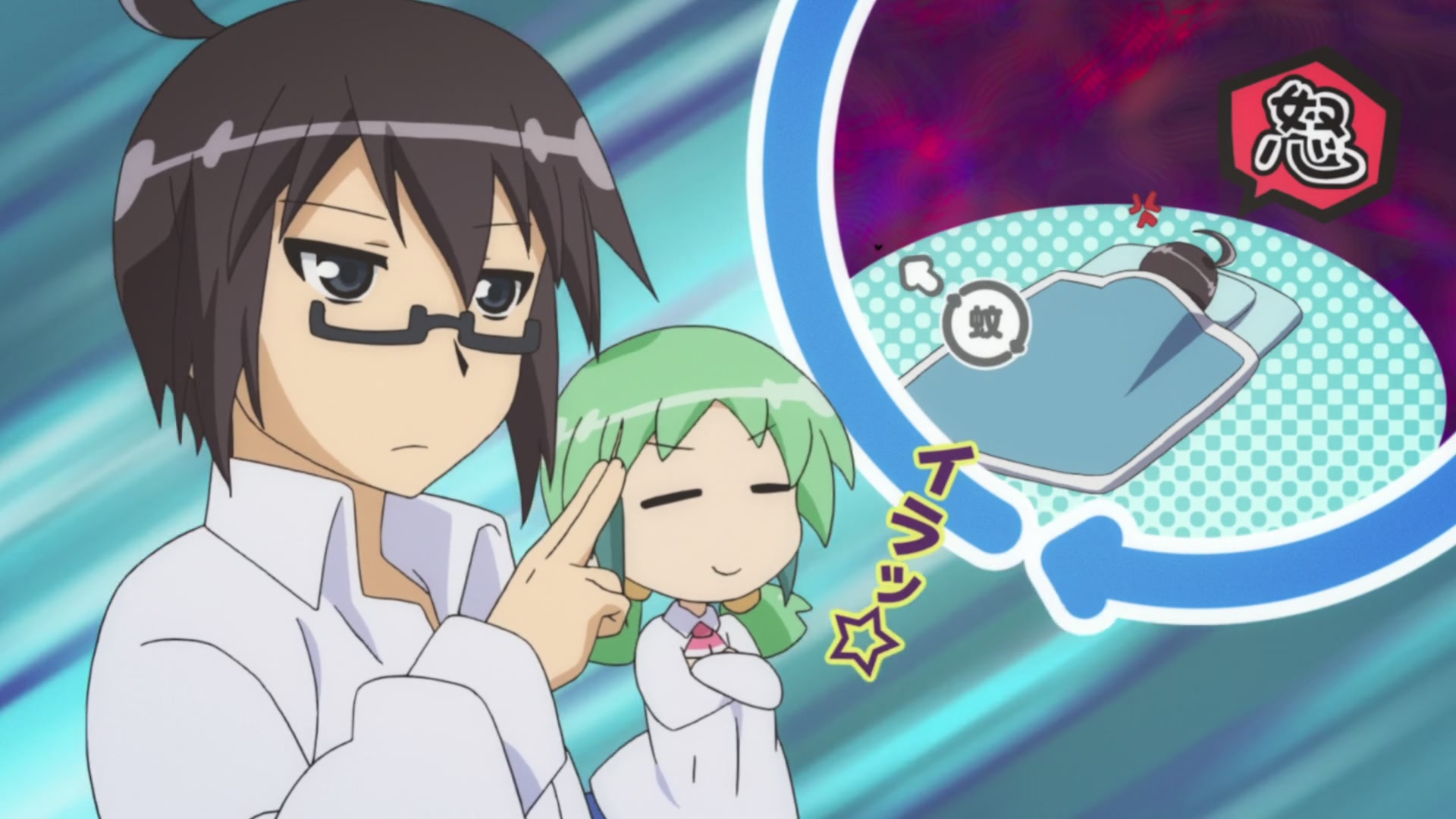
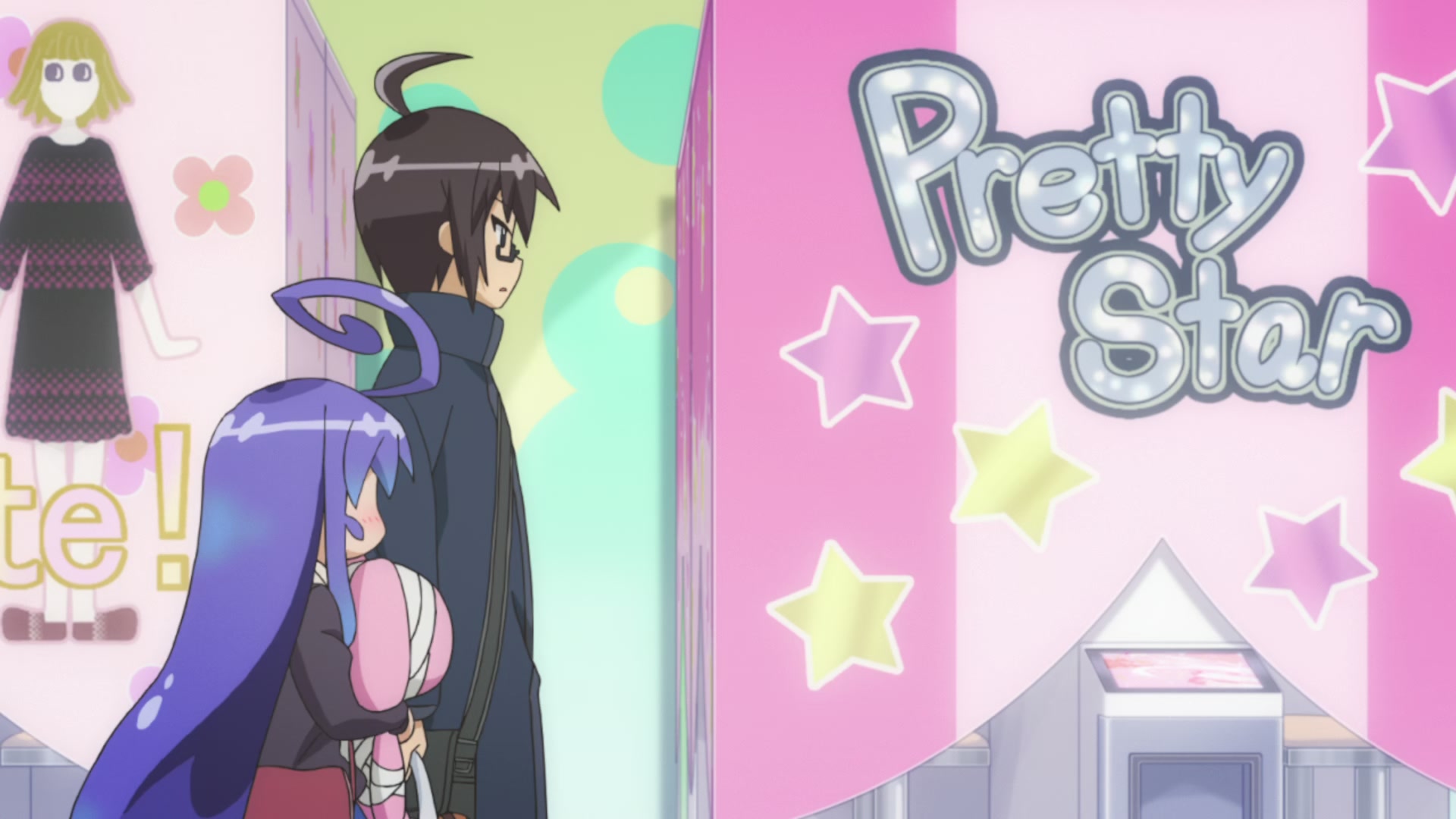
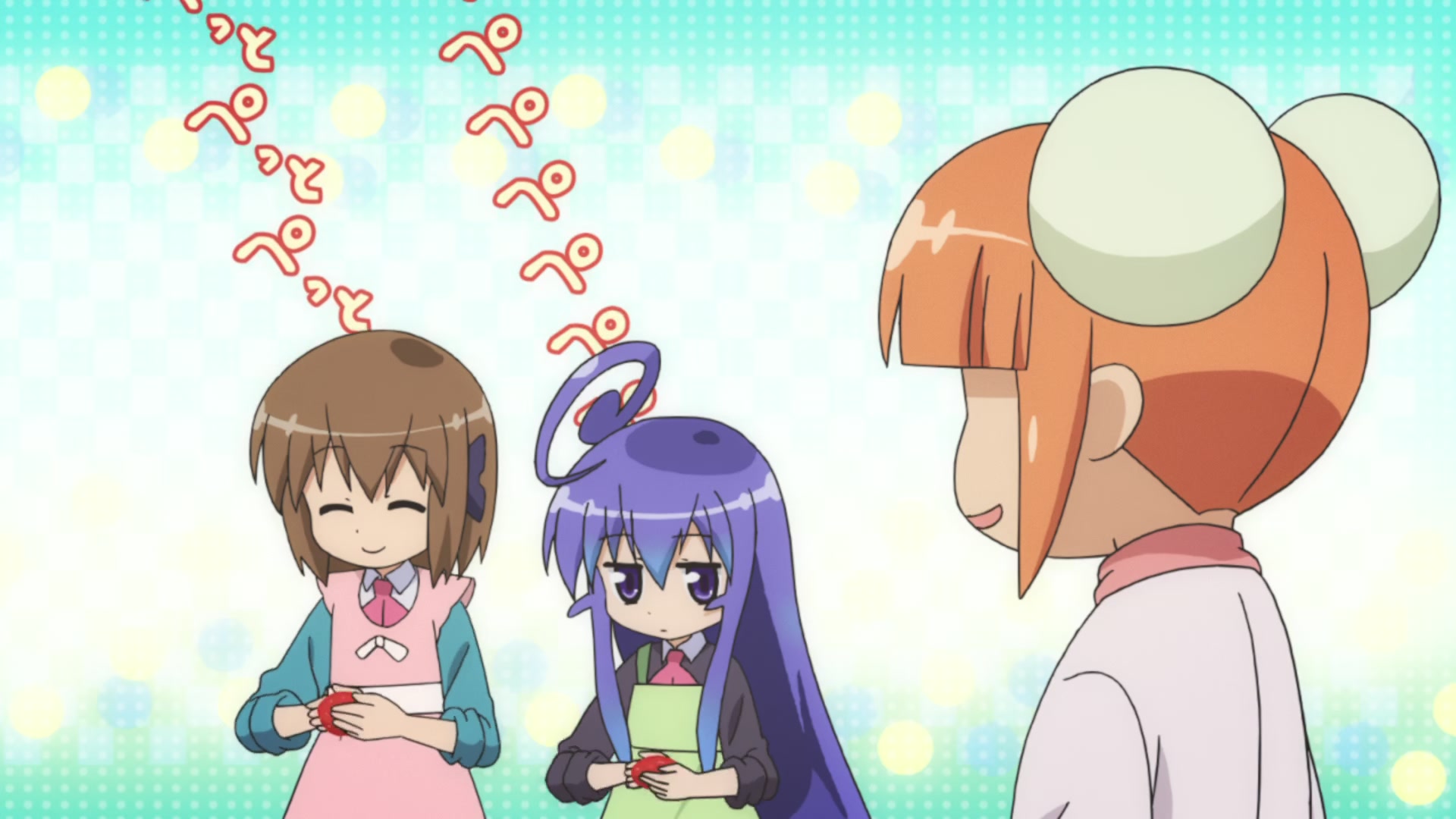
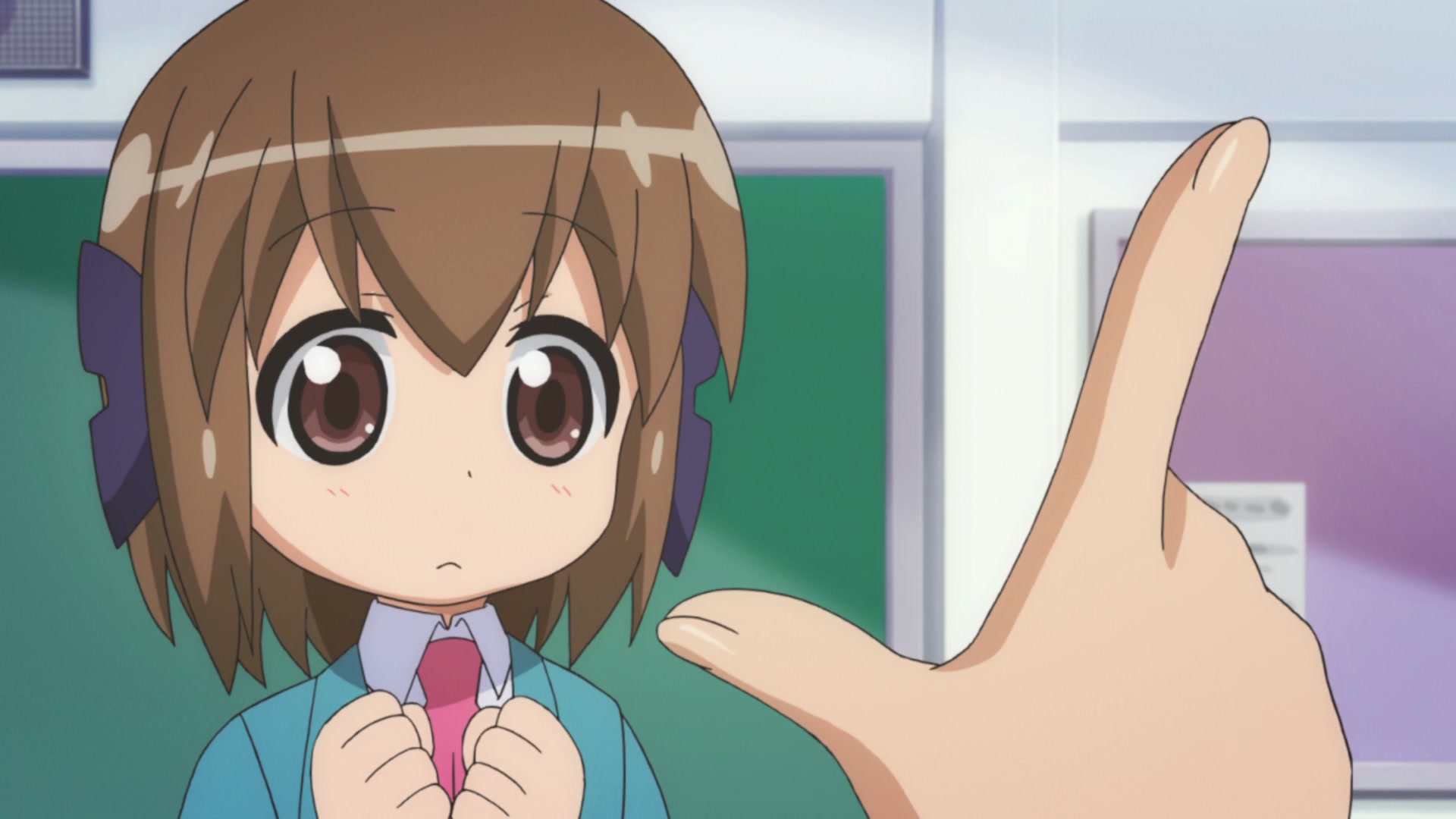
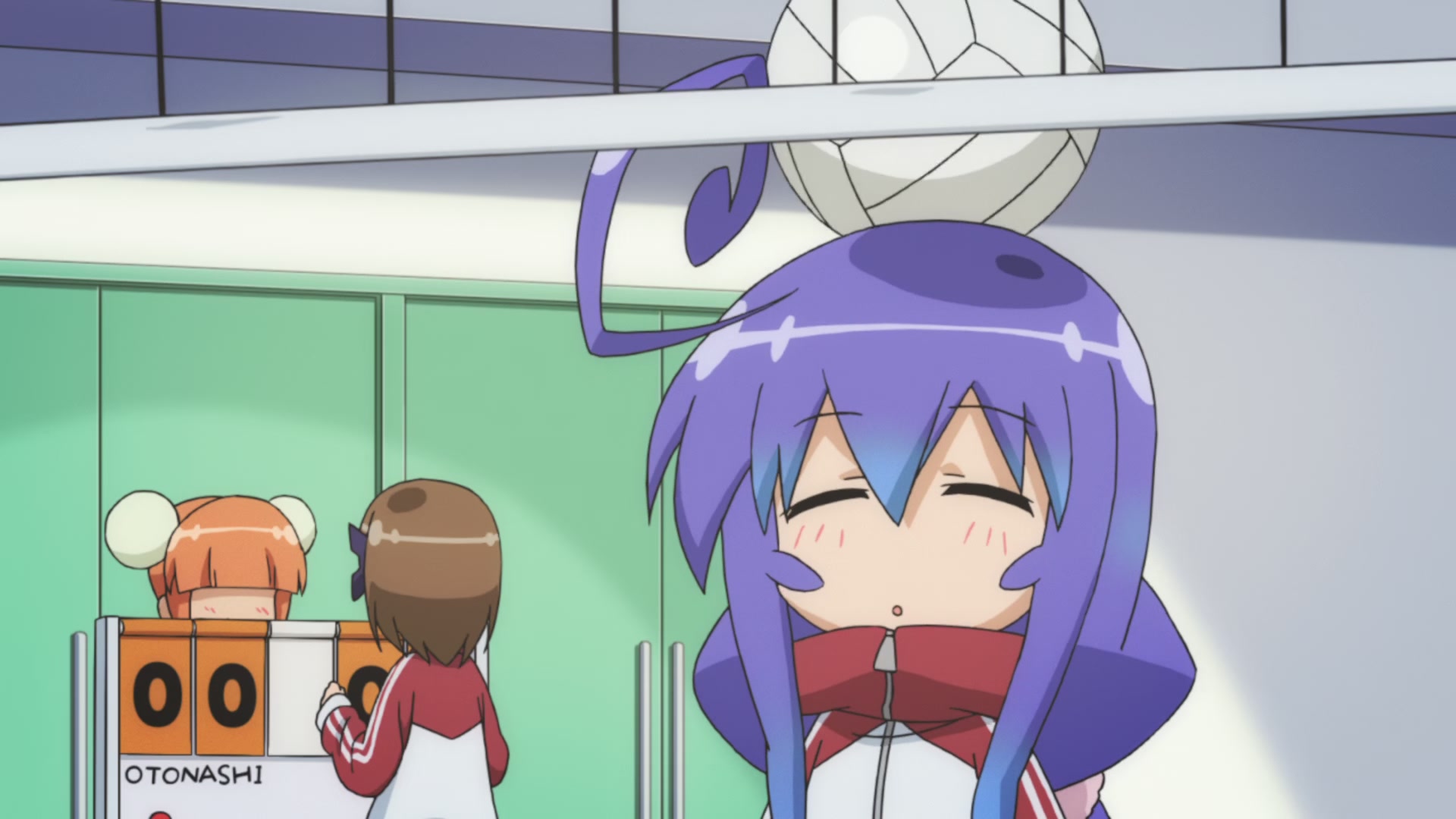
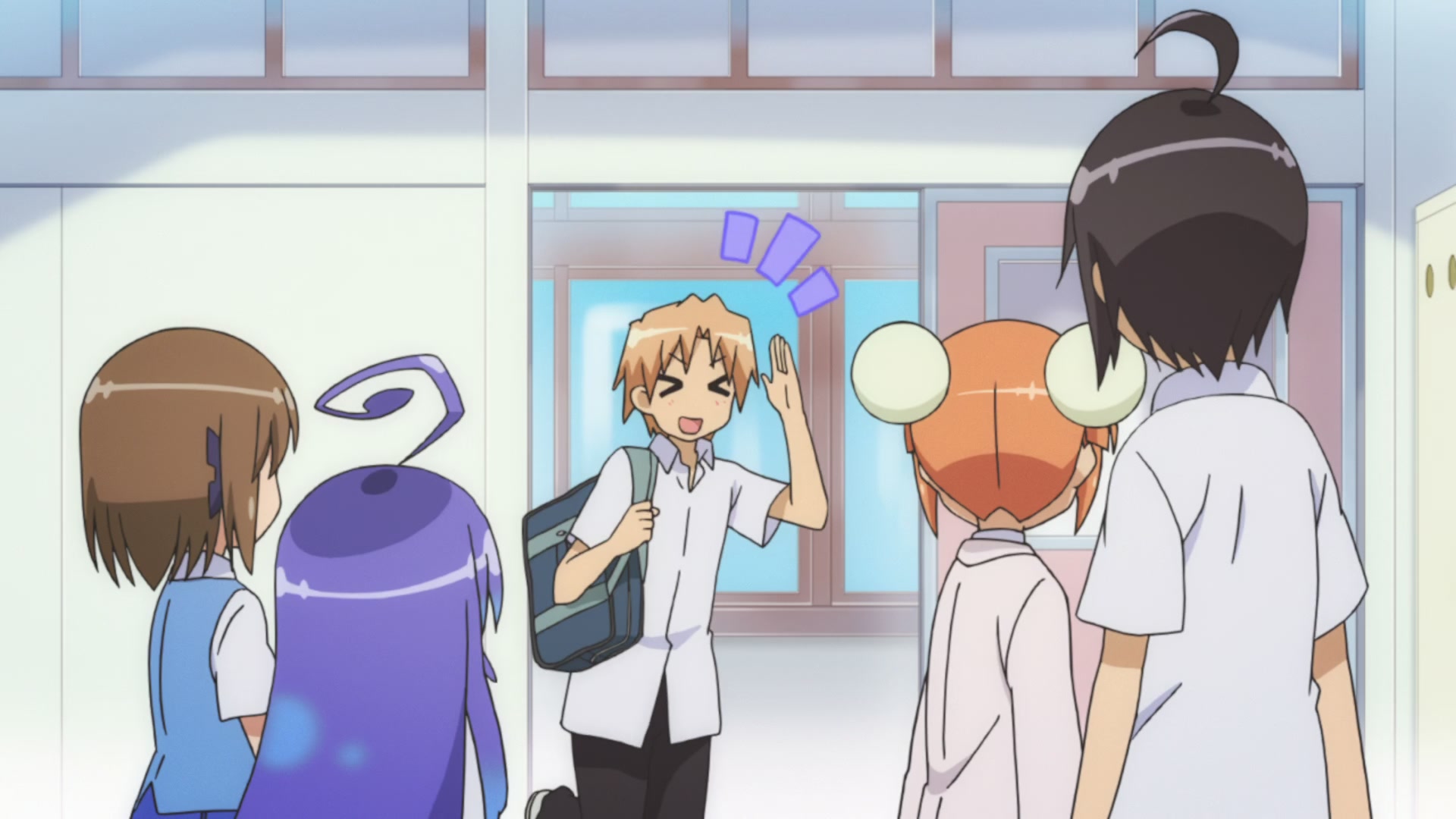
Character designs are immediately readable. Each cast member possesses a distinct silhouette: Io’s square glasses and unruly black hair; Tsumiki’s diminutive frame and twin brown pigtails; Mayoi’s perpetually present lab coat and massive side buns; Hime’s soft pink twin tails and wide, innocent eyes; Sakaki’s relaxed smirk and spiky blonde hair. A unifying motif across the characters is the prominent ahoge (antenna-like cowlick), which animators use as an additional emotional signifier—perking up, drooping, or trembling in reaction to mood. Proportions are slightly stylised, with larger heads and simplified facial features that maximise emotive clarity, and the series frequently model‑swaps into Super Deformed or chibi forms during comedy beats, signalling a tonal pivot without jarring the viewer.
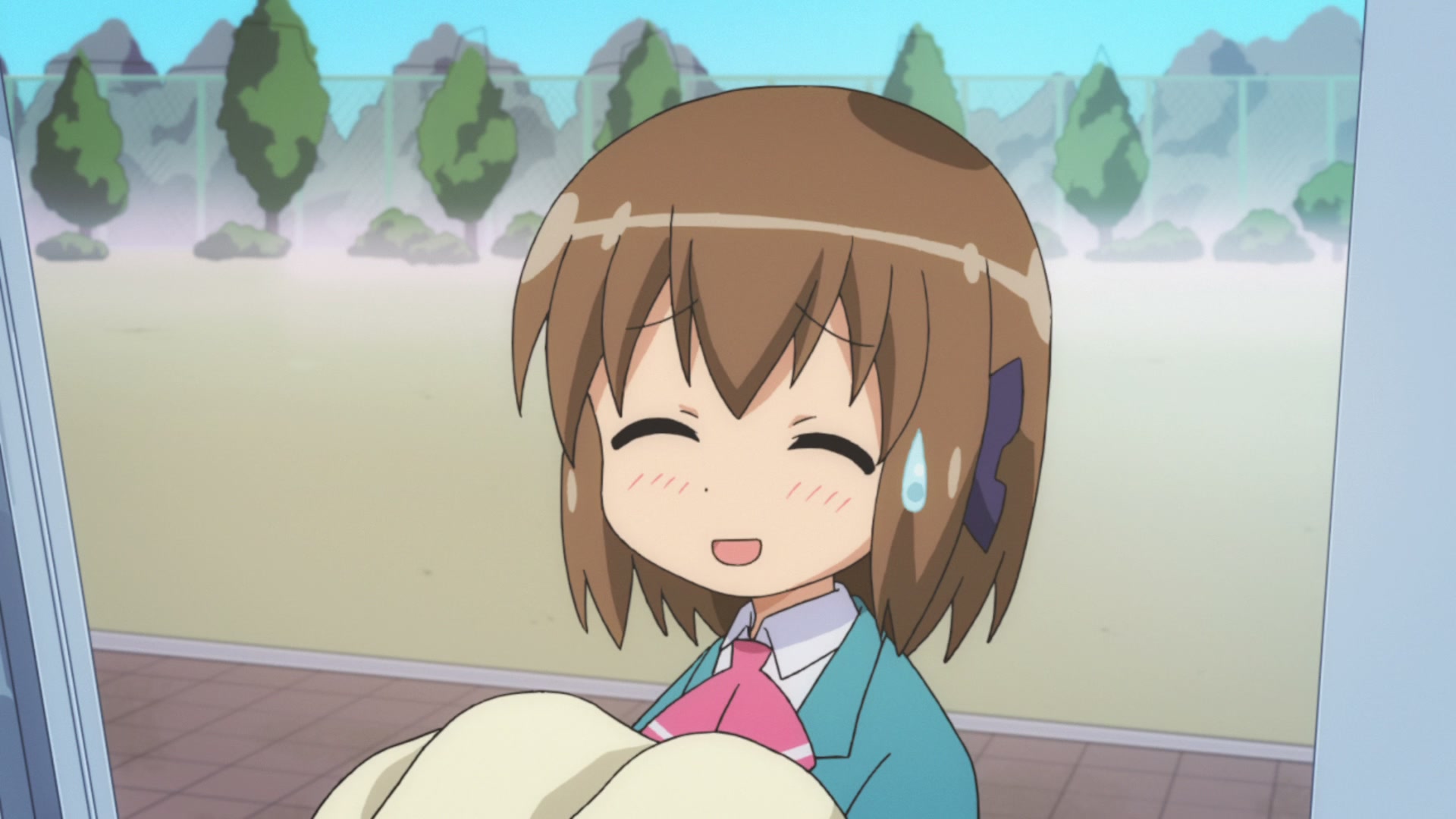
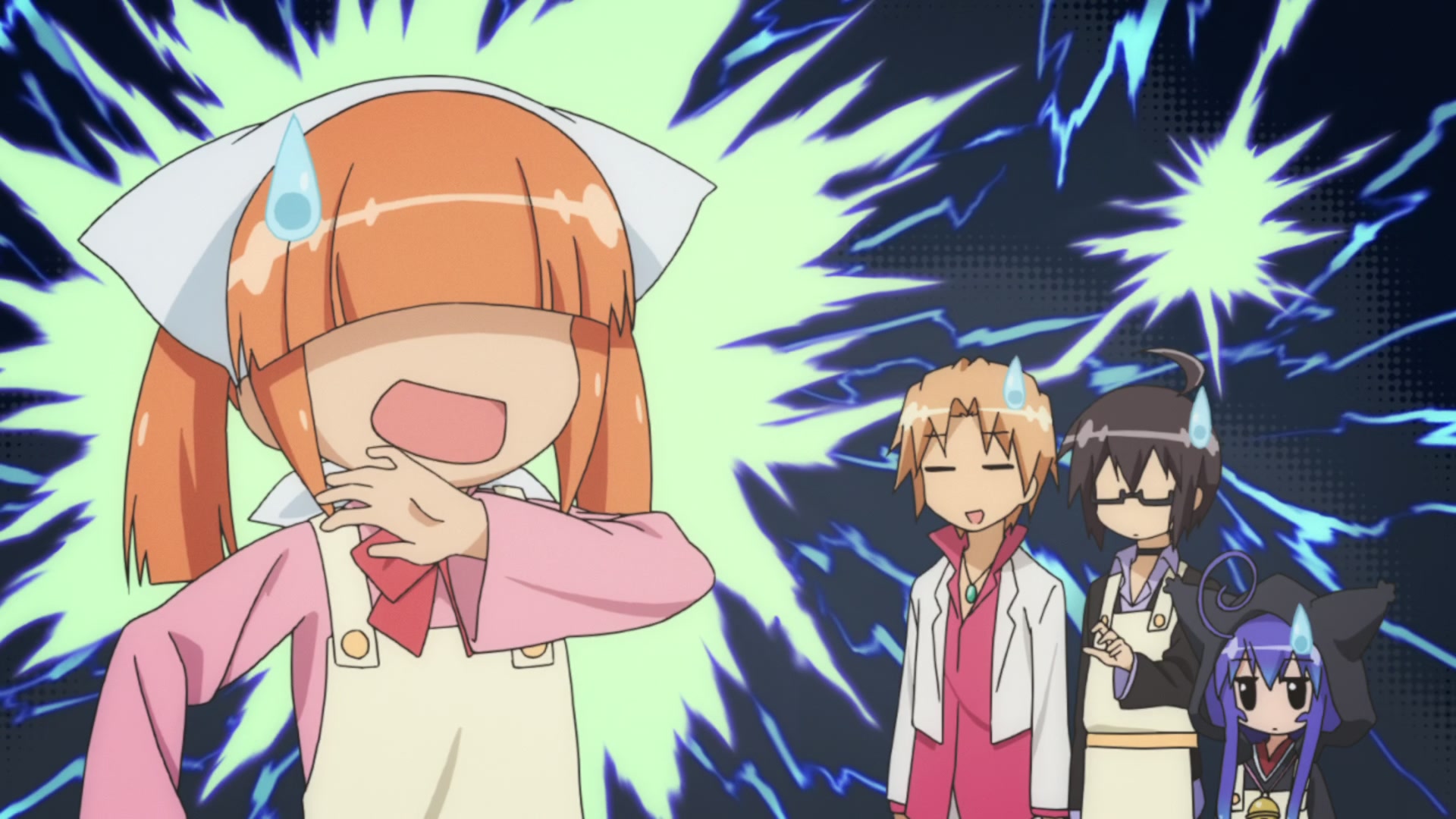
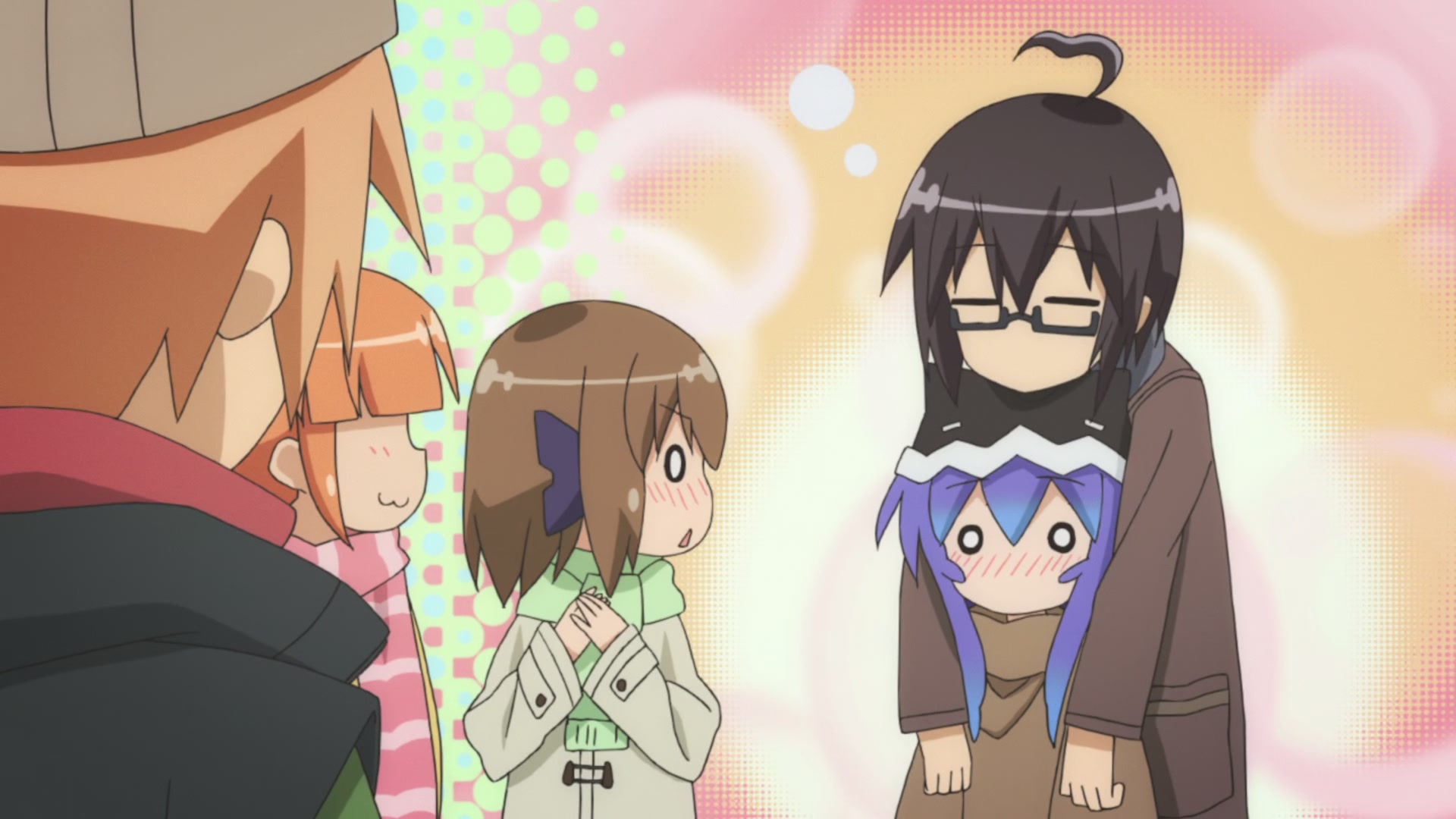
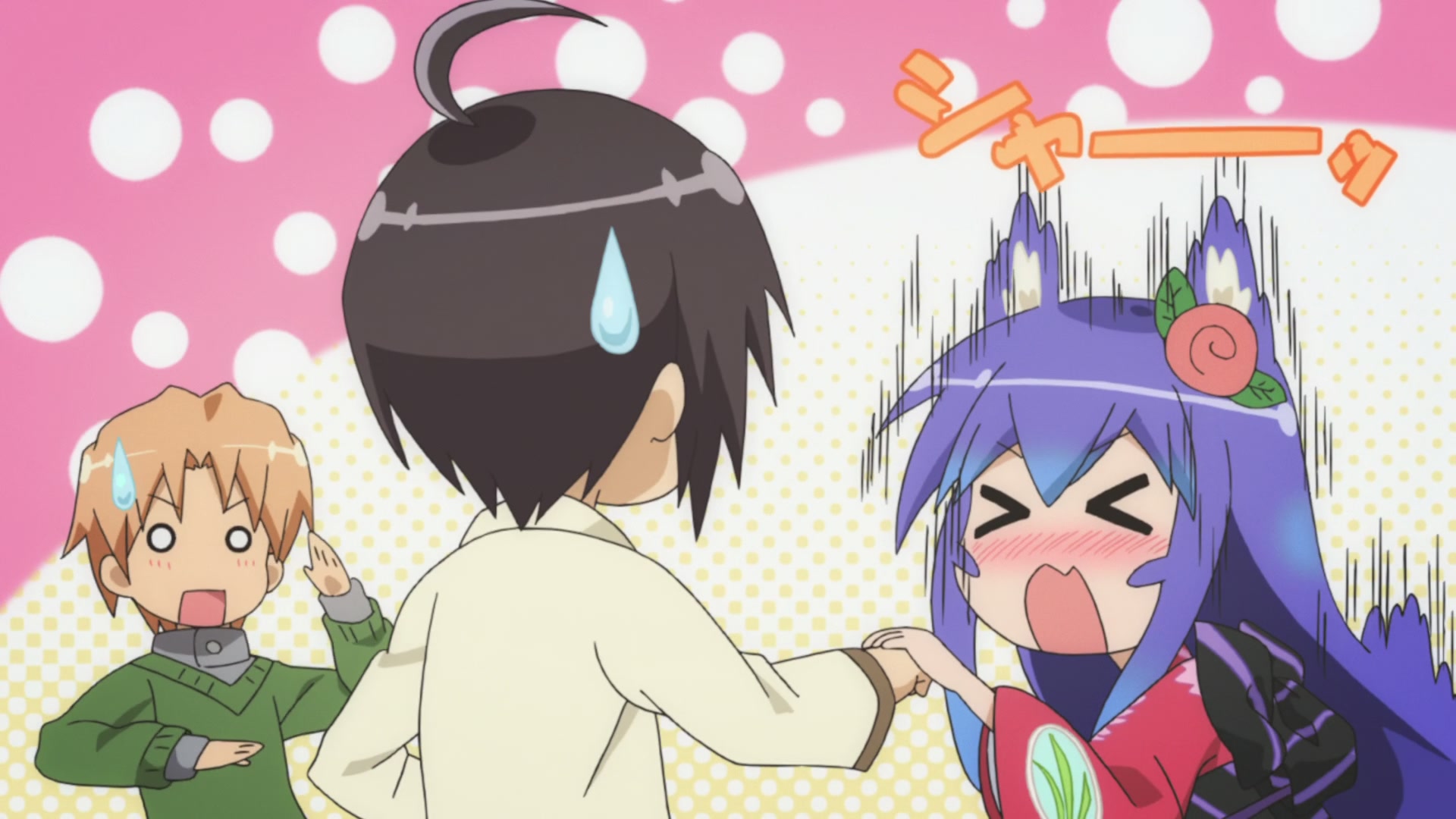
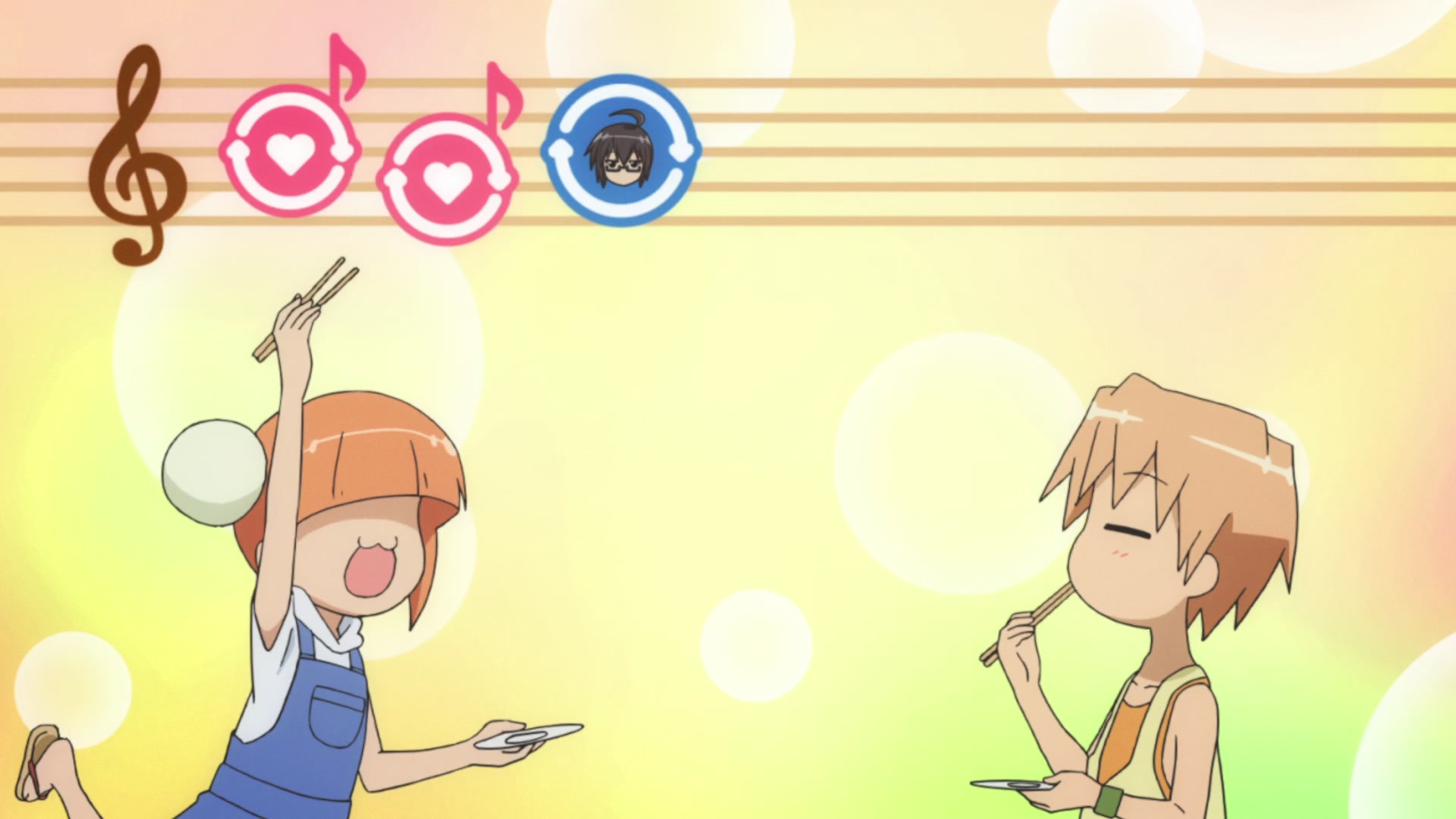
Facial expressions span a wide cartoonish spectrum. Standard scenes deploy classic anime shorthand: closed‑eye smiles, heavy blushing, dot mouths, sweat drops, and vertical stress lines. In more exaggerated moments, features are deliberately reduced or removed, leaving only schematic mouths or blank stares. Io’s face acts as a visual anchor—his stoic baseline makes his rare blushes or subtle smiles seismic events. Tsumiki’s palette, in contrast, is a riot of reds and pinks as she cycles through embarrassment, jealousy, and blissful daze, often culminating in the series’ signature nosebleed.
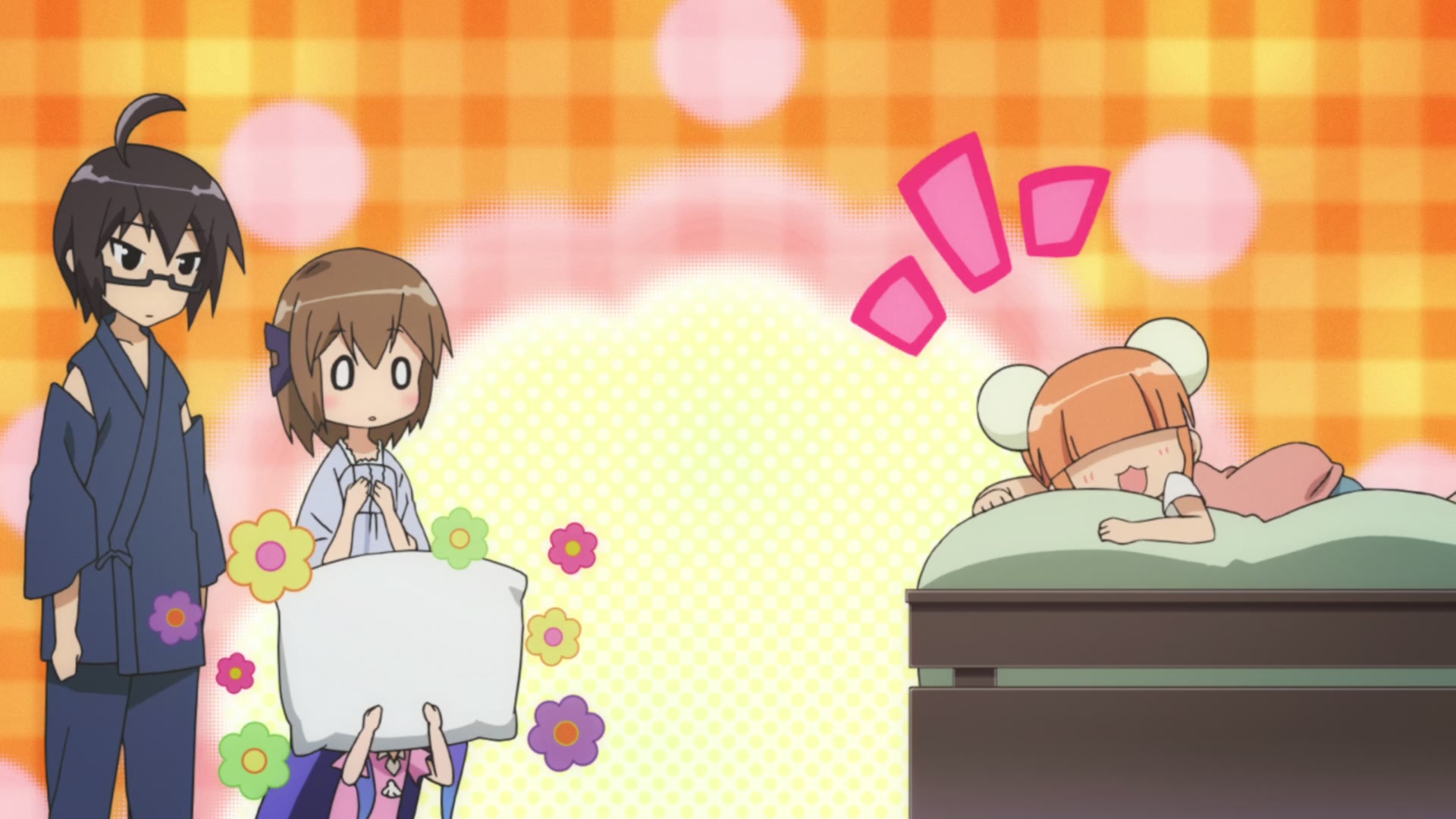
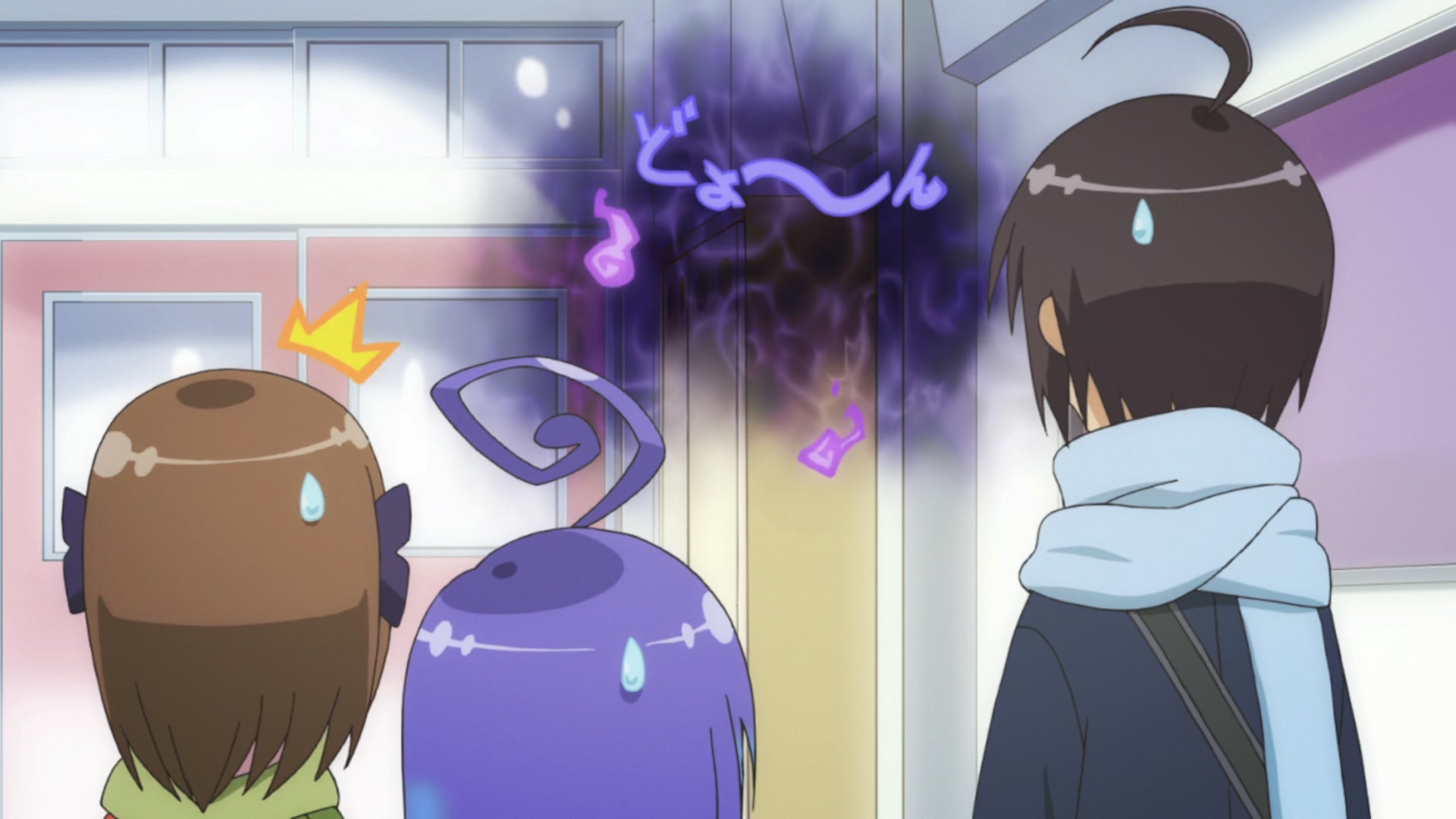
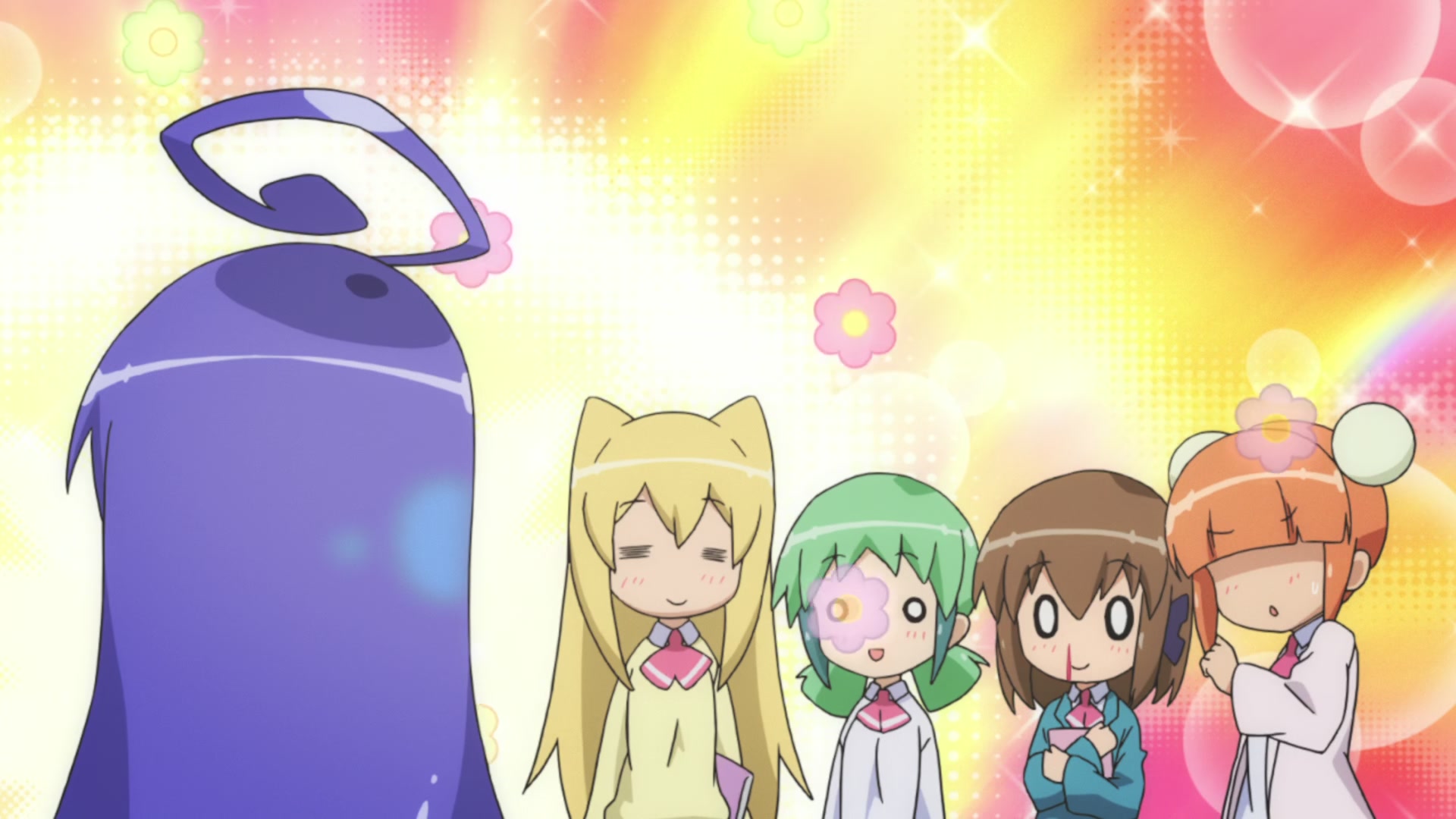
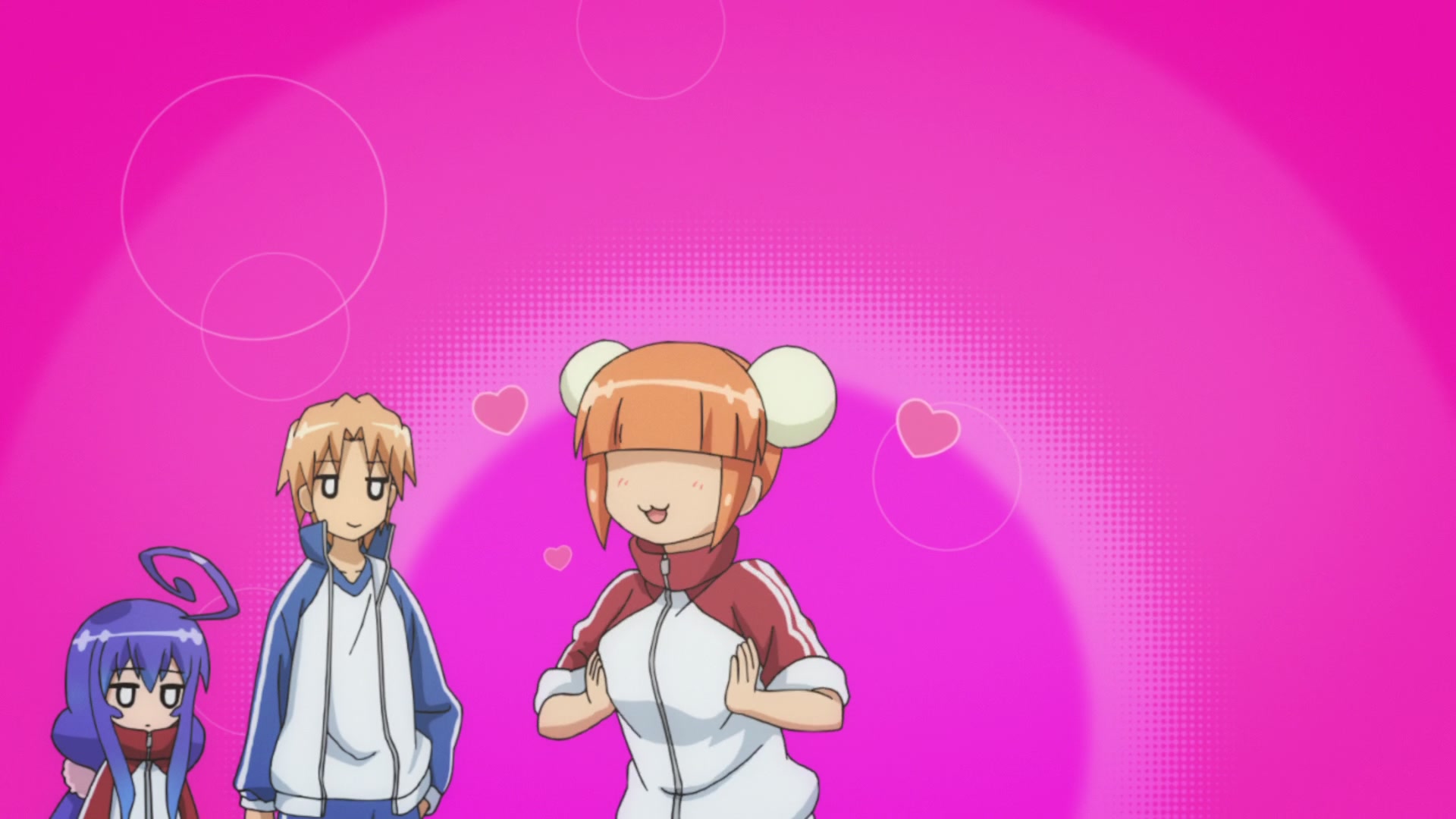
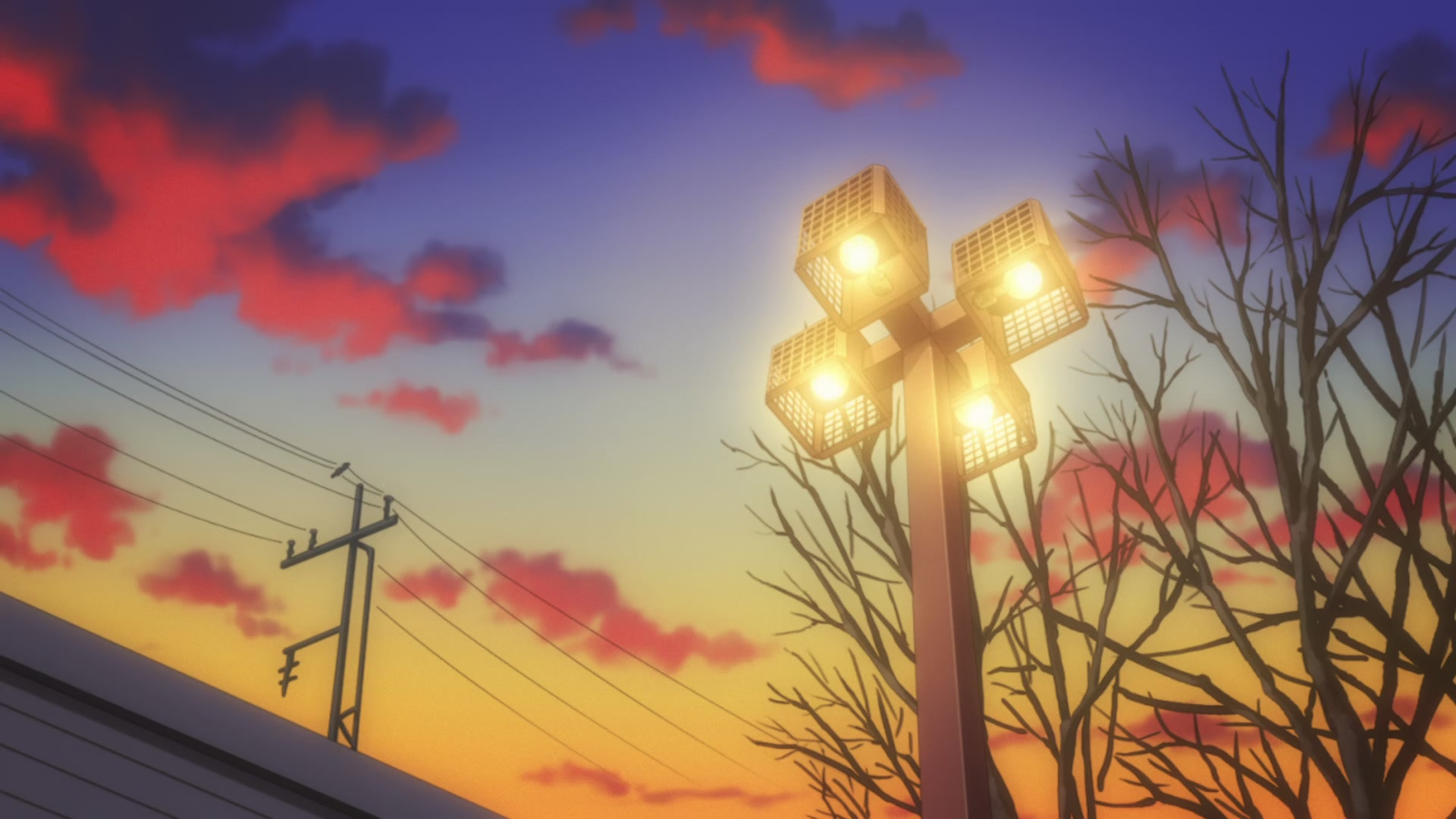
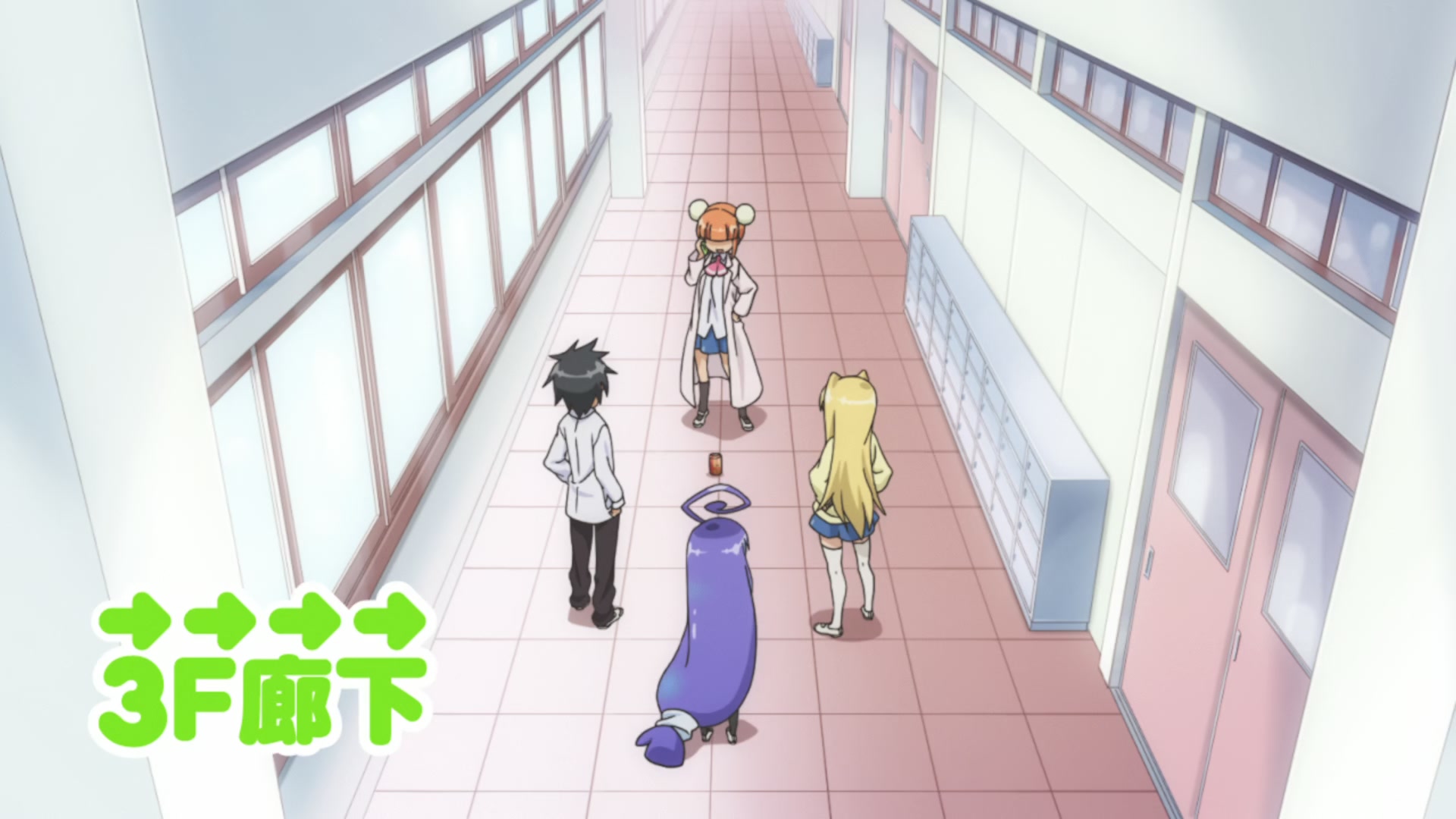
Backgrounds and environments are functional but adaptable. Interior locations like the classroom, school corridors, or the Hatch Potch cake shop are rendered with clean one‑point perspective and enough detail to establish space without distracting from characters. The cake shop, in particular, receives glossy treatment, its display cases and pastries drawn with appetising care. Exteriors—winter landscapes with soft blended whites, summer fields with washed‑out greens—show genuine painting skill. The series frequently abandons realistic settings entirely in favour of abstract, patterned backdrops: solid color washes, halftone dots, floating hearts, and musical staves. This technique, far from being a shortcut, functions as a deliberate stylistic language that isolates the emotion of a moment and echoes the flat plane of a 4‑koma page, enhancing comedic timing.
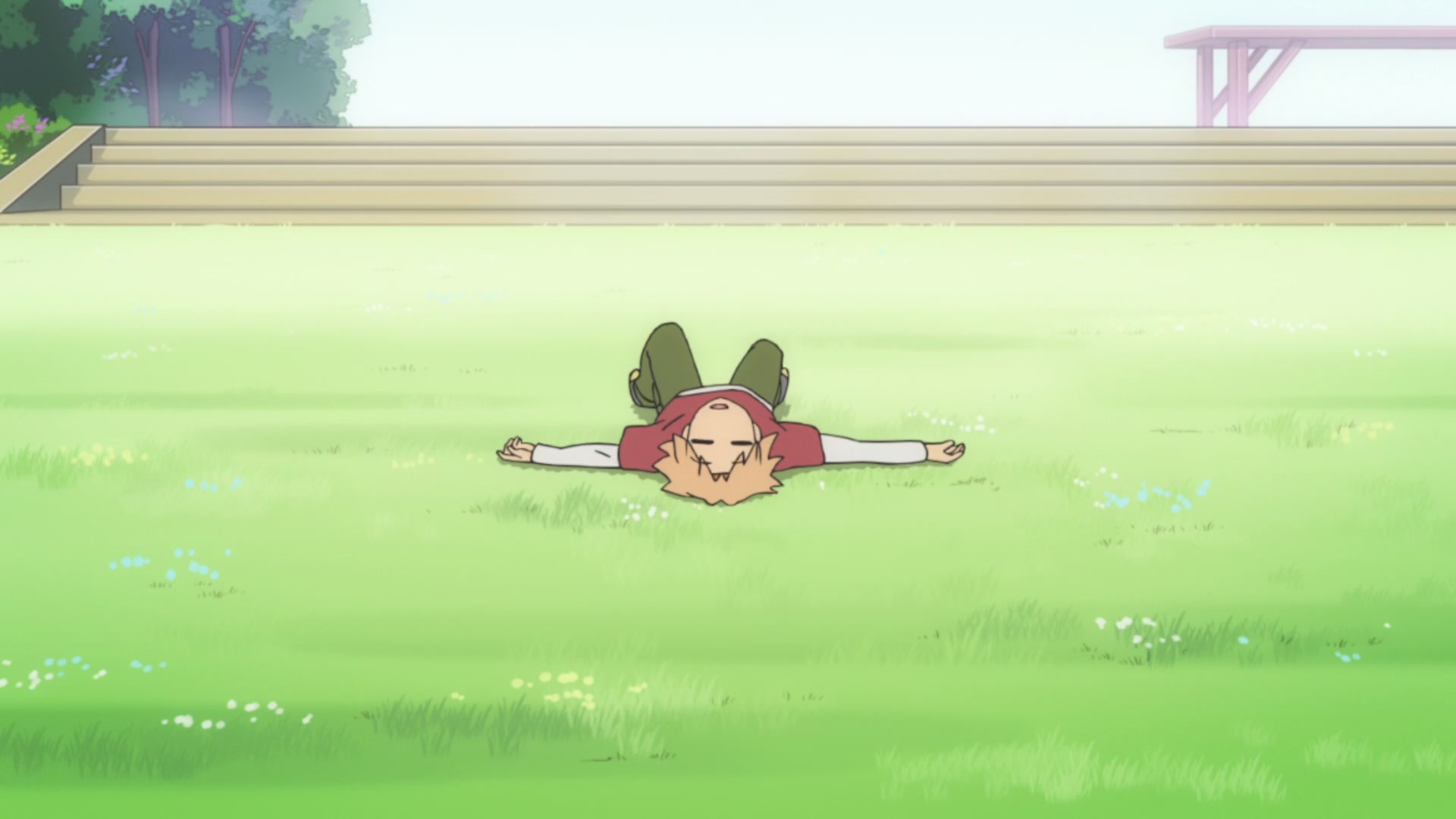
Animation quality is firmly in the “limited animation” camp typical of early‑2010s slice‑of‑life productions. Full‑body motion is rare; dialogue scenes rely on mouth flaps, eye blinks, and head tilts. However, the series distinguishes between intentional static—the abstracted gag sequences, the chibi interludes, the informational slides during the noon broadcast—and genuinely limp composition. Some mid‑episode classroom scenes, where characters stand still and the camera pans over a generic background, can feel budget‑constrained. The direction occasionally over‑relies on close‑up pans across static faces to simulate motion. Physical comedy is conveyed through still impact frames with speed lines and injury makeup rather than fluid fight animation; the humour relies on timing and sound rather than smooth motion. While not reaching the kinetic heights of a Nichijou, this approach suits the mangalike rhythm of a 4‑koma adaptation.
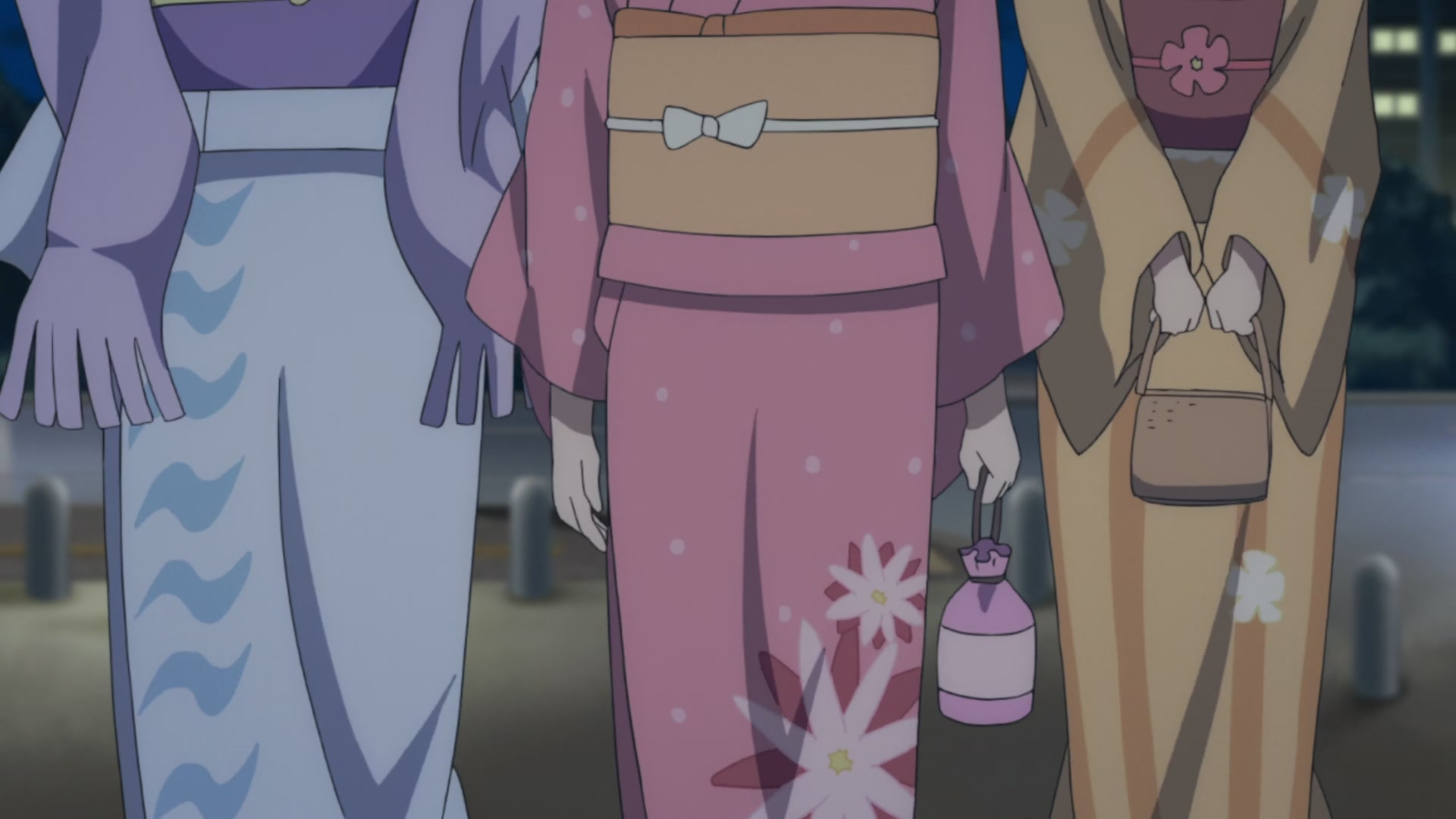
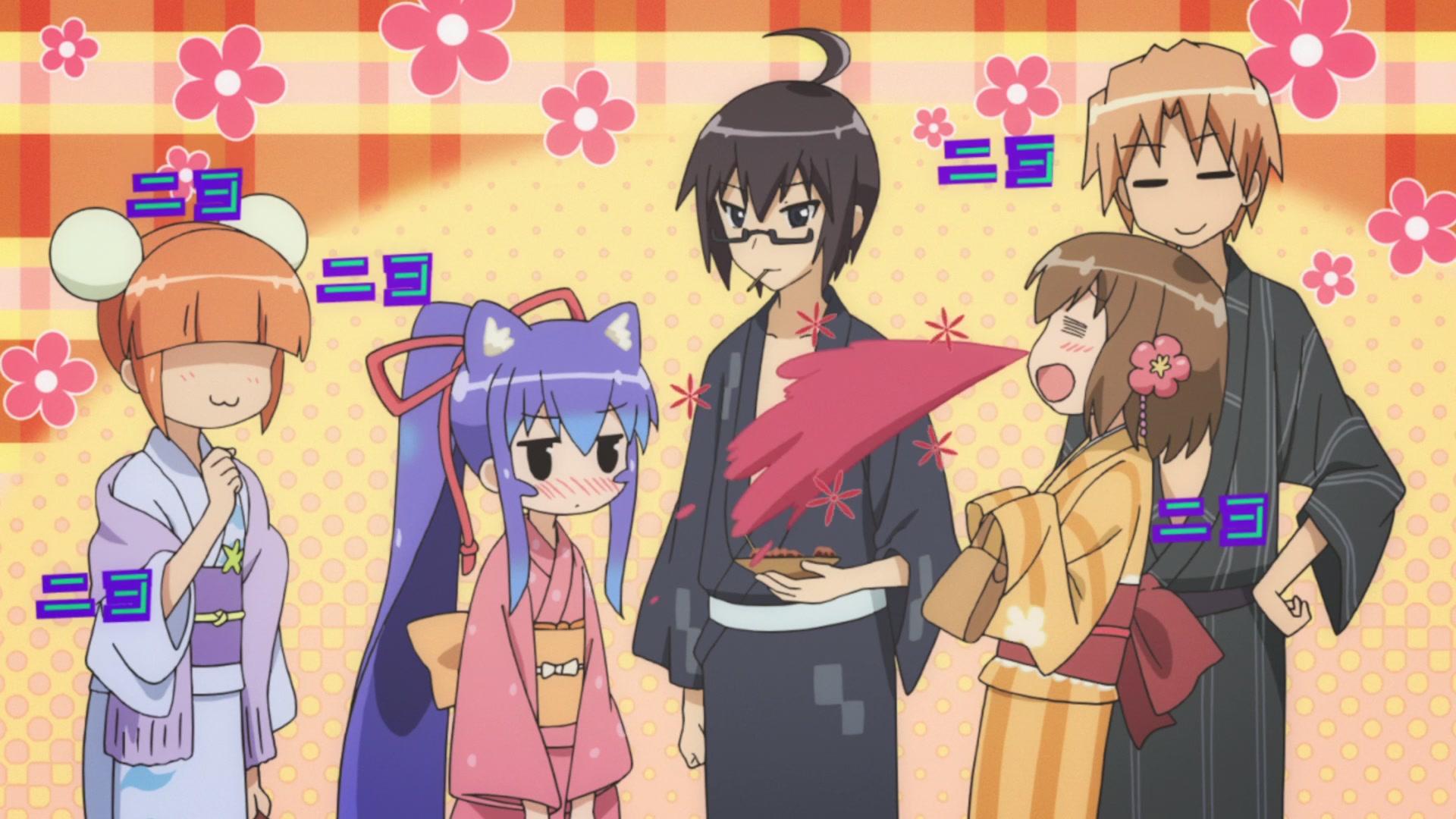
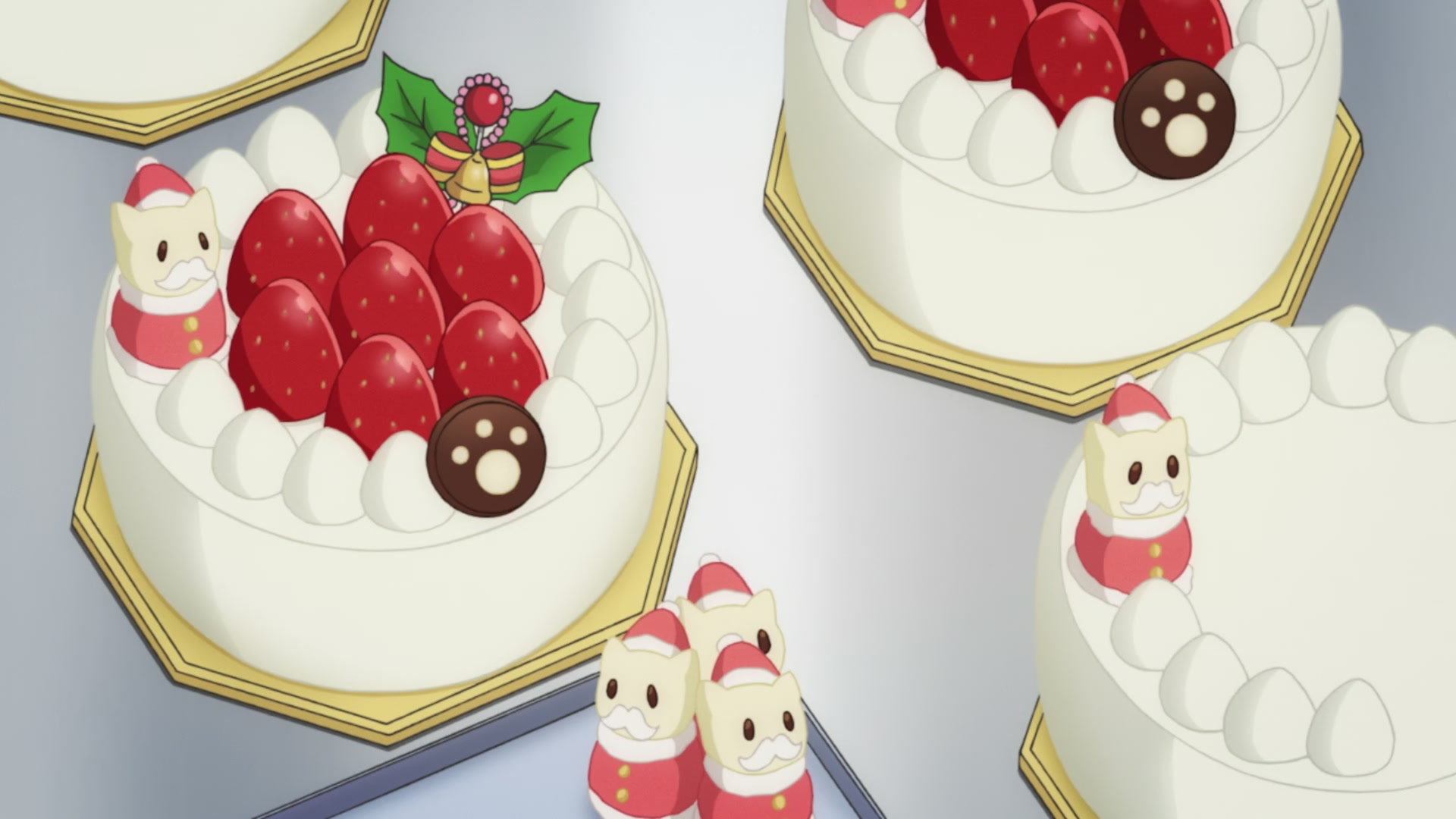
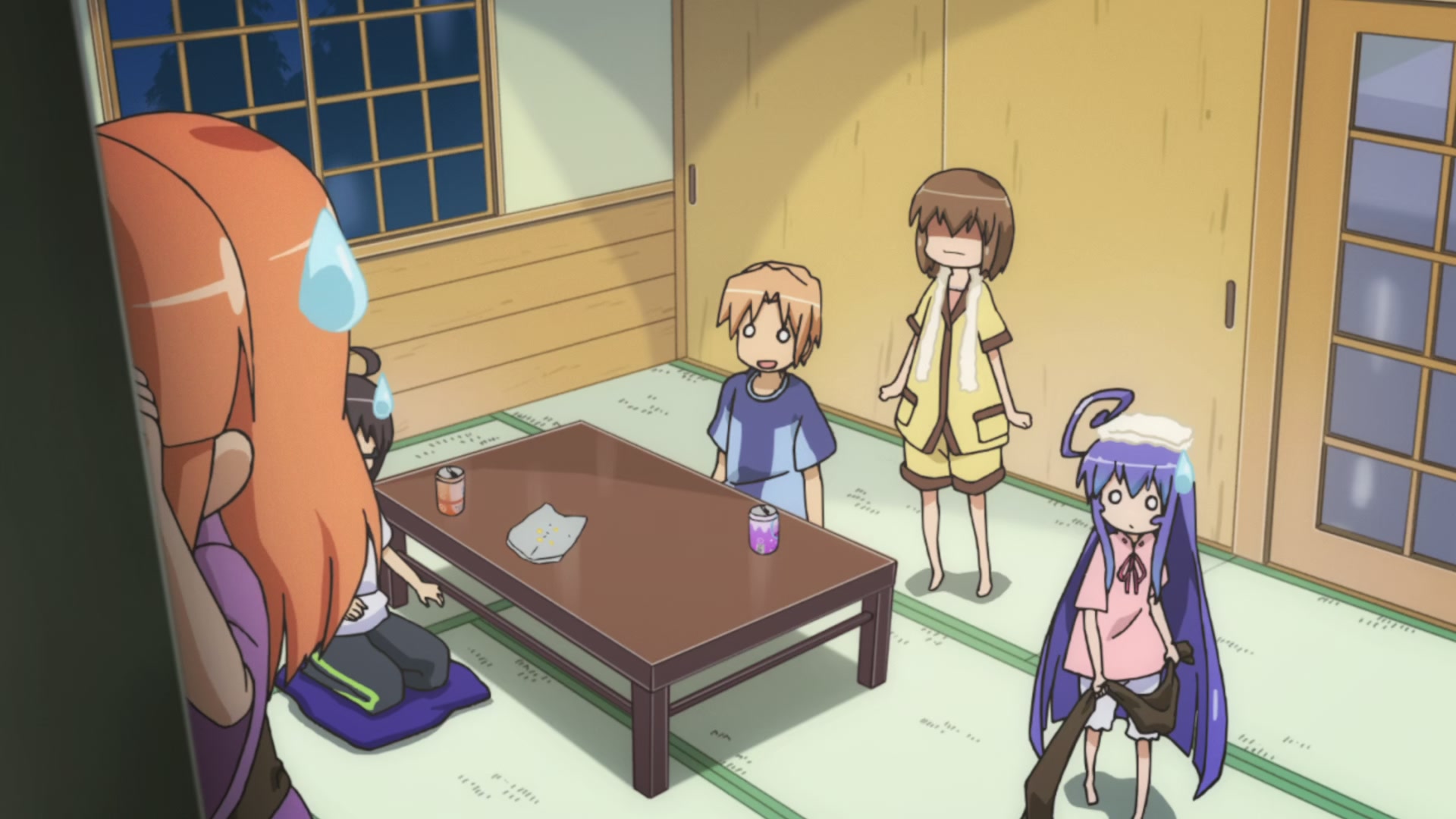
Costume and food receive notable attention. The yukatas at the summer festival, the host‑inspired suits and newlywed‑themed dresses at the school festival, the Santa outfits for Christmas—each is rendered with care, reinforcing the seasonal texture. Food—crêpes, cakes, mochi, chocolate—is given a glossy, appetising treatment, with shine and soft highlights that make you crave a slice yourself. This visual cherishing of shared meals ties back to the theme of togetherness: in this world, food is love made edible.
Sound and Music
Without access to a full track‑by‑track breakdown, it is still possible to appreciate how the audio package of Acchi Kocchi elevates its material. The series thrives on rapid‑fire dialogue and exaggerated sound effects, and both are delivered with evident care. The voice acting (seiyuu work) is a standout feature: Tsumiki’s stammering, squeaks, and occasional meows are performed with a balance of comedy and vulnerability that makes her sympathetic rather than merely foolish. Mayoi’s rapid, theatrical speech patterns and Sakaki’s relaxed, teasing drawl create a natural rhythm, their exchanges often feeling like a seasoned manzai duo. Io’s measured monotone, meanwhile, makes his every inflection—the rare warmth when thanking Tsumiki, the slight strain when asking if someone is okay—feel especially weighty.
The musical score is light, whimsical, and seasonal, leaning on piano and soft strings for reflective moments and bouncy, percussive tracks for comedy. It never overpowers the scene, functioning like a gentle hand on the shoulder rather than a dramatic conductor. The opening theme is an upbeat, catchy pop number that captures the series’ energetic friendliness, while the ending theme settles into a cozier, more intimate register, perfectly suited for the afterglow of an episode. Sound effects—the exaggerated thwack of a punch, the pop of a cork gun, the sizzle of barbecue—are pitched at cartoon levels, supporting the slapstick without feeling disconnected from the otherwise gentle atmosphere.
Overall Verdict
Acchi Kocchi is a masterclass in the “warm hug” genre of anime. It does not seek to push boundaries, shock, or reinvent; instead, it perfects a specific, gentle tone—one where love is communicated through handmade sweets, rescued plushies, and the silent sharing of an umbrella on a snowy evening. For a longtime viewer who has grown weary of high‑conflict narratives or aggressively cynical takes on romance, this series is a balm. It understands that the best comedies come from characters you genuinely want to spend time with, and it parses happiness not as a destination but as an accumulation of ordinary, blessed days.
The central romance’s pace may test the patience of those accustomed to rapid confessions and dramatic turning points. Io’s density, in particular, flirts with incredulity, though it is so consistent it becomes a character law rather than a writing flaw. The episodic structure means that the emotional progress is measured in millimetres—a shared look here, a special candy there—and viewers seeking substantial side‑character development for Kyouya and Saki will likely be left wanting. The extremely limited animation, while purposeful, can feel static in the lulls between comedic highlights.
But these are quibbles against a series that knows exactly what it wants to be and executes its vision with confidence. Acchi Kocchi is a love letter to the seasons, to the rituals of Japanese school life, and to the gentle chaos of a friendship circle that has accidentally become a family. It earns its place on the shelf next to K‑ON!, Lovely★Complex, and Nichijou—not because it mimics them, but because it shares their fundamental faith that everyday moments, when treated with care, can become luminous.
Who should watch this? Anyone who finds comfort in soft comedy, tsundere romance, and anime that celebrate the calendar’s small joys. It is ideal for a winter or spring rewatch, perhaps accompanied by hot tea and a slice of cake. Those allergic to tropes or requiring fast‑paced plots should look elsewhere.
Final Rating: 8/10
A quiet gem that ages gracefully, like a well‑pounded mochi—sweet, comforting, and best enjoyed in warm company.
Gallery