



![Hikari ga Shinda Natsu: Hikaru’s True Identity Finally Revealed!? “Too Courageous” and “Insane Tension” for Shocking Question, Plus Praise for Special ED’s “Effective Perspective Composition” [Episode 6 Spoiler Reactions Summary]](https://animeworld.info/wp-content/uploads/2025/08/788360.jpg)
A Deep Dive into the Haunting Episode 6 of *Hikaru ga Shinda Natsu*: “Asako”
The sixth episode, aptly titled “Asako,” of the TV anime *Hikaru ga Shinda Natsu* recently premiered, immediately igniting a flurry of discussions on social media. Fans were quick to share their thoughts, with many proclaiming it “the most intense episode yet” and praising Yamagishi Asako’s compelling portrayal, calling her “just too cool!”
About *Hikaru ga Shinda Natsu*
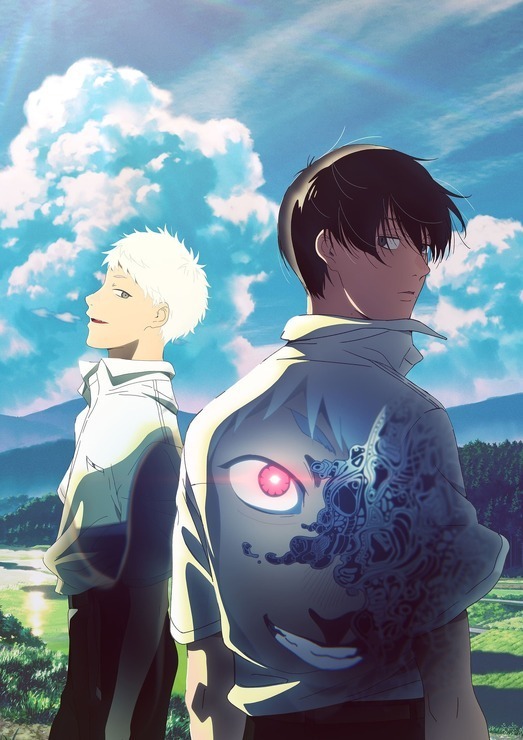
*Hikaru ga Shinda Natsu*, which can be translated as “The Summer Hikaru Died,” is a chilling coming-of-age horror story based on Mokumokuren’s acclaimed manga, serialized on KADOKAWA’s “Young Ace UP.” The series delves into the unsettling and complex relationship between high schooler Yosiki and an enigmatic entity that has eerily taken on the form of his cherished childhood best friend, Hikaru. This captivating and thought-provoking work has garnered significant attention, receiving the Global Special Award in the Web Manga category at the “Next Manga Awards 2022” and ranking first in the Male Readers’ category of “Kono Manga ga Sugoi! 2023.”
Yosiki and Hikaru, childhood companions of the same age, grew up together in a tranquil, secluded village. Their shared summers were idyllic, characterized by the scorching sun, the persistent hum of cicadas, the simple pleasure of eating ice cream on their way home from school, and the carefree laughter over countless trivial matters. However, six months prior, Hikaru mysteriously vanished in the mountains. A week later, he inexplicably reappeared. While the entity that returned possessed Hikaru’s voice and appearance, it harbored an unsettling “something” within. Thus began a strange, new daily life with this “thing” in the guise of Yosiki’s friend, and concurrently, a series of bizarre and inexplicable incidents began to plague the village.
NOTE: The following text contains spoilers for those who have not yet watched this work, due to the nature of the content. Please proceed with caution.
Episode 6 wasted no time in introducing a profound philosophical dilemma right from its opening scene: the “Swampman” thought experiment. This concept, proposed by philosopher Donald Davidson, raises a pivotal question: if a being were to perfectly duplicate a person in every aspect—outward appearance, actions, and even mannerisms—but possessed none of their original memories or past experiences, could it truly be considered the “same person”? This direct philosophical challenge brought the series’ ever-present, underlying theme of “Is Hikaru truly Hikaru?” to a sharp and unsettling forefront.
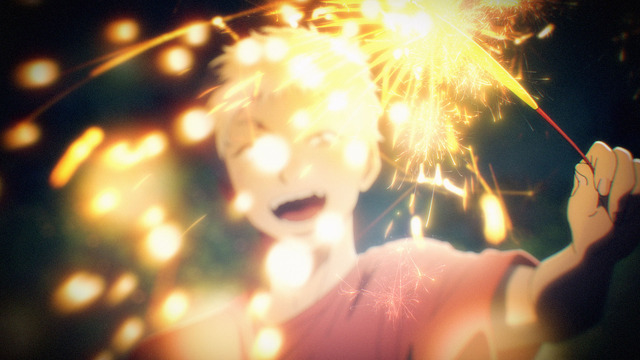
As a choir competition looms, Yosiki, Maki Yuuta, Yamagishi Asako, and Tadokoro Yuuki decide to enjoy a sleepover at Hikaru’s house. The fireworks scene depicted in this episode is widely recognized as one where the production team poured immense effort into its creation. The meticulous animation captured every delicate sparkle of the firework’s embers and the subtle, ephemeral sway of the smoke, earning widespread adoration from viewers who exclaimed, “The fireworks are too real!” and marvelled, “They still had more stunning summer depictions hidden up their sleeves…!”
Amidst these truly captivating and vibrant summery visuals, the sight of Yosiki and Hikaru laughing joyfully together offered a fleeting, yet much-needed, sense of peace—a relief that was all the more potent given the series’ prevailing and unsettling horror elements. After the unforgettable impact of the wig ghost in Episode 5, it’s understandable that many viewers cherished this brief, tranquil return to normalcy.
Asako’s Unsettling Past and Confrontation
However, this moment of comfort was destined to be short-lived. The episode soon delved into the past of Yamagishi Asako, whose subtle actions and demeanor had already hinted at a profound spiritual sensitivity. Having been raised on tales of reincarnation and living a life where she could perceive and hear things utterly imperceptible to others, Asako possessed a unique understanding: she knew that these supernatural phenomena weren’t inherently malevolent. This profound insight and her inherent courage led her, when finally alone with Hikaru, to pose a direct and deeply unsettling question:
“Just who are you?”
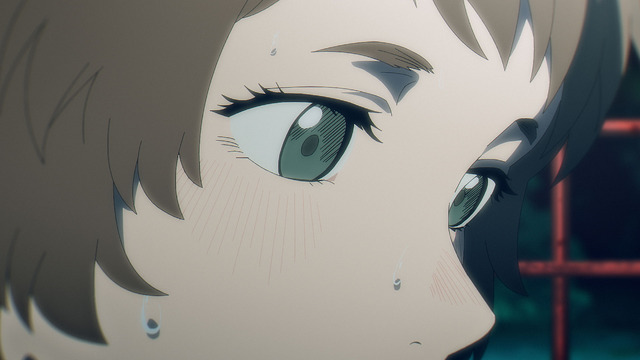
Viewers reacted with a blend of intense excitement and palpable apprehension, flooding social media with comments like “It finally happened!” and “She’s incredibly brave!” Yet, upon having his true nature so directly probed, Hikaru reacted chillingly, moving with the intent to harm Asako. Witnessing this disturbing act, Yosiki couldn’t hide his profound contempt. For Hikaru, the concepts of life and death seemed to be merely different forms, implying that life itself held no inherent weight or value—or so it appeared. And yet, here lies a powerful and heart-wrenching contradiction: Hikaru possesses an intense, inexplicable desire for Yosiki to remain alive. The time spent with Yosiki has been, quite literally, “special,” fostering a deep yearning to stay by his side and an overwhelming wish for his happiness. This profound internal conflict within Hikaru is truly agonizing to behold. Many viewers lamented the poignant sight of the two characters passing each other without exchanging a glance, expressing sentiments like “My heart aches so much” and “It’s painful, even though it’s understandable since he tried to kill Asako.”
A Poignant Special Ending
The special ending sequence of the episode featured a deeply poignant cut: a young Hikaru is seen gazing at Yosiki from his profile as Yosiki watches fireworks. The melancholic call of “Yosiki…” by Umeda Shuuichirou, Hikaru’s voice actor, was particularly heartbreaking and resonated deeply with viewers. While the regular ending typically shows Yosiki looking at Hikaru, this time the perspective was powerfully reversed. Fans were profoundly moved, commenting, “It made me cry, seeing how much they care for each other” and praising how “The shift in perspective was really effective.” The deliberate inclusion of fireworks in both the tranquil, happy scenes of the first half and this powerful, emotional scene in the latter half created a resonant connection, amplifying the immense and complex feelings Hikaru harbors for Yosiki.
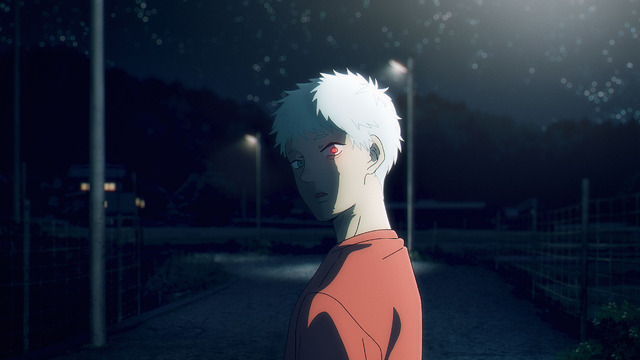
Furthermore, the truly chilling visual of “something” erupting and bursting through Hikaru’s arm as he reaches out to Yosiki drew intense reactions from the audience, with viewers exclaiming, “Perfect horror!” and “I can’t stop getting goosebumps!” The internal struggle within Hikaru—the agonizing inability to discern whether his intense desire not to lose Yosiki stems from Hikaru’s original memories or his own burgeoning, inexplicable emotions—is a truly unsettling and central conflict that continues to churn within him.
Episode 6 was a remarkably rich and dense installment, masterfully blending the ephemeral sparkle of youth with the looming presence of ominous shadows and profound philosophical questions. Following its broadcast, related keywords rapidly trended across social media platforms, showcasing the immense excitement and widespread discussion it generated. Many viewers enthusiastically proclaimed *Hikaru ga Shinda Natsu* their “top summer anime” and proudly declared that they were “watching it live every week,” with their hearts continually swayed and deeply affected by the poignant emotional distance and unsettling dynamic between Yosiki and Hikaru.
Broadcast and Streaming Information
The captivating summer anime, *Hikaru ga Shinda Natsu*, begins airing every Saturday at 24:55 JST (effectively Sunday 00:55 JST) on Nippon TV and other channels across Japan. For international viewers, the series is available for global exclusive streaming on Netflix, and in Japan, it also offers free exclusive streaming on ABEMA.
Production Team and Cast
Staff
| Role | Name |
|---|---|
| Original Creator | Mokumokuren |
| Director / Series Composition | Takeshita Ryouhei |
| Character Design / Chief Animation Director | Takahashi Yuuichi |
| Doro-Doro Animator | Hiraoka Masanobu |
| Prop Design | Oochi Ryuunosuke |
| Sub-Character Design | Watanabe Mai, Nishigane Hiroko, Nagasawa Shouko |
| Art Setting | Tada Shuuhei, Takahashi Takeyuki, Sono Yuudai |
| Art Director | Honda Kouhei |
| Color Design | Nakano Naomi |
| Color Design Assistant | Koshida Yuuko |
| 3D Director | Nakano Yoshinori |
| Photography Director | Maeda Tomohiro |
| 2D Design | Nagayoshi Yuusuke, Tsue Yuuri |
| Editing | Kimura Kashiko |
| Sound Director | Kasamatsu Kouji |
| Sound Production | dugout |
| Music | Umabayashi Tarou |
| Opening Theme Song | “Saikai” by Vaundy |
| Ending Theme Song | “Anata wa Kaibutsu” by TOOBOE |
| Animation Production | CygamesPictures |
Cast
| Character | Voice Actor |
|---|---|
| Tsujinaka Yosiki | Kobayashi Chiaki |
| Hikaru | Umeda Shuuichirou |
| Tanaka | Kobayashi Chiharu |
| Kurebayashi Rie | Kowaka Wakana |
| Yamagishi Asako | Hanamori Yumiri |
| Maki Yuuta | Nakajima Yoshiki |
| Tadokoro Yuuki | Wakayama Shion |
(C) Mokumokuren / KADOKAWA / “Hikaru ga Shinda Natsu” Production Committee
By Sunakujira
_