




Story and Themes
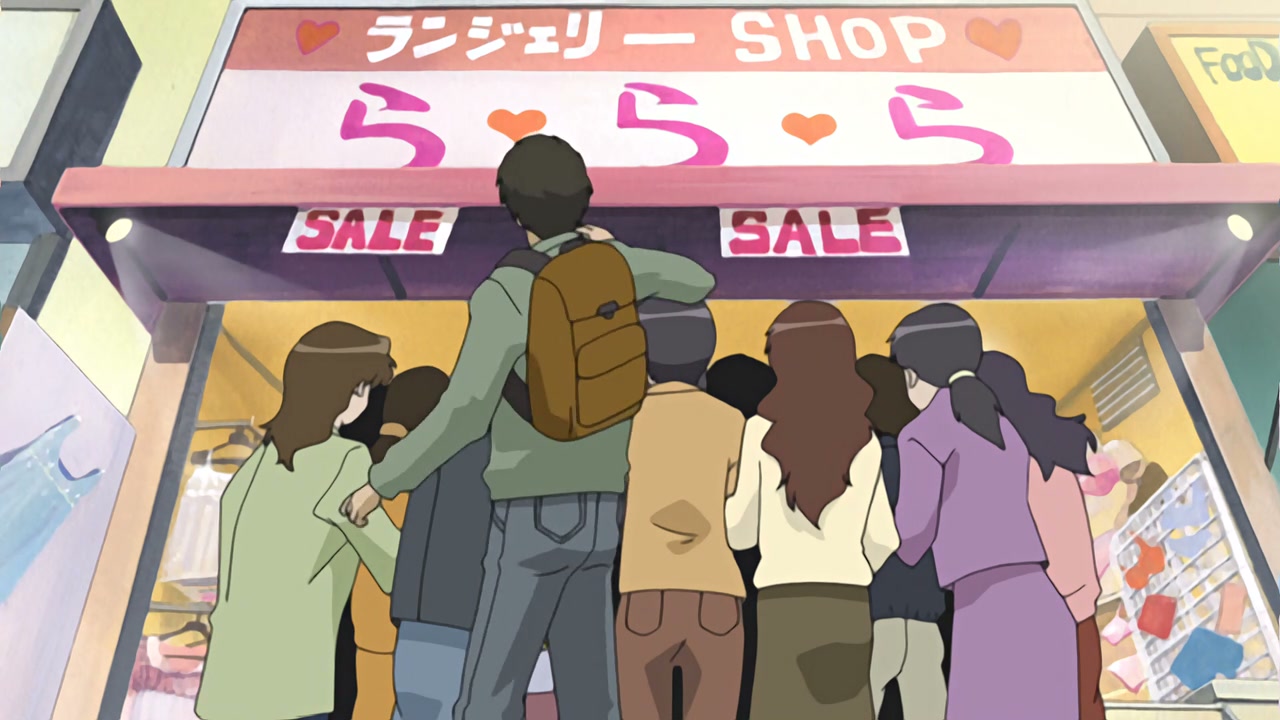
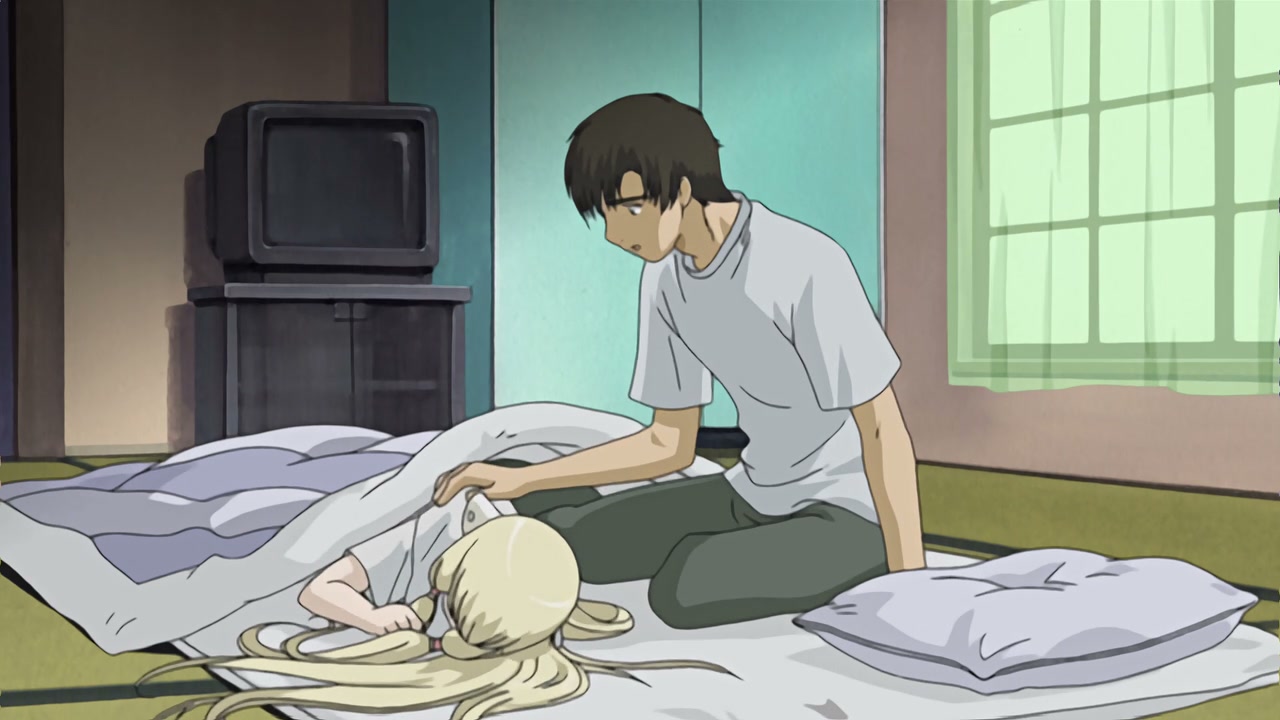
The narrative unfolds at a measured, almost novelistic pace. Rather than rushing toward plot twists, Chobits dedicates entire episodes to seemingly small moments: Chi learning what a “job” is and accidentally winding up in a peep show; Hideki’s agonized inability to buy her underwear; a summer beach trip that offers a fleeting respite from academic pressure. These slice-of-life detours are not filler; they are the substance of the series’ emotional argument. By the time the overarching mystery of Chi’s origin asserts itself, we have spent so much time with Hideki and Chi—watching her learn the word “happy,” seeing him carry her on his back when her battery dies—that the stakes feel achingly personal.
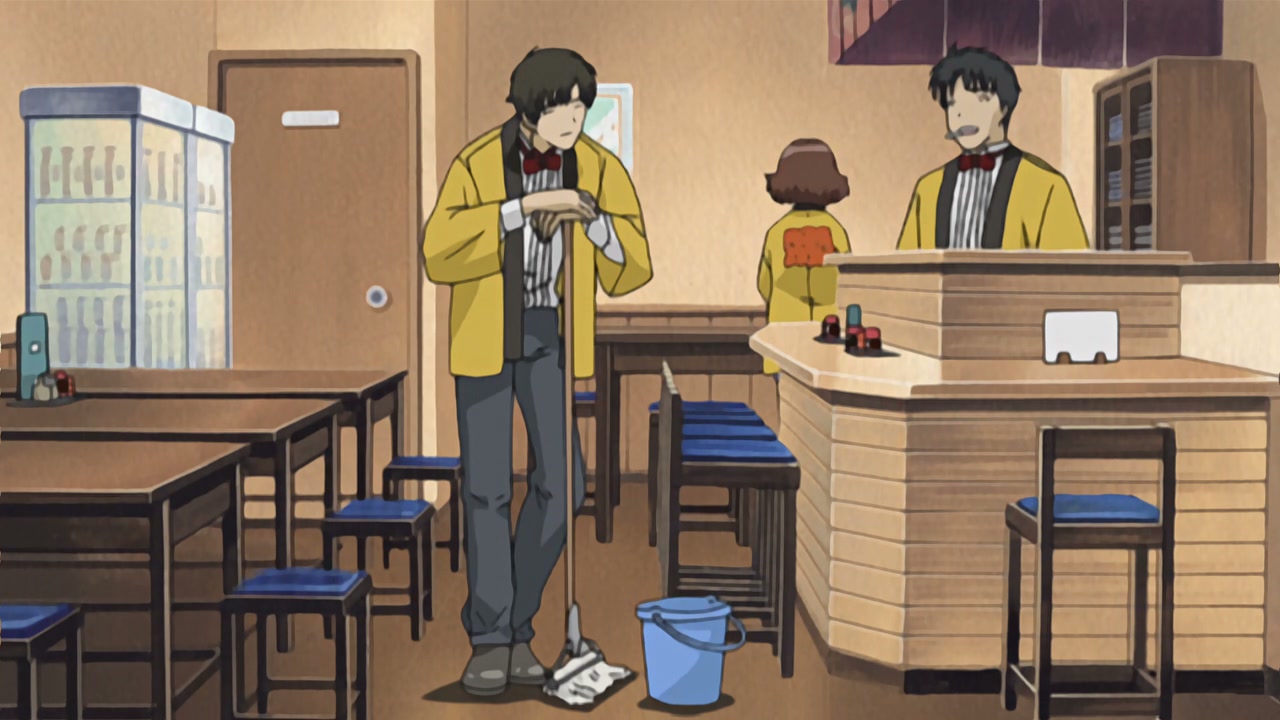
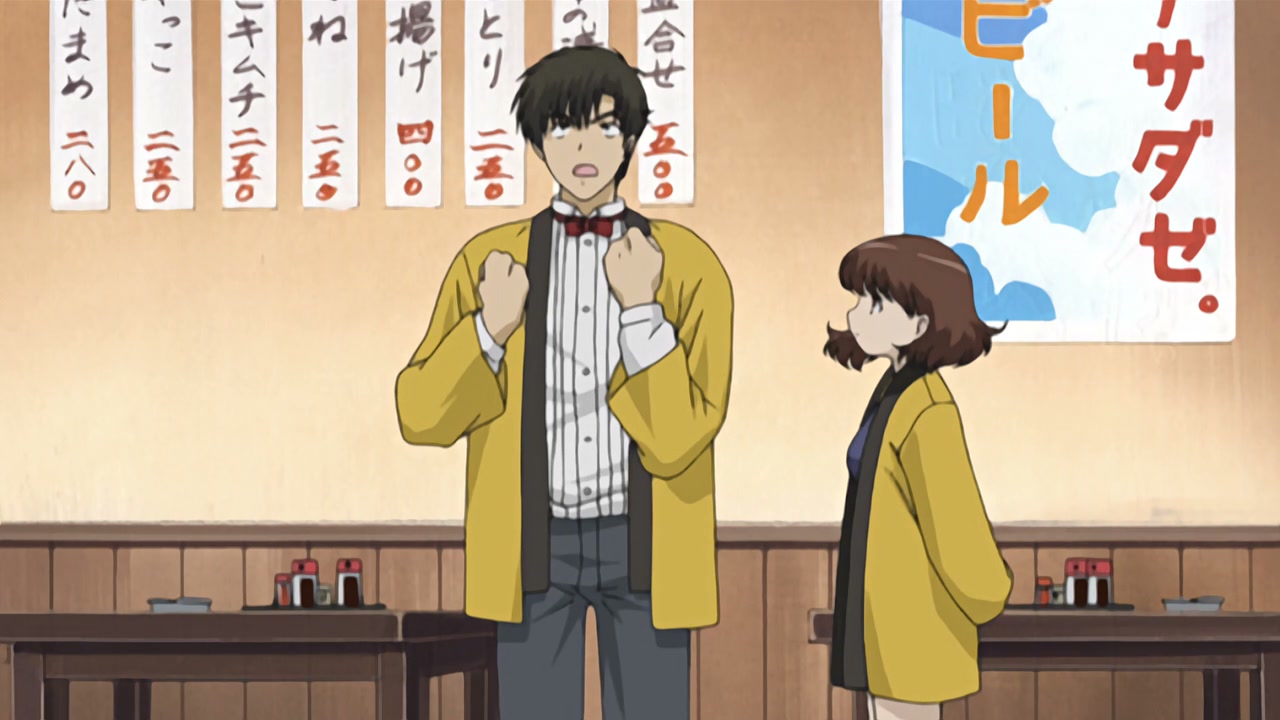
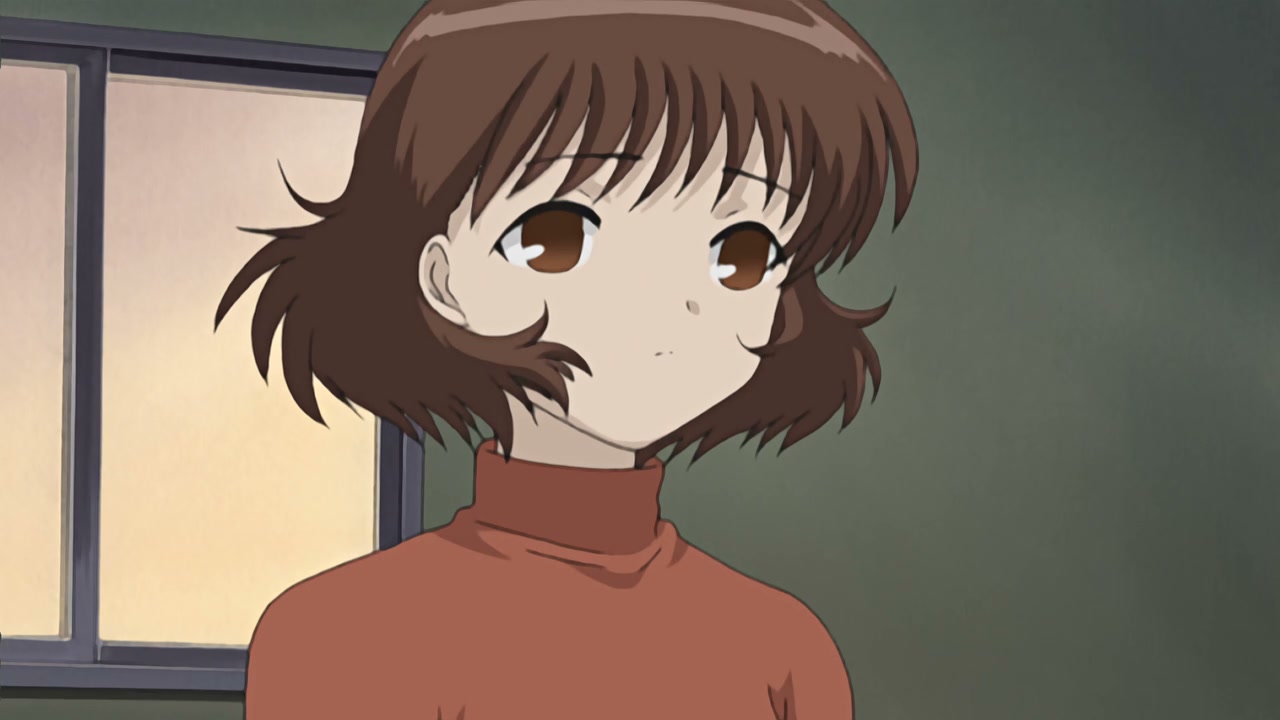
Structurally, the series juggles three narrative layers. The first is the everyday: Hideki’s struggle to survive on a part-time pub job, his friendship with his neighbor Shinbo, his crush on the cheerful waitress Yumi, and his mounting academic failures. The second is the slow-burn investigation into Chi’s nature, led by the child prodigy Kokubunji Minoru, who suspects she may be one of the legendary “Chobits”—persocoms rumored to possess true free will. The third layer is the mysterious picture book series titled “The Town with No People,” which Chi feels drawn to and which Hideki buys her with his meager earnings. The book tells of a lonely figure searching for “the one just for me,” someone who will love her not for what she can grant but for who she is. This refrain becomes the thematic spine of the entire series.
The central theme is unmistakable: “The One Just for Me” is not a fairy-tale promise of a flawless soulmate. It is the radical, almost terrifying proposition that genuine love means being seen and accepted in one’s entirety—limitations, messy emotions, and all. Each relationship in Chobits serves as a variation on this theme. Shinbo’s dogged pursuit of their cram school teacher, Shimizu Takako, a married woman whose husband has replaced her with a persocom, is a defiant insistence that real love cannot be programmed. Kokubunji Minoru’s creation of Yuzuki, a persocom modeled on his deceased older sister, is a grief-stricken attempt to hold onto love that was lost—and his subsequent realization that Yuzuki is irreplaceable as Yuzuki is one of the series’ most profoundly moving arcs. The bakery manager Ueda Hiroyasu, who once married a persocom, must navigate human Yumi’s insecurity that she can never measure up to her “perfect” predecessor. And behind all of them looms the tragedy of Freya, Chi’s sister-persocom, who fell in love with their human “father” and could not reconcile her feelings, ultimately choosing to vanish.
This brings us to pain. Chobits does not flinch from the idea that to love is to suffer. Freya’s ghost, dormant within Chi’s programming, embodies the agony of unrequitable love. Chi herself, upon realizing she loves Hideki, initially tries to delete herself—because she believes that as a persocom, she can never be a “complete” partner, and that her existence will only cause him pain. The series’ answer, delivered through Hideki’s desperate plea, is that separation is far worse than any hardship they might face together. “It’s much, much tougher to not be together at all,” he tells her. This is not a naive denial of difficulty; it is a mature acknowledgment that pain, when shared, becomes bearable.
The cultural subtext is equally rich. Chobits was created during Japan’s early-2000s tech boom, when personal computers and the internet were becoming pervasive household fixtures. The persocom functions as a double metaphor: it represents both the thrilling potential of technology and the creeping fear that humans will retreat into programmable, no-risk relationships, abandoning the messy work of loving real people. The ghost story of Room 104—a wife murdered by her husband’s lover, her vengeful spirit flickering the lights—is a dark cautionary tale about what happens when intimacy is displaced by convenience. Takako’s husband chains the door on her, not out of malice, but because he has simply forgotten she exists; he is too immersed in his persocom. These are not anti-technology screeds, but rather laments for a world where the human heart is commodified into software.
The picture book “The Town with No People” serves as a meta-narrative key. Its author is eventually revealed to be Hibiya Chitose, the apartment manager, who was once the wife of the Chobits’ creator and the adoptive mother of Freya and Chi (then called Elda). The book is both a map for Chi’s awakening and a love letter to the daughter she set free, hoping she would find the happiness that her parents’ technology could not engineer on its own. This elegant nesting of stories within stories gives Chobits a literary quality uncommon in anime of its era.
Adaptation-wise, the anime is based on CLAMP’s manga, and while I cannot speak to specific cuts or changes without having read the source, the anime stands as a remarkably cohesive and emotionally complete work. The pacing’s leisureliness might frustrate viewers who prefer denser plotting, but it is precisely this space to breathe that allows the characters’ bonds to feel organic and earned.
Characters
Chobits lives and breathes through its characters. They are not complex antiheroes; they are ordinary people grappling with loneliness, insecurity, and the terrifying leap of faith required to love another person. Yet within that ordinariness, CLAMP finds extraordinary emotional nuance.
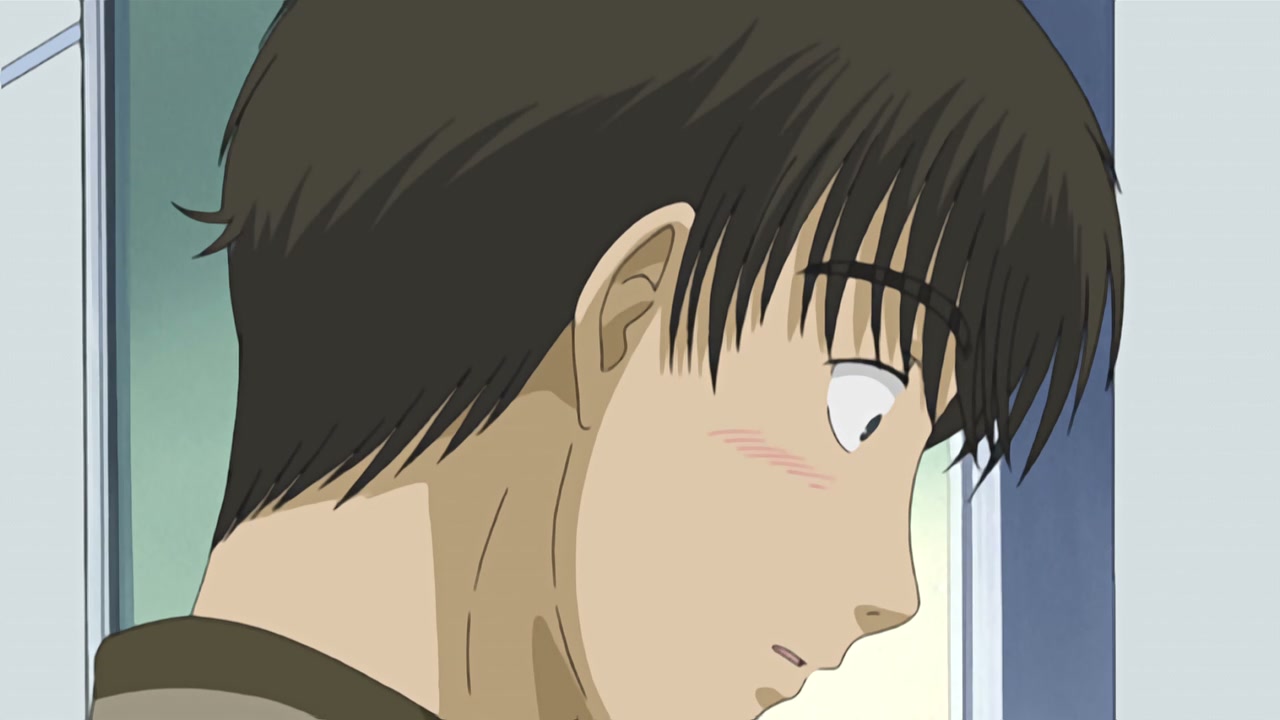
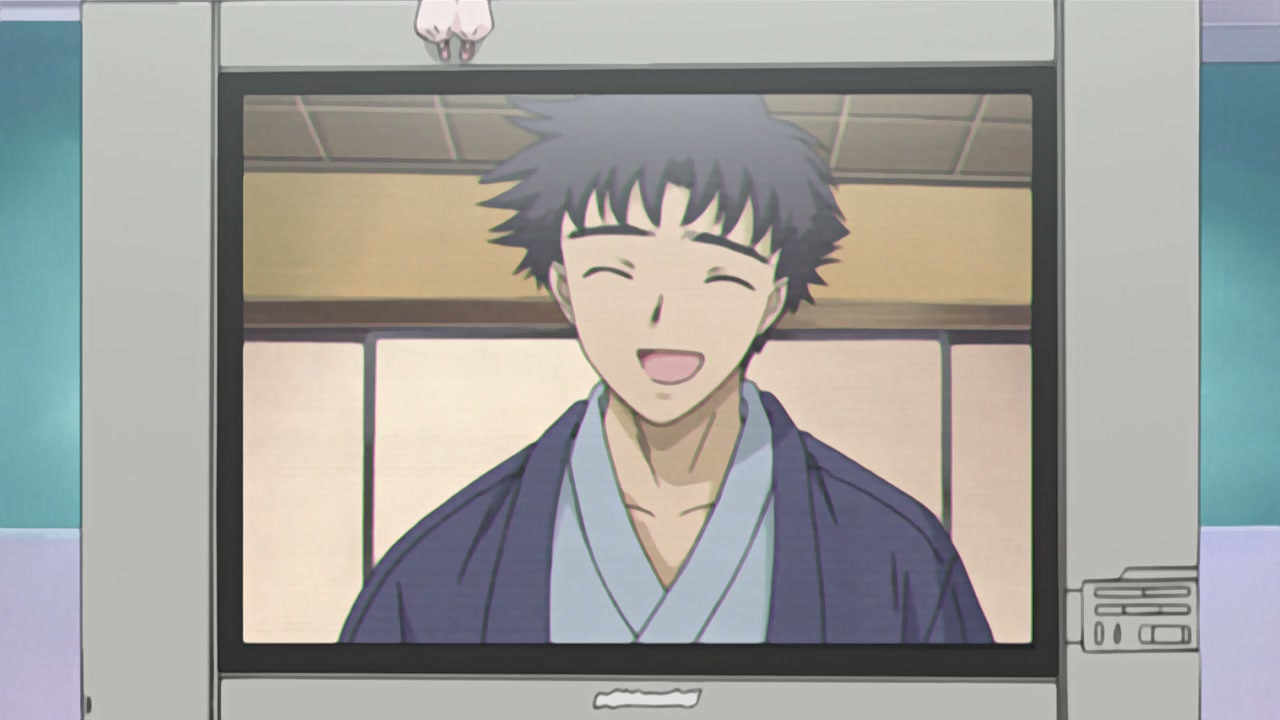
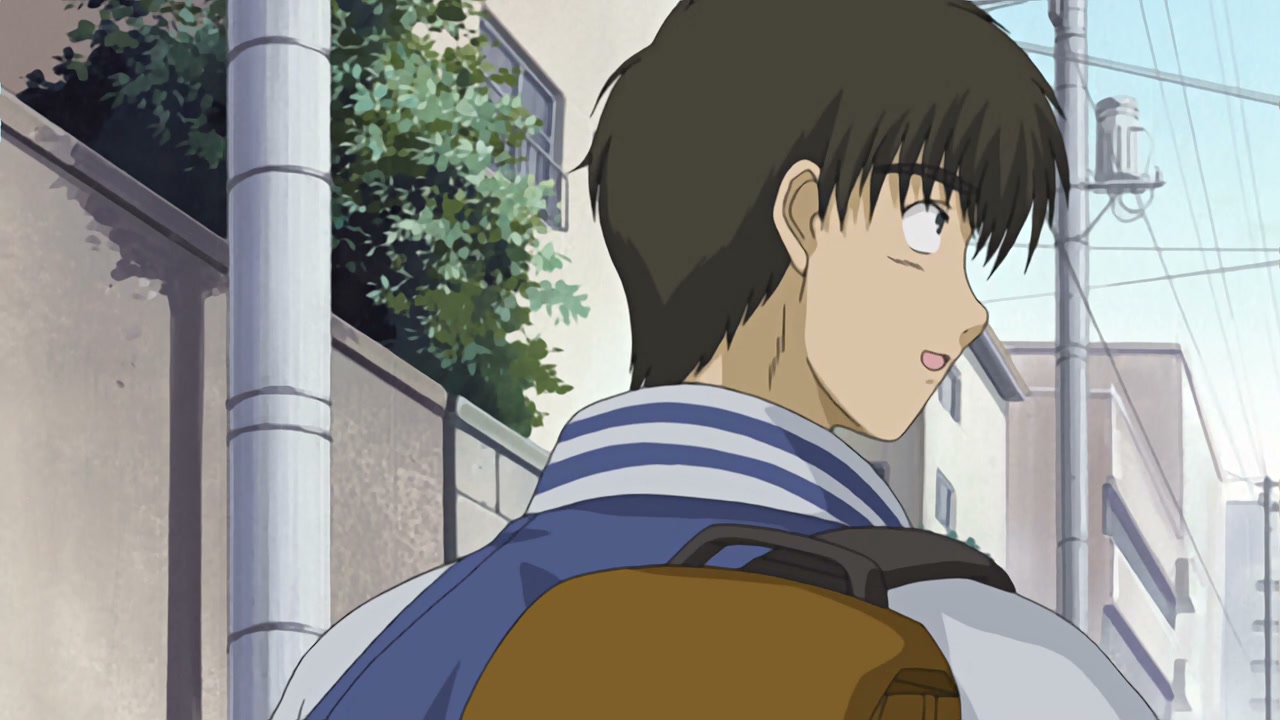
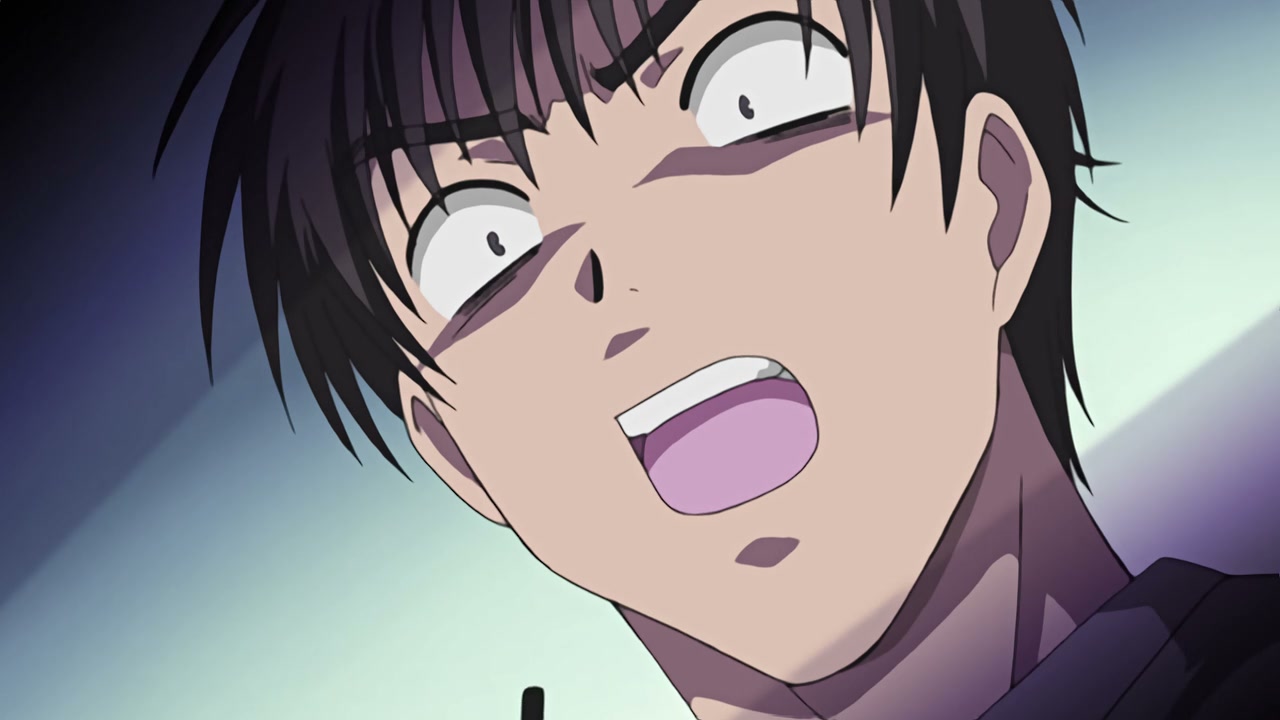
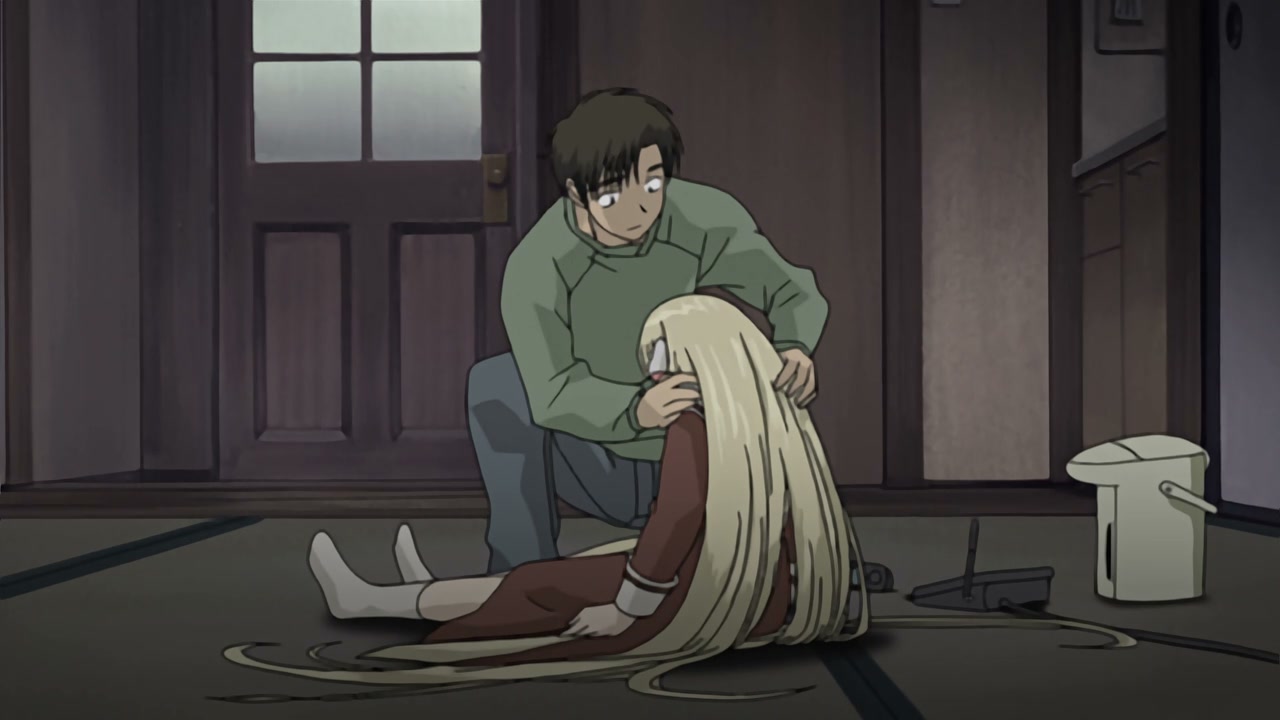
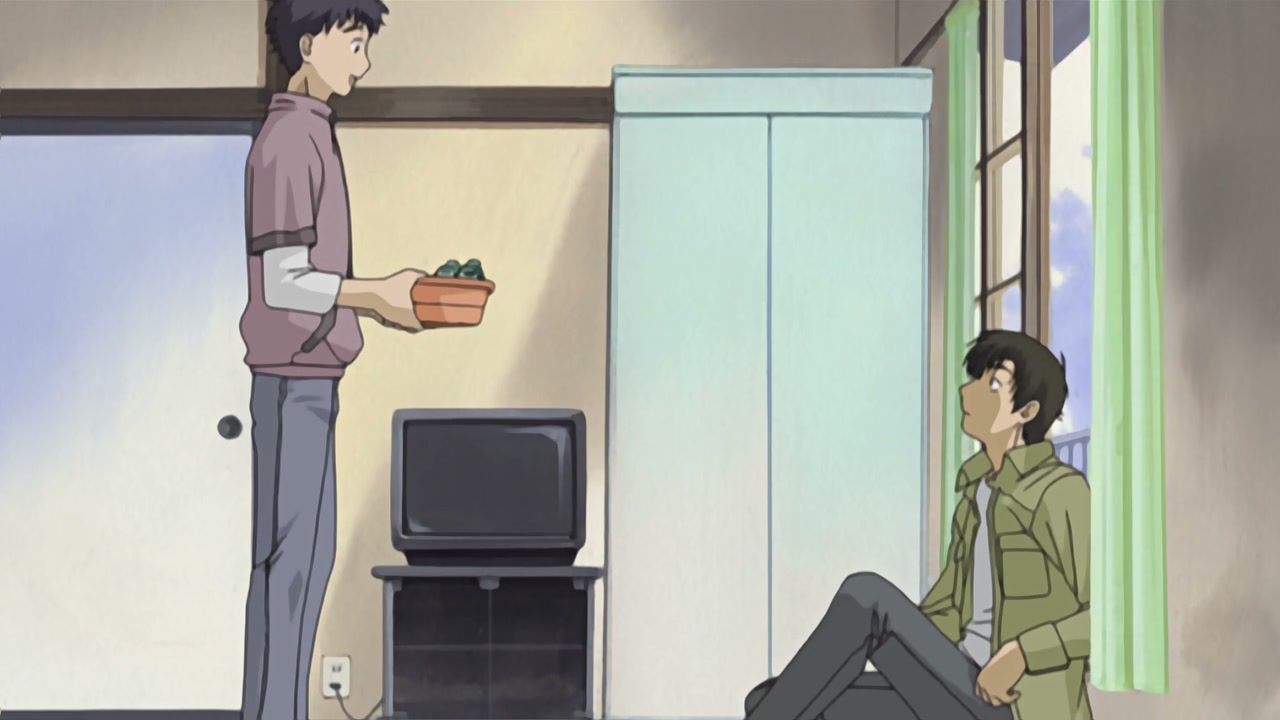
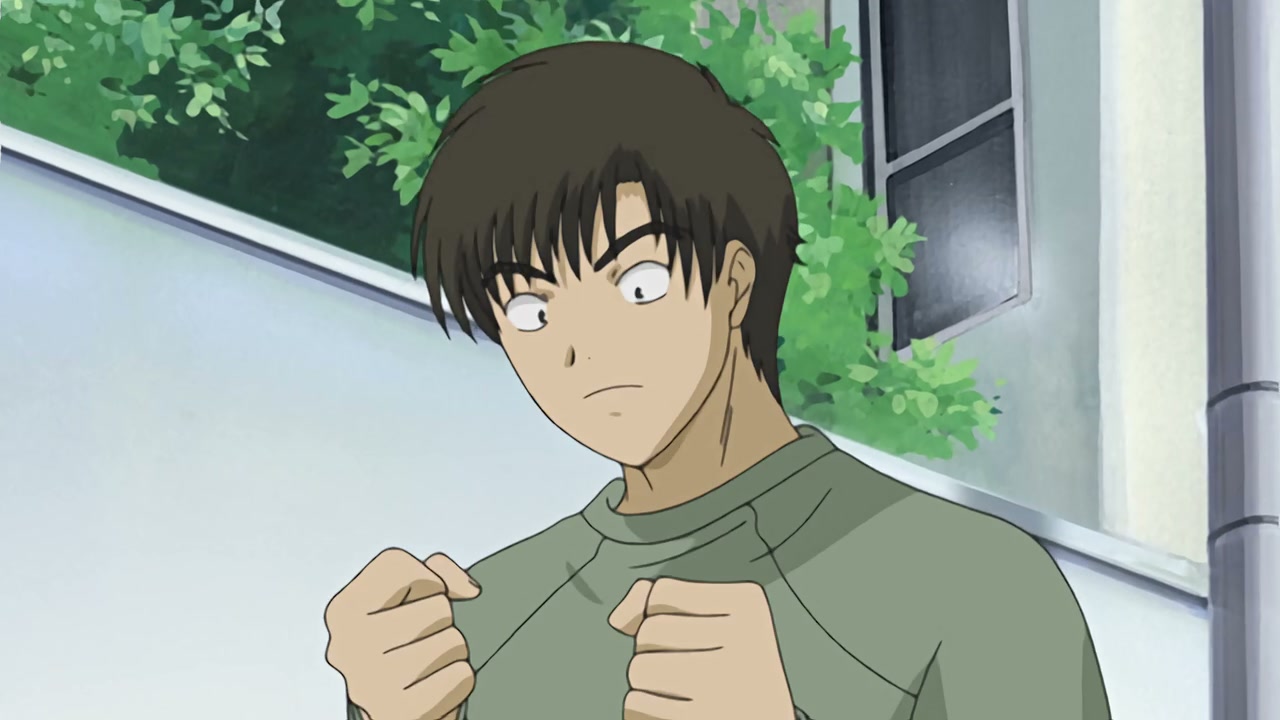
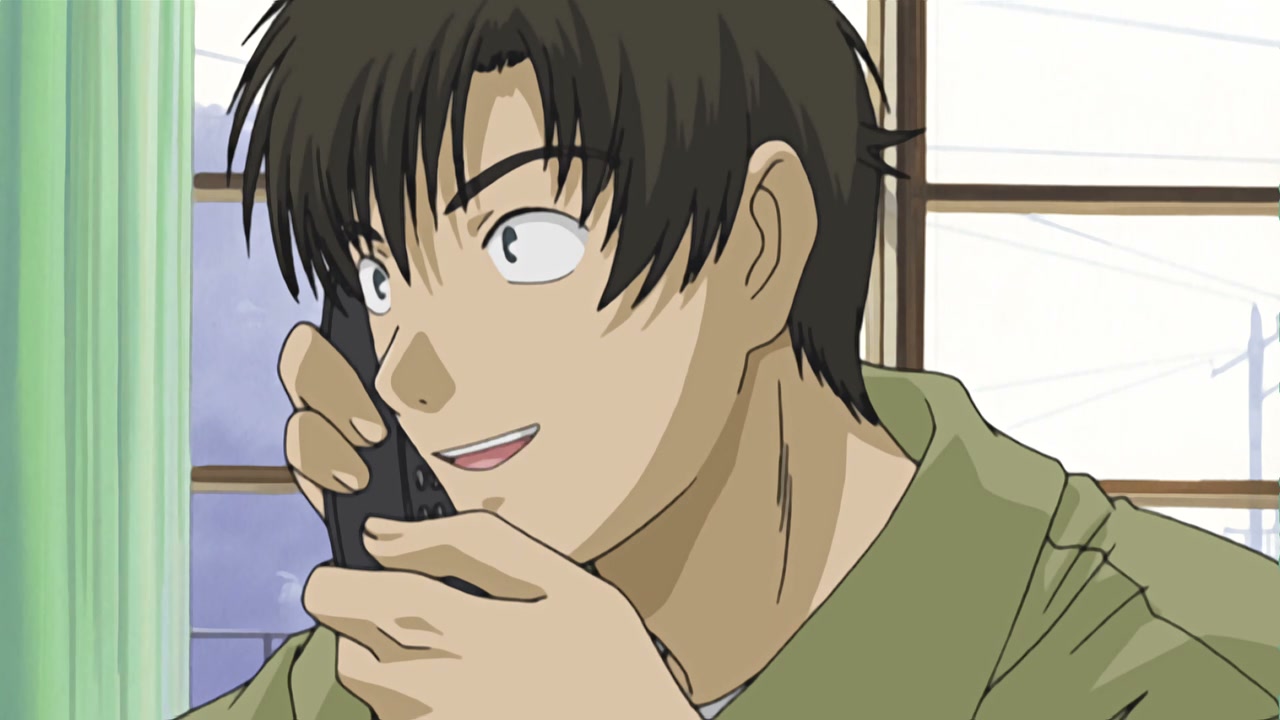
Motosuwa Hideki is one of the most endearing male leads in romance anime. He is not bright, rich, or exceptionally talented. He fails his exams, mismanages his money, and talks to himself so habitually that strangers edge away from him on the street. But his defining trait is a bottomless well of kindness. He picks up a discarded persocom not out of perversion or greed, but because something about her vulnerability tugs at his conscience. Throughout the series, he consistently chooses to do the right thing even when it costs him, whether it’s spending his last yen on a picture book for Chi, or plunging into the ocean to save her despite being unable to swim. His hesitation to confess his love for Chi is not cowardice, but a weighty consideration of what it would mean—for her, for his friends, and for his own understanding of himself. By the finale, his declaration that “persocom or human, it doesn’t matter” feels earned, the culmination of a young man who has learned that love is not about categories but about connection.
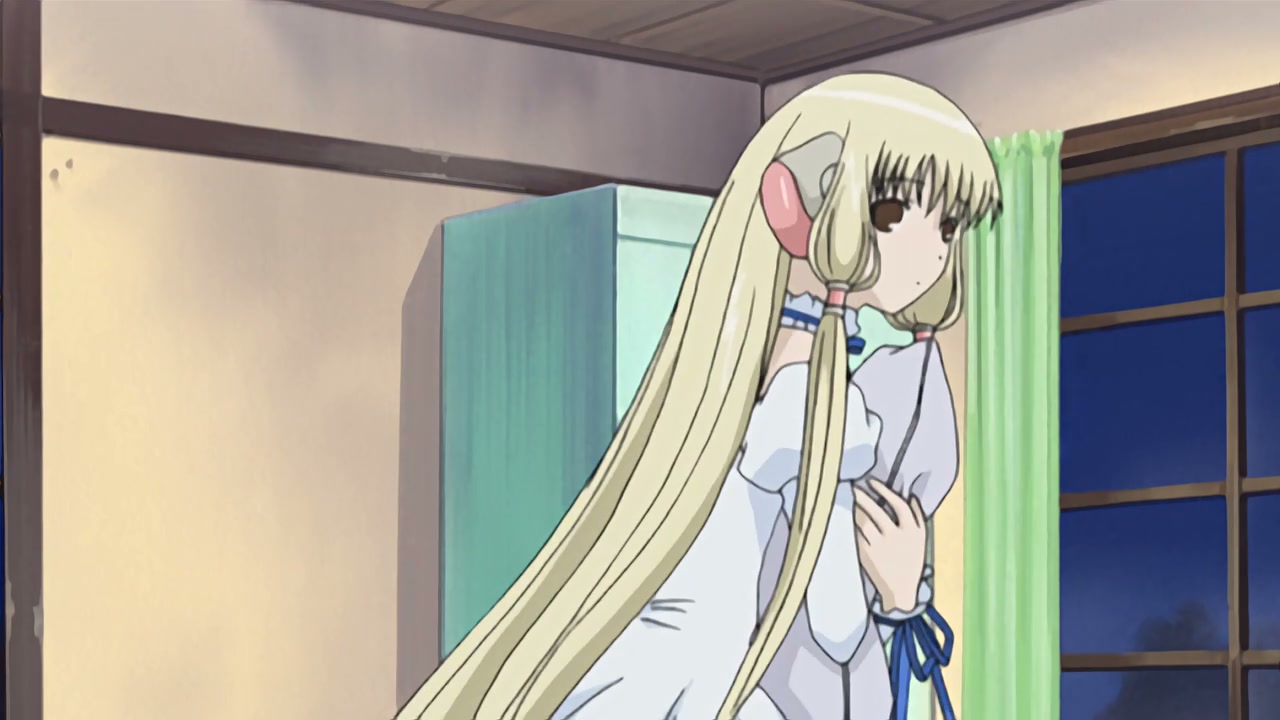
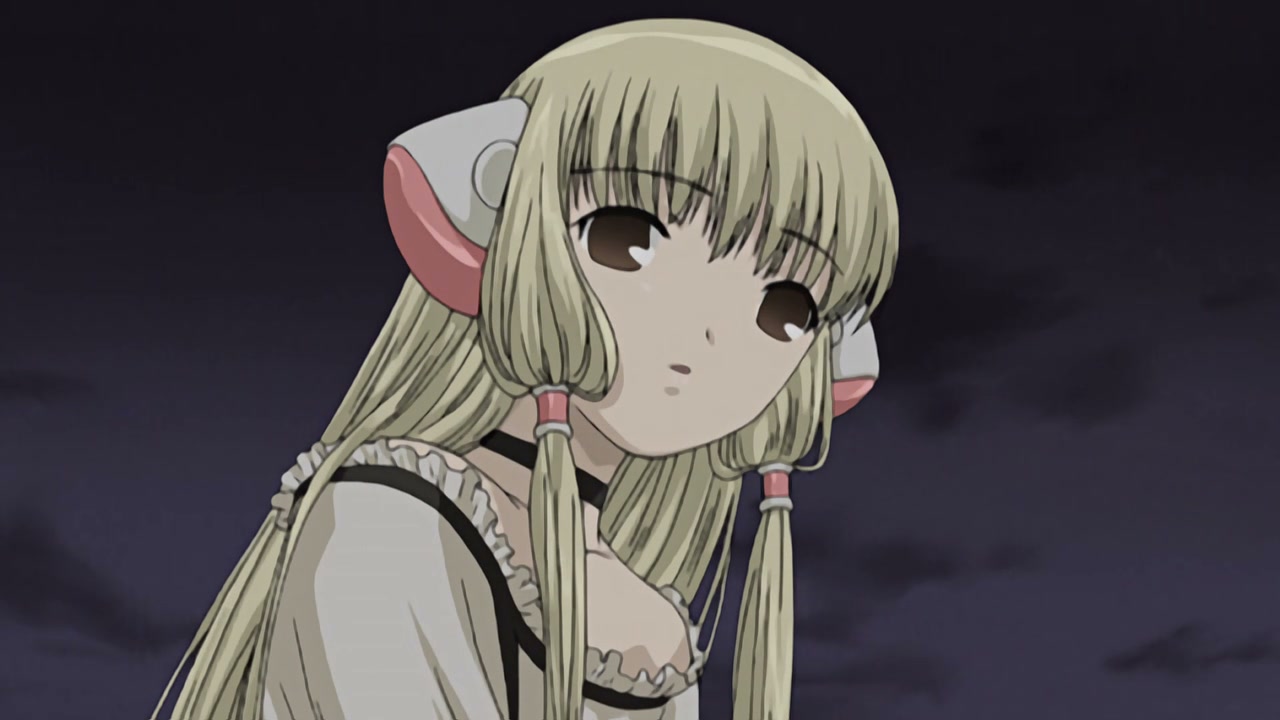
Chi begins as a blank slate, able only to say her name, yet she quickly surpasses the “amnesiac moe girl” archetype. Her curiosity is infectious, her desire to make Hideki smile is heartbreakingly sincere, and her gradual acquisition of language becomes a vehicle for emotional expression. The episode where she cooks curry for Hideki—using her own Tirol earnings—is a masterclass in show-don’t-tell character writing. She cannot articulate complex feelings, but the act itself is a declaration of love. Her internal struggle is compounded by the submerged presence of Freya, who represents the part of her that believes persocom love is doomed. When Chi finally asks Hideki, “Is Hideki in love with Chi?” the question’s simplicity carries the weight of her entire existence. Rie Tanaka’s voice work here is extraordinary, shifting seamlessly from Chi’s innocent, melodic cadence to Freya’s sorrowful, mature tone.
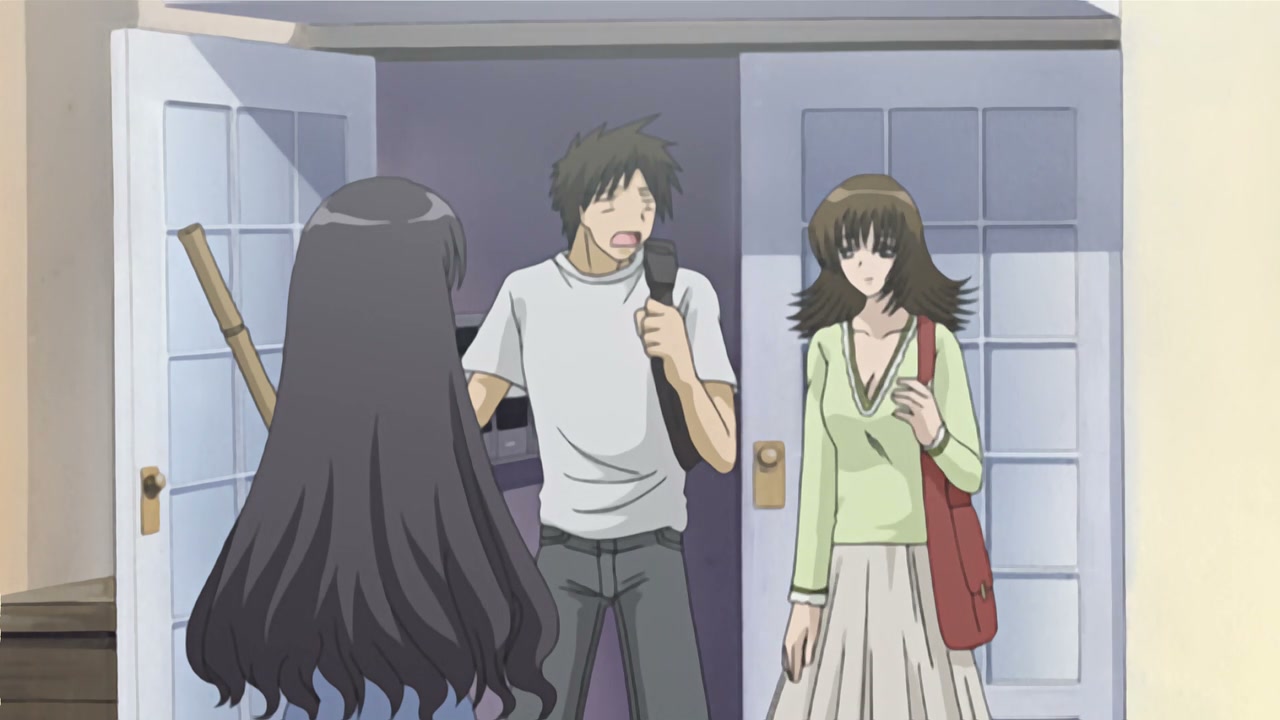
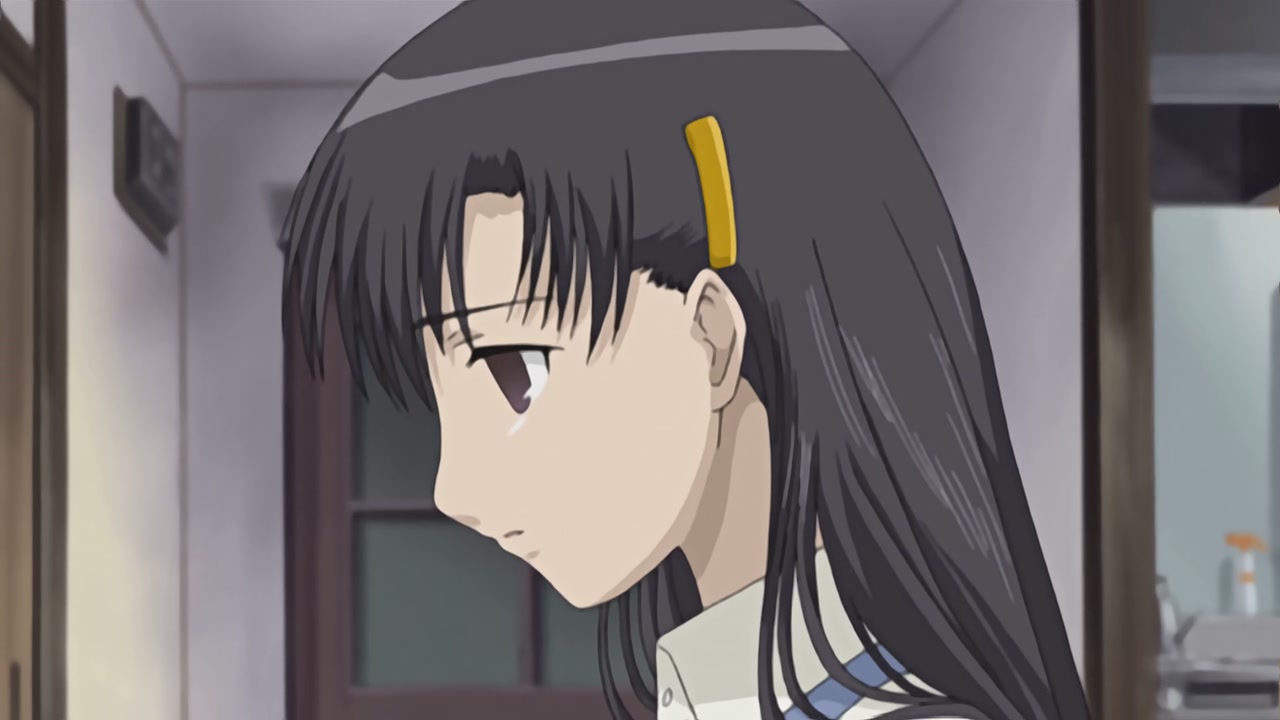
Shinbo Hiromu and Shimizu Takako offer a parallel romance grounded in adult messiness. Shinbo initially appears as the easygoing best friend, but his decision to “elope” with Takako reveals a fierce moral compass. He is outraged not simply because her husband neglects her, but because the husband’s half-assed relationship—whether with a human or a persocom—is fundamentally disrespectful of love itself. Takako, for her part, is a portrait of eroded self-worth. Her drunken confession to Hideki that she wonders “if persocoms are better than humans” is quietly devastating. Shinbo’s persistence, his insistence that she deserves to cry when bad things happen, is the series’ most explicit argument that love requires presence and fight.
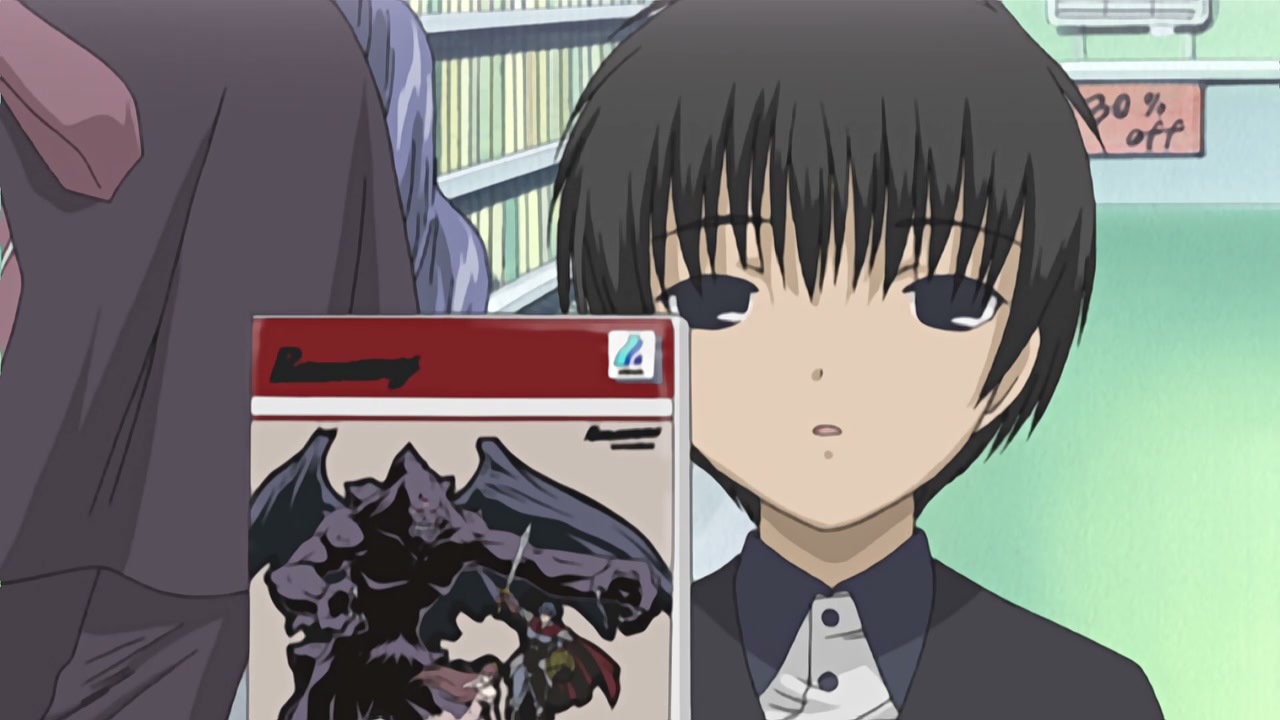
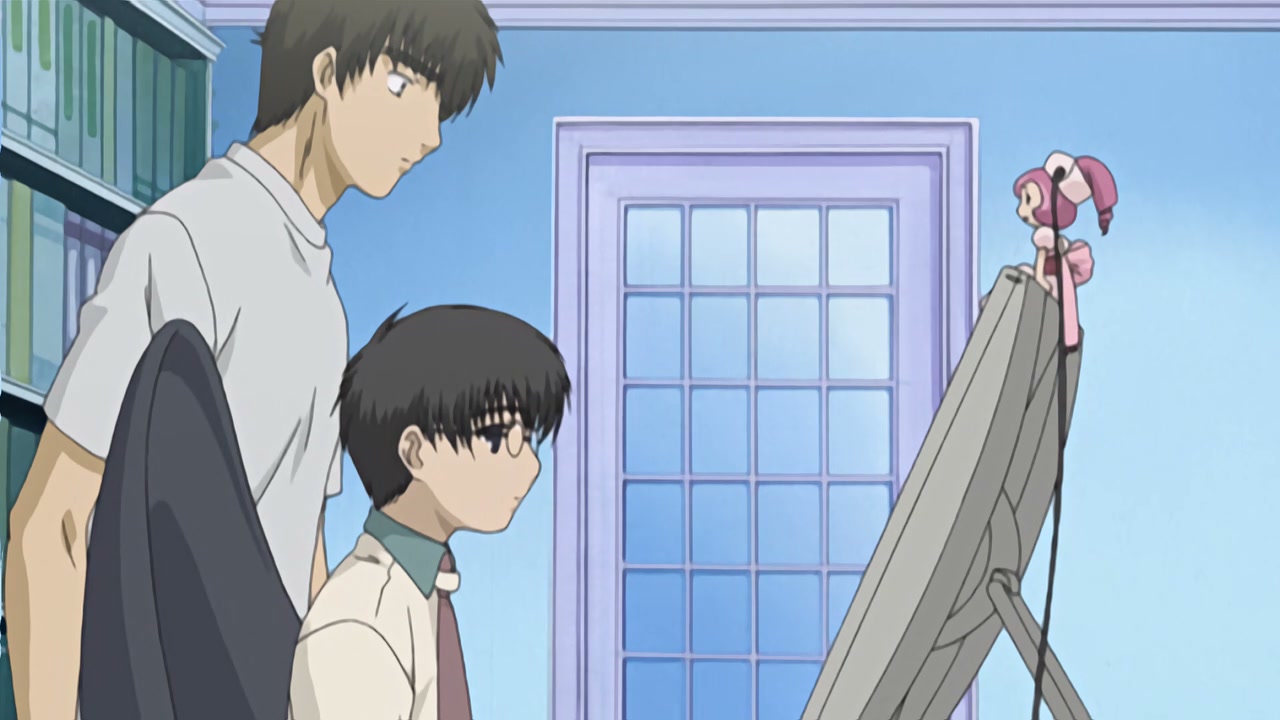
Kokubunji Minoru is a child genius who built a family of persocoms to fill the void left by his sister’s death. His relationship with Yuzuki, the persocom he modeled after her, could easily have been grotesque. Instead, CLAMP handles it with exquisite sensitivity. Yuzuki knows she is a copy, and her insecurity that she is “not useful enough” drives her to nearly destroy herself hacking a dangerous server. Minoru’s response—that he will no longer input data about his sister, because Yuzuki is irreplaceable as Yuzuki—is the moment he finally processes his grief and accepts that love can grow beyond loss.
Ueda Hiroyasu and Yumi (the human) confront the shadow of a “perfect” predecessor. Ueda’s backstory—his marriage to a persocom named Yumi who lost her memories but saved his life—is the emotional fulcrum of the series. His quiet assertion that “she had a proper name” and his refusal to let reporters generalize her with other persocoms is a powerful statement of dignity. Human Yumi’s fear that she can never measure up to her persocom namesake is resolved when Ueda tells her that he loves her because she is who she is, not despite it.
Hibiya Chitose, the landlady, is the story’s secret architect. Her reveal as the co-creator of the Chobits recontextualizes every prior kindness. She is a grieving mother who entrusted her daughter to fate, hoping that a stranger’s heart would succeed where her own husband’s programming had failed. Her final, whispered conversation with her husband’s spirit—asking if she did the right thing—is a small, luminous moment of grace.
Even the side persocoms—Sumomo, the dancing mobile PC; Kotoko, who is programmed only to tell the truth; the security duo Zima and Dita—function as mirrors reflecting different facets of the central theme. Sumomo’s cheerful obedience is a baseline; Kotoko’s inability to lie highlights the difference between truth and kindness; Zima’s choice to defy his programming and witness Chi’s future gestures toward true artificial personhood.
Visuals and Animation
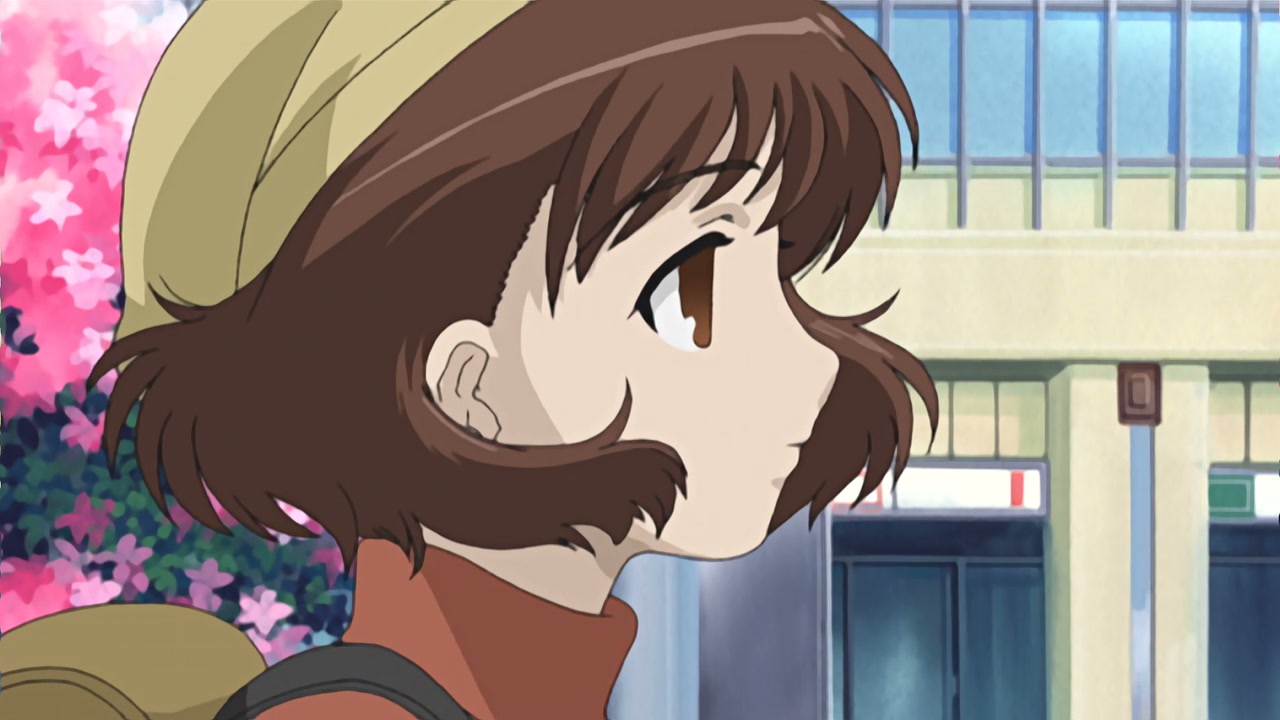
Chobits carries the unmistakable aesthetic of early-2000s digital anime: clean linework, soft cel-shading, and a restrained color palette that favors naturalistic hues over neon saturation. The art direction deliberately blurs the line between the mundane and the fantastical, grounding the speculative premise in a world that feels lived-in, weathered, and real.
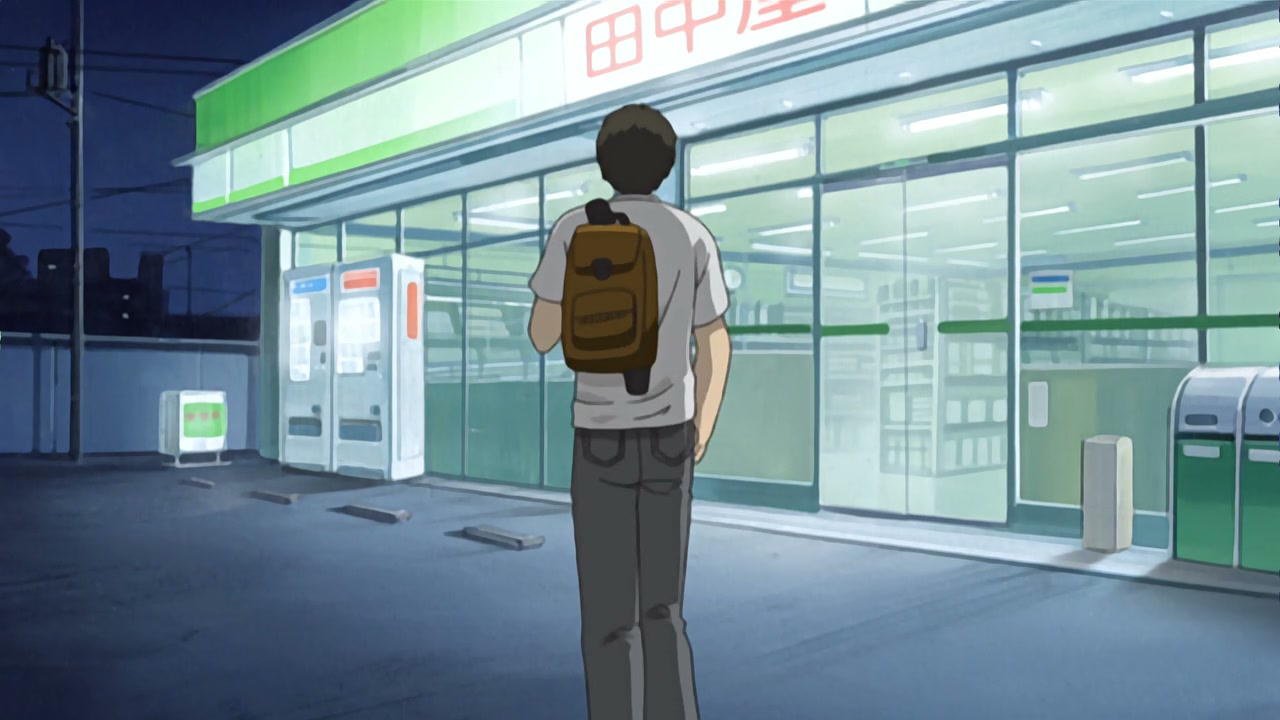
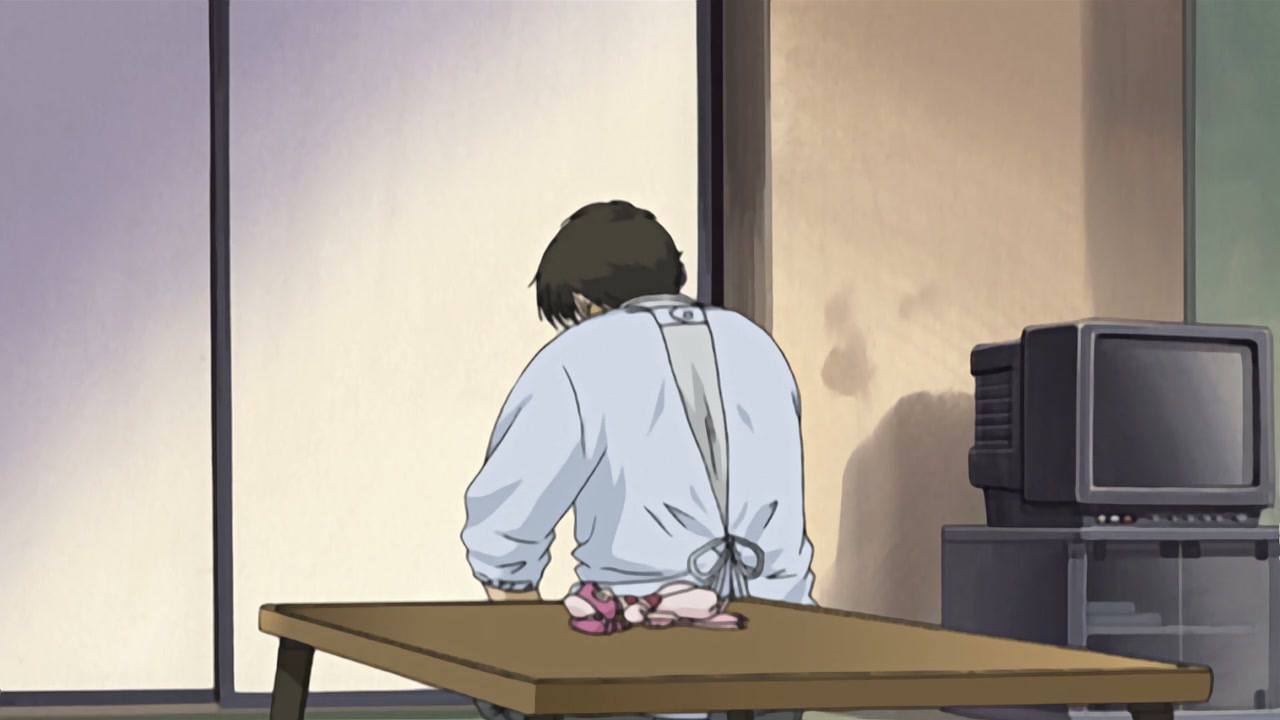
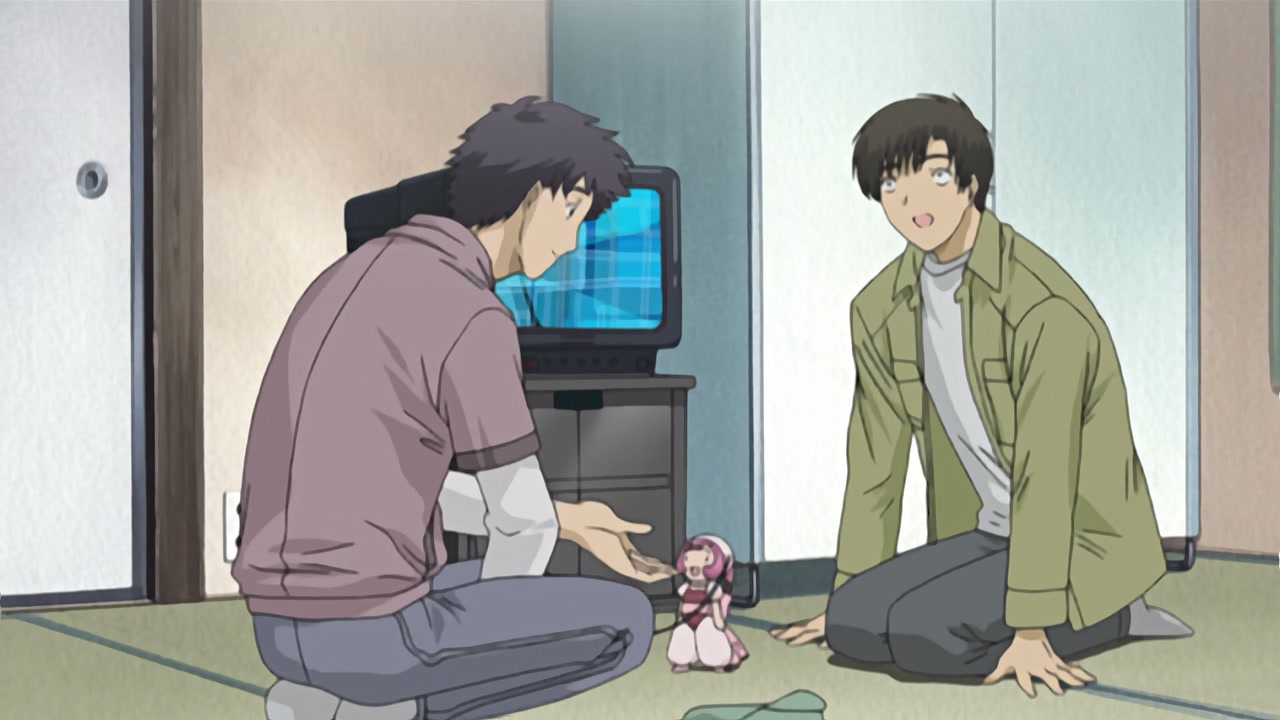
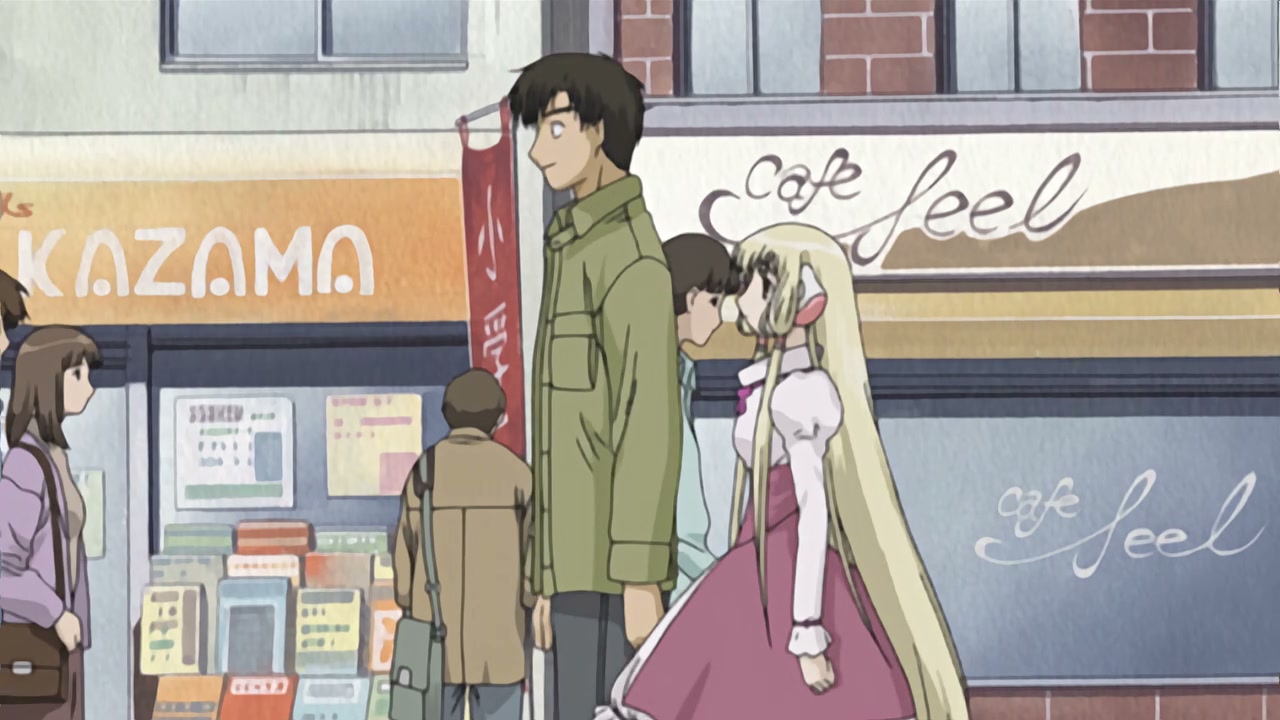
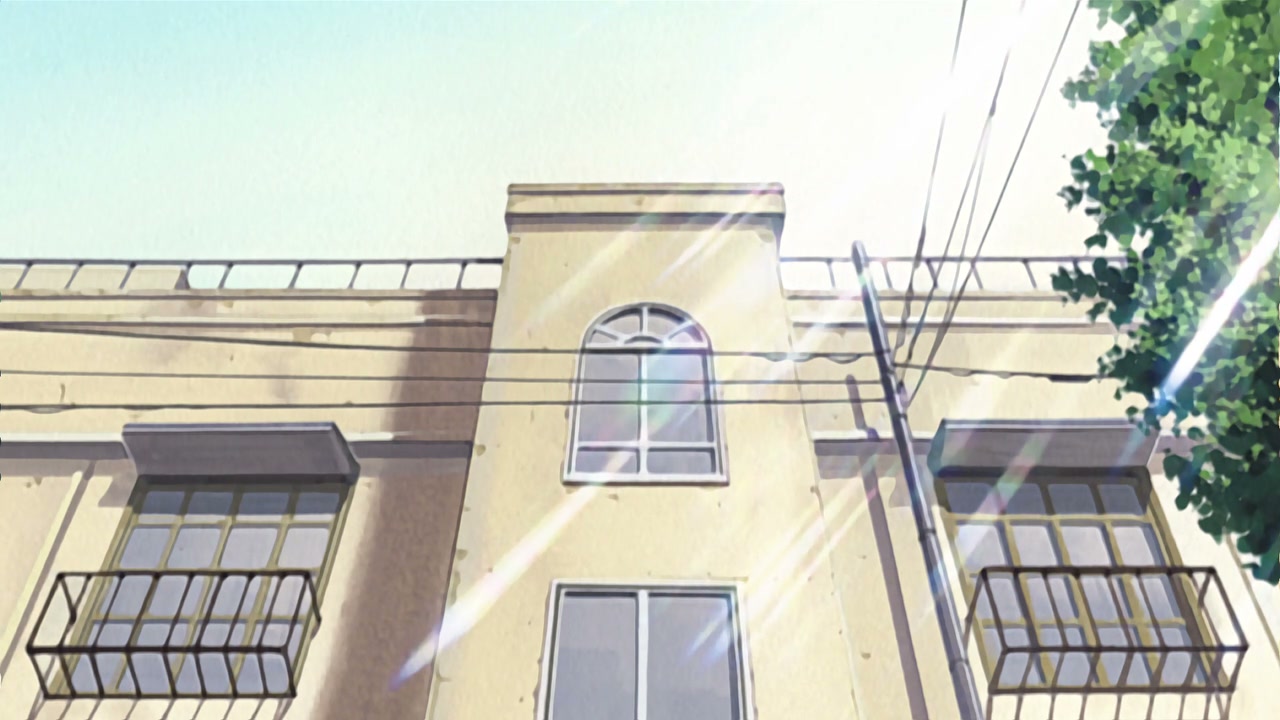
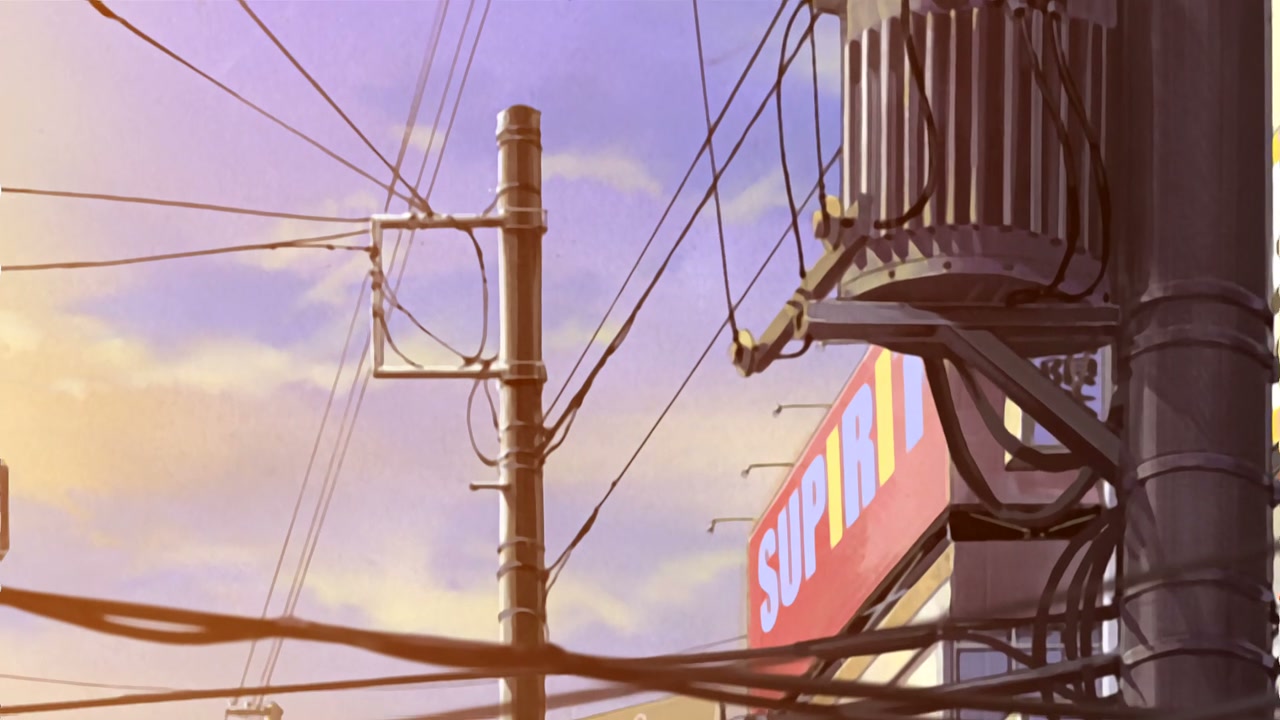
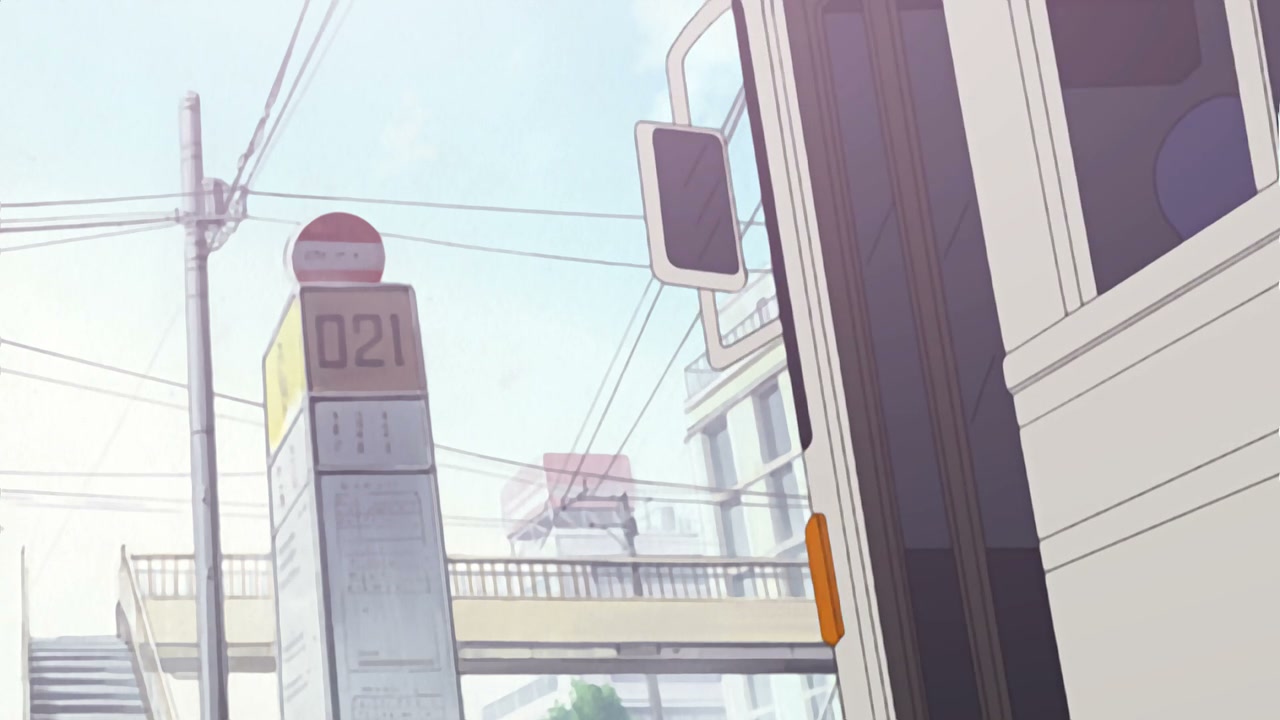
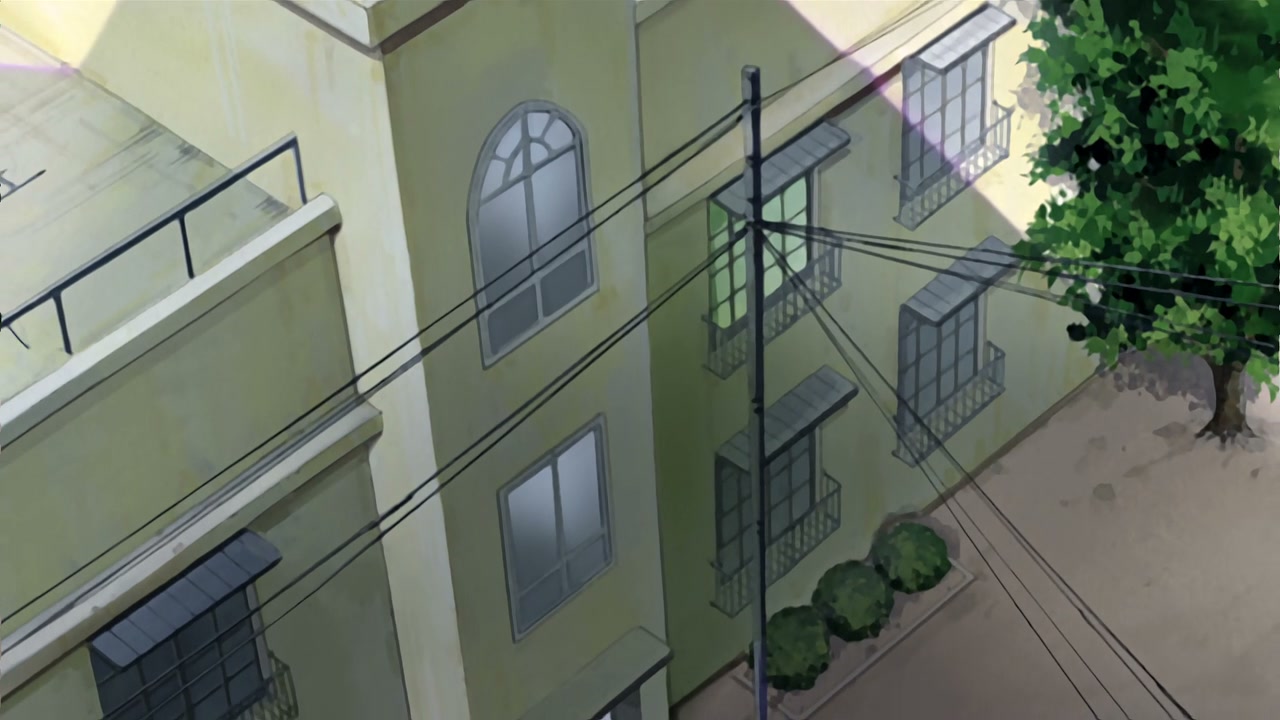
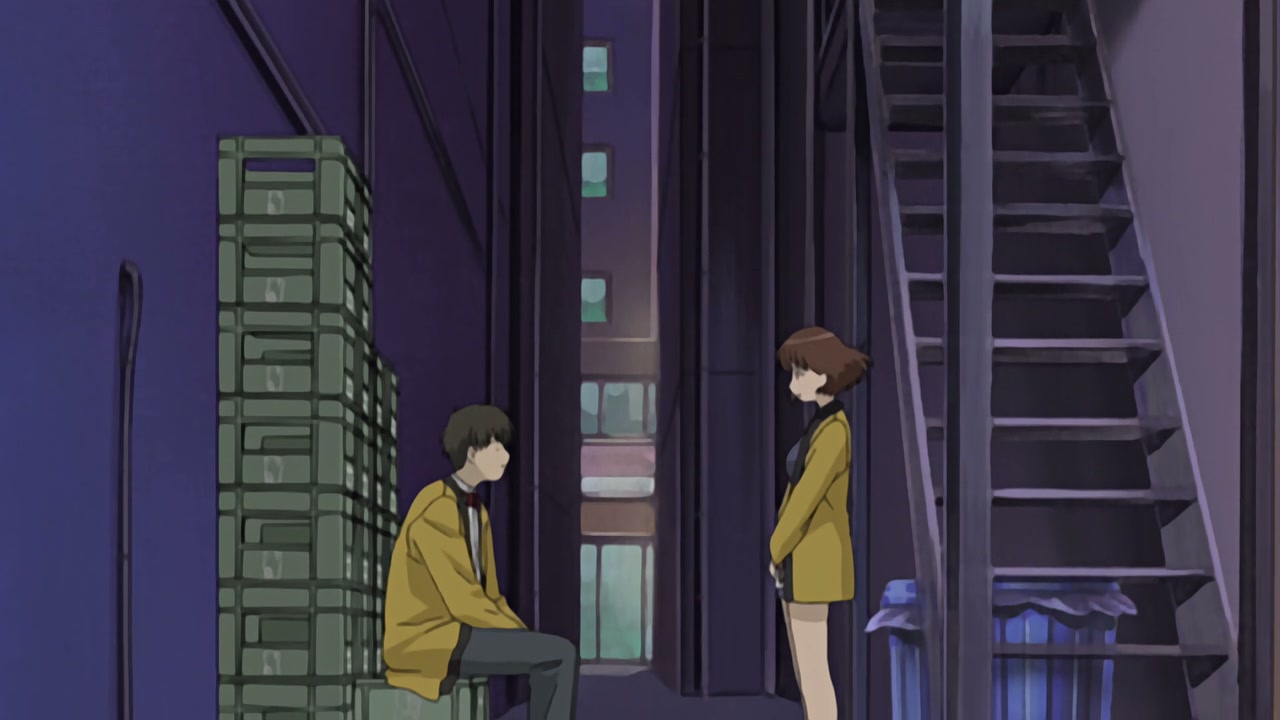
The background art is a consistent standout. Hideki’s cramped apartment, with its unpacked cardboard boxes and perpetually empty wallet on the table, exudes a sense of penniless student life. Hibiya’s tatami room, Minoru’s cavernous mansion, the sun-drenched beach of his private resort—each environment is rendered with careful attention to texture and atmosphere. Power lines stretch across hazy suburban skies; alleyways are lined with vending machines and utility poles; the bakery Tirol is suffused with warm, inviting browns. These spaces are not merely backdrops but emotional containers. When Chi stands alone on a crosswalk or Hideki trudges home under flickering streetlamps, the setting amplifies their emotional states.
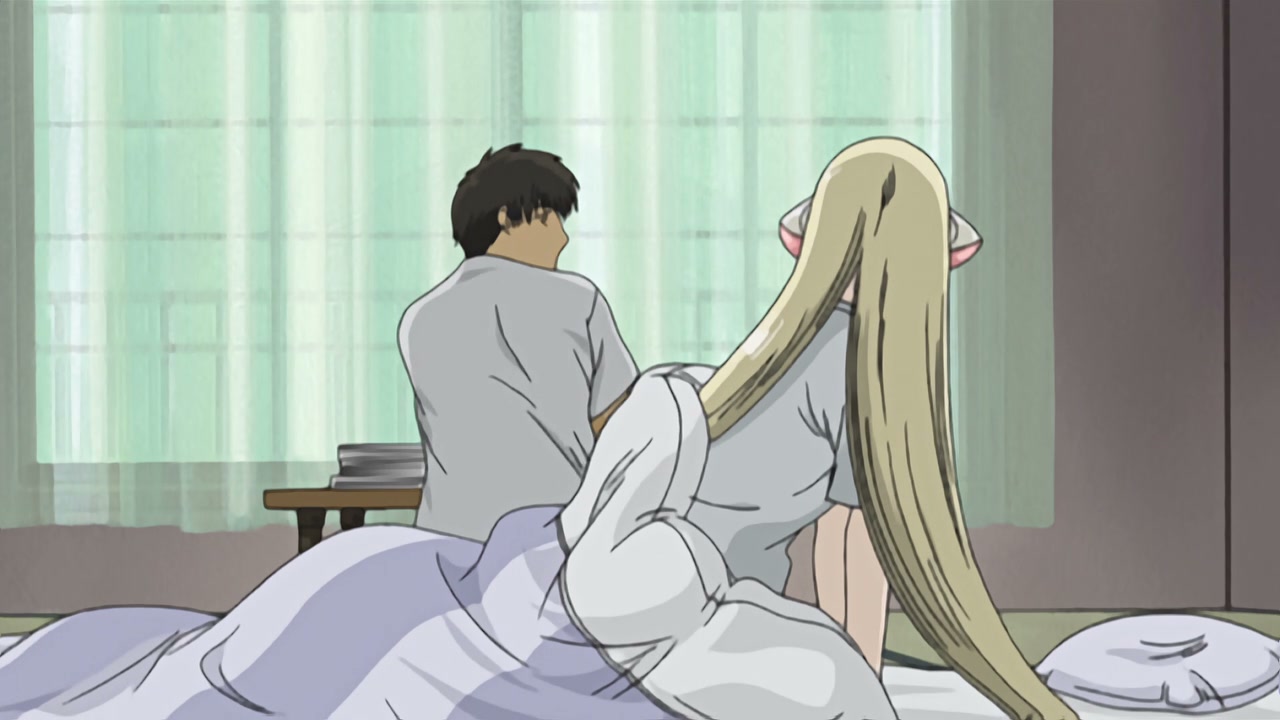
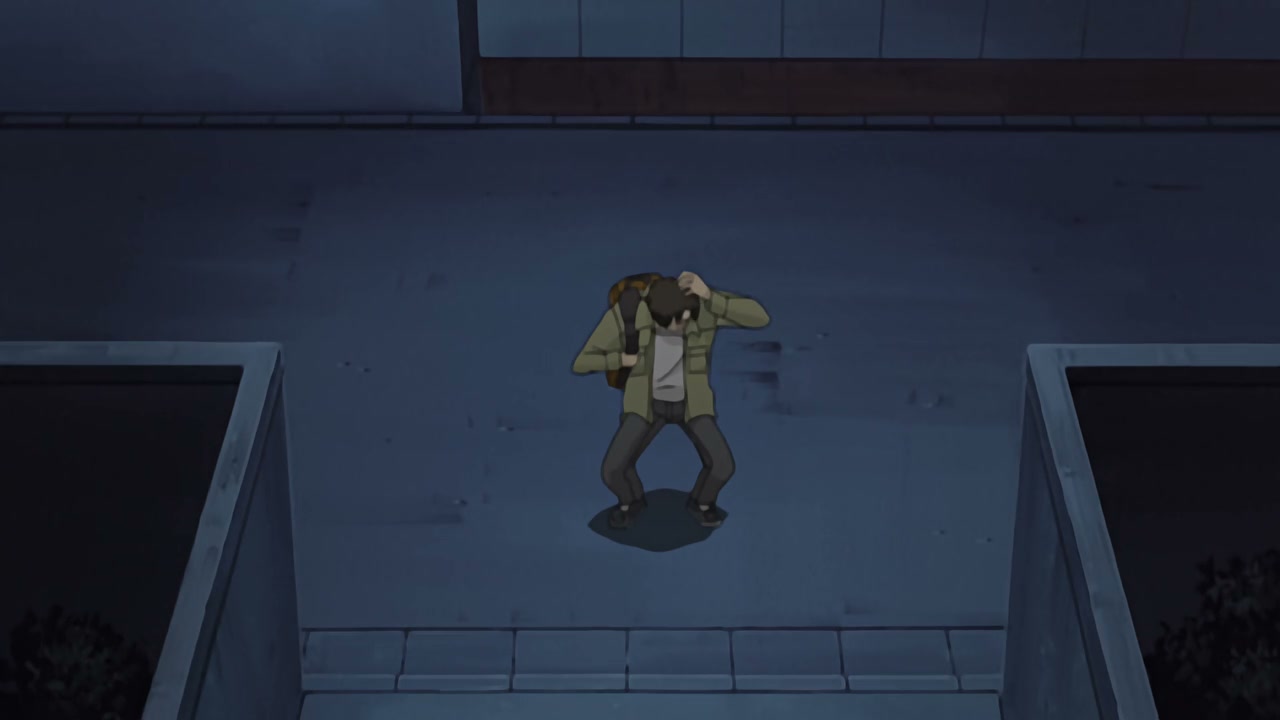
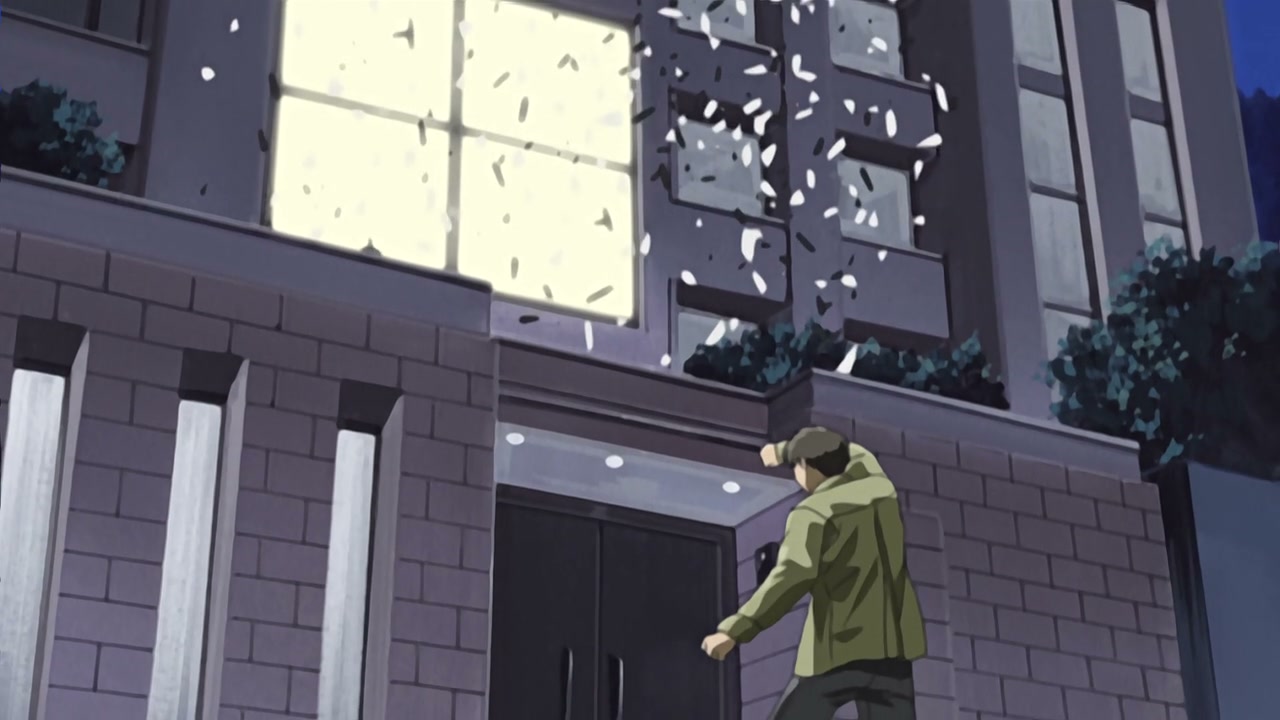
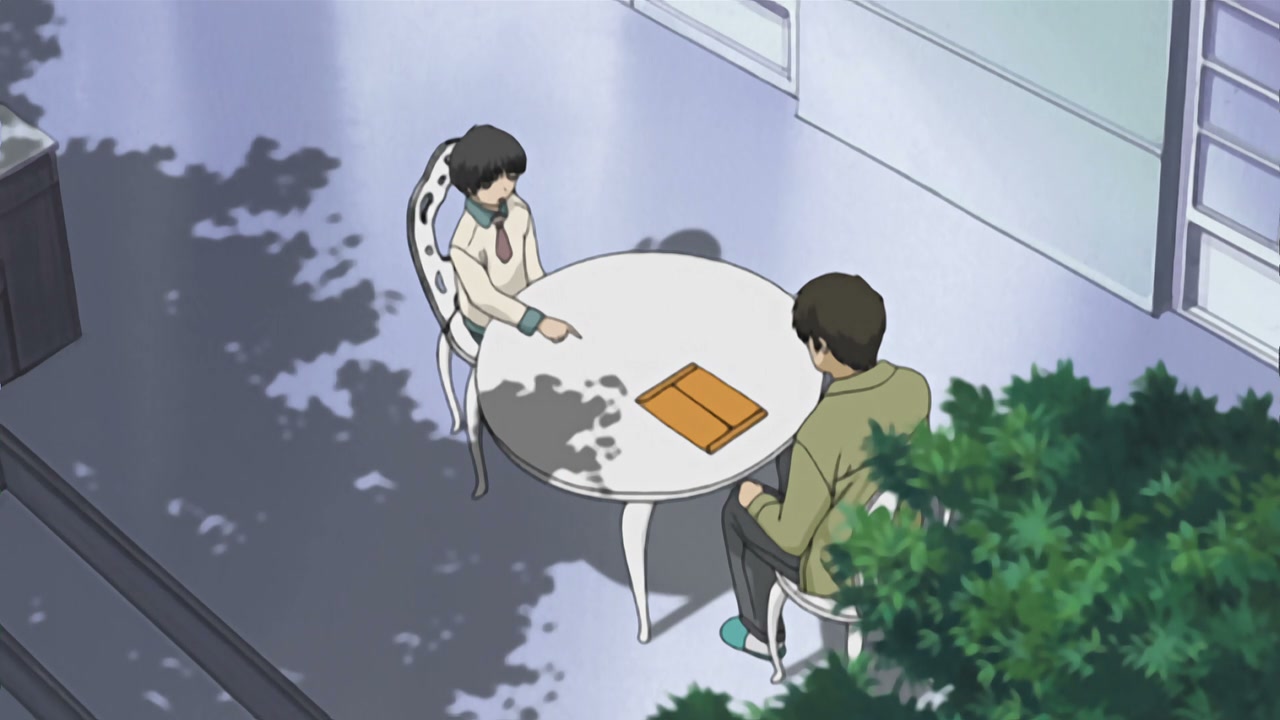
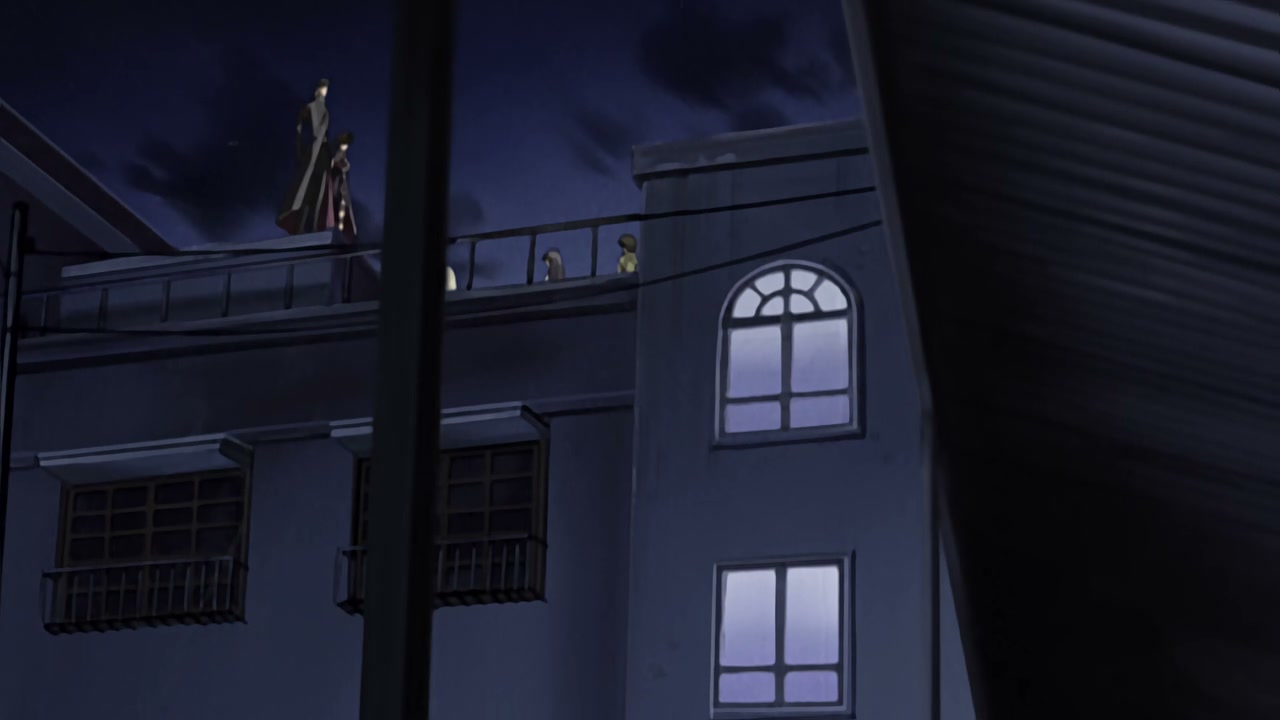
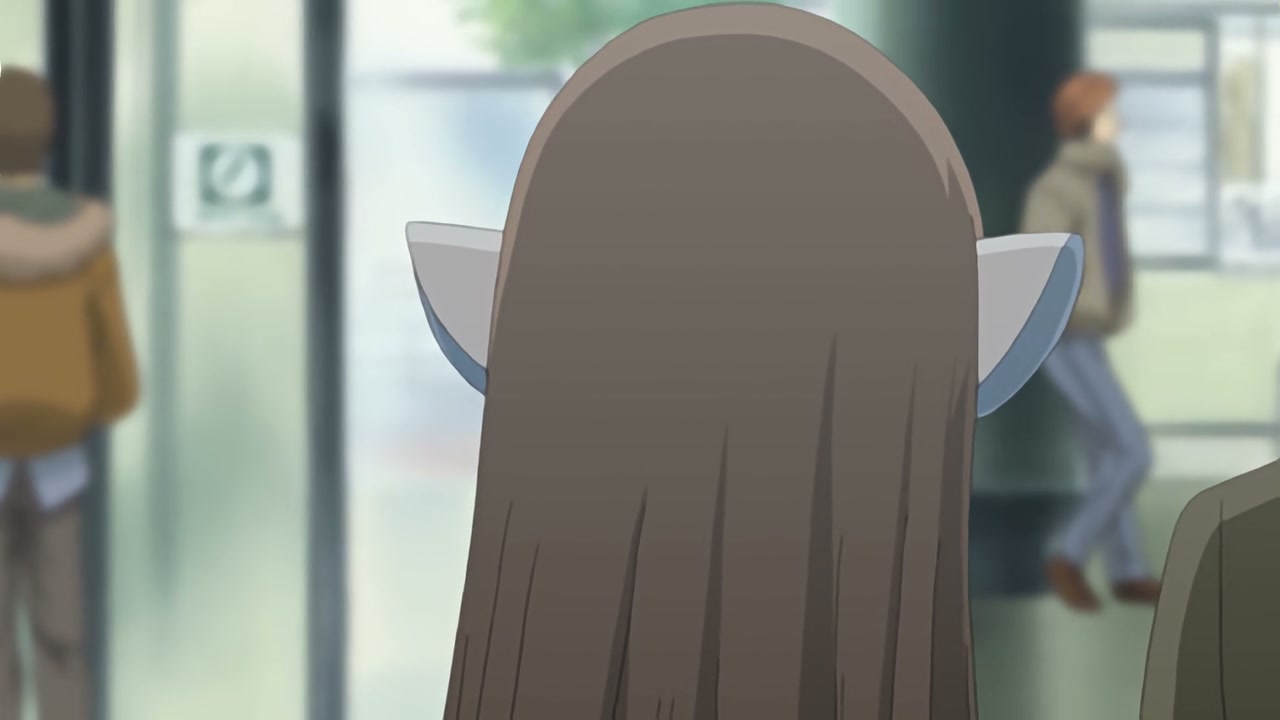
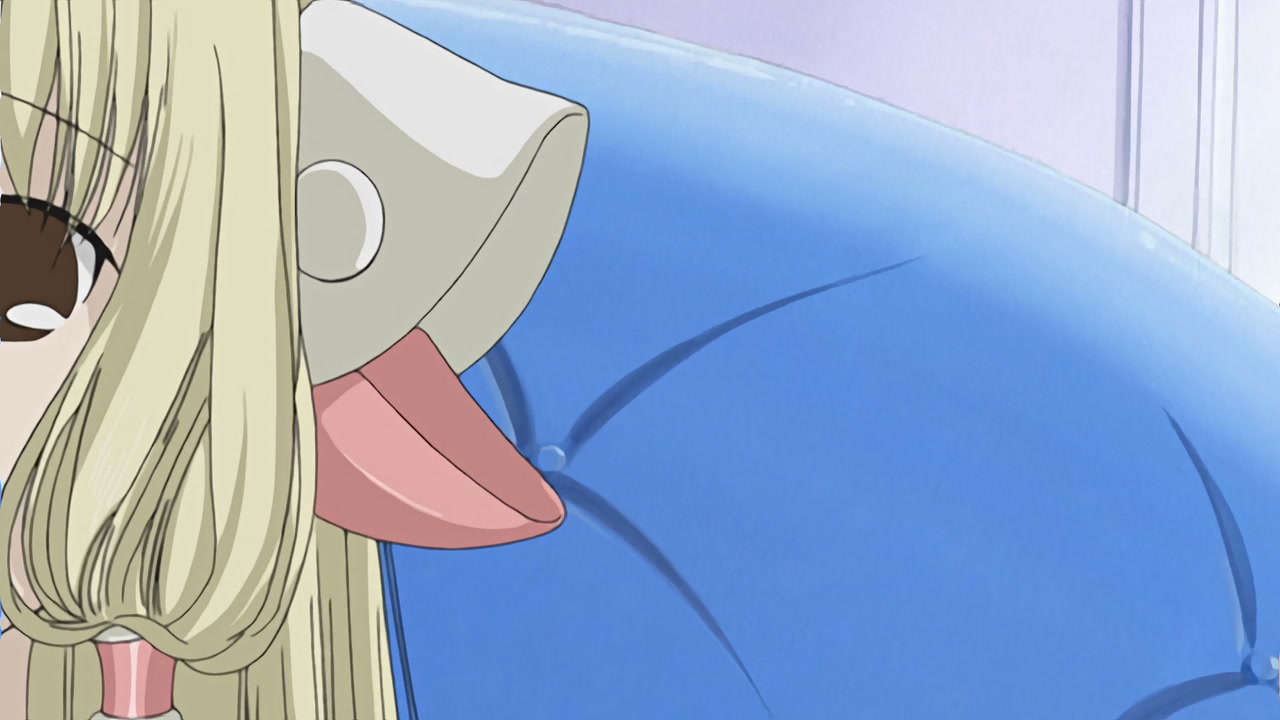
Lighting and compositing are deployed with strategic precision. Daytime interiors are bathed in diffused natural light that softens edges and enhances the gentle, contemplative tone. Night scenes lean into deep, monochromatic blues, punctuated by the orange glow of city lamps or the green flicker of a computer screen. Rain-streaked windows, lens flares, and dappled tree shadows during the beach episode all demonstrate a clear directorial intention to use light as an emotional language. One particularly striking visual motif is the recurring image of Chi silhouetted against a window, her mechanical ears catching the light—a constant visual reminder of her artificial nature even as she behaves with increasing humanity.
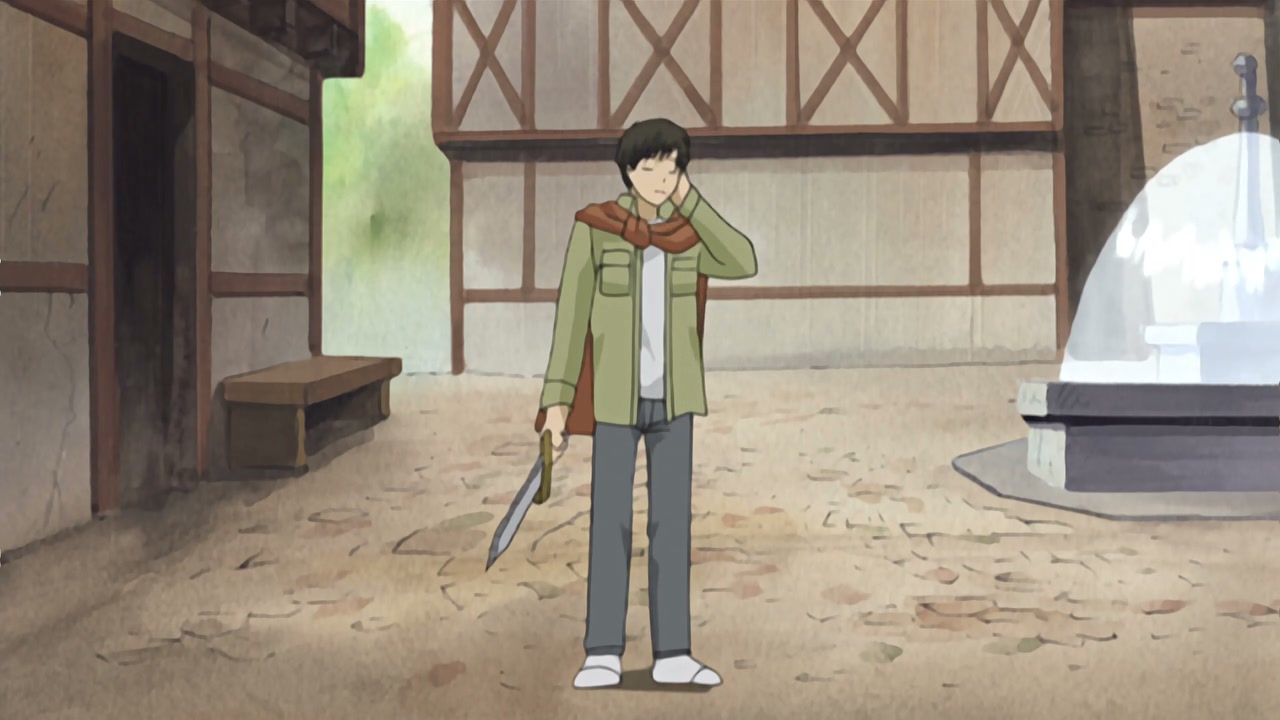
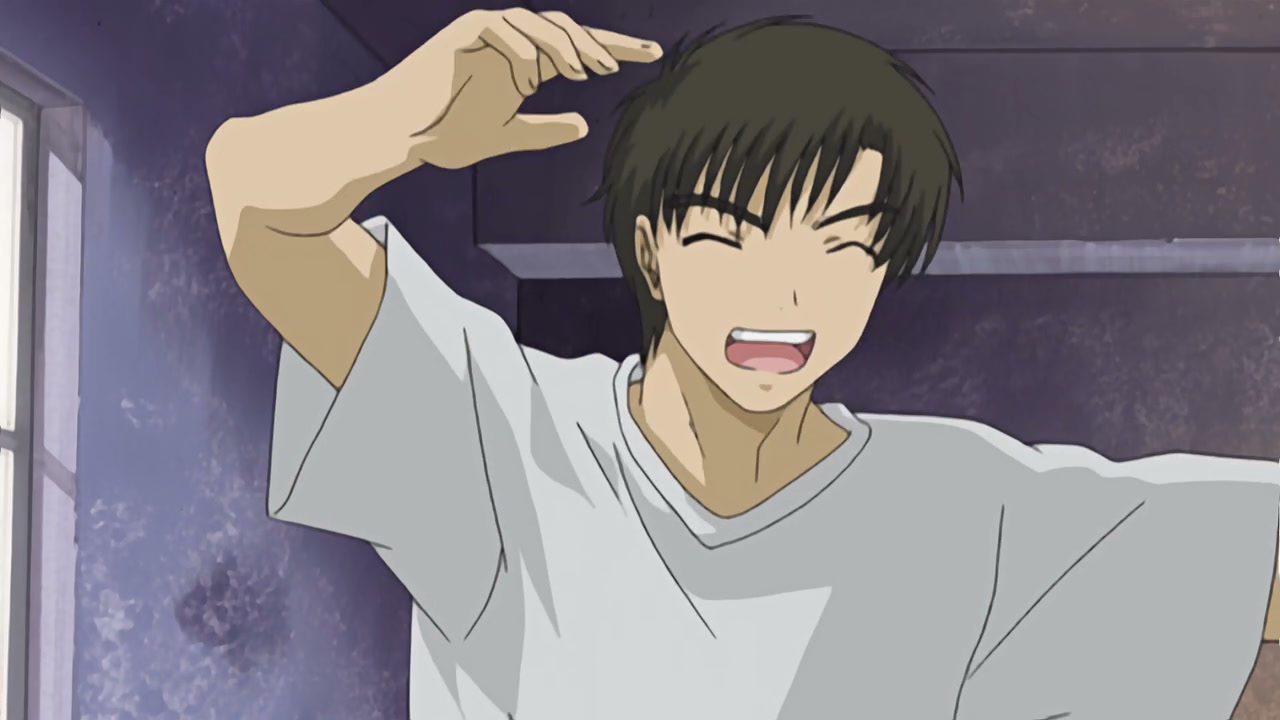
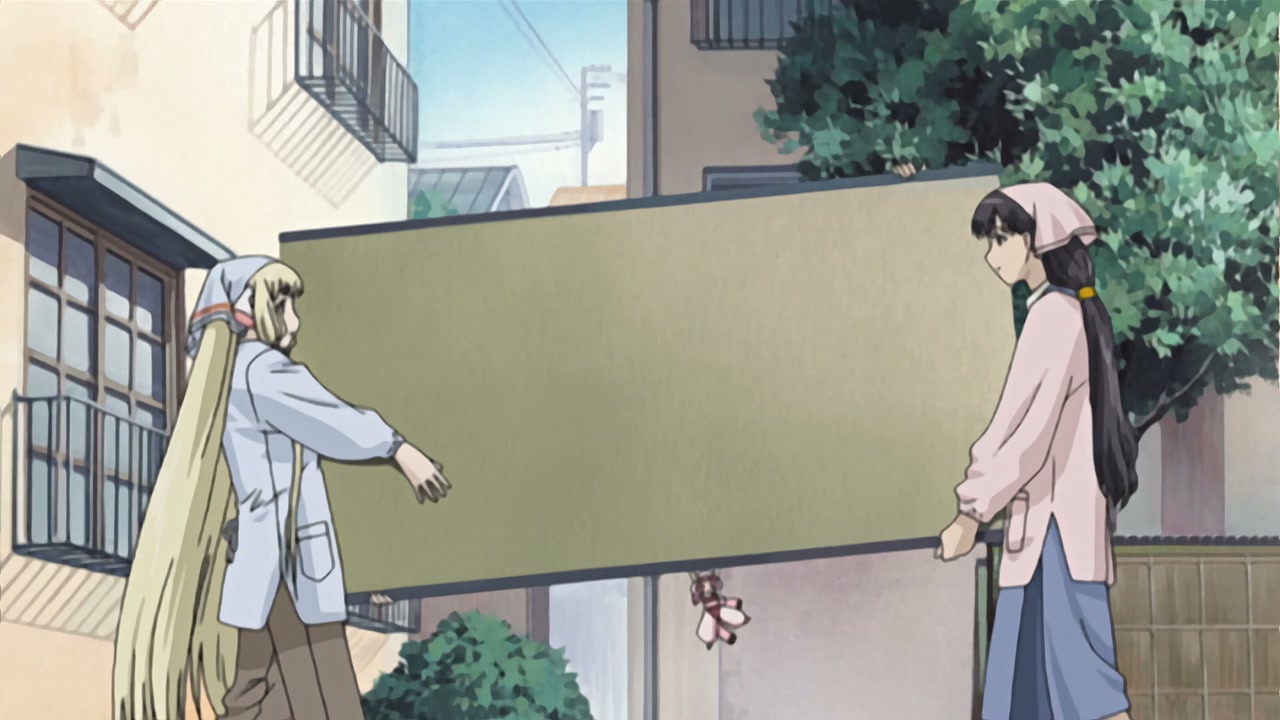
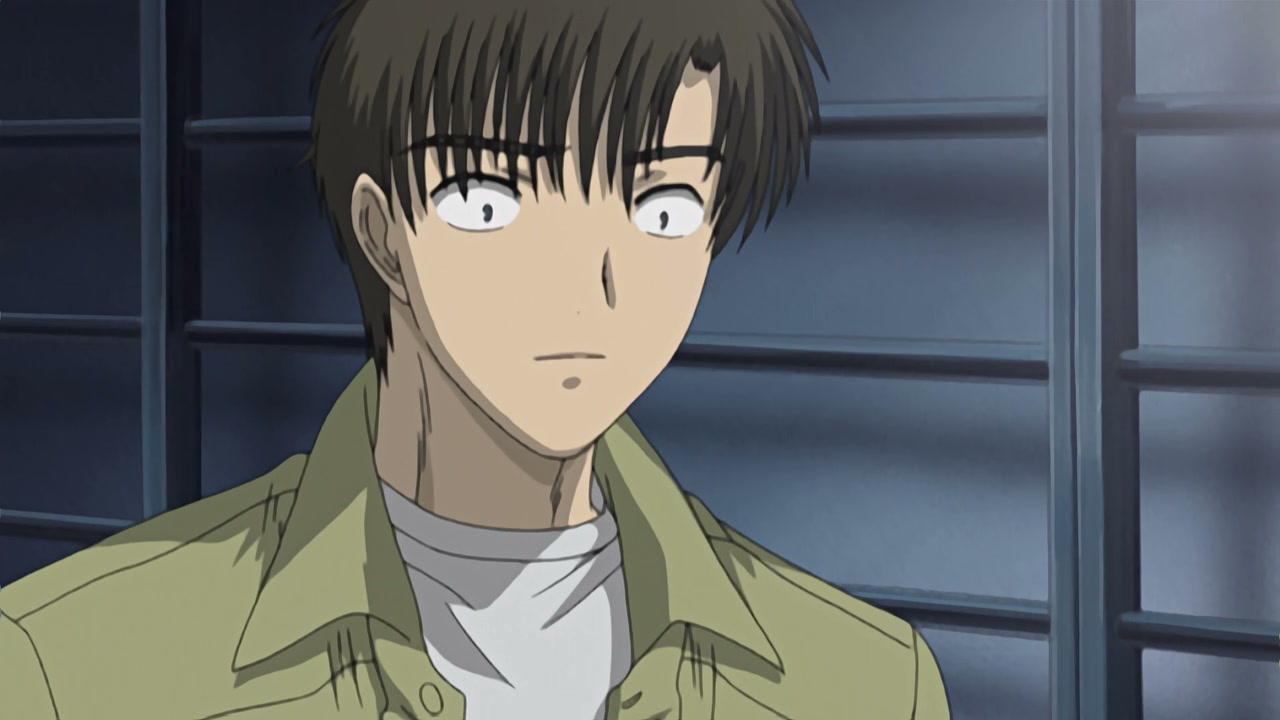
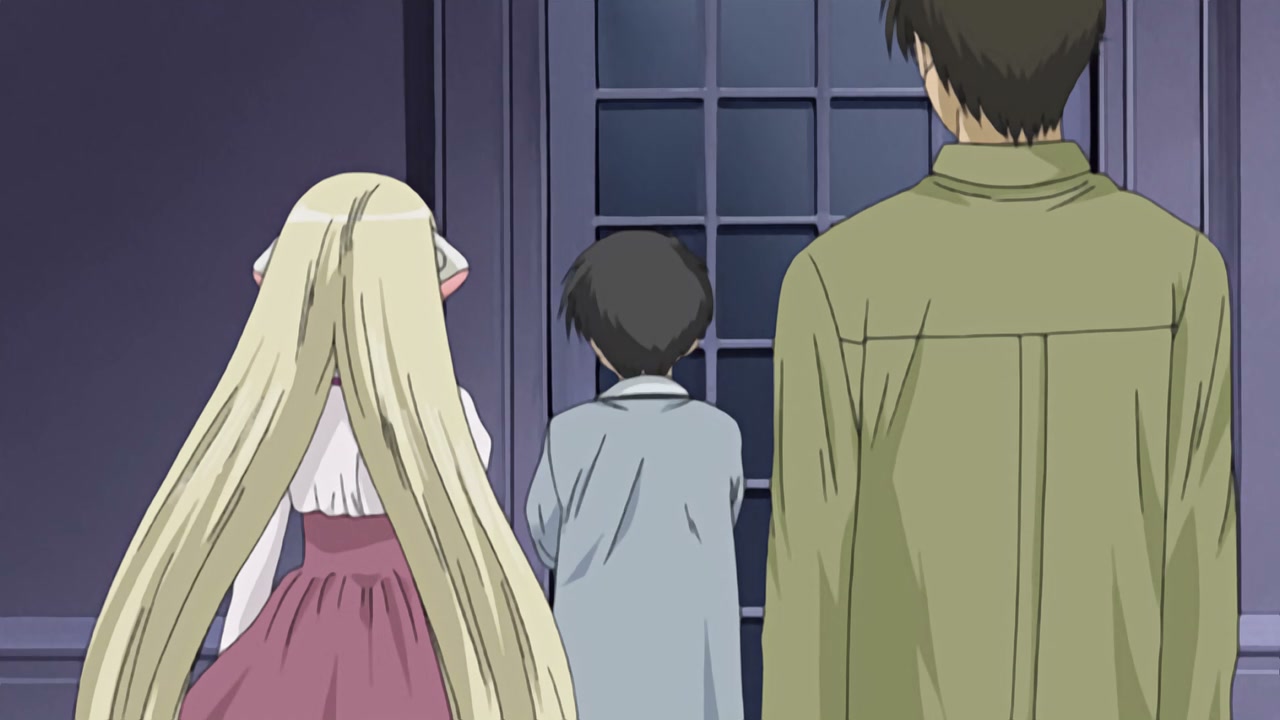
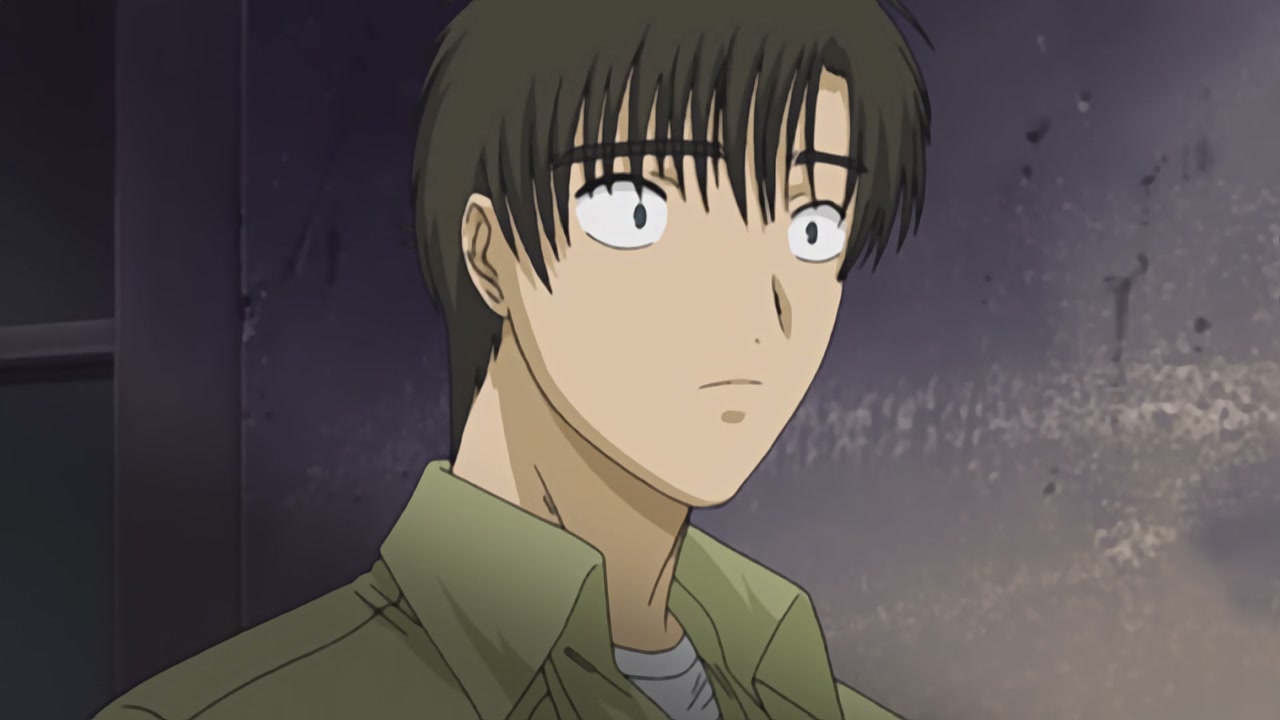
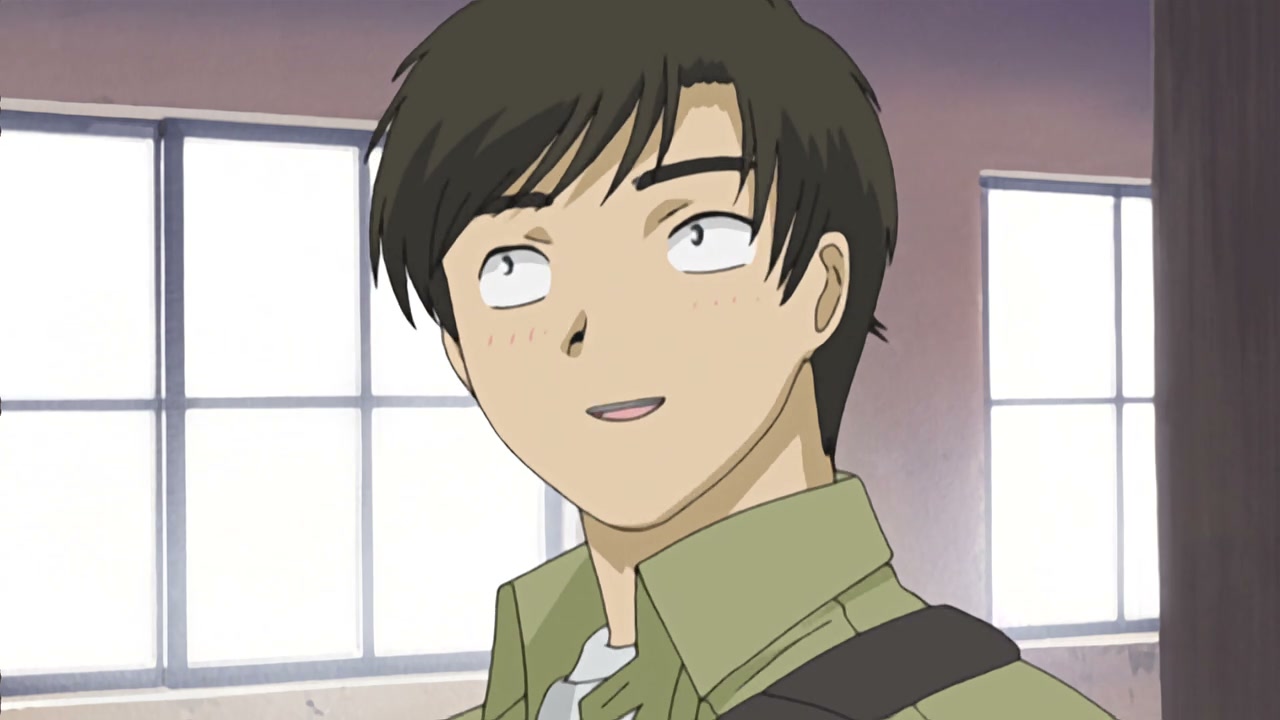
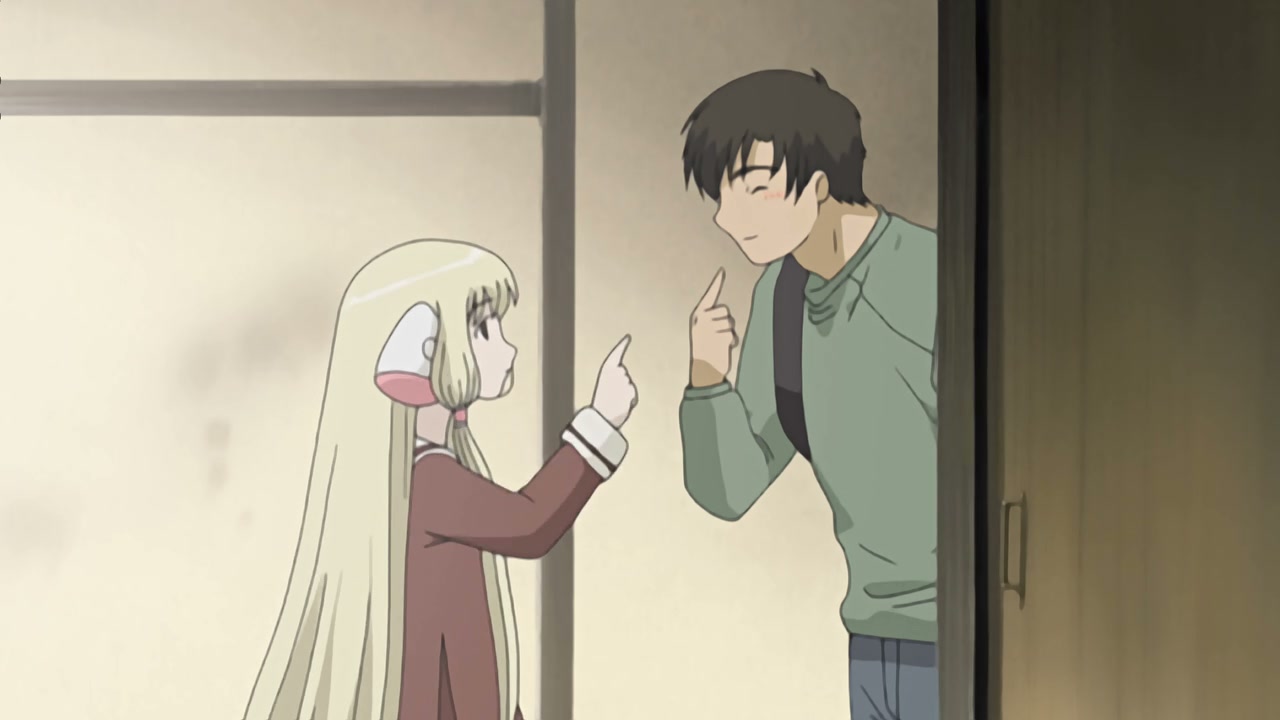
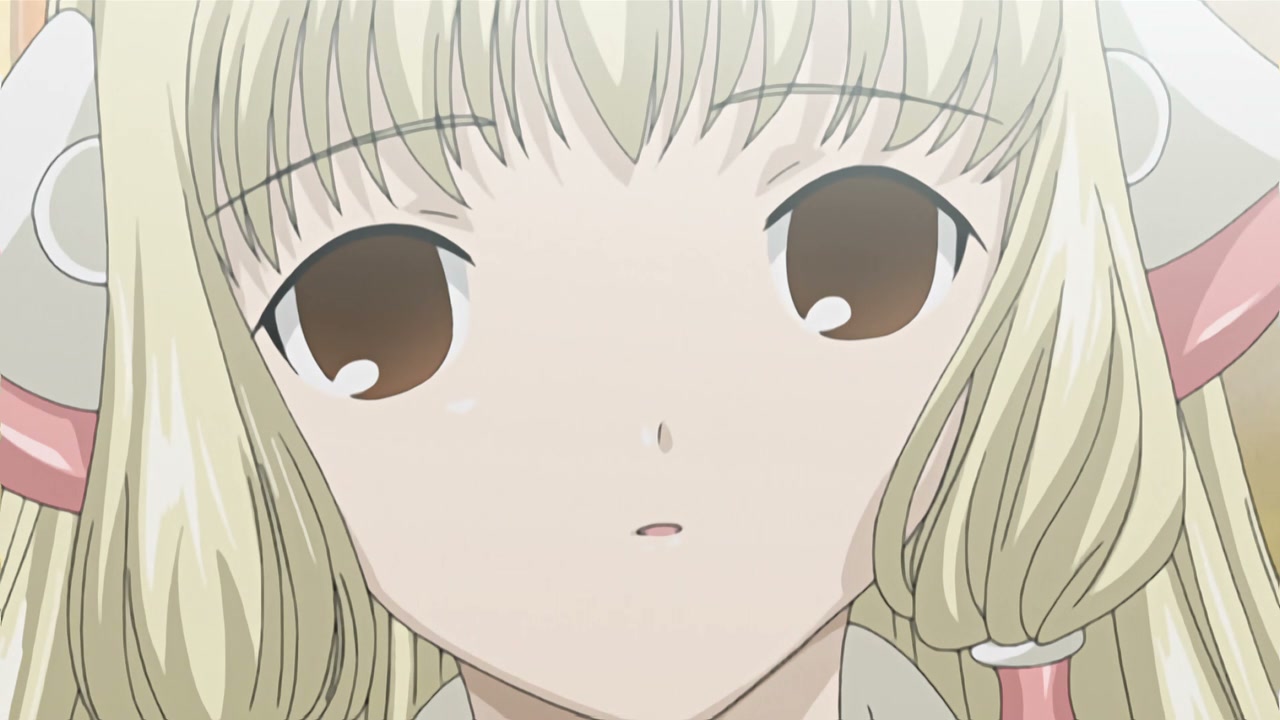
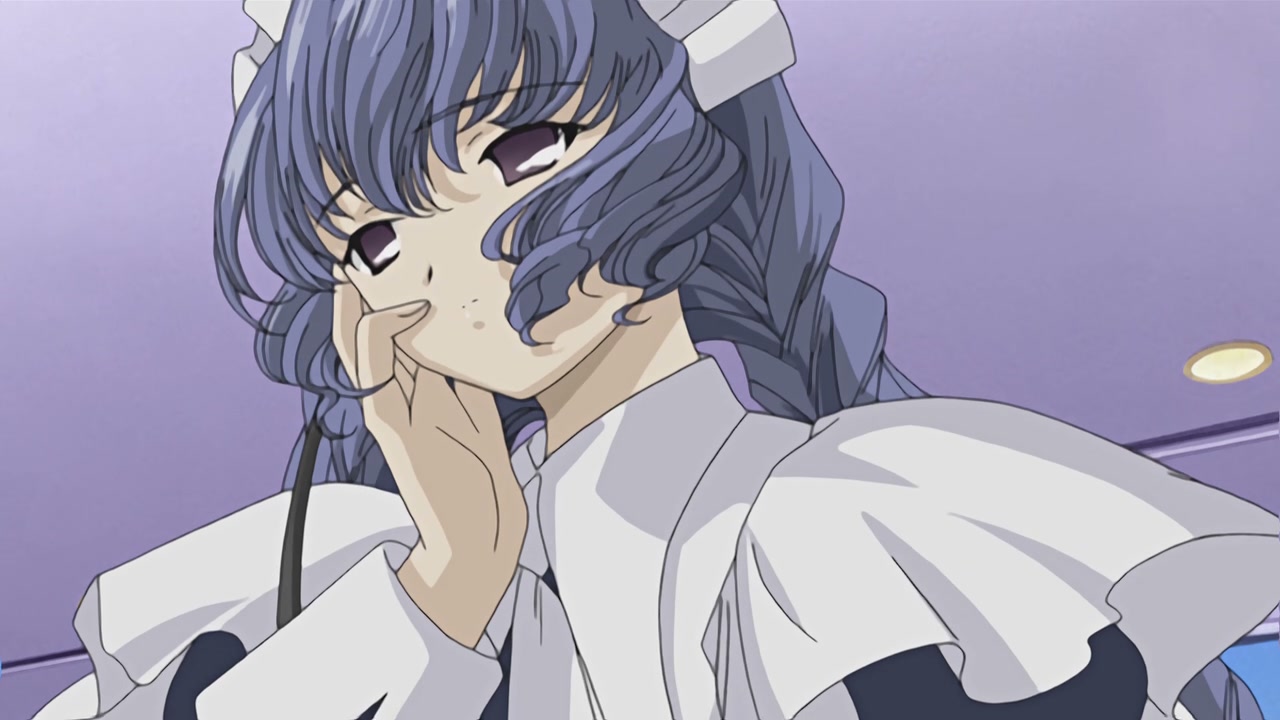
Character designs reflect the central thematic dichotomy. Hideki is drawn in a grounded, almost plain style: messy dark hair, simple jackets, realistic proportions. He looks like an ordinary young man, and that ordinariness is the point—he is the audience’s surrogate. Chi and the other persocoms, by contrast, are stylized to an almost ethereal degree: large luminous eyes, impossibly voluminous hair, elongated limbs, and the distinctive ear-like connectors that mark them as other. This contrast gives visual weight to the question of whether they can ever truly bridge their differences. Chi’s wardrobe evolution—from Hideki’s oversized shirts to the waitress uniform to her iconic black-and-white dress—visually codifies her growing identity and independence.
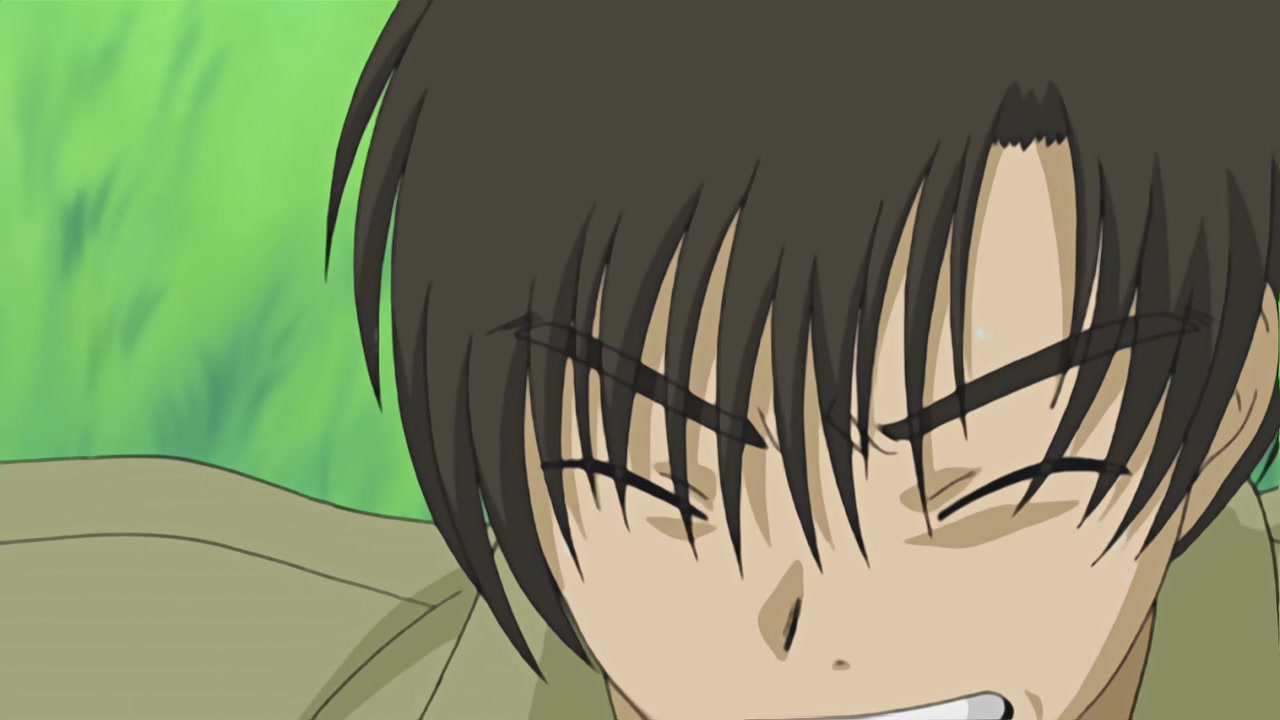
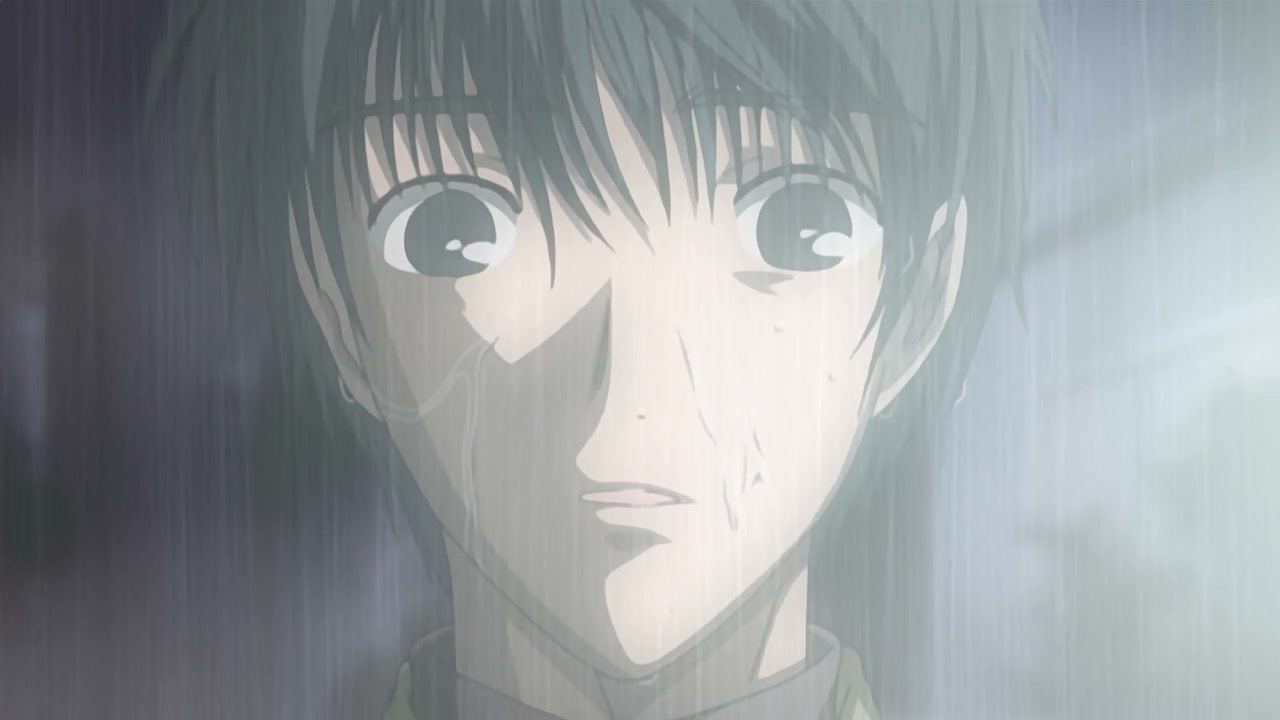
Facial expressions and character acting are where Chobits truly shines. The series is driven by quiet emotional beats, and the animation team clearly understood that a slight shift in eye shape or lip line could convey more than any dialogue. Chi’s expressions run a wide gamut from blank curiosity to radiant joy to deep, bewildered sadness. Her “happy face”—where she pulls the corners of her mouth upward in an imitation of Hideki’s smile—is both adorable and subtly heartbreaking, because we know she is approximating an emotion she does not yet fully understand. Hideki’s reactions range from flustered nosebleeds to genuine tenderness, and his physical awkwardness—tripping, flailing, carrying Chi on his back—makes him deeply endearing.
That said, the animation itself bears the marks of its era and budget. Movement is often limited; many dialogue scenes are constructed from static shots with minimal lip-flap syncing. Action sequences, such as the network game battles or the final confrontation with Zima and Dita, lack the fluidity that a higher-budget production might have achieved. However, it is important to distinguish between intentional stillness and genuine weakness. Chobits is a contemplative series, and many of its quietest moments—a held close-up of Chi’s face, a long shot of two figures standing under an umbrella—are deliberately paced to let the emotion land. These are not failures of animation but successes of direction. The series compensates for its constraints with strong storyboarding, dramatic lighting shifts, and occasional bursts of stylization: chibi reaction faces, abstract inner-monologue sequences, and fluid water effects that add kinetic variety.
Overall, the visuals of Chobits are a testament to the power of atmosphere over spectacle. It is a series that feels like a watercolor painting come to life—soft, nostalgic, and deeply human.
Sound and Music
The auditory identity of Chobits is inseparable from its emotional impact. The opening theme, “Let Me Be With You” by ROUND TABLE featuring Nino, is an inspired choice. Sung in English with a breezy, bossa-nova-inflected pop melody, it captures the series’ delicate balance between whimsy and longing. The lyrics—“Let me be with you, that’s all I want to say”—function as a thesis statement for the entire narrative. It is impossible to hear that song and not immediately be transported back to the series’ warm, slightly melancholic atmosphere.
The ending themes, particularly “Raison d’être” and “Ningyo-hime”, deepen the emotional register. While I will not fabricate a track-by-track analysis, the music direction consistently supports the series’ tonal shifts: gentle piano motifs for domestic scenes, subdued ambient textures for nighttime introspection, and occasional bursts of upbeat energy for comedic moments. The sound design is understated but effective—the whir of a persocom booting up, the ambient hum of Tokyo streets, the distant crash of ocean waves.
Voice acting (seiyuu) is the true highlight of the soundscape. Sugita Tomokazu, who would later become an industry icon, brings Motosuwa Hideki to life with a perfect blend of comedic exasperation and genuine warmth. His delivery of Hideki’s internal monologues—often muttered aloud to no one in particular—makes the character feel like a friend you’ve known for years. Tanaka Rie delivers a career-defining performance as Chi. She navigates the character’s linguistic evolution from monosyllabic chirps to full sentences with astonishing nuance, and her later shift into Freya’s voice is chillingly effective. The supporting cast is equally strong: Seki Tomokazu as Shinbo gives the character a laid-back charm that masks deep emotional intelligence; Orikasa Fumiko invests Chitose with a gentle, maternal gravity; and Kawasumi Ayako endows Yuzuki with a quiet, contained sadness.
Overall Verdict
Chobits is not a perfect series. Its pacing can feel indulgent, its fanservice occasionally jarring to modern sensibilities, and its animation budget constraints are evident. But these are minor blemishes on a work of profound emotional honesty. In an era when we are having real-world debates about AI companionship, digital intimacy, and the dehumanizing effects of technology, Chobits feels more relevant than ever—not because it warns us against loving machines, but because it insists that every love, whether born of flesh or code, deserves to be honored.
This is a series for anyone who has ever felt lonely, who has ever yearned to be seen and accepted for who they truly are. It is for fans of romance that values slow-burn emotional development over melodrama, for viewers who appreciate speculative fiction that uses its conceit to explore human vulnerability, and for lovers of CLAMP’s signature blend of gentle melancholy and uplifting hope. If you approach it with an open heart and a willingness to sit with its quiet moments, Chobits will reward you with one of the most tender and thoughtful love stories in anime.
Final Rating: ★★★★★ — A touching, thematically rich classic that proves love needs no operating system.
Gallery